 English
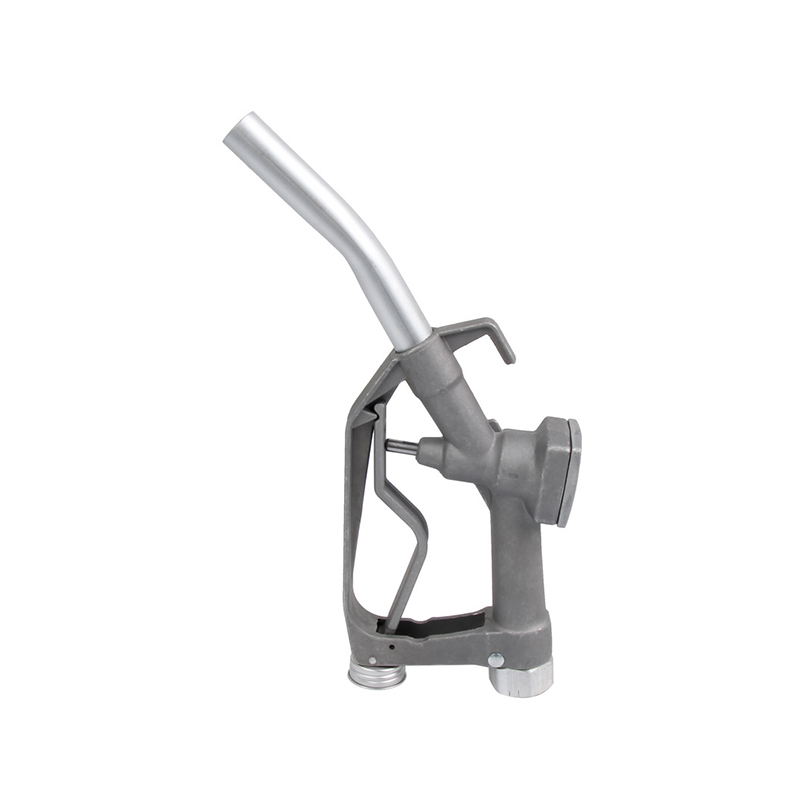
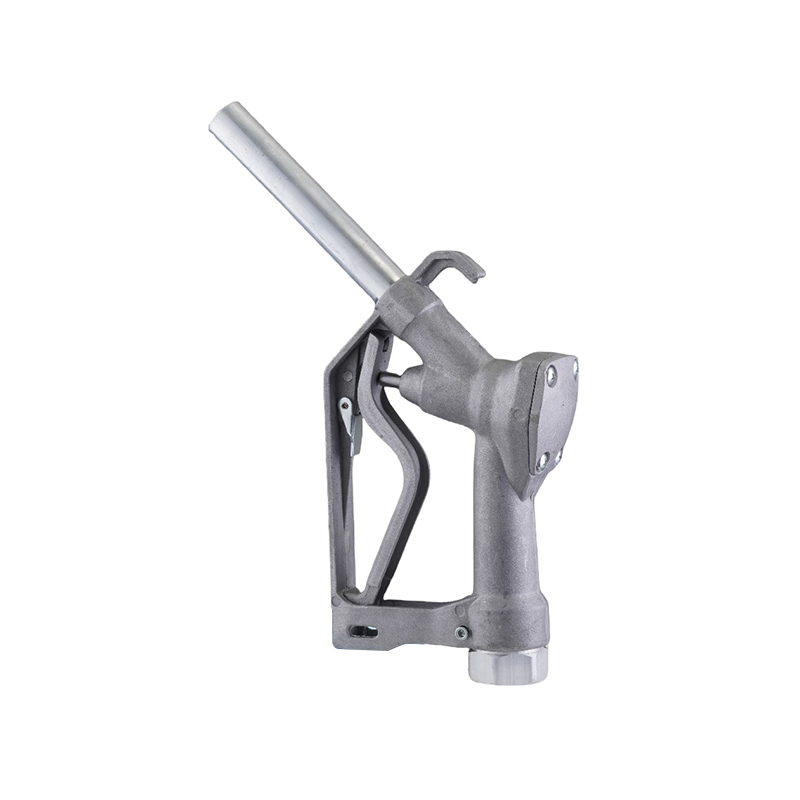
Various Fuel Nozzles for Fuel Dispensers
Fuel nozzles are one of the most critical components of a fuel dispensing system, directly interacting with end users. They are widely used in gas stations, fuel depots, tank trucks, fleet refueling systems, and various fuel transfer scenarios. Their performance directly affects fueling safety, efficiency, environmental compliance, and overall equipment reliability.
With increasing global requirements for safety and environmental protection, fuel nozzles have become more specialized in terms of structure, function, and application. This article provides a systematic classification and comparison of various fuel nozzles based on operation method, environmental function, fuel type, flow rate, and operating conditions, helping users quickly understand differences and make informed selections.
I. Classification by Operation Method
1. Automatic Fuel Nozzle
Automatic fuel nozzles are equipped with a built-in automatic shut-off mechanism. When the fuel level rises and covers the sensing port, a vacuum or pressure change triggers the main valve to close, automatically stopping fuel flow and preventing overfill.
Key Features:
Automatic shut-off for high safety
Easy operation, ideal for public fuel stations
Complies with international dispensing standards
Typical Applications:
Gasoline stations
Diesel stations
Urban and highway service stations
2. Manual Fuel Nozzle
Manual fuel nozzles lack automatic shut-off functionality, requiring the operator to control the fueling process. Their simpler structure makes them easier to maintain and cost-effective.
Key Features:
Simple, reliable structure
Lower cost and easy maintenance
Suitable for controlled or industrial fueling environments
Typical Applications:
Industrial equipment refueling
Agricultural machinery
Internal fuel depots or dedicated fueling points
II. Classification by Environmental Function
3. Vapor Recovery Fuel Nozzle (Stage II)
Vapor recovery nozzles capture displaced fuel vapors during fueling and return them to the storage system, significantly reducing volatile organic compound (VOC) emissions and complying with environmental regulations.
Key Features:
Integrated vapor recovery channels or sealed sleeves
Reduces fuel vapor emissions
Meets Stage II or EVR environmental standards
Typical Applications:
Gas stations in regions with strict environmental regulations
Urban centers or high-density areas
Stations requiring environmental certification
III. Classification by Fuel Type
4. Gasoline Fuel Nozzle
Designed for gasoline, these nozzles focus on leak prevention, anti-static safety, and reliable operation, compatible with various gasoline grades.
Key Features:
Stable flow rate
Excellent sealing performance
Lightweight and comfortable to operate
5. Diesel Fuel Nozzle
Diesel nozzles are built for higher flow rates and heavy-duty operation, suitable for frequent or rapid fueling.
Key Features:
Supports medium to high flow rates
Durable and wear-resistant
Suitable for heavy-duty and high-frequency use
6. Special Media Fuel Nozzle (AdBlue / DEF)
Used for urea solutions such as AdBlue/DEF, requiring high corrosion resistance and material compatibility to prevent contamination.
Key Features:
Corrosion-resistant materials
Prevents cross-contamination
Structurally different from conventional fuel nozzles
IV. Classification by Flow Rate
7. Standard Flow Fuel Nozzle
Suitable for regular vehicles, balancing efficiency and user comfort.
Typical Flow Rate:
Approximately 40–60 L/min (depending on model and standard)
8. High Flow Fuel Nozzle
Designed for tank trucks, construction vehicles, and fleet fueling systems, enabling faster refueling.
Key Features:
Large flow rate, high efficiency
Requires strong valve body and reliable sealing
Usually paired with large-diameter hoses and pumps
Typical Applications:
Tank truck refueling
Construction machinery
Fleet or centralized fueling stations
V. Classification by Operating Conditions
9. Low-Temperature Fuel Nozzle
Designed for cold climates, these nozzles maintain stable sealing performance and operational flexibility at low temperatures.
Key Features:
Operates reliably at temperatures down to –40°C
Low-temperature resistant seals
Suitable for high-latitude or cold regions
10. Industrial / Heavy-Duty Fuel Nozzle
Built for high-frequency, continuous use environments, emphasizing durability and long service life.
Key Features:
Reinforced structure and critical components
Suitable for continuous operation
Long maintenance cycle and reliable performance
VI. Fuel Nozzle Selection Guide
When selecting a fuel nozzle, consider the following factors:
Type of fuel (gasoline, diesel, or special fluids)
Requirement for automatic shut-off
Need for vapor recovery or environmental compliance
Flow rate and daily usage frequency
Operating environment temperature and conditions
Local regulations and industry standards
Proper selection improves refueling efficiency while reducing safety risks and long-term maintenance costs.
VII. Conclusion
As the global fueling industry moves toward safety, environmental compliance, and efficiency, fuel nozzle products have become increasingly diverse and specialized. Clear classification and rational selection allow users to meet different application needs efficiently and reliably.
For detailed technical parameters, compatible models, or custom solutions, please contact us. We provide professional, reliable, one-stop solutions for all types of fuel dispensing systems.