 English
 中文简体
中文简体
 Español
Fuel distribution is often described as a simple movement from one place to another. Fuel leaves a storage area and eventually reaches the point where it is needed. Yet the actual process involves mu...
READ MORE
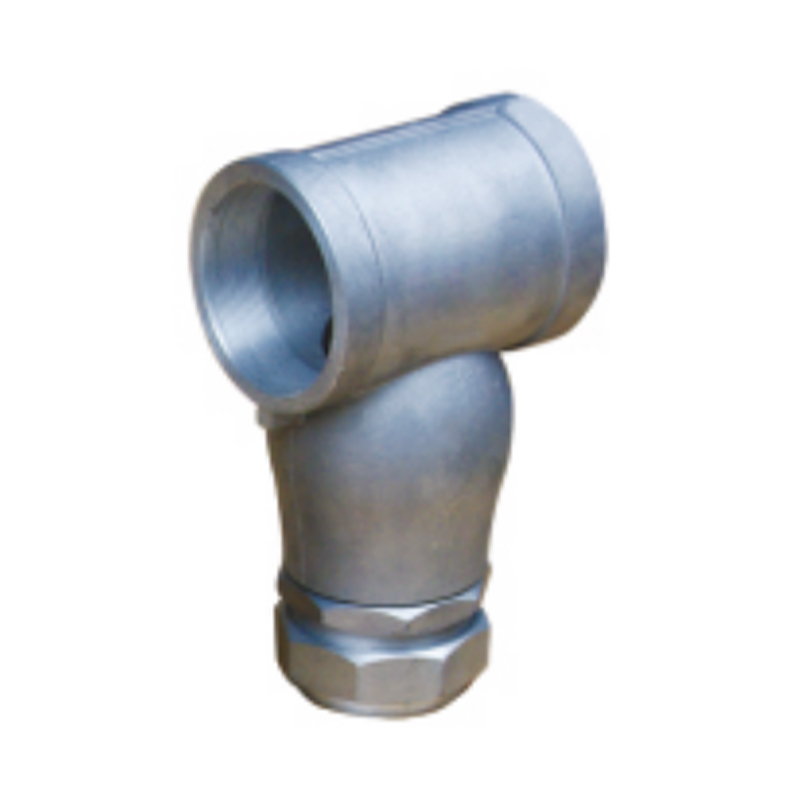


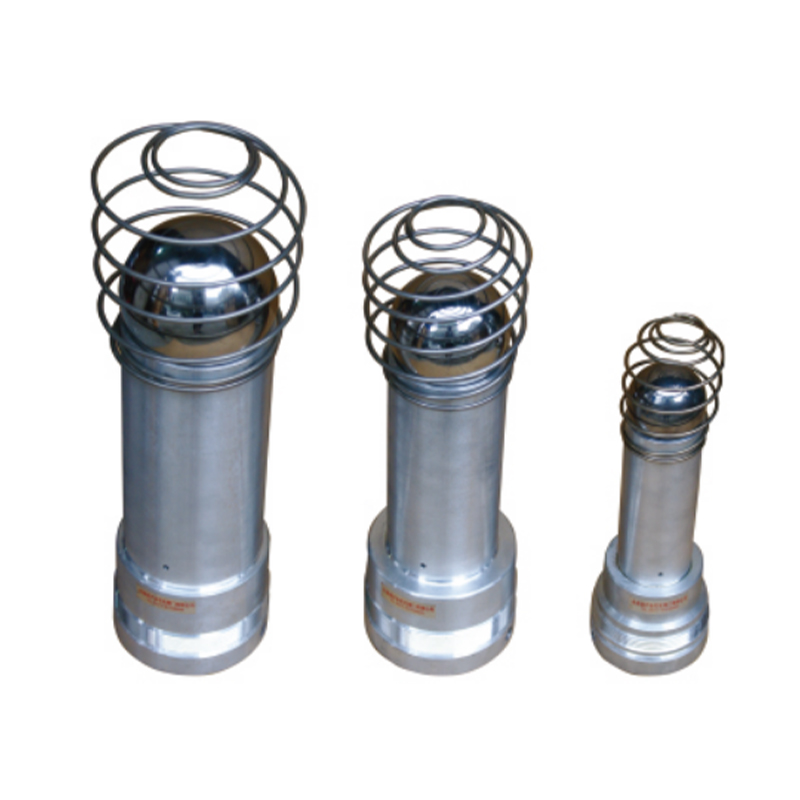
Float ball vent valves are key safety and performance components installed on underground storage tanks (USTs) and aboveground storage tanks at retail fueling stations, commercial fuel sites, and industrial facilities. These valves regulate airflow into and out of storage tanks during fuel dispensing or delivery, preventing overpressure and unwanted vacuum conditions that can compromise tank integrity or operational safety. Leading industry manufacturers such as OPW, Franklin Fueling, Universal Valve and others provide robust, reliable ball float vent solutions engineered for fuel storage applications.
Role of Float Ball Vent Valves in Fuel Systems
Float ball vent valves serve as a critical part of the tank breathing system. Their principal function is to permit air ingress and vapor egress as tank liquid levels rise and fall, while preventing spillage of liquid fuel through the vent opening. They use a buoyant ball element to seal the vent port when fuel reaches a high level, effectively stopping liquid from escaping during rapid fill events or sloshing. At the same time, they allow normal atmospheric pressure equalization to occur during draining or dispensing, ensuring safe, reliable tank operation.
Core Components & Functions
1. Float Mechanism and Valve Body
The core of a float ball vent valve is a buoyant ball or float contained within a precision‑engineered valve body. As liquid rises toward the vent inlet, the float rises and seats against a sealing surface, blocking the vent to prevent liquid discharge. When liquid levels decrease, the float drops and reopens the vent to allow air movement.
Key functions include:
Liquid blocking: Prevents fuel from passing through the vent line during tank filling.
Pressure equalization: Allows air to enter or exit the tank as needed to balance internal and external pressures.
Spill reduction: Keeps liquid contained within the tank system, reducing spill risk and environmental release.
2. Materials and Construction
Float ball vent valves are built for durability and long service life in demanding fueling environments. Common construction features include:
Corrosion‑resistant bodies often cast from aluminum, ductile iron, or other fuel‑compatible alloys.
High‑quality floats designed to resist degradation in hydrocarbon environments.
Precision sealing surfaces to ensure reliable operation even with rapid liquid level changes.
The robust design allows these valves to withstand repeated cycling and exposure to fuel vapors, liquids, and weather conditions typical of service stations and fuel storage terminals.
Leading Manufacturer Solutions
OPW Float Ball Vent Valves
OPW’s float ball vent valves (e.g., the 53V/53VML series) are engineered to provide reliable venting for underground storage tanks used in fuel retail and commercial settings. These valves incorporate a corrosion‑resistant body and a high‑buoyancy float that responds quickly to changes in liquid level, providing effective spill prevention and pressure equalization without the need for complex controls.
OPW models are known for:
Simple, robust construction
Effective liquid blocking during rapid fills
Compatibility with a range of hydrocarbon fuels
This design makes them suitable for both retrofit applications and new installations on retail fueling sites.
Franklin Fueling (EBW) Ball Float Vent Valves
Franklin Fueling’s float ball vent solutions are designed to integrate seamlessly with UST venting systems. Built with industry‑standard dimensions and materials, these valves provide dependable performance in both underground and aboveground tanks. Franklin products emphasize operational reliability and ease of maintenance, making them a trusted choice for fueling infrastructure.
Key features often include:
Fuel‑resistant materials
Smooth float action for accurate vent control
Serviceability in forecourt environments
Universal Valve Float Vent Valves
Universal Valve offers a range of vent valve solutions featuring float ball technology for dispensing and storage applications. These valves are designed to provide a consistent venting function while minimizing vapor loss and preventing fuel leakage through the vent line.
Universal Valve’s offerings are characterized by:
Precision engineering to reduce vapor emissions
Float ball designs that resist sticking or binding
Compatibility with standard fill and vent interfaces
Typical Applications
Float ball vent valves are widely used in:
Underground storage tanks at retail fueling stations
Commercial and fleet fueling terminals
Industrial fuel storage facilities
Aboveground storage tank installations requiring spill mitigation
Their role in maintaining atmospheric balance and preventing liquid discharge through vent openings makes them essential for safe and compliant fuel operations.
Key Advantages
Reliable liquid blocking: Prevents fuel from exiting through the vent during rapid tank filling.
Pressure equalization: Allows controlled air movement to maintain safe internal tank pressures.
Durable construction: Suitable for harsh fueling environments and frequent cycling.
Reduced environmental impact: Helps minimize spills and uncontrolled vapor emissions.
Low maintenance: Simple mechanical design allows for trouble‑free installation and long service life.

Fuel distribution is often described as a simple movement from one place to another. Fuel leaves a storage area and eventually reaches the point where it is needed. Yet the actual process involves mu...
READ MOREA dispensing system may look simple from the outside. A container holds a material. A tube carries it forward. A valve controls the flow. A nozzle places the material where it needs to go. Inside tha...
READ MOREA tank truck is easy to recognize, but its construction is more involved than the large metal tank visible from the road. Beneath the outer shell is a coordinated system designed to contain cargo, sup...
READ MOREFuel storage and handling involve more than moving liquid fuel from one place to another. Fuel can also release vapors during storage, loading, unloading, and transfer. These vapors can affect how a f...
READ MOREVehicle refueling is a familiar activity. A driver parks at a fuel station, selects the required fuel, starts the pump, and waits for the tank to fill. Although the process appears simple, fuel handli...
READ MOREWhy is vapor recovery important in fuel handling? Pump gas into your car, and you're actually part of a much bigger vapor management story happening around you. Every time fuel moves — whether it's a ...
READ MOREIndustrial storage is rarely a one-size-fits-all situation. Materials behave differently from each other, environments swing between extremes, and operating conditions rarely stay perfectly stable for...
READ MORE
Quick Links
Product Categories
Contact Us
+86-13989700818 (Whatsapp)
+86-13695828855
No. 3, Xinbin Road, Yangwan Industrial Zone, Qiaoxia Town, Yongjia County, Wenzhou City, Zhejiang Province
Get in Touch
 OEM / ODM Customization Float Vent Valve