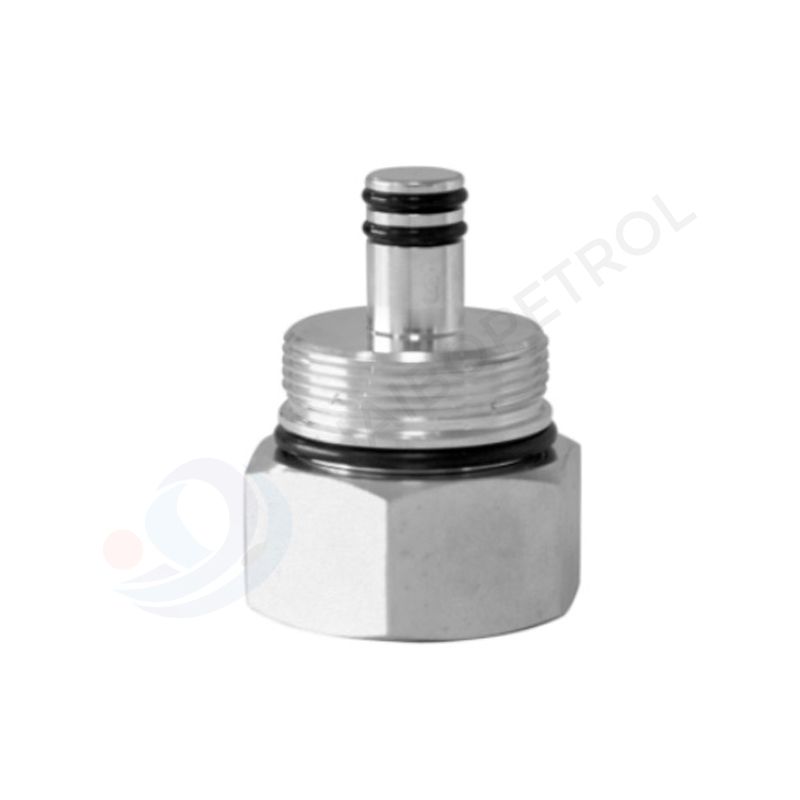
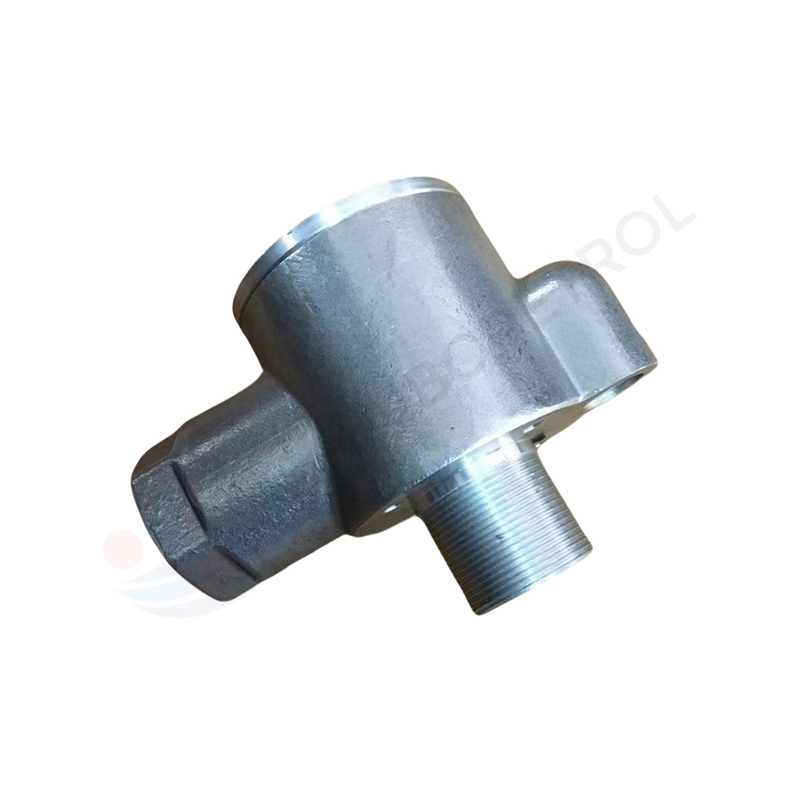
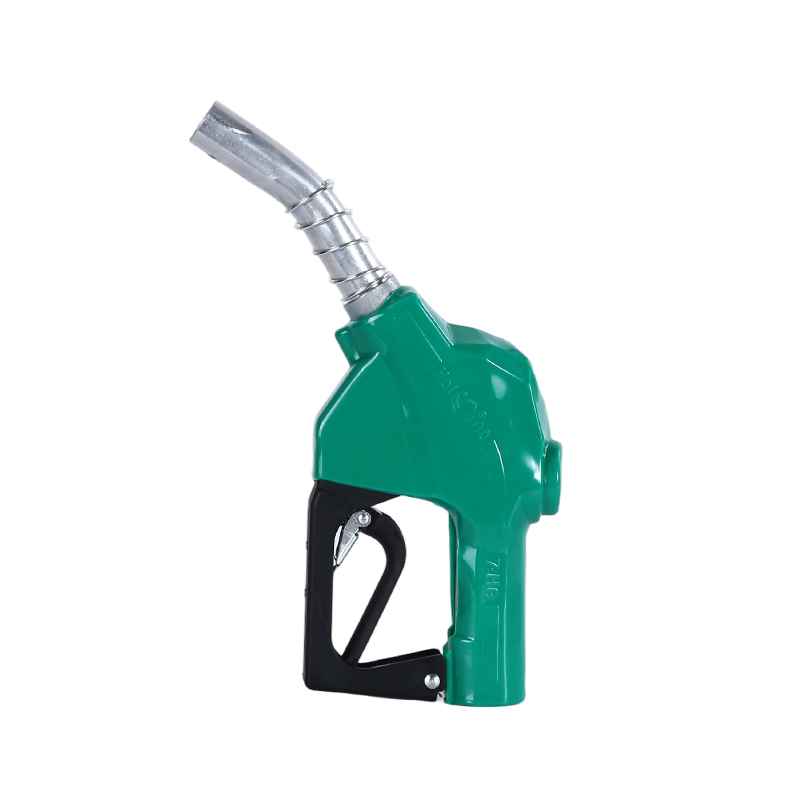
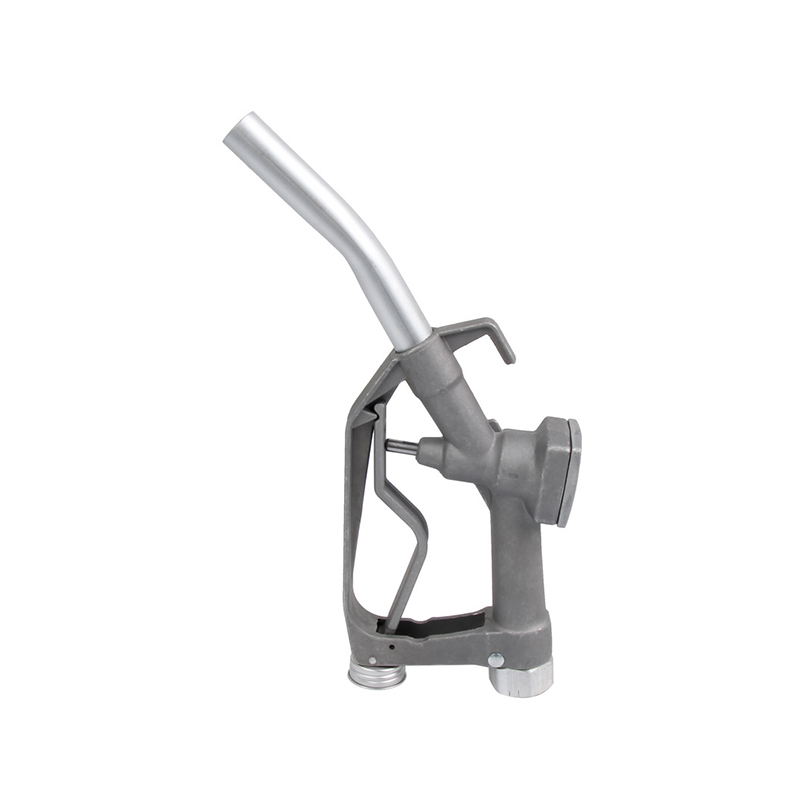
Fueling nozzles are used every day at fuel stations, fleet depots, transport facilities, and other refueling sites. In busy locations, a nozzle may be handled hundreds of times in a single day. Over time, things like flow control, durability, sealing, grip, and ease of maintenance can make a noticeable difference.
For fuel station operators, petroleum equipment distributors, wholesalers, and OEM buyers, choosing Fueling Nozzles is not simply about picking a model with the right flow rate. The nozzle also needs to work properly with the dispenser, fuel type, hose assembly, breakaway device, and the conditions where it will be used.
This article looks at the main features worth checking when sourcing nozzles for high-volume fueling applications.
Why Fueling Nozzles Matter in High-Volume Stations
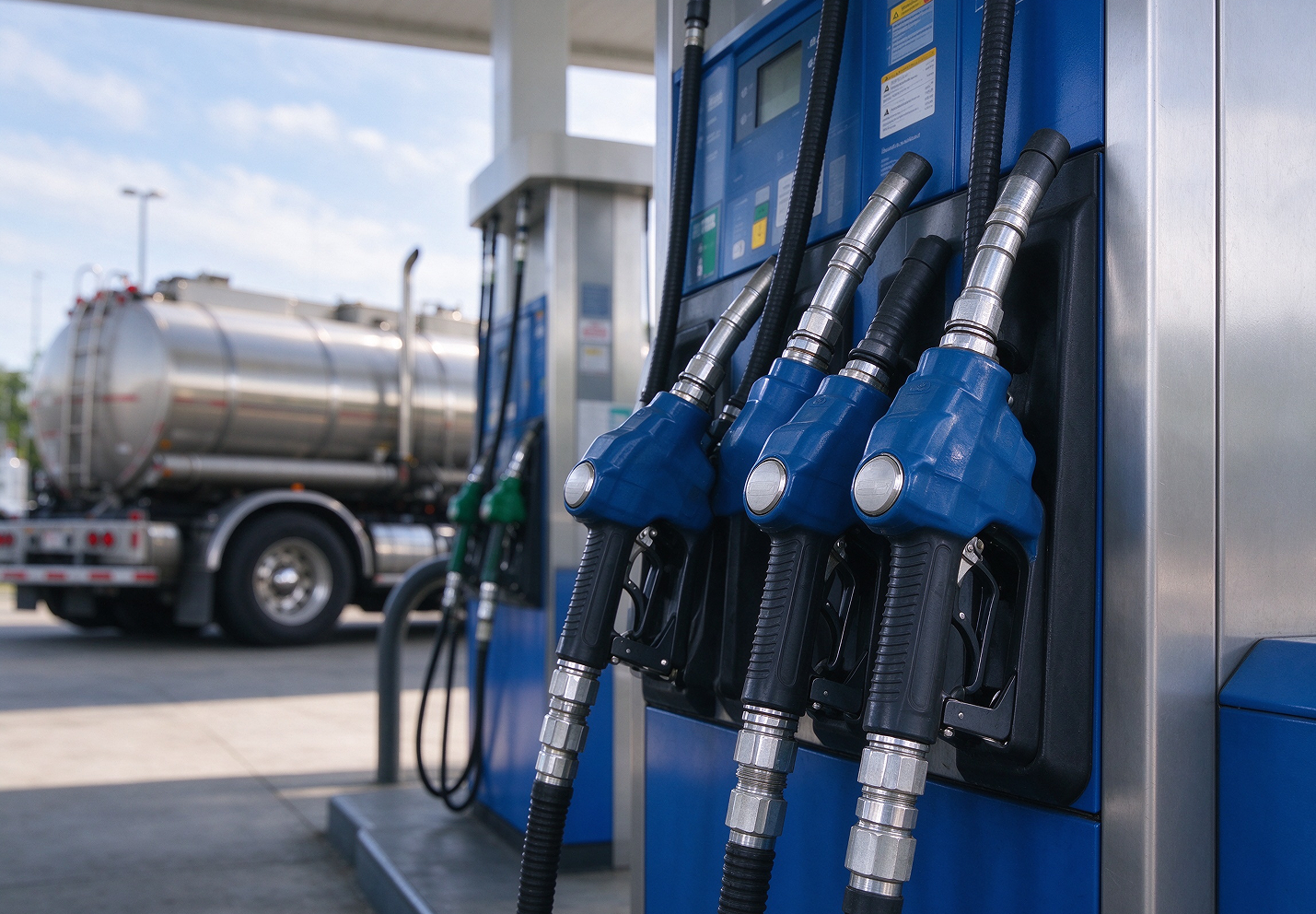
A fueling nozzle is the final point where fuel moves from the dispensing system into a vehicle or container. It needs to control the flow, shut off when required, and handle repeated use without becoming difficult to operate.
At a busy station, the nozzle can experience a lot of everyday wear, including:
- Trigger operation
- Frequent hose movement
- Coupling and decoupling
- Continued contact with fuel
- Accidental drops or impacts
- Outdoor temperature changes
- Regular cleaning and maintenance
That repeated use puts more attention on basic construction and consistent operation.
If a nozzle starts leaking, the trigger becomes stiff, or internal parts begin to fail frequently, maintenance requirements can increase. For operators managing several fueling locations, even relatively small equipment problems can add up across multiple sites.
Flow Rate Should Match the Dispensing System
Flow rate is usually one of the first specifications B2B buyers look at.
High-volume fueling facilities generally need fuel to move efficiently, but the nozzle still has to stay within the working range of the entire dispensing system and the vehicle's fuel inlet.
A higher rated flow rate does not necessarily mean a nozzle will perform better in every application. Actual performance also depends on the pump, hose, piping, filters, valves, pressure, and other parts of the system.
| Application |
Flow-rate consideration |
| Standard passenger vehicle station |
Match the requirements of conventional dispensers |
| Fleet fueling |
Look for stable flow during frequent refueling |
| Commercial vehicle fueling |
A higher flow rate may be needed |
| Truck or transport depot |
Match nozzle capacity with the full system |
| Specialized fuel system |
Check application-specific flow and connection needs |
Before ordering, buyers should compare the nozzle's rated flow with the dispenser specifications and the actual fuel system where it will be installed.
Automatic Shut-Off Is an Important Feature
Automatic shut-off is designed to stop fuel flow when the fuel reaches the sensing point inside the vehicle or container.
It is a basic but important function. A properly working shut-off mechanism can help reduce overfilling and make routine fueling easier to control.
For a high-volume station, the mechanism also needs to remain reliable after many operating cycles.
Buyers may want to ask about:
- Shut-off mechanism design
- Sensitivity
- Trigger response
- Shut-off consistency
- Expected service life
- Maintenance requirements
If the shut-off function becomes inconsistent, it can create inconvenience for operators and may also affect normal fuel-handling procedures.
Trigger Design Affects Operator Comfort
A fueling nozzle can be picked up and operated many times during a workday, so the trigger should not be treated as just another small component.
Predictable trigger movement and reasonable operating force make the nozzle easier to handle. The handle shape, grip size, trigger position, and guard design can all play a role.
This is particularly relevant at fleet facilities, where drivers or fueling personnel may carry out many refueling operations during a shift.
B2B buyers can ask questions such as:
- How much force does the trigger require?
- Is the handle comfortable during repeated use?
- Does the trigger guard allow easy operation?
- Can staff use it comfortably while wearing gloves?
Ergonomics is easy to miss when comparing technical datasheets, but it matters once the product is being used all day.
Handle and Body Construction Influence Durability
The nozzle body protects the internal parts while also forming the main grip area for the operator.
Depending on the design and application, fueling nozzles may use aluminum alloys, engineering plastics, or a combination of different materials.
Some useful points to compare include:
- Mechanical strength
- Fuel compatibility
- Impact resistance
- Overall weight
- Corrosion resistance
- Temperature resistance
A lightweight construction may make repeated handling easier, while a more rugged body may be appropriate for demanding commercial environments.
There is no single material choice for every application. Buyers should consider the fuel, operating frequency, installation environment, and expected handling conditions together.
Fuel Compatibility Must Be Confirmed
One nozzle should not automatically be assumed to work with every type of fuel.
Compatibility can involve the outer body as well as internal parts such as seals, diaphragms, springs, valves, and other components that are exposed to the fuel.
Depending on the project, buyers may need to distinguish between gasoline, diesel, ethanol-containing fuels, and other fuel products.
| Fuel consideration |
What buyers should check |
| Fuel type |
Confirm that the nozzle is suitable for the actual fuel |
| Additives |
Check resistance of seals and other wetted materials |
| Temperature |
Review the stated operating range |
| Exposure frequency |
Consider repeated commercial use |
| Internal materials |
Confirm compatibility of fuel-contacting components |
A general claim that a nozzle is "fuel compatible" does not provide enough technical detail for many procurement projects. It is better to give the manufacturer the exact fuel type and ask for confirmation.
Seals and Internal Components Can Affect Service Life
The sealing system inside a fueling nozzle has an important job: helping prevent fuel leakage during operation.
Seals and moving components are exposed to repeated trigger cycles, pressure changes, temperature shifts, and fuel contact. Naturally, these conditions can affect them over time.
Parts that buyers may need to consider include:
- O-rings
- Valve seats
- Diaphragms
- Springs
- Poppets or valves
- Swivel seals
The material used for these parts should be appropriate for the fuel and operating environment.
For fleet operators and distributors, it is also worth asking whether replacement seals or service kits are available. In some maintenance situations, changing a worn internal component is a practical option instead of replacing the whole nozzle.
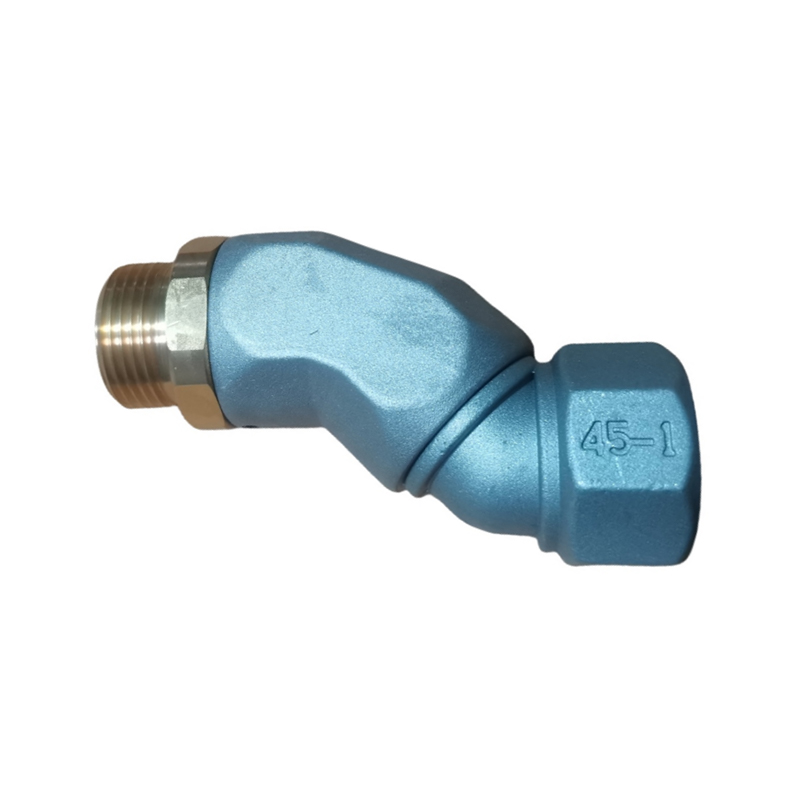
Hose Swivels Can Improve Handling
A swivel connection can help reduce hose twisting while the nozzle is being positioned.
When the hose twists repeatedly, the nozzle can become harder to position, especially at busy fueling locations. The extra movement may also place additional stress on the hose and connection area.
For high-volume applications, buyers may want to review:
- Swivel type
- Rotation range
- Seal construction
- Connection size
- Maintenance requirements
The swivel should match the hose and dispensing equipment used in the system.
A suitable swivel arrangement can make day-to-day fueling more comfortable and reduce unnecessary hose movement.
Breakaway Compatibility Is Also Important
Many fueling systems use breakaway devices that are designed to separate under certain conditions if excessive force is placed on the hose. The purpose is to help limit damage to the dispensing equipment.
The nozzle needs to work with the breakaway and hose arrangement specified for the dispenser.
It is useful to look at the entire connection chain:
Dispenser → hose → breakaway or swivel → nozzle
The components need to match in terms of fuel compatibility, pressure, connection size, and operating conditions.
For busy stations, this should be checked as part of the system design or when replacing existing equipment.
Nozzle Inlet and Connection Size Matter
A nozzle can appear to fit a system and still have the wrong connection dimensions.
Depending on the product, buyers may need to check:
- Inlet connection size
- Thread type
- Coupling configuration
- Hose connection
- Spout dimensions
A mismatch can create installation problems or lead to the use of adapters that were not included in the original system design.
For distributors handling different customer projects, accurate drawings and connection specifications are especially useful. They can save a fair amount of back-and-forth when placing repeat orders.
Spout Design Affects Fueling Applications
The spout is the part inserted into the vehicle's filler neck or fuel inlet, so its dimensions are directly related to application compatibility.
Vehicles and equipment can have different filler-neck designs. Spout diameter, length, angle, and end configuration may therefore need to be considered before ordering.
A nozzle used at a standard passenger vehicle station may need a different configuration from one intended for fleet equipment or specialized vehicles.
For this reason, buyers should identify the main vehicle or equipment types before choosing the spout.
Weight Can Affect User Experience
A nozzle that feels too heavy may become tiring to handle when it is used repeatedly.
Overall weight is affected by the body material, valve construction, handle, spout, and other components.
There is usually some trade-off between different design goals:
| Design priority |
Potential trade-off |
| Lower weight |
Requires careful material and component selection |
| Rugged construction |
May add to overall weight |
| Larger flow passage |
May require larger internal components |
| Compact body |
Can limit the available internal layout |
For commercial fueling sites, it makes sense to look at handling comfort and durability together instead of considering either one in isolation.
Environmental Conditions Should Be Part of the Specification
Fueling nozzles installed outdoors have to deal with changing environmental conditions.
Temperature changes can affect seals and material behavior. Rain, humidity, dust, UV exposure, fuel residue, and cleaning products can also have an impact over time.
B2B buyers should consider factors such as:
- Ambient temperature
- Outdoor exposure
- Humidity
- Dust
- Fuel spills
- Cleaning chemicals
- UV exposure
If the nozzle will remain outdoors and be used continuously, its stated environmental limits should be checked before purchase.
High-Volume Use Makes Maintenance More Important
Busy stations naturally put more operating cycles on a nozzle.
Regular inspection can help operators spot small issues before they turn into larger service problems. The exact maintenance schedule should follow the manufacturer's recommendations and the site's equipment procedures.
Typical checks may include:
- Fuel leakage
- Trigger stiffness
- Damaged handles
- Worn seals
- Loose connections
- Damaged spouts
- Unusual shut-off behavior
- Cracks or visible body damage
For operators with several locations, using a consistent inspection and replacement procedure can also make maintenance planning easier.
What Should B2B Buyers Ask a Fueling Nozzle Manufacturer?
Before committing to a larger order, buyers should request enough technical information to confirm that the nozzle fits the intended system.
| Question |
Why it matters |
| What fuel types are supported? |
Confirms application compatibility |
| What is the rated flow rate? |
Helps match the dispenser |
| What is the working pressure? |
Supports system compatibility |
| How does automatic shut-off work? |
Important for regular operation |
| What materials are used? |
Relates to durability and fuel compatibility |
| What connection sizes are available? |
Helps avoid installation mismatches |
| Are swivel options available? |
Can improve hose handling |
| What spare parts are available? |
Supports ongoing maintenance |
| What testing is performed? |
Gives buyers useful quality information |
| Can the nozzle be customized? |
May be important for OEM projects |
A manufacturer should be able to provide product drawings, technical specifications, and relevant testing information for the model being considered.
Customization Can Support Different Fueling Systems
Standard nozzles work for many applications, but OEM manufacturers and specialized distributors may have requirements that do not fit a standard configuration.
Depending on the project, customization may involve:
- Spout dimensions
- Handle design
- Connection size
- Trigger configuration
- Body color
- Branding
- Packaging
- Specific internal components
For a custom order, it helps to provide the manufacturer with details about the dispenser, hose, fuel, required flow rate, target vehicles, and installation environment.
If the design is significantly different from a standard product, prototype testing before larger production can help identify fit or operating issues early.
Quality Control Matters for High-Volume Applications
For a high-volume fueling operation, consistency between individual nozzles is important.
When multiple units are installed across different stations, stable dimensions and operating characteristics make maintenance and replacement easier. Technicians should not have to deal with noticeable differences between units that are supposed to follow the same specification.
Depending on the product design, factory quality checks may include:
- Dimensional inspection
- Pressure testing
- Leak testing
- Shut-off function testing
- Trigger operation
- Connection inspection
- Material verification
- Appearance inspection
The actual testing program should match the nozzle design and the product specification agreed upon by the buyer and manufacturer.
How to Compare Fueling Nozzles for Commercial Use
When comparing several suppliers, a simple checklist can help keep the evaluation focused on the actual application.
| Factor |
What to compare |
| Flow rate |
Suitable for the intended dispensing system |
| Fuel compatibility |
Matches the actual fuel |
| Shut-off |
Consistent automatic operation |
| Ergonomics |
Comfortable for repeated handling |
| Materials |
Suitable for fuel and environment |
| Connections |
Match the hose and dispenser |
| Spout |
Fits the intended vehicle applications |
| Durability |
Suitable for expected usage frequency |
| Serviceability |
Replacement parts are available |
| Customization |
Can accommodate special requirements |
This type of comparison also helps buyers avoid making the purchase decision based mainly on unit price.
Choosing Fueling Nozzles for High-Volume Fuel Stations
For high-volume fueling stations, nozzle selection should be considered as part of the complete dispensing system.
Flow rate, automatic shut-off, fuel compatibility, trigger design, body construction, seals, swivels, connections, and spout configuration all have a role in everyday operation. When a nozzle is used repeatedly throughout the day, durability and access to service parts become even more relevant.
Before contacting suppliers, B2B buyers can define the fuel type, dispenser specifications, expected usage level, target vehicles, and environmental conditions. Having these details ready makes it easier to compare suitable models and discuss customization if needed.
A Fueling Nozzles manufacturer should be able to provide clear specifications, application information, quality-control details, and customization options for OEM or commercial projects.
When the nozzle is properly matched to the dispensing system and maintained according to the manufacturer's instructions, it can provide consistent operation across busy fueling locations.

 Oil & Gas Refueling Equipment
 English
 中文简体
中文简体
 Español