 English
 中文简体
中文简体
 Español
Fuel distribution is often described as a simple movement from one place to another. Fuel leaves a storage area and eventually reaches the point where it is needed. Yet the actual process involves mu...
READ MORE
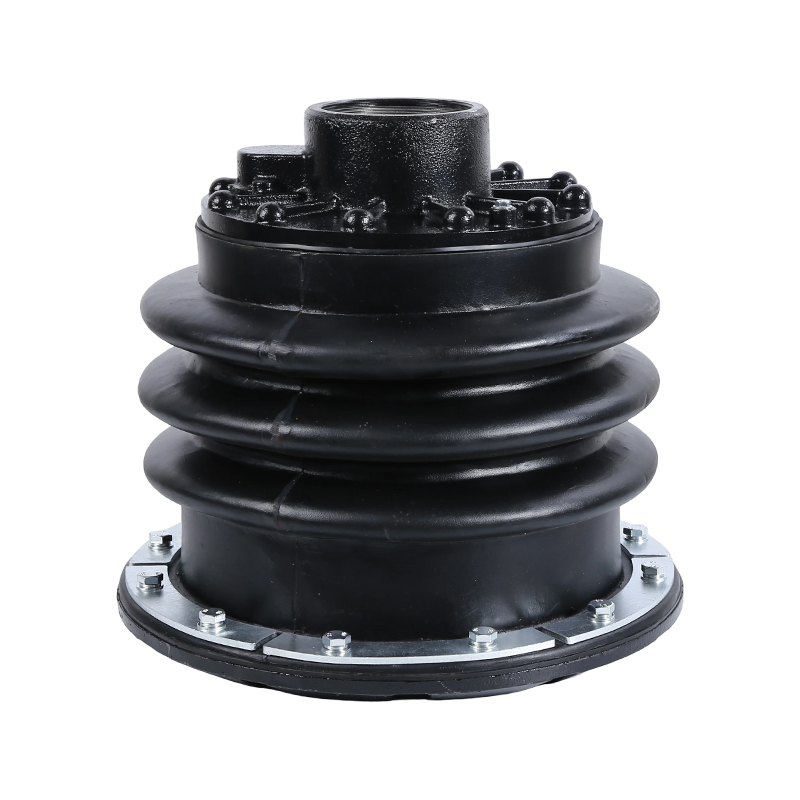


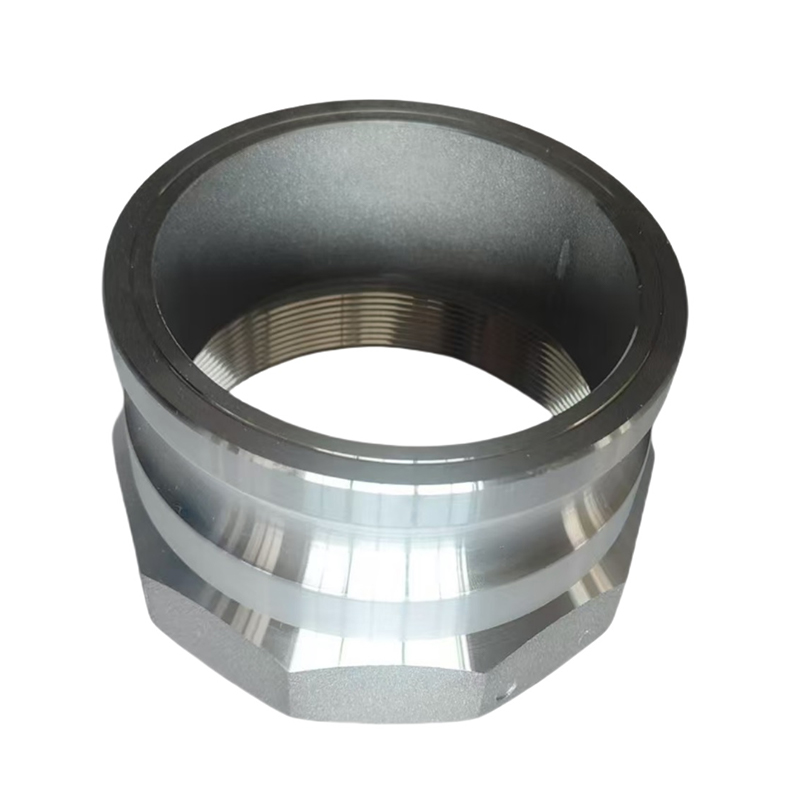
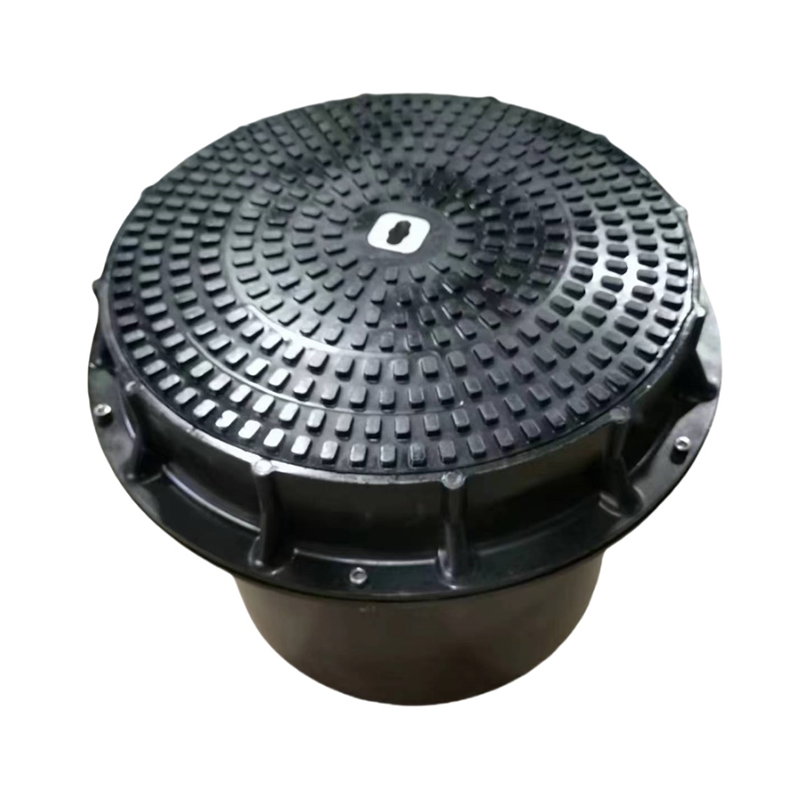
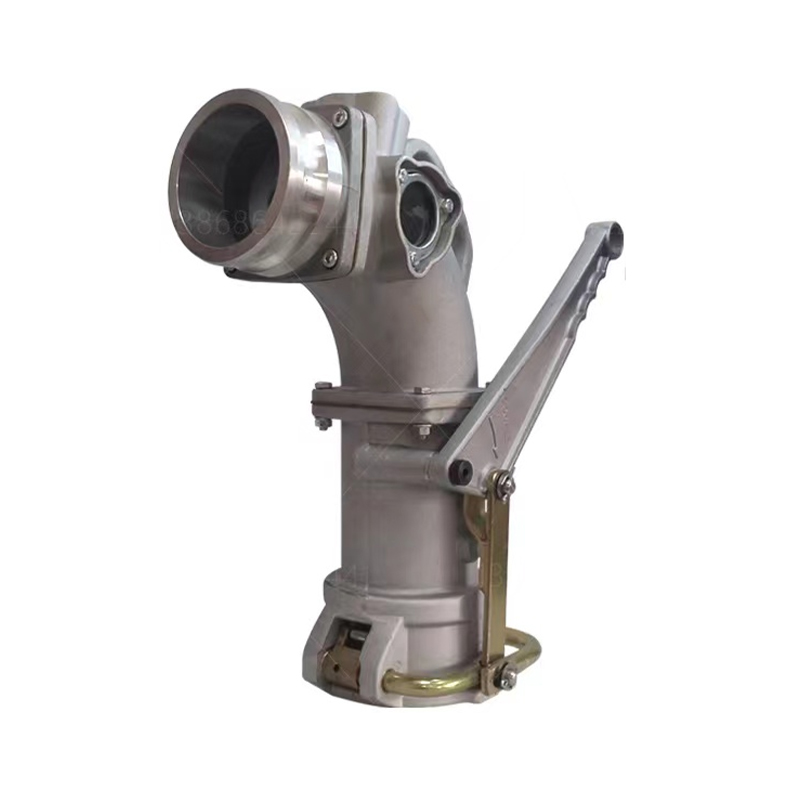
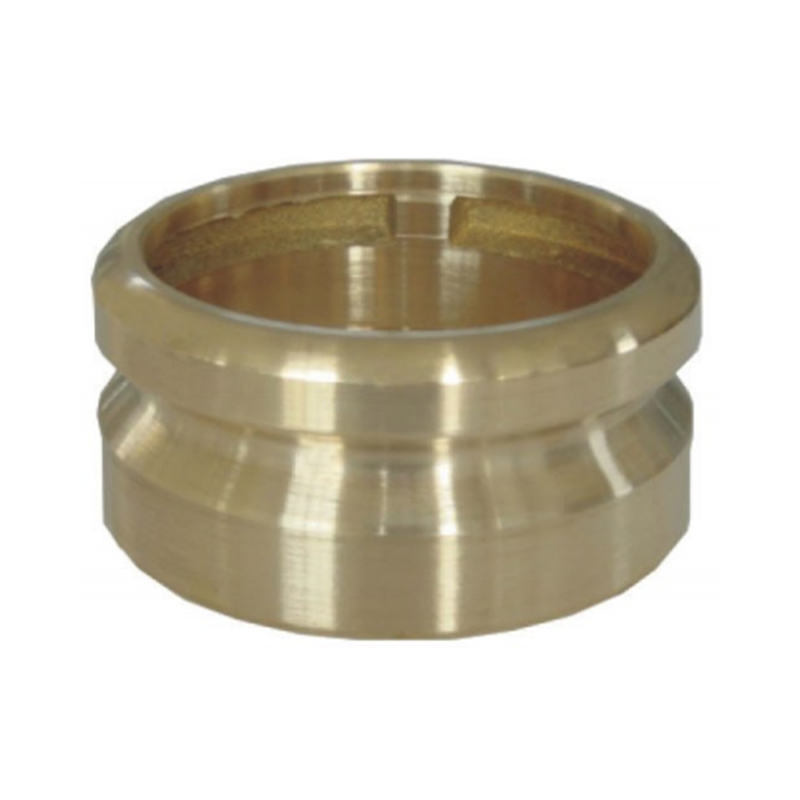
Spill containers and delivery elbows are essential safety and operational components in fuel stations and underground storage tank (UST) facilities. These products are designed to prevent fuel spillage, protect the environment, and ensure reliable connections between fueling equipment and storage tanks or hoses. Leading global manufacturers provide durable solutions that help operators comply with safety regulations while maintaining efficient fueling operations.
Role of Spill Containers & Delivery Elbows in Fuel Systems
Spill Containers
Spill containers are typically installed around fueling nozzles or drop pipes to capture unintended fuel overflows. By collecting spilled fuel, they prevent contamination of soil or water and reduce cleanup costs and environmental hazards. Spill containment is a key measure for compliance with federal, state, and local environmental regulations.
Delivery Elbows
Delivery elbows (also called fuel transfer or dispensing elbows) are specialized fittings that connect fuel hoses to spill containers, fueling points, or piping systems. They ensure safe fuel transfer, minimize leakage or spillage, provide ergonomic handling, and maintain precise alignment with tanks or fueling equipment. Delivery elbows are compatible with various fuel types and are designed to withstand frequent connection and disconnection.
Key Components & Functions
1. Spill Containers
Spill containers provide physical containment of fuel spills and typically offer:
Spill Capture: Collects accidental fuel overflows during loading or dispensing.
Environmental Protection: Prevents fuel from contaminating soil or groundwater.
Recovery & Return: Equipped with drainage or pump systems to safely return collected fuel to storage tanks.
Durable Covers: Features crush-resistant lids to withstand traffic, while preventing rain or debris entry.
Flexible Installation: Options for surface-mounted or underground installation to suit different site requirements.
Spill containers are often made from single-wall or double-wall construction, using corrosion-resistant materials (e.g., polyethylene with cast iron or composite covers), with optional electronic or visual monitoring for operational compliance.
2. Delivery Elbows
Delivery elbows are precision fittings that provide secure connections between hoses and spill containers, fueling points, or pipelines. Key functions include:
Safe Fuel Transfer: Ensures stable connection and minimizes leakage.
Ergonomic Design: Easy to connect and disconnect, often with quick-release or swivel mechanisms.
Compatibility: Fits standard fueling interfaces (e.g., 4-inch clamps, NPT, BSPT) and supports multiple fuel grades.
Durable Materials: Made from aluminum, stainless steel, or corrosion-resistant alloys to withstand frequent use and harsh conditions.
Delivery elbows are widely used in retail fueling stations and commercial refueling facilities, providing safe, fast, and reliable fuel delivery.
Leading Manufacturers & Product Highlights
Spill Containers
Franklin Fueling / EBW Series: Flexible containment solutions, single-wall design, easy maintenance, surface or underground installation, integrated drainage for fuel recovery.
OPW Spill Containers: Installed around fueling points and vapor recovery ports, preventing soil and groundwater contamination, with durable covers and optional manual pumps.
Morbros / Gespasa: Commercial-grade spill containers, easy to install and maintain; some models feature steel lids for outdoor operations.
Delivery Elbows
Tops / Westech Elbows: Flexible designs suitable for forecourt fuel transfer systems.
Kalymnos Delivery Elbows: Precision-engineered fittings for secure tank connections.
Dixon Single-Point Coaxial Elbows: High-quality elbows supporting vapor recovery and efficient fuel transfer.
These manufacturers ensure delivery elbows provide safe, quick, and stable hose connections in daily fueling operations.
Applications
Retail fuel stations and convenience store forecourts
Fleet refueling terminals and commercial fueling facilities
Underground and aboveground storage tank systems
Fuel transfer operations from tank trucks
Environments requiring spill prevention and environmental protection
These products help operators prevent spills, protect personnel and equipment, and reduce environmental risks.
Key Advantages
Safety & Compliance: Captures spilled fuel and prevents soil and groundwater contamination.
Durability & Reliability: Corrosion-resistant materials suitable for long-term, high-frequency use.
Flexible Installation: Supports surface or underground configurations.
Easy Maintenance: Integrated drainage or pump systems for simple cleanup and fuel return.
Stable Connections: Delivery elbows ensure secure, safe fuel hose connections.

Fuel distribution is often described as a simple movement from one place to another. Fuel leaves a storage area and eventually reaches the point where it is needed. Yet the actual process involves mu...
READ MOREA dispensing system may look simple from the outside. A container holds a material. A tube carries it forward. A valve controls the flow. A nozzle places the material where it needs to go. Inside tha...
READ MOREA tank truck is easy to recognize, but its construction is more involved than the large metal tank visible from the road. Beneath the outer shell is a coordinated system designed to contain cargo, sup...
READ MOREFuel storage and handling involve more than moving liquid fuel from one place to another. Fuel can also release vapors during storage, loading, unloading, and transfer. These vapors can affect how a f...
READ MOREVehicle refueling is a familiar activity. A driver parks at a fuel station, selects the required fuel, starts the pump, and waits for the tank to fill. Although the process appears simple, fuel handli...
READ MOREWhy is vapor recovery important in fuel handling? Pump gas into your car, and you're actually part of a much bigger vapor management story happening around you. Every time fuel moves — whether it's a ...
READ MOREIndustrial storage is rarely a one-size-fits-all situation. Materials behave differently from each other, environments swing between extremes, and operating conditions rarely stay perfectly stable for...
READ MORE
Quick Links
Product Categories
Contact Us
+86-13989700818 (Whatsapp)
+86-13695828855
No. 3, Xinbin Road, Yangwan Industrial Zone, Qiaoxia Town, Yongjia County, Wenzhou City, Zhejiang Province
Get in Touch
 Custom-Designed Spill Protection Systems for Industrial Use