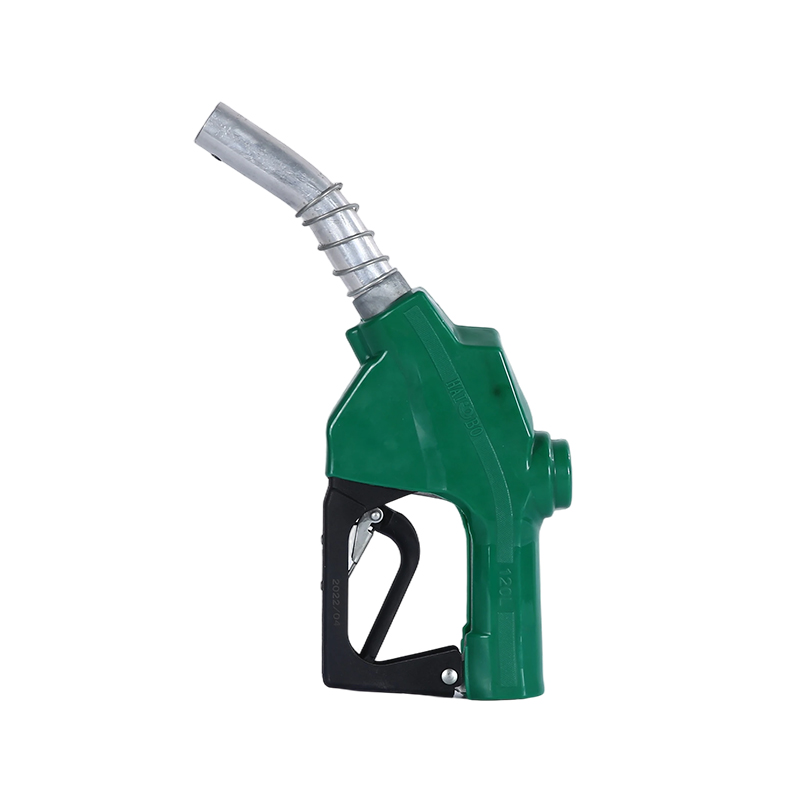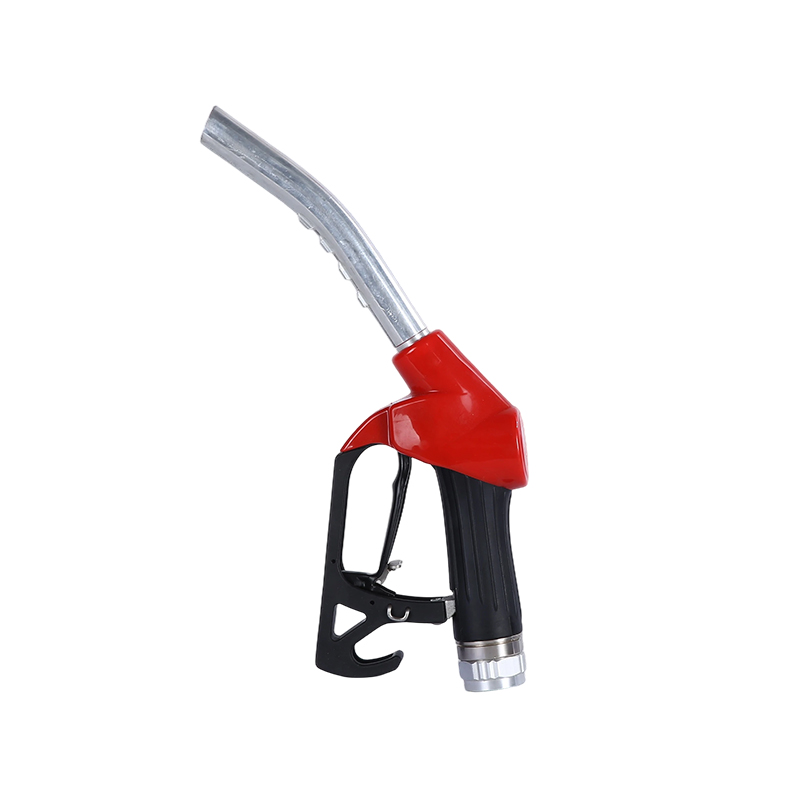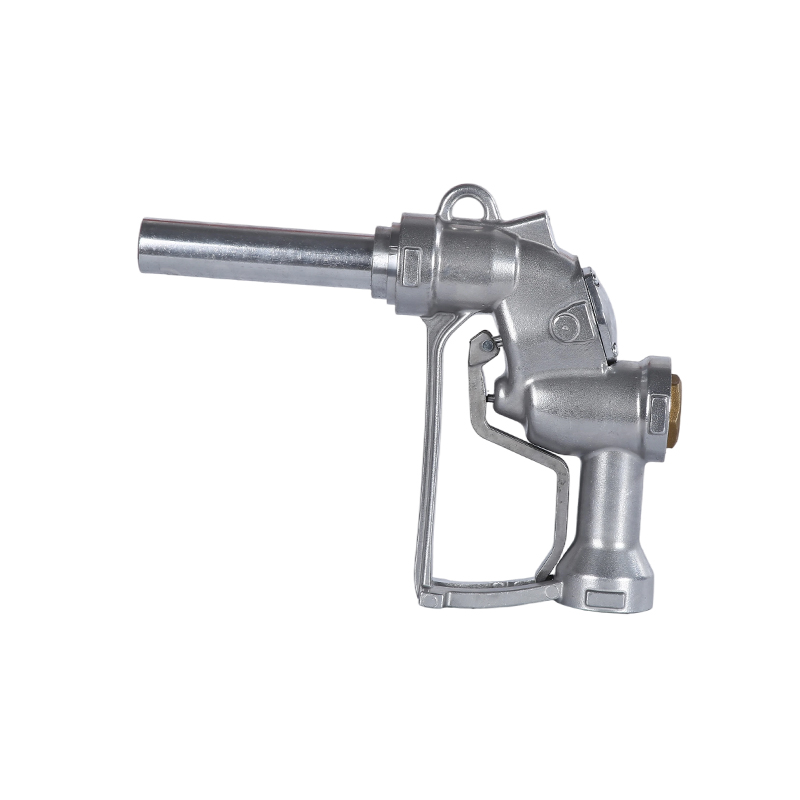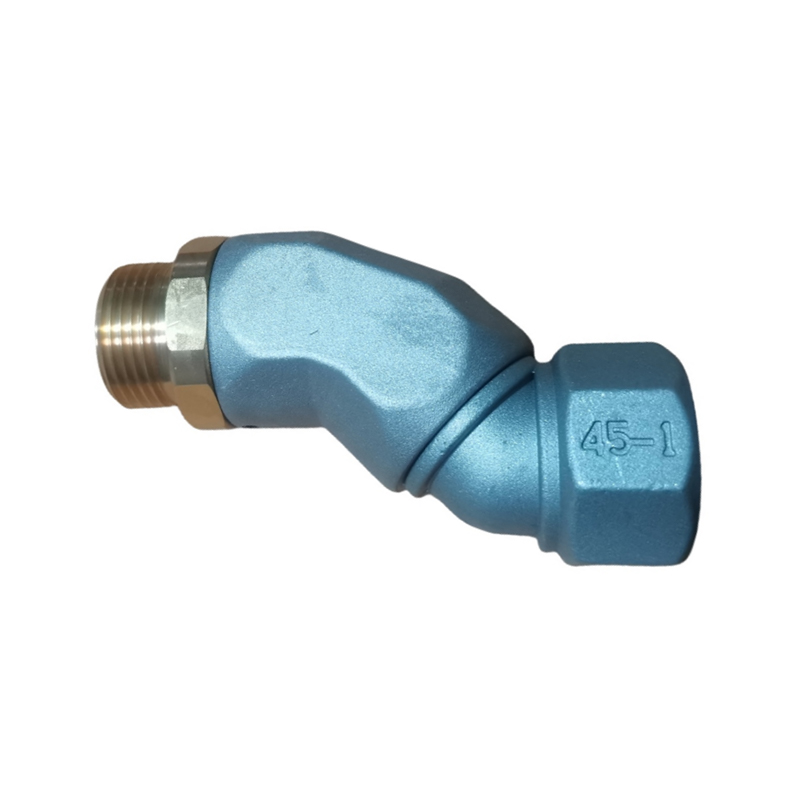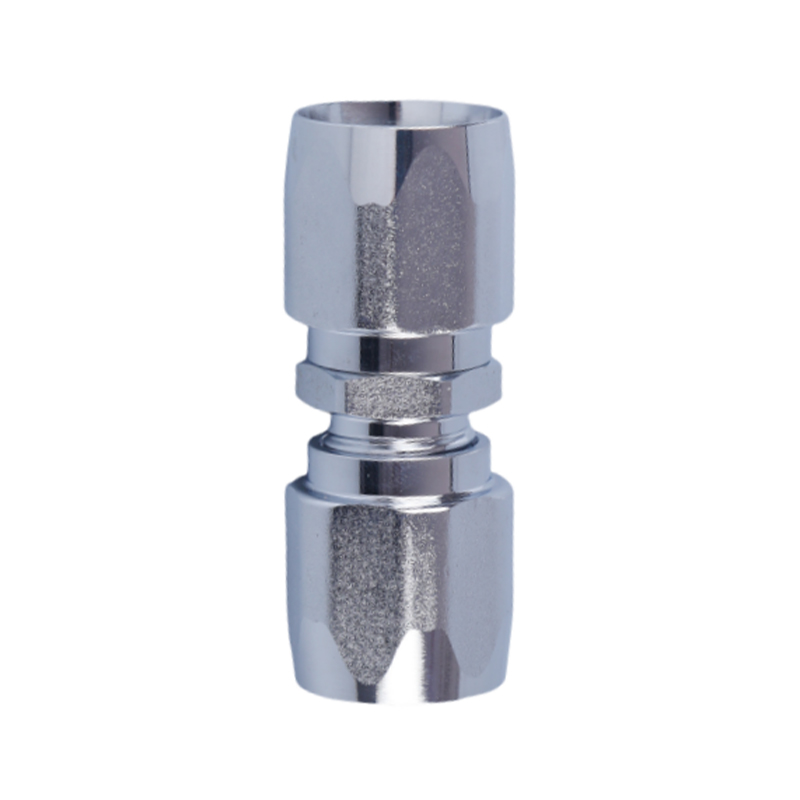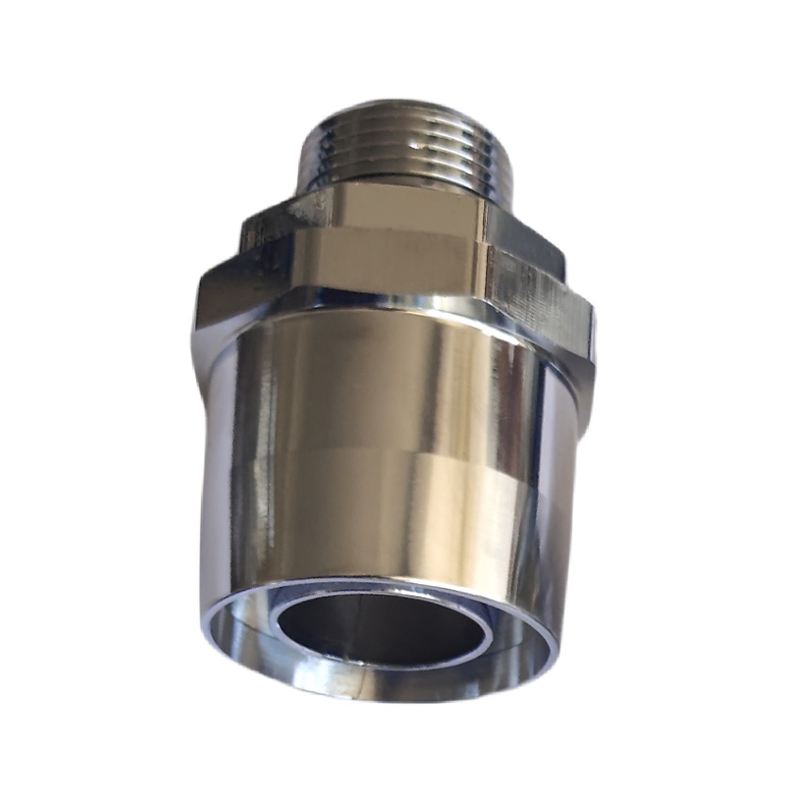
Auto Fuel Nozzle take a lot of abuse day to day: constant handling, fuel exposure, friction, temperature swings, and the occasional drop. For station operators, fleet managers, and manufacturers, material choice directly impacts wear rate, maintenance costs, and overall reliability. Every part serves a different function: the spout resists corrosion, the housing stands up to rough handling, and seals stop leaks. No single material does all jobs well, and durability depends just as much on how well materials work together as it does on any single component. Material selection also shifts based on fuel type, operating conditions, design, and build quality.
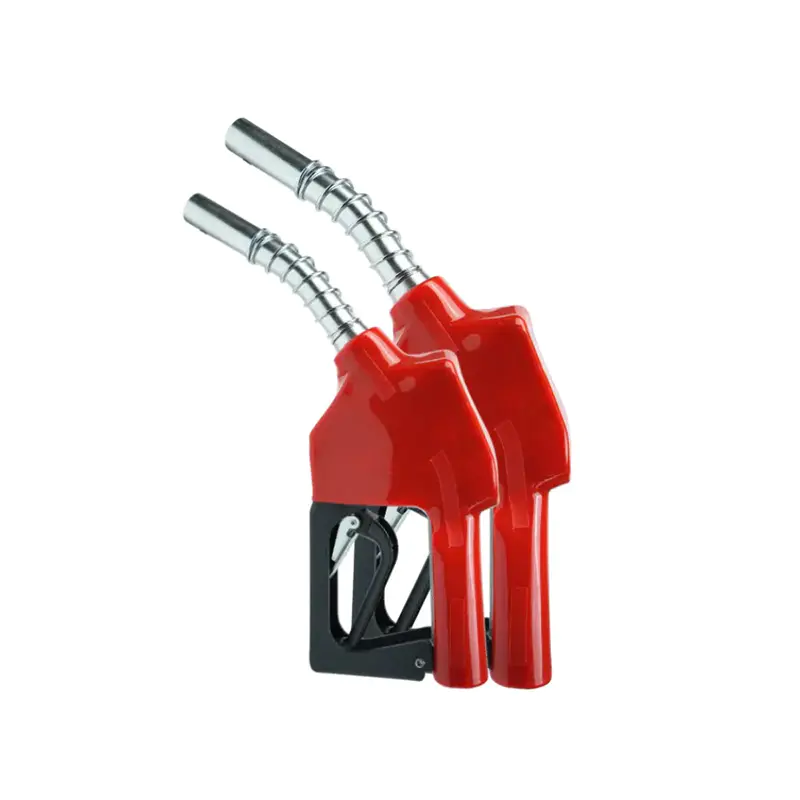
Aluminum alloys are a common pick for nozzle housings, as they strike a practical balance of light weight, strength, and corrosion resistance. At busy stations, lighter housings are easier on staff and customers through repeated daily use. Aluminum also casts and machines well, so it can be shaped to fit valves, springs, and other internal hardware. Performance varies by alloy grade, surface finish, and manufacturing quality. Some lower grades scuff or dent fairly easily, but a suitable protective coating can go a long way toward extending surface life. Manufacturers should balance strength, corrosion resistance, dimensional stability, and component fit. The housing has to hold its shape over time; poor fit around moving parts can throw off operation.
The spout sits in constant contact with fuel and rubs against filler necks with every use. It has to retain its shape and fight corrosion through thousands of refuels. Stainless steel is the standard choice here, offering solid strength and inherent corrosion resistance. Its chromium content forms a thin protective surface layer, though real-world performance depends on grade, fuel composition, moisture, surface condition, and general upkeep. It holds up well to routine abrasion, but it does add weight and cost compared to lighter alternatives. Selection should account for fuel type, wall thickness, fabrication methods, and product requirements. Even with a corrosion-resistant grade, surface defects or shoddy fabrication can create early failure points.
Plastic parts cut down on weight, shape the grip, and shield internal mechanisms, but not all plastics hold up in fuel environments. Glass-fiber-reinforced polyamide is a popular pick for its mix of strength, stiffness, and impact resistance. Performance depends on resin grade, fiber content, part geometry, and molding quality. Plenty of plastics swell, soften, crack, or lose strength after long contact with certain fuels or additives. Any polymer used here should be tested against the intended fuel, temperature range, UV exposure, moisture, and repeated stress. A well-suited grade gives designers room to work with; a poor match will fail early and drive up replacement costs. Designers should keep an eye on high-stress areas like screw holes, clips, and thin sections—those are where cracks usually start.
Seals are what prevent leaks. A damaged or mismatched seal can cause all kinds of issues, even if the housing and spout are still in great shape. Nitrile rubber (NBR) and fluorocarbon rubber (FKM) are the two most common options; suitability depends on fuel, temperature, and sealing demands.
| Material | Key characteristics | Main consideration |
|---|---|---|
| Nitrile rubber (NBR) | Good oil and fuel resistance in properly formulated grades | Compatibility varies with fuel blends and additives |
| Fluorocarbon rubber (FKM) | Good chemical and temperature resistance across many use cases | Higher cost; compound must match the specific fuel |
| EPDM rubber | Good weathering resistance in select environments | Generally not recommended for most petroleum fuel seals |
These are just rough guidelines, though. Always confirm compatibility with the exact fuel and additive package. Seal shape and compression matter just as much as the material itself when it comes to stopping leaks. Seal life also depends on compression level, installation quality, surface finish, and valve movement. Regular inspection and replacement of worn seals is a must.
Surface treatments add an extra layer of protection against corrosion, abrasion, and weathering. Options include anodizing, plating, and various compatible coatings. Anodizing is a common way to harden aluminum surfaces and boost corrosion resistance, but results vary a lot based on the alloy, coating thickness, and how tightly the process is controlled. Spouts may get their own specialized finishing too. Any treatment has to hold up to fuel exposure, preserve dimensional tolerances, work on sealing surfaces, and maintain required electrical continuity. A bad coating will just peel or wear through quickly. Check adhesion, chemical compatibility, and durability under realistic conditions. Coatings can’t fix a base material that’s fundamentally wrong for the job. Thick coatings can also mess with assembly tolerances or interfere with moving parts.
Retail station nozzles see constant handling, occasional drops, and all kinds of weather; fleet equipment may run longer hours or use specialized fuels. Material choices should line up with actual use conditions. For outdoor pumps, think about whether parts are sheltered or out in the elements year-round.
| Operating condition | Material consideration | What to evaluate |
|---|---|---|
| Frequent handling | Lightweight housing materials | Balance of strength, grip feel, and impact resistance |
| Regular fuel contact | Matched stainless steel and seal materials | Corrosion and chemical compatibility |
| Outdoor exposure | Weather-resistant materials and coatings | Resistance to UV, moisture, and temperature swings |
| Repeated valve operation | Durable seals and internal components | Resistance to wear, compression set, and fatigue |
| Specialized fuels | Compatible materials across the full assembly | Testing and compliance with relevant standards |
You have to look at all these factors together. A corrosion-resistant spout won’t save you from leaks if the seal material is wrong, and a lightweight housing still needs enough strength to take a drop. Be clear early on whether the nozzle will handle gasoline, diesel, or something else. Fuel blends affect metals, plastics, and rubbers in different ways, so catching issues early can save you from redesigns later.
Picking materials based on spec sheets only gets you so far. You can’t tell how a nozzle will hold up after thousands of uses just by looking at a new one. Testing is non-negotiable. Useful checks include:
Testing should match the real application and any relevant regulations. If you change a material, double-check it against all certification and design requirements. Test results should be measured against clear pass/fail criteria, not just judged by eye. Keep good records of material grades, production batches, and inspection results. Traceability makes it much easier to look into defects and keep quality consistent.
At the end of the day, nozzle durability is about how all the materials work as a system. Aluminum keeps housings light, stainless steel fights corrosion on spouts, engineering plastics shape comfortable handles, and matched elastomers keep everything sealed. The right combination depends on fuel type, working conditions, usage level, and overall design. Cost matters, but it should be weighed against maintenance needs, production consistency, and expected service life. Both manufacturers and buyers should confirm fuel compatibility, assess mechanical performance, and test finished products. That’s how you cut down on early wear and make sure nozzles work reliably for the long haul.
Quick Links
Product Categories
Contact Us
+86-13695828855
+86-15988773632 -abner lee
+86-13989700818 -Friendship Ge
No. 3, Xinbin Road, Yangwan Industrial Zone, Qiaoxia Town, Yongjia County, Wenzhou City, Zhejiang Province
Get in Touch
 Oil & Gas Refueling Equipment
 English
 中文简体
 Español