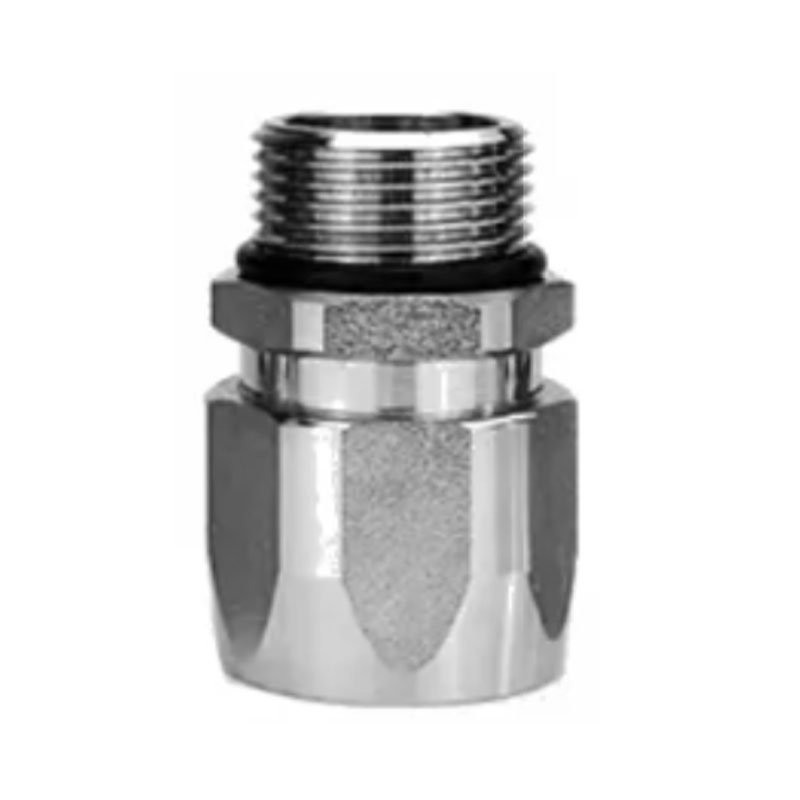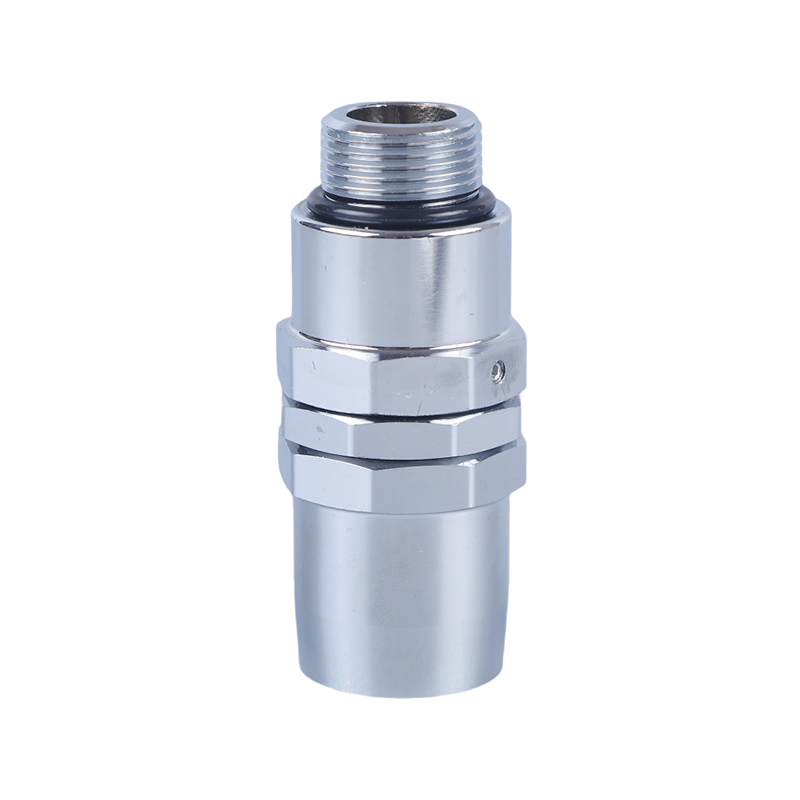
A fuel tank bottom valve does the unglamorous work — controlling discharge, draining, transfer. It sits at the bottom of the tank, which is about the worst seat in the house: sediment, water, corrosive junk, and constant contact with whatever's stored. Over time that takes a toll on seals, internals, and how the valve behaves when someone actually turns it.
So when a valve starts weeping, gets stiff to operate, or won't seat fully, somebody has to decide: fix it or swap it. Repairs look cheaper on paper. But a valve that keeps failing costs downtime, fuel, and — in a fuel system — a certain amount of peace of mind.
Knowing the warning signs, where repair runs out of road, and what the thing really costs over time, that's what makes the call easier.
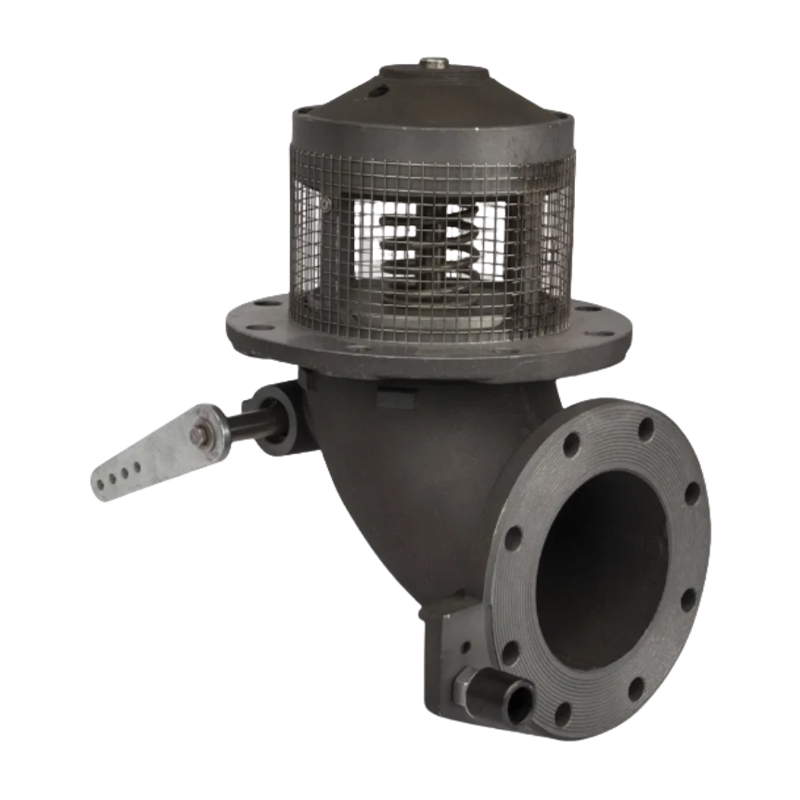
Repair makes sense when the trouble is confined to a part you can swap, and the body itself is still sound. A qualified technician should pin down the actual cause and work to the manufacturer's procedure — not eyeball it.
Things that usually respond to repair: tired seals, packing that's given up, a bent or broken handle, minor actuator hiccups. A compatible seal kit can sort out leakage, so long as the sealing surfaces are still in decent shape. Sometimes it's just grit — a clean-out brings the valve back, assuming the maker allows it.
But cheaper isn't a reason on its own. The repaired assembly has to meet the operating and shutoff specs it was built to. If it still leaks, or still fights you, that's a signal to dig further rather than try again.
Cracks, deep pitting, deformation, noticeable material loss — any of these undercut the integrity of the body. Damage around threads, flanges, or other pressure-containing parts deserves extra attention.
If you can't verify the structure is sound, replacement is the safer call. Welding it up or improvising a fix tends to create new hazards rather than remove the old one.
Leakage that survives an approved seal change usually means something deeper: a damaged seat, worn internals, sealing surfaces that are no longer true.
Swapping seals again and again without finding the root cause just burns budget while the original fault sits there. Chase it down before the equipment goes back in service.
A valve that sticks, needs real muscle, or won't fully close is telling you about internal wear, corrosion, or mechanical damage.
Dependable shutoff matters a great deal in fuel storage. If approved maintenance can't get that back, replacing the valve is the way to keep the risk of an uncontrolled release down.
Stripped threads, compromised connections, parts worn past their limits — at some point repair stops being practical. Replacement is also the sensible route when spares aren't available, or the valve no longer fits what the system needs.
| Condition | Repair may be suitable when | Replacement is preferable when |
|---|---|---|
| Seal leakage | Seals are replaceable, surfaces still sound | Leakage persists after approved repair |
| Corrosion | Damage is superficial, within limits | Deep pitting or structural damage |
| Difficult operation | Maintenance sorts it out | Valve can't close or operate reliably |
| Damaged connections | An approved part restores integrity | Body or connections beyond repair |
| Spare parts | Compatible parts available | Critical components unavailable |
| Repeated failures | Repair can restore reliable service | Downtime and upkeep are excessive |
Cost comparisons need the full picture: labour, parts, isolating the equipment, removing fuel, inspection, testing, and — often the expensive bit — downtime. A new valve costs more up front, but when the old one has failed repeatedly, it tends to work out better over time.
Working on a fuel tank valve needs planning. Stored fuel can be flammable, unpleasant to be around, or bad for the environment, sometimes all three.
Before anyone starts, qualified personnel follow the site's isolation and permit procedures. Depending on the setup, that means isolating connected equipment, depressurizing, dealing with residual fuel, controlling ignition sources, and confirming conditions are actually safe.
And here's the thing: shutting one valve doesn't make the tank safe to open. If there's an active leak, use the site's emergency procedures and keep people clear.
Once the work is done, run the required inspections, leak tests, and functional checks before the system goes back online — per the manufacturer's instructions and site rules.
When specifying a replacement, confirm material, connection dimensions, pressure and temperature ratings, flow capacity, sealing materials, and actuation method.
Compatibility with the stored fuel is non-negotiable. Ask for the technical specs and check the valve genuinely suits the tank layout and the conditions it will see.
It's also worth weighing corrosion resistance, how easy it is to service, whether spares exist, and what the supplier is like to deal with. Keeping records of inspections, repairs, and past failures helps spot patterns and plan maintenance with fewer surprises.
Repair is the right answer when the defect is contained, approved spares exist, and the valve can be brought back to spec. Heavy corrosion, structural damage, leakage that won't quit, shutoff you can't trust — those push toward full replacement.
Weigh the valve's condition, safety requirements, maintenance history, and what it all costs to run. Do that and the decisions get easier: less unplanned downtime, fuel handling that behaves.
Quick Links
Product Categories
Contact Us
+86-13695828855
+86-15988773632 -abner lee
+86-13989700818 -Friendship Ge
No. 3, Xinbin Road, Yangwan Industrial Zone, Qiaoxia Town, Yongjia County, Wenzhou City, Zhejiang Province
Get in Touch
 Oil & Gas Refueling Equipment
 English
 中文简体
 Español