 English
 中文简体
中文简体
 Español
A fuel tank bottom valve does the unglamorous work — controlling discharge, draining, transfer. It sits at the bottom of the tank, which is about the worst seat in the house: sediment, water, corrosiv...
READ MORE
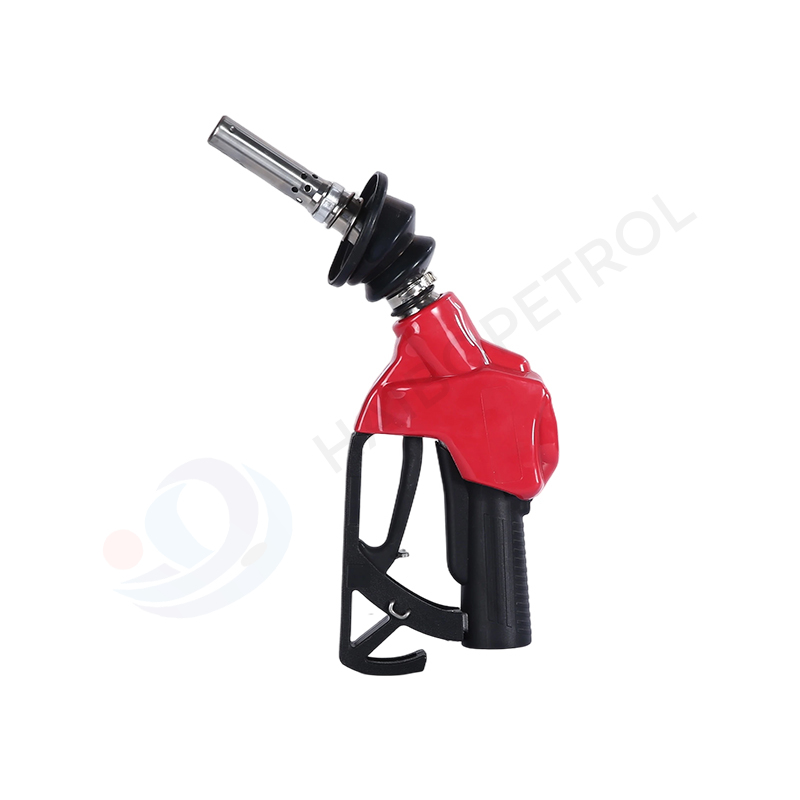


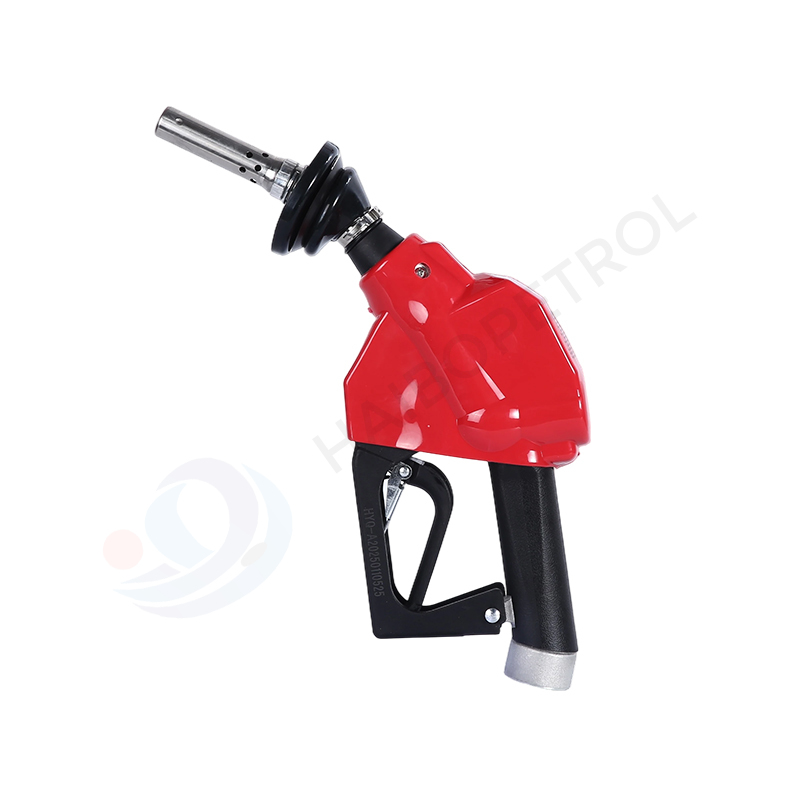
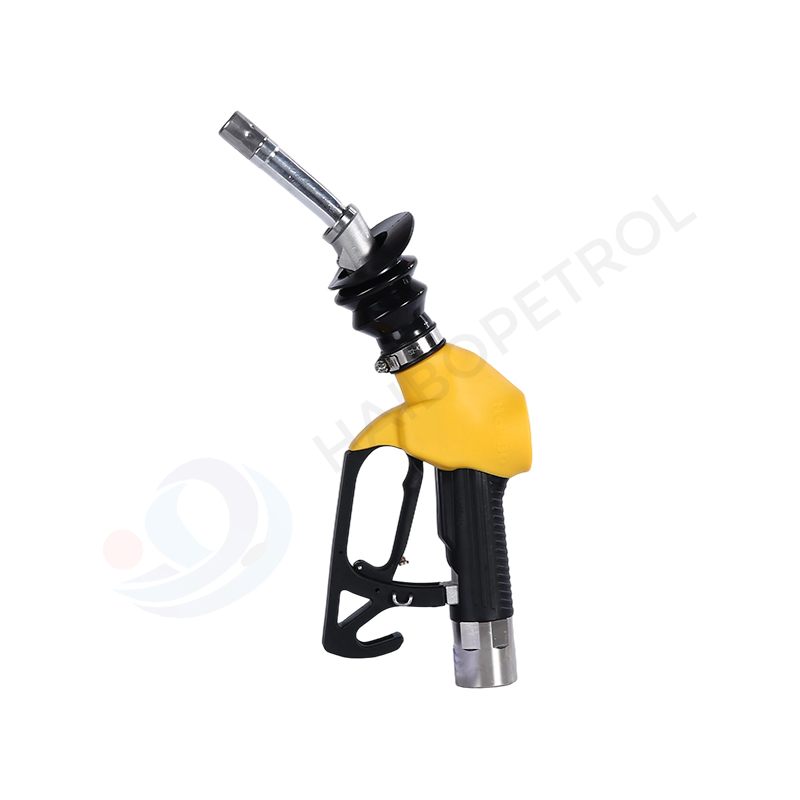
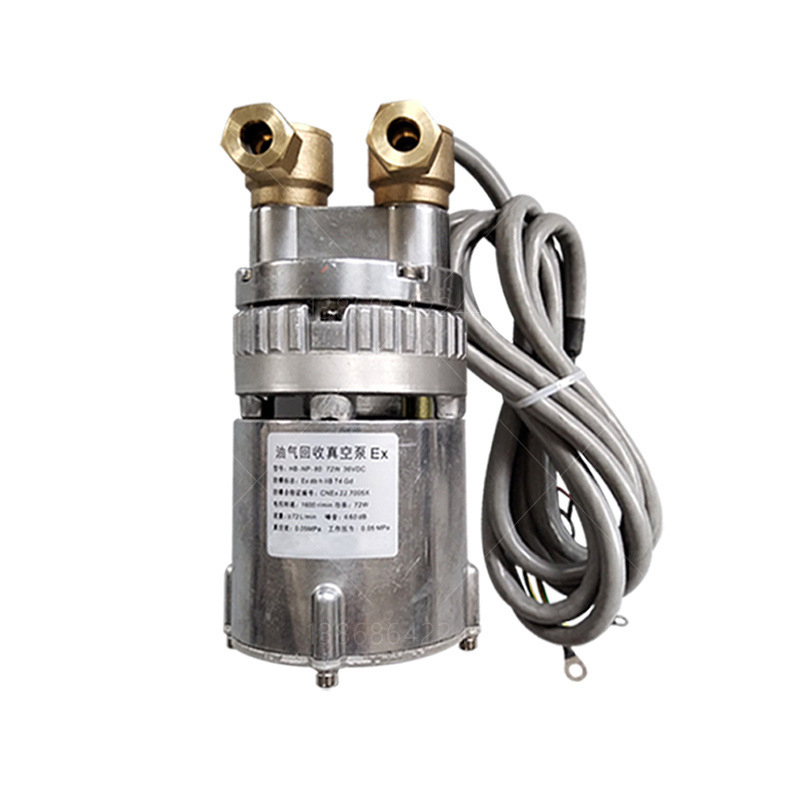
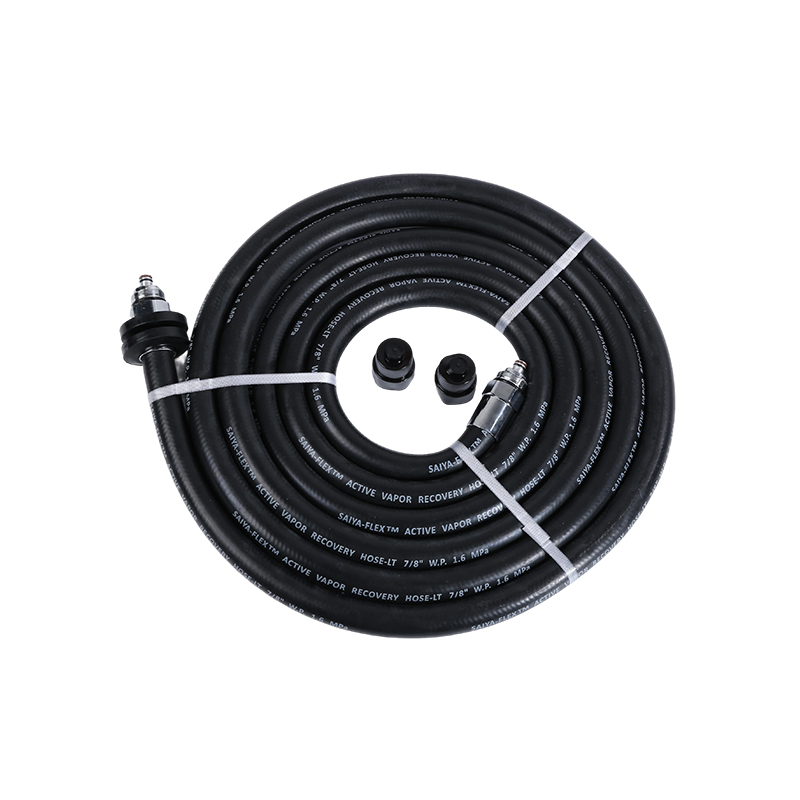
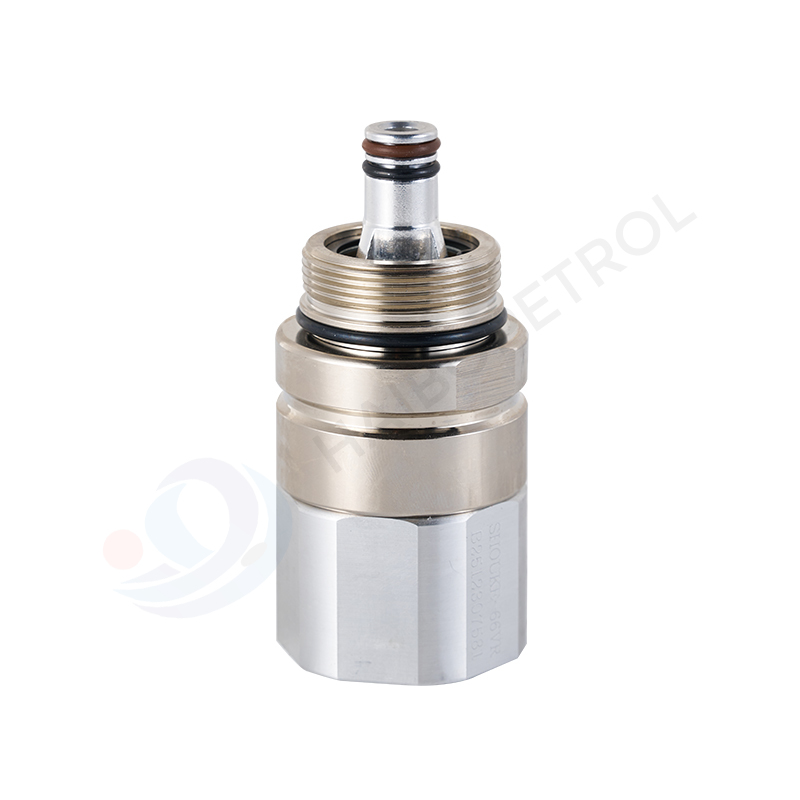
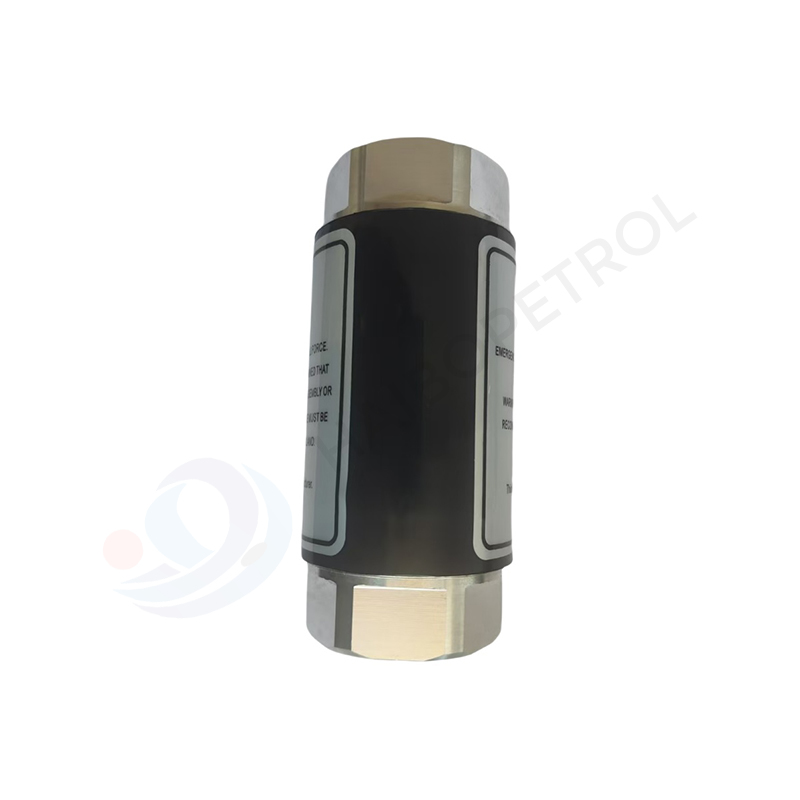
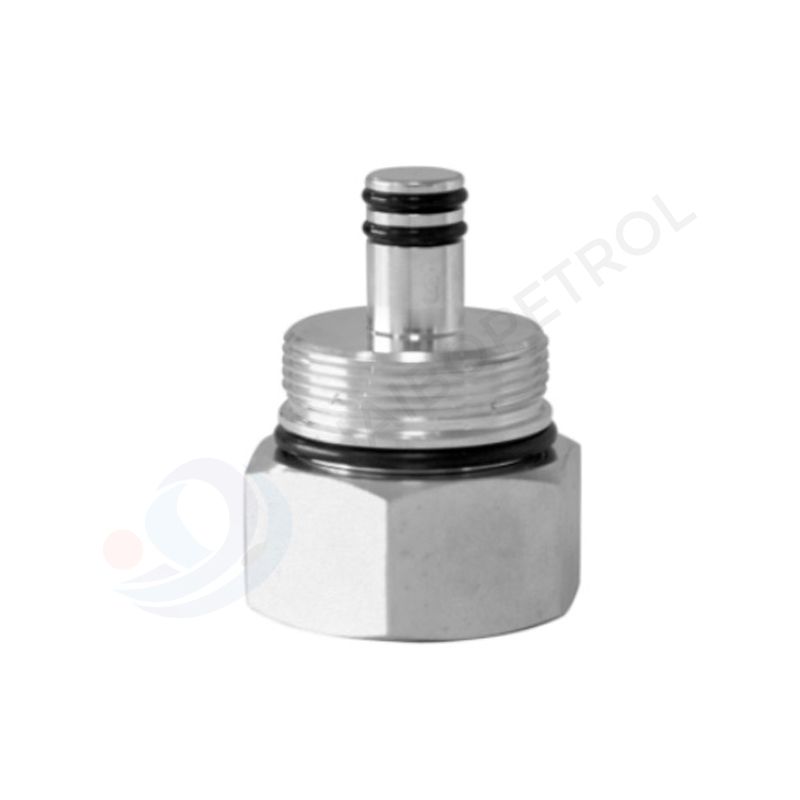
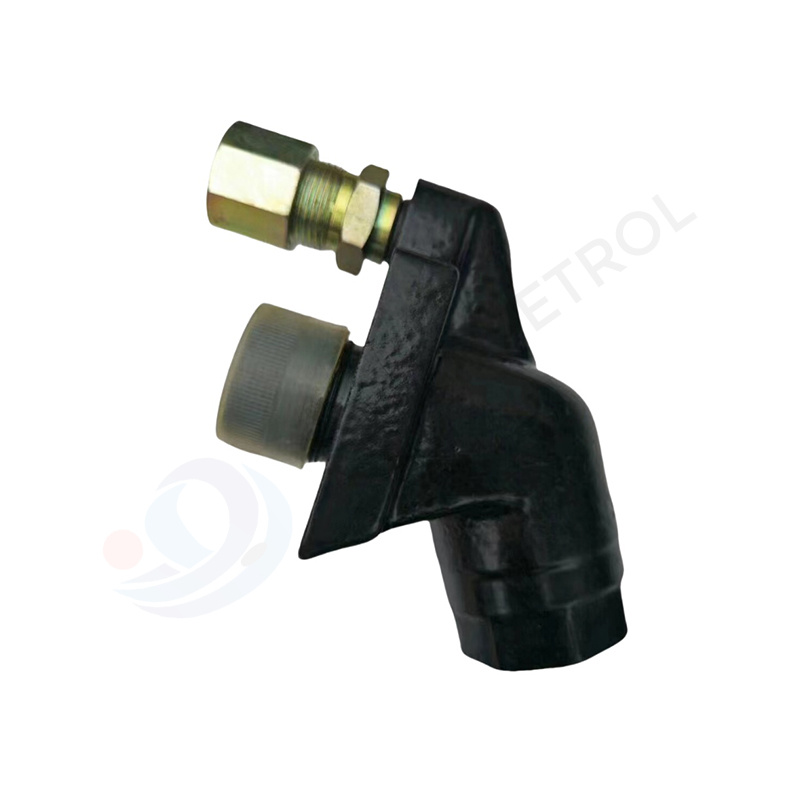
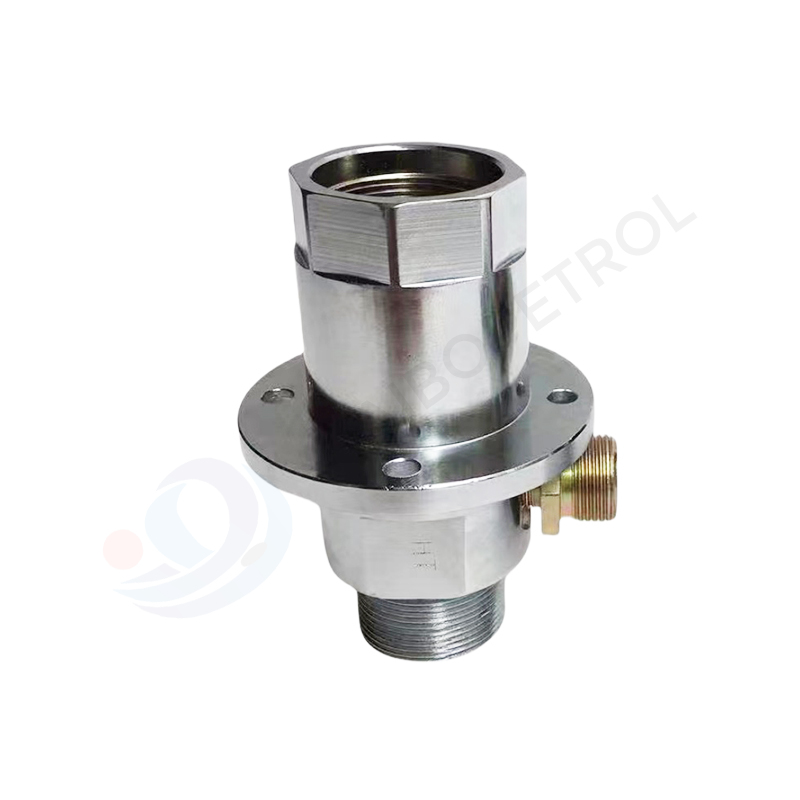
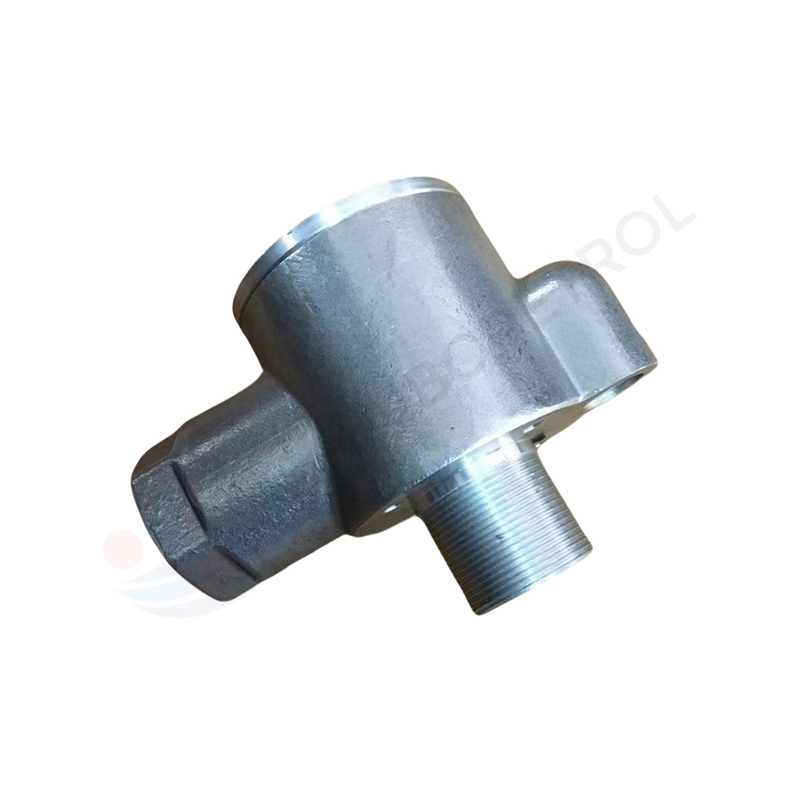
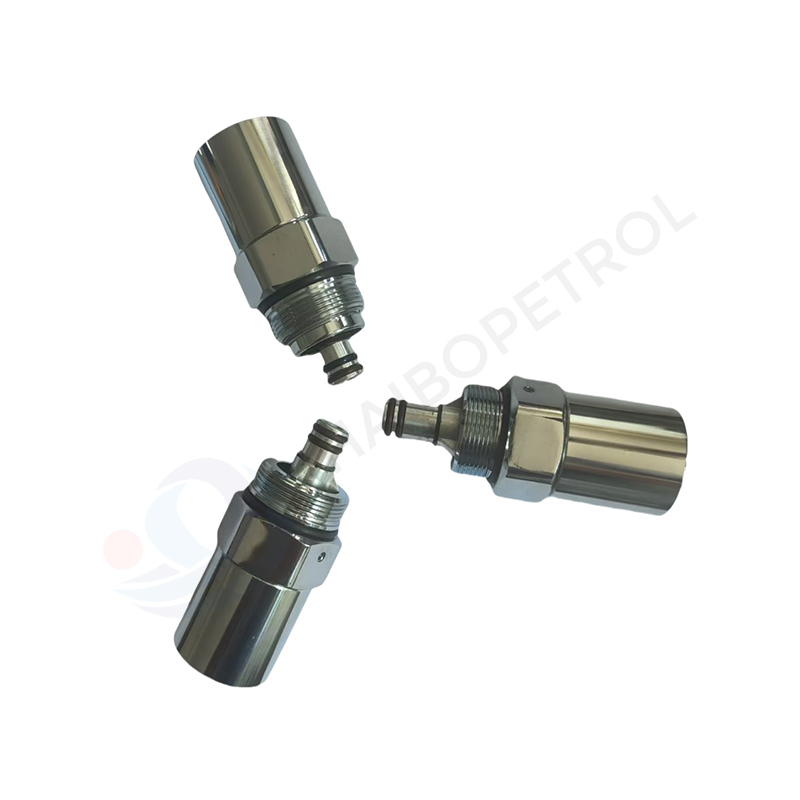
Stage II vapor recovery equipment is a critical environmental protection system installed at the dispenser level of retail fuel stations. It is designed to capture volatile organic compounds (VOCs) released during vehicle refueling, preventing fuel vapors from escaping into the atmosphere.
A key component of this system is the Vapour Recovery Nozzle, also known as a Recovery Nozzle, which collects fuel vapors during gasoline dispensing and returns them safely back to the underground storage tank through a closed-loop recovery system.
Unlike Stage I vapor recovery systems, which recover vapors between tank trucks and underground storage tanks, Stage II systems focus on dispenser-side vapor recovery, enabling precise control of the vapor return process while enhancing operational safety and customer experience.
Main Components
Vapour Recovery Nozzles (Recovery Nozzles)
Coaxial vapor recovery piping
Coaxial breakaway couplers and adapters
Vapor flow meters and liquid level control devices
Vapor recovery vacuum pumps, vapor-liquid separators, and monitoring sensors
These components operate together to accurately manage vapor flow. The Recovery Nozzle plays an essential role by creating a sealed connection between the vehicle fuel tank and the dispenser, allowing vapor to be efficiently recovered while maintaining smooth fuel delivery. The complete system reduces evaporative losses, prevents vapor mist release, and ensures safe and efficient refueling operations.
Key Advantages
High Efficiency and Environmental Protection
Closed coaxial piping combined with vacuum-assisted recovery technology enables vapor recovery efficiencies exceeding 95%, significantly reducing VOC emissions. The design of the Vapour Recovery Nozzle ensures effective vapor capture during every refueling cycle, improving recovery performance and environmental compliance.
Complies with vapor recovery and environmental regulations in California, the European Union, and other regulated regions.
Safety and Reliability
Integrated pressure control, liquid level detection, and overfill protection systems help prevent vapor backflow and leakage.
High-quality Recovery Nozzles feature durable sealing structures, reliable shut-off mechanisms, and corrosion-resistant materials to maintain safe operation under frequent daily use. Corrosion-resistant materials and high-pressure piping ensure long-term stable operation and reduced maintenance risk.
Easy Integration and Maintenance
Compatible with various fuel dispenser models, suitable for both new installations and retrofit projects.
Modular design allows for easy on-site maintenance and periodic inspection, ensuring high system availability.
Intelligent Monitoring
Equipped with real-time sensors and remote monitoring interfaces to track recovery efficiency, system pressure, and vapor flow.
Supports automatic alarms and data reporting to help operators quickly identify abnormalities and improve operational management.
Applications
Urban and suburban retail fuel stations
Regions with strict environmental regulations
Fuel stations requiring high environmental and safety performance standards
Fuel dispensing systems using Vapour Recovery Nozzles and advanced Stage II vapor recovery technology
Stage II vapor recovery equipment, including reliable Recovery Nozzles, helps operators comply with applicable regulations while demonstrating environmental responsibility and a commitment to sustainable development.
Manufacturing and Quality Control
Premium Materials: Stainless steel coaxial piping, corrosion-resistant valves, and durable sealing components ensure long-term corrosion resistance and pressure performance.
Precision Manufacturing: Vapour Recovery Nozzles are manufactured using fuel-resistant materials, high-strength aluminum alloys, and durable sealing components. Each nozzle undergoes flow testing, sealing tests, and operational durability inspections to ensure reliable vapor recovery performance.
Strict Testing: Flow testing, vacuum testing, pressure testing, and leak detection are conducted to ensure system stability and vapor recovery efficiency.
Certification Standards: Designed in accordance with API, ISO, and local environmental and safety regulations; key components can meet CE and UL certification requirements.
Service and Support
Installation Support: System design assistance, on-site installation, and commissioning support.
Maintenance Programs: Scheduled inspection, Recovery Nozzle replacement, and spare-parts management plans help minimize downtime and maintain consistent vapor recovery efficiency.
Technical Support: Remote monitoring support, operational training, and maintenance guidance to ensure long-term efficient system performance.

A fuel tank bottom valve does the unglamorous work — controlling discharge, draining, transfer. It sits at the bottom of the tank, which is about the worst seat in the house: sediment, water, corrosiv...
READ MOREAuto Fuel Nozzle take a lot of abuse day to day: constant handling, fuel exposure, friction, temperature swings, and the occasional drop. For station operators, fleet managers, and manufacturers, mate...
READ MORETemperature is one of the operating conditions that can be easy to miss when choosing or using a flow meter for petroleum products. A meter may be installed correctly and calibrated properly, but the ...
READ MOREFueling nozzles are used every day at fuel stations, fleet depots, transport facilities, and other refueling sites. In busy locations, a nozzle may be handled hundreds of times in a single day. Over t...
READ MOREFuel distribution is often described as a simple movement from one place to another. Fuel leaves a storage area and eventually reaches the point where it is needed. Yet the actual process involves mu...
READ MOREA dispensing system may look simple from the outside. A container holds a material. A tube carries it forward. A valve controls the flow. A nozzle places the material where it needs to go. Inside tha...
READ MOREA tank truck is easy to recognize, but its construction is more involved than the large metal tank visible from the road. Beneath the outer shell is a coordinated system designed to contain cargo, sup...
READ MORE
Quick Links
Product Categories
Contact Us
+86-13989700818 (Whatsapp)
+86-13695828855
No. 3, Xinbin Road, Yangwan Industrial Zone, Qiaoxia Town, Yongjia County, Wenzhou City, Zhejiang Province
Get in Touch
 Factory Direct Stage II Vapor Recovery Equipment