 English
 中文简体
中文简体
 Español
Fuel distribution is often described as a simple movement from one place to another. Fuel leaves a storage area and eventually reaches the point where it is needed. Yet the actual process involves mu...
READ MORE
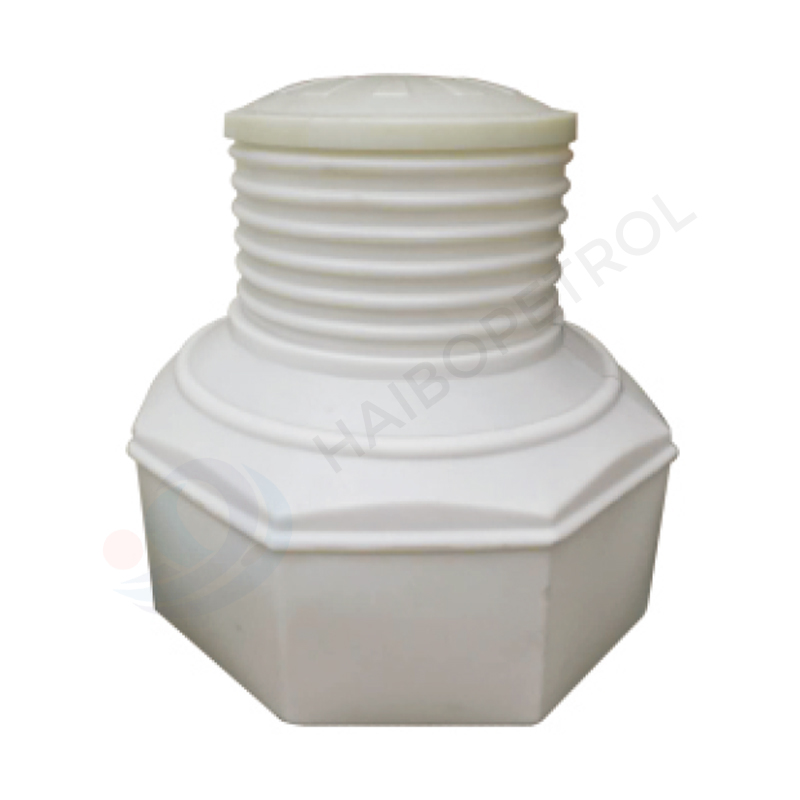


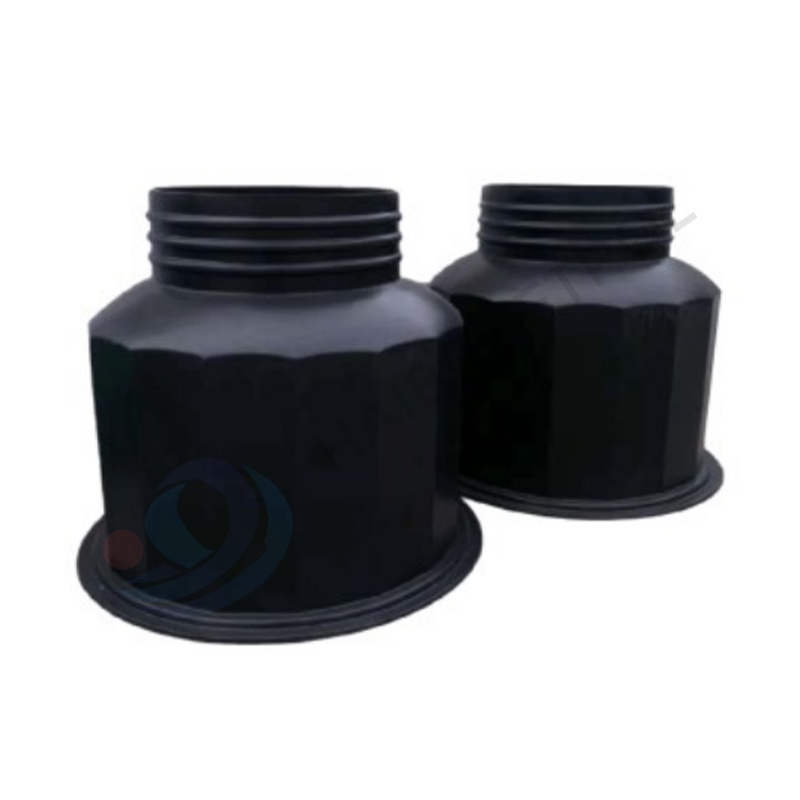
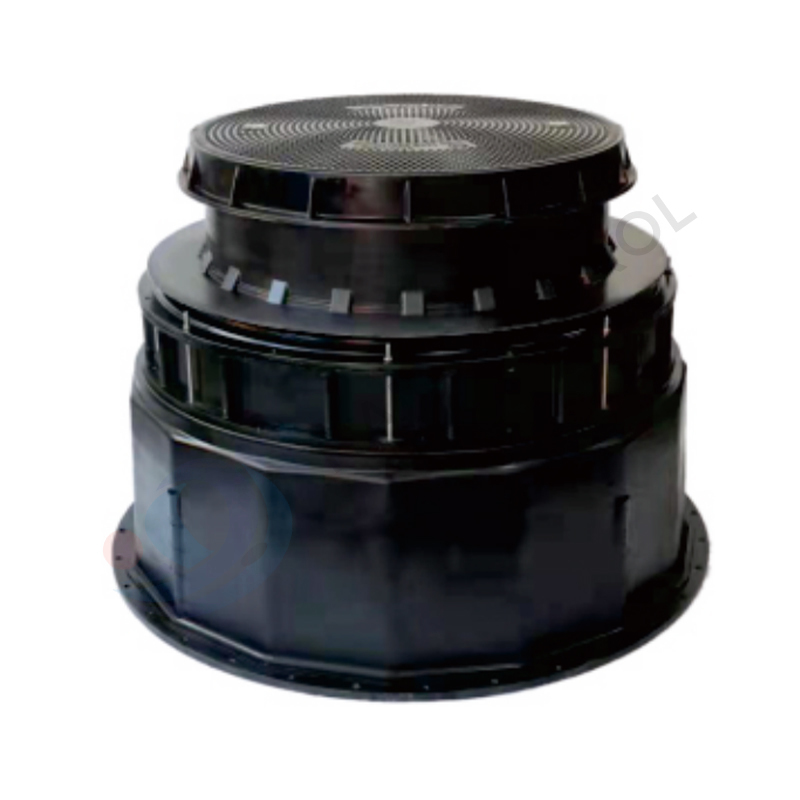
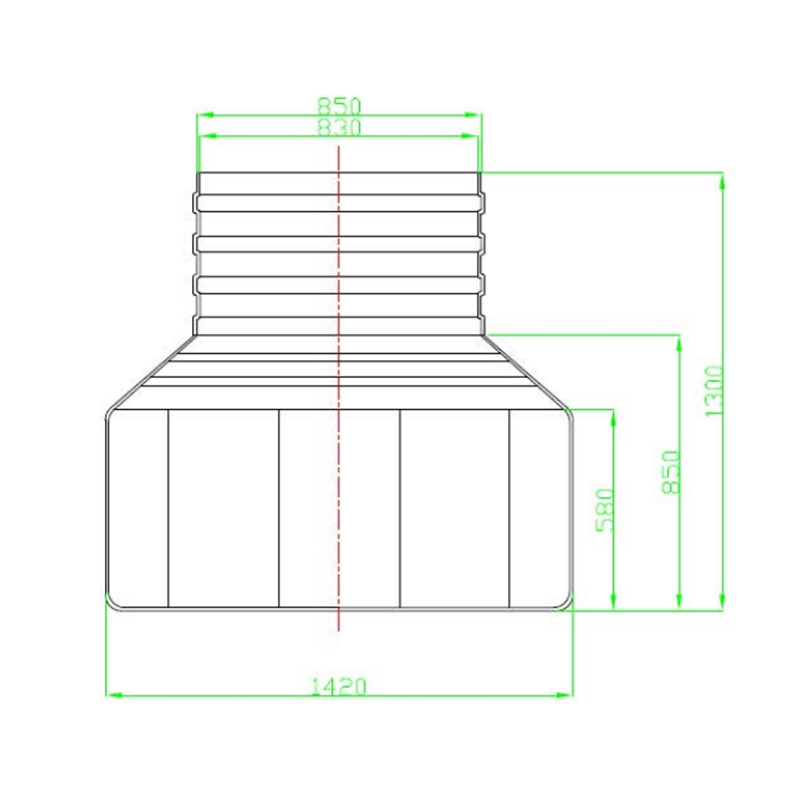
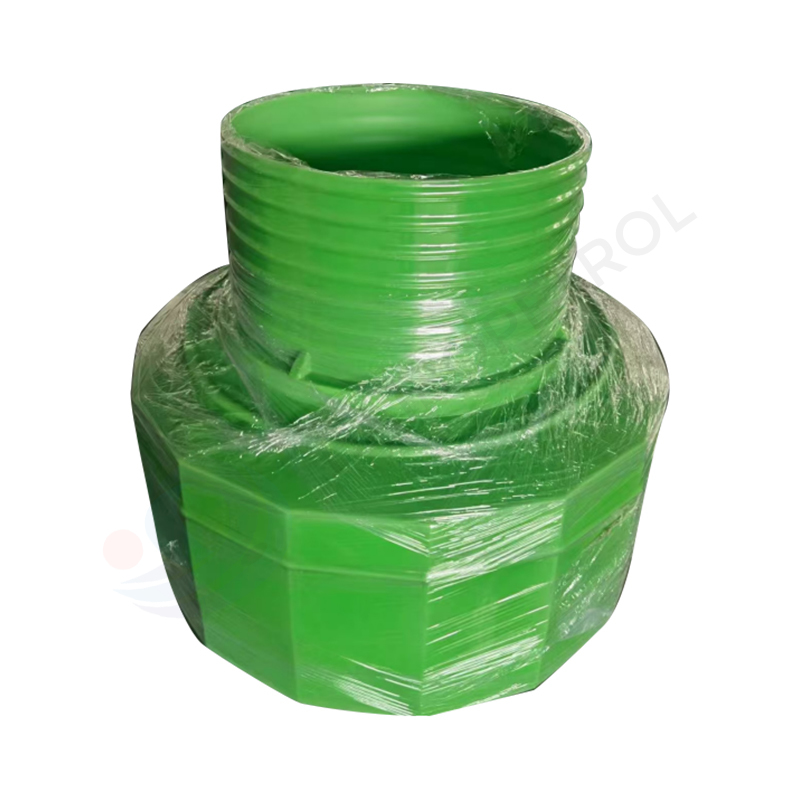
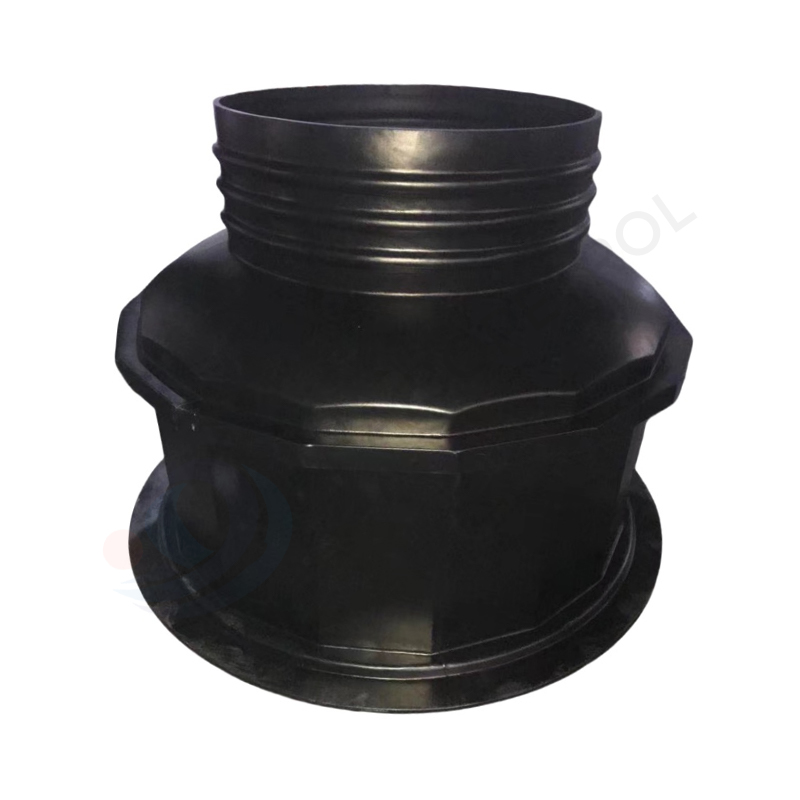
With the rapid development of gas stations and urban underground utility systems, PE / HDPE / SMC manhole operation wells and chambers have become essential infrastructure components for safe access, inspection, maintenance, and environmental protection. Modern manholes not only provide secure access to underground piping and equipment but also effectively prevent leaks, corrosion, and environmental contamination, making them a critical part of gas station and industrial pipeline systems.
1. Materials and Advantages
HDPE / PE Manhole Wells
HDPE (High-Density Polyethylene) manholes are widely used due to their lightweight design, corrosion resistance, and long service life.
Key advantages of HDPE manholes:
Excellent corrosion resistance against soil chemicals and groundwater
Smooth interior for easy inspection and maintenance
Lightweight construction for easier handling and installation
Long lifespan with minimal maintenance requirements
HDPE manholes are ideal for accessing underground pipelines, utility conduits, and fuel station infrastructure.
SMC Manhole Wells
SMC (Sheet Molding Compound) manholes are made of fiber-reinforced composite materials, combining high strength with corrosion resistance and durability.
Key advantages of SMC manholes:
High structural strength and load-bearing capacity
Resistant to UV, oils, chemicals, and fuels
Long service life with minimal maintenance
Suitable for both surface-level and buried installations
2. Structural Configurations and Customization
Manhole operation wells and chambers can be designed flexibly according to site requirements:
Flange Types
Outward Flange (External Flange): Provides stable connection for pipes entering the chamber, suitable for direct sealing and cover integration.
Inward Flange (Internal Flange): Suitable for space-restricted applications or where precise internal pipe alignment is required.
Assembly Types
Integrated / One-Piece Chambers: Pre-assembled units for quick installation, reducing on-site labor.
Modular / Split Chambers: Comprised of separate components (base, barrel, cover) that can be assembled or adjusted for depth and diameter requirements.
These options allow engineers to select the optimal configuration based on soil conditions, pipe layouts, and access needs.
3. Flange Dimensions and Center Distance Customization
Modern PE / SMC manholes offer full customization:
Flange hole sizes and bolt patterns can be customized
Flange dimensions can match client piping standards
Center-to-center distances between connection points can be adjusted
This ensures seamless integration with existing underground systems and minimizes field modifications.
4. Industry Terminology and Alternative Names
Similar products are often referred to as:
Inspection Chamber / Access Chamber / Utility Vault
Manhole Well / Maintenance Well / Buried Utility Hole
Underground Manhole / Subsurface Access Chamber
PE / HDPE Utility Manholes
Composite Manhole Chambers (SMC material)
Service Well / Instrumentation Access Well
All these terms refer to the same core function: providing safe, accessible, and protected underground system access.
5. Applications
PE / HDPE / SMC manhole wells and chambers are widely used in:
Gas station underground systems: Access for sumps, leak detection, pumps, and fuel piping
Urban utility networks: Water, gas, electrical, and drainage systems
Industrial pipelines: Process control, equipment maintenance, and monitoring access
Stormwater and drainage pipelines: Inspection and maintenance of underground pipes
Their versatility makes them indispensable in systems requiring regular access and environmental protection.
6. Advantages of Choosing Customized Manhole Wells
Flexible customization: Flange size, hole pattern, and center distances can be tailored to site requirements
High durability: HDPE / SMC materials provide corrosion resistance, chemical resistance, and long service life
Easy installation: Integrated or modular designs reduce on-site construction time
Environmental protection: Prevents soil and groundwater contamination, meeting regulatory requirements for gas stations and municipal utilities
Custom manholes significantly enhance the safety and efficiency of underground pipeline systems.
7. Conclusion
Modern gas stations and underground utility systems demand safe access, environmental protection, and long-term reliability. PE / HDPE / SMC manhole operation wells and chambers provide these benefits with highly durable materials, customizable flange connections, and multiple structural configurations.
By leveraging advanced materials and precise engineering, these solutions deliver secure, long-lasting access points that meet current engineering standards and future-proof buried infrastructure systems.
Fuel distribution is often described as a simple movement from one place to another. Fuel leaves a storage area and eventually reaches the point where it is needed. Yet the actual process involves mu...
READ MOREA dispensing system may look simple from the outside. A container holds a material. A tube carries it forward. A valve controls the flow. A nozzle places the material where it needs to go. Inside tha...
READ MOREA tank truck is easy to recognize, but its construction is more involved than the large metal tank visible from the road. Beneath the outer shell is a coordinated system designed to contain cargo, sup...
READ MOREFuel storage and handling involve more than moving liquid fuel from one place to another. Fuel can also release vapors during storage, loading, unloading, and transfer. These vapors can affect how a f...
READ MOREVehicle refueling is a familiar activity. A driver parks at a fuel station, selects the required fuel, starts the pump, and waits for the tank to fill. Although the process appears simple, fuel handli...
READ MOREWhy is vapor recovery important in fuel handling? Pump gas into your car, and you're actually part of a much bigger vapor management story happening around you. Every time fuel moves — whether it's a ...
READ MOREIndustrial storage is rarely a one-size-fits-all situation. Materials behave differently from each other, environments swing between extremes, and operating conditions rarely stay perfectly stable for...
READ MORE
Quick Links
Product Categories
Contact Us
+86-13989700818 (Whatsapp)
+86-13695828855
No. 3, Xinbin Road, Yangwan Industrial Zone, Qiaoxia Town, Yongjia County, Wenzhou City, Zhejiang Province
Get in Touch
 China Manhole Well Manufacturer