 English
 中文简体
 Español
Picking a pump for an industrial fuel system isn't just about matching a flow rate to a spec sheet. Fuel type, operating pressure, temperature, viscosity, installation conditions, safety requirements—...
READ MORE


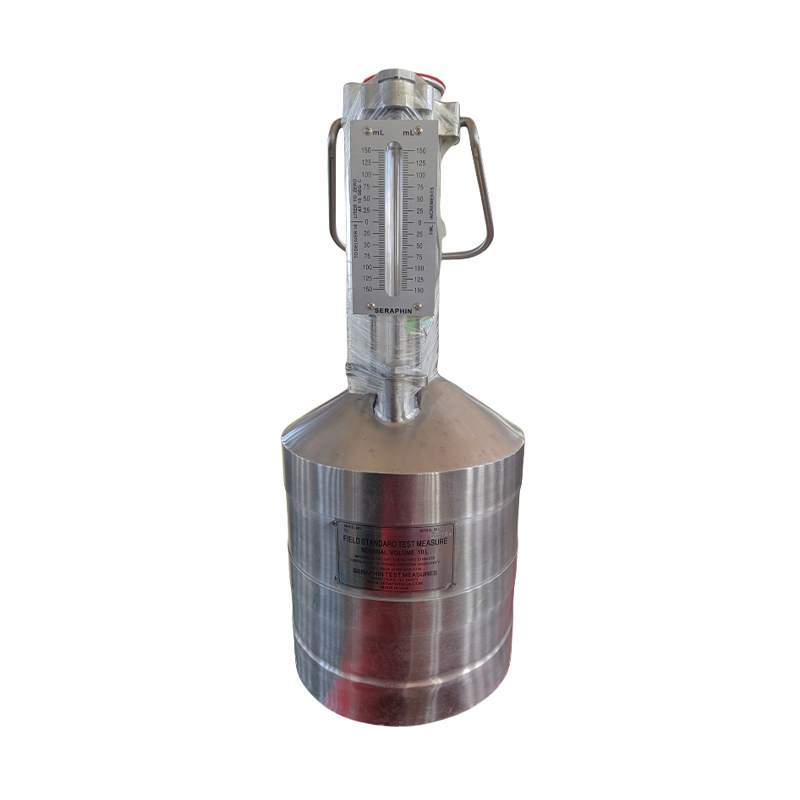
Comparative Overview and Classification of Fuel Dispenser Electrical Components
The safe, automated, and efficient operation of fuel dispensers relies heavily on various critical electrical components. Beyond the commonly used fuel nozzles, components such as Explosion-Proof Junction Boxes, Explosion-Proof Sensors, Dual-Value Capacitor Asynchronous Motors, and Nozzle Holders play essential roles in operational safety, system reliability, and automation control. This article provides a professional comparative analysis of these electrical components in terms of structure, functionality, typical applications, and selection guidelines, helping users make informed choices.
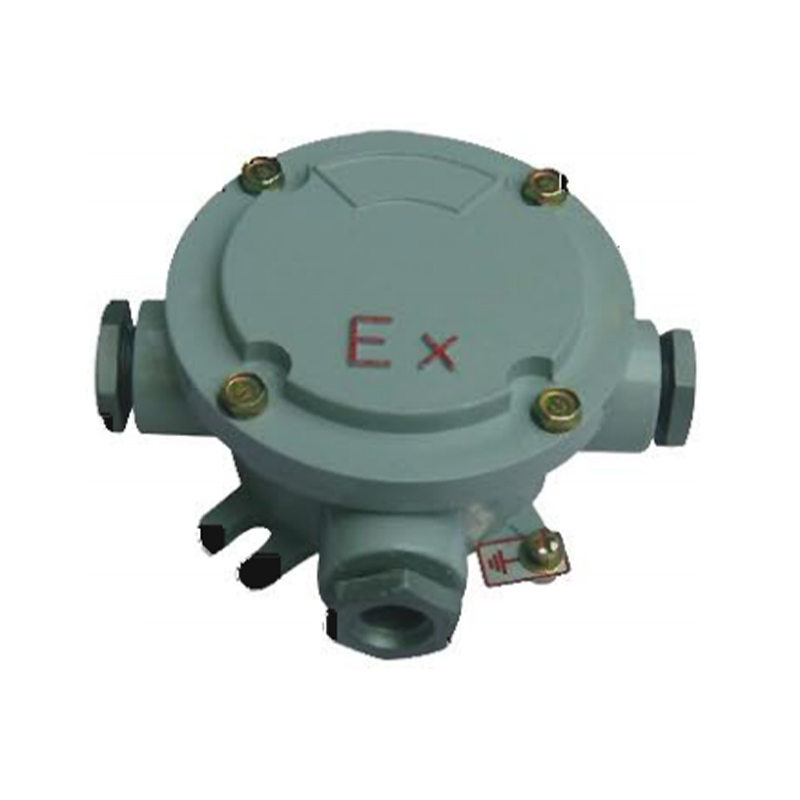
1. Explosion-Proof Junction Box
Key Functions and Features:
Distributes and controls electrical circuits while preventing sparks from igniting fuel vapors
Constructed from high-strength metal or explosion-proof engineering plastics, corrosion-resistant and impact-resistant
Equipped with internal safety isolation and sealing design, supporting multiple cable entries
Typical Applications:
Centralized wiring within fuel dispensers
Electrical control in mobile refueling vehicles
Industrial fuel delivery systems
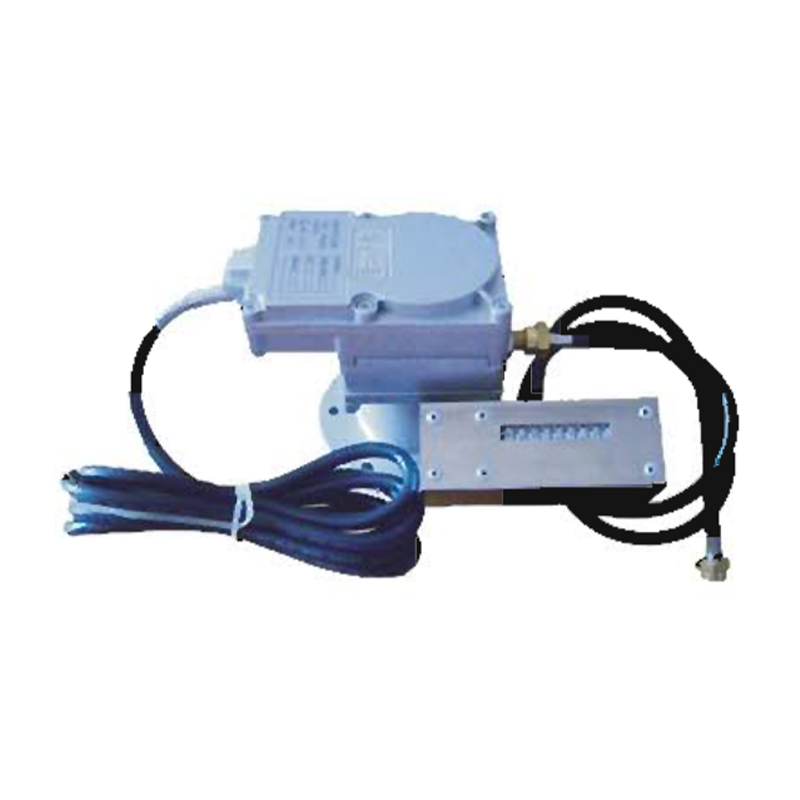
2. Explosion-Proof Sensor
Key Functions and Features:
Detects fuel level, flow, pressure, or other operational parameters, enabling safety alarms or automated control
Explosion-proof design suitable for flammable environments around fuel dispensers and storage tanks
High precision, fast response, and reliable performance
Typical Applications:
Fuel level monitoring in dispensers
Liquid level and flow detection in fuel trucks
Automated fuel distribution and control systems
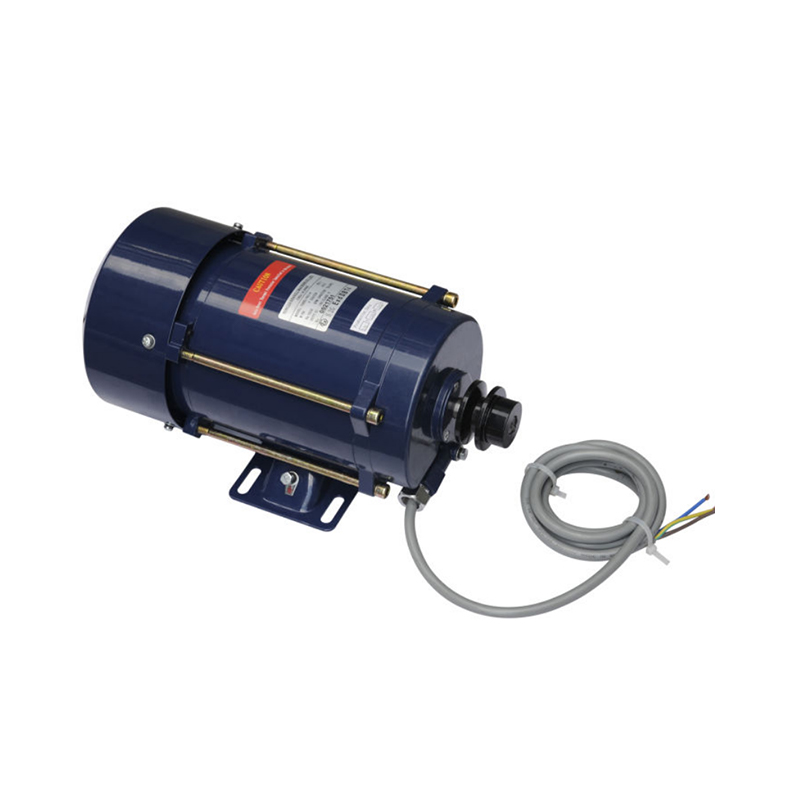
3. Dual-Value Capacitor Asynchronous Motor
Key Functions and Features:
Provides power for fuel dispensers and pumping systems to drive fuel delivery efficiently
Dual-value capacitor design ensures fast startup and stable operation
High efficiency, energy-saving, and resistant to high temperatures and corrosion
Typical Applications:
Fuel pump drive in dispensers
Mobile or temporary fueling systems
Industrial fuel delivery equipment
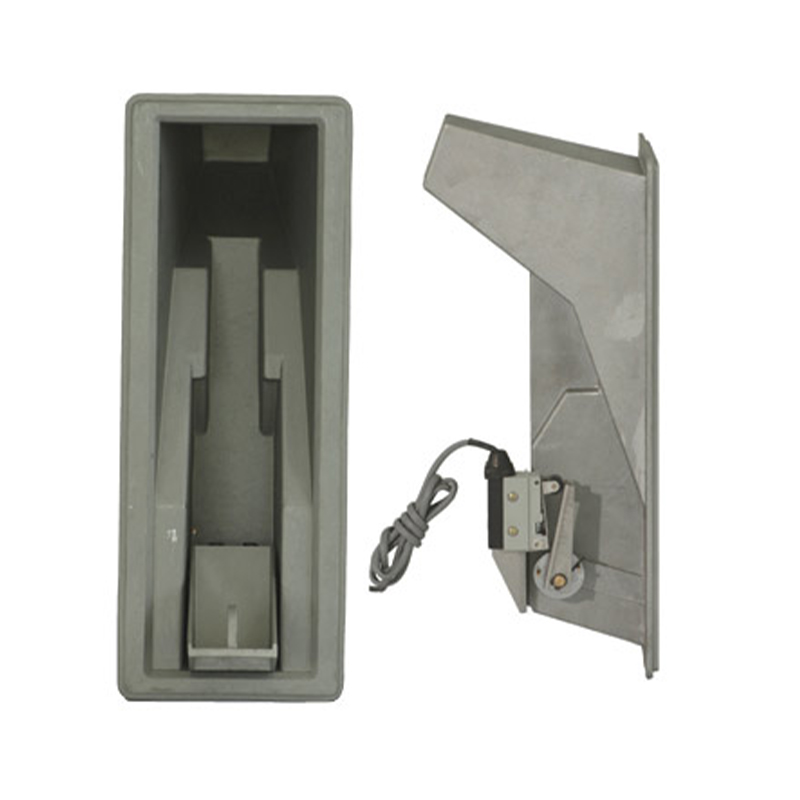
4. Nozzle Holder
Key Functions and Features:
Secures and stores fuel nozzles, facilitating automatic retraction
Foldable or luxury designs provide ease of operation and space-saving
Made from high-strength materials, resistant to wear and corrosion
Typical Applications:
Front or top installation on fuel dispensers
Nozzle storage in mobile refueling stations
Terminal connection in industrial fuel delivery systems
5. Selection Guidelines
When selecting components, consider the following:
Presence of flammable or explosive gases in the environment
Voltage, current, and power requirements
Sensor type and required accuracy
Whether the nozzle holder requires foldable or luxury design
Material corrosion resistance and environmental temperature
Compliance with industry explosion-proof standards and safety regulations
Proper selection ensures system safety, extends equipment lifespan, and reduces maintenance costs.
6. Global Leading Brands for Fuel Dispenser Electrical and Automation Components
Listing globally recognized brands enhances search relevance and attracts potential clients:
Fuel Dispenser OEM Manufacturers:
Tokheim (Global fuel dispenser manufacturer under Dover Fuel Solutions)
Gilbarco Veeder-Root (Fuel dispensers and automation systems)
EMCO Wheaton (Fuel dispensers and loading arms manufacturer)
Fluid Control and Industrial Automation Suppliers:
Bürkert (Precision fluid control valves, Germany)
Schneider Electric (Industrial automation and control systems)
ABB / Siemens (Global industrial electrical control and explosion-proof systems)
Fuel Dispenser Electrical Component Suppliers:
OPW Retail Fueling (Explosion-proof sensors, rotary joints, and breakaway valves)
Sanki, Hongyang, Bei-Lin Energy Equipment (Fuel dispenser electronics and explosion-proof control modules)
7. Conclusion
The fuel dispenser electrical components series covers key parts including Explosion-Proof Junction Boxes, Explosion-Proof Sensors, Dual-Value Capacitor Asynchronous Motors, and Nozzle Holders. By understanding the structure, functions, and applications of these components, users can select the most suitable combination for safe, efficient, and reliable fuel distribution and dispensing operations.
For technical specifications, system integration solutions, or custom services, please contact us. We provide professional one-stop solutions for your fuel dispensing needs.

Picking a pump for an industrial fuel system isn't just about matching a flow rate to a spec sheet. Fuel type, operating pressure, temperature, viscosity, installation conditions, safety requirements—...
READ MOREAn emergency shutoff valve is a safety component in systems handling fuel, gas, chemicals, steam, water, and other industrial fluids. Its job: stop or isolate flow when something goes wrong, so people...
READ MOREA fuel tank bottom valve does the unglamorous work — controlling discharge, draining, transfer. It sits at the bottom of the tank, which is about the worst seat in the house: sediment, water, corrosiv...
READ MOREAuto Fuel Nozzle take a lot of abuse day to day: constant handling, fuel exposure, friction, temperature swings, and the occasional drop. For station operators, fleet managers, and manufacturers, mate...
READ MORETemperature is one of the operating conditions that can be easy to miss when choosing or using a flow meter for petroleum products. A meter may be installed correctly and calibrated properly, but the ...
READ MOREFueling nozzles are used every day at fuel stations, fleet depots, transport facilities, and other refueling sites. In busy locations, a nozzle may be handled hundreds of times in a single day. Over t...
READ MOREFuel distribution is often described as a simple movement from one place to another. Fuel leaves a storage area and eventually reaches the point where it is needed. Yet the actual process involves mu...
READ MORE
Quick Links
Product Categories
Contact Us
+86-13989700818 (Whatsapp)
+86-13695828855
No. 3, Xinbin Road, Yangwan Industrial Zone, Qiaoxia Town, Yongjia County, Wenzhou City, Zhejiang Province
Get in Touch
