 English
 中文简体
中文简体
 Español
Fuel distribution is often described as a simple movement from one place to another. Fuel leaves a storage area and eventually reaches the point where it is needed. Yet the actual process involves mu...
READ MORE


As fluid transfer systems become increasingly diversified and application-specific, standard Camlock quick couplings alone are often no longer sufficient to meet real-world installation and operational requirements. Differences in pipe layouts, flange standards, hose sizes, equipment interfaces, and space constraints frequently demand connection solutions that go beyond standard catalog items.
It is under these practical engineering challenges that non-standard and customized Camlock Quick Couplings have become an essential extension of conventional Camlock systems—offering flexibility, adaptability, and system-level compatibility without sacrificing reliability.
1. Why Non-Standard Camlock Solutions Are Increasingly Necessary
While standard Camlock couplings are designed for universal interchangeability, real industrial systems often present conditions such as:
Mismatched pipe or hose diameters
Transition requirements between flanges, threads, and hose tails
Limited installation space requiring elbows or eccentric designs
Equipment interfaces that differ from standard centerline alignment
Special operational or maintenance requirements, such as lockable connections
In these cases, custom-designed Camlock couplings provide a practical and cost-effective alternative to redesigning entire piping systems.
2. Functional Positioning of Customized Camlock Quick Couplings
Non-standard Camlock products are not experimental or temporary solutions. Instead, they serve as purpose-built connection components, designed to integrate seamlessly into existing systems while maintaining Camlock’s core advantages:
Quick connection and disconnection
Reliable mechanical locking and sealing
Compatibility with standard Camlock interfaces
Reduced installation time and system modification cost
These products act as adaptors, converters, and problem-solvers within complex fluid transfer systems.
3. Typical Non-Standard Camlock Configurations
Customized Camlock couplings are commonly developed by combining standard Camlock interfaces with special structures or variable connection ends. Typical examples include:
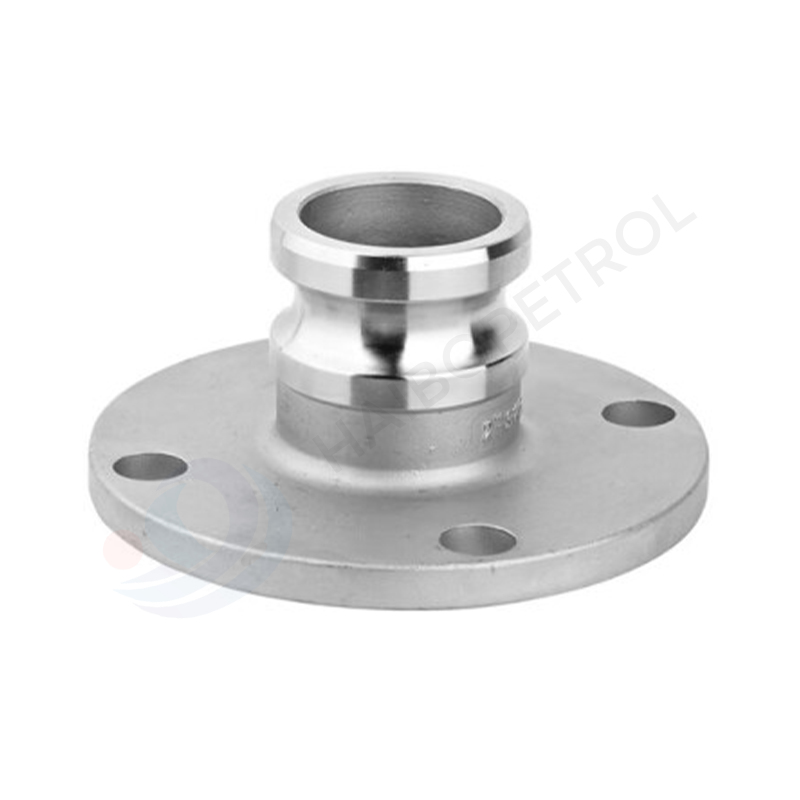
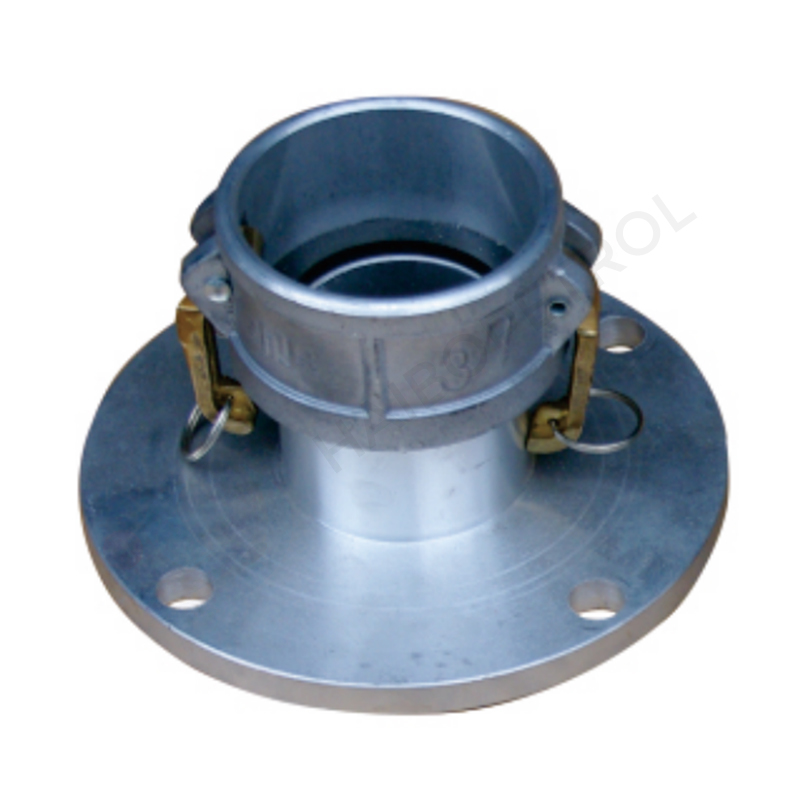
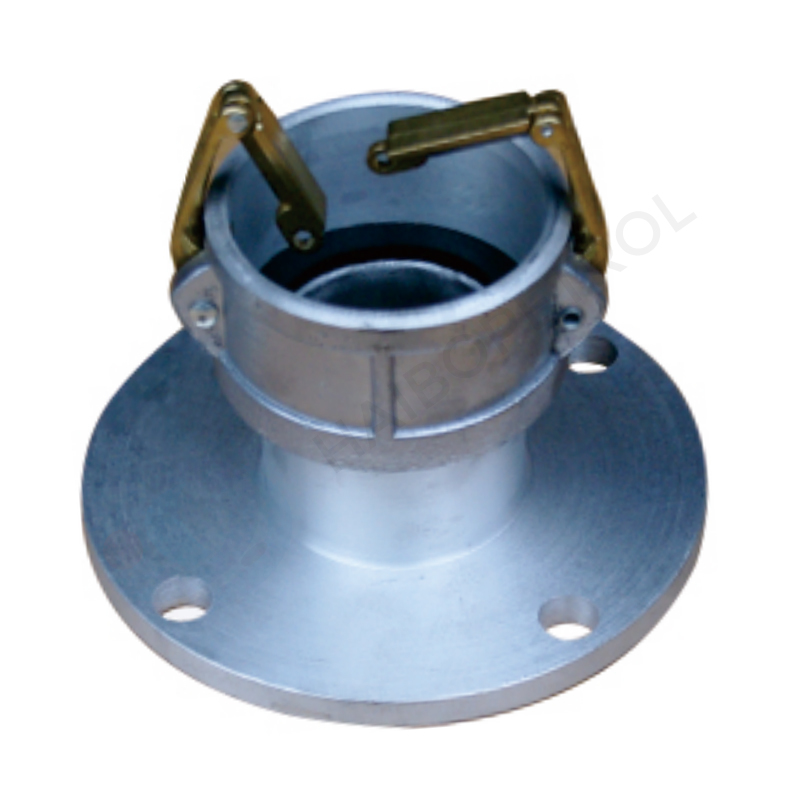
Flange × Male or Female Camlock Adapters
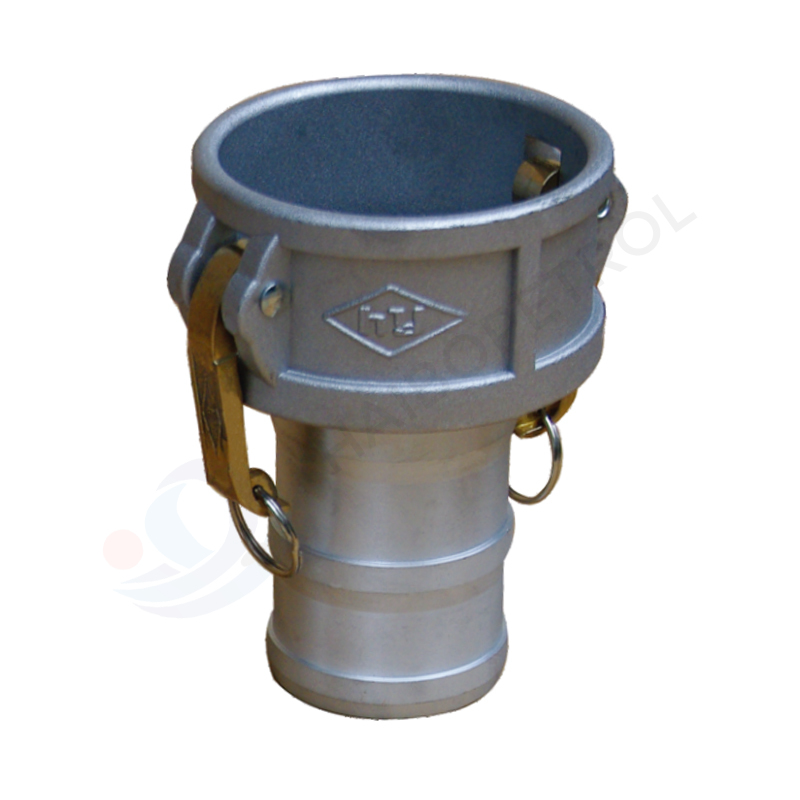
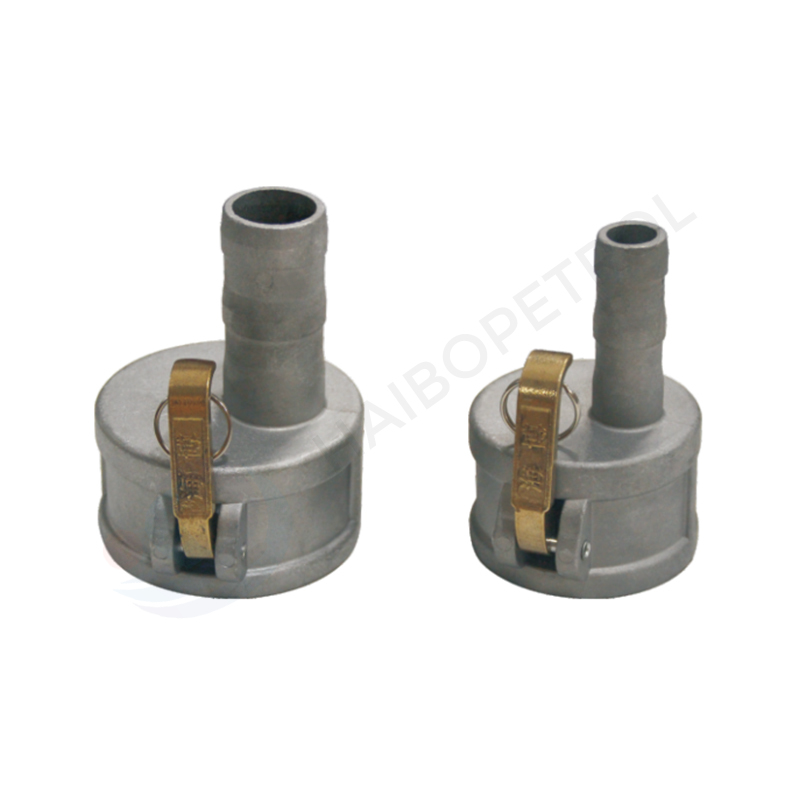
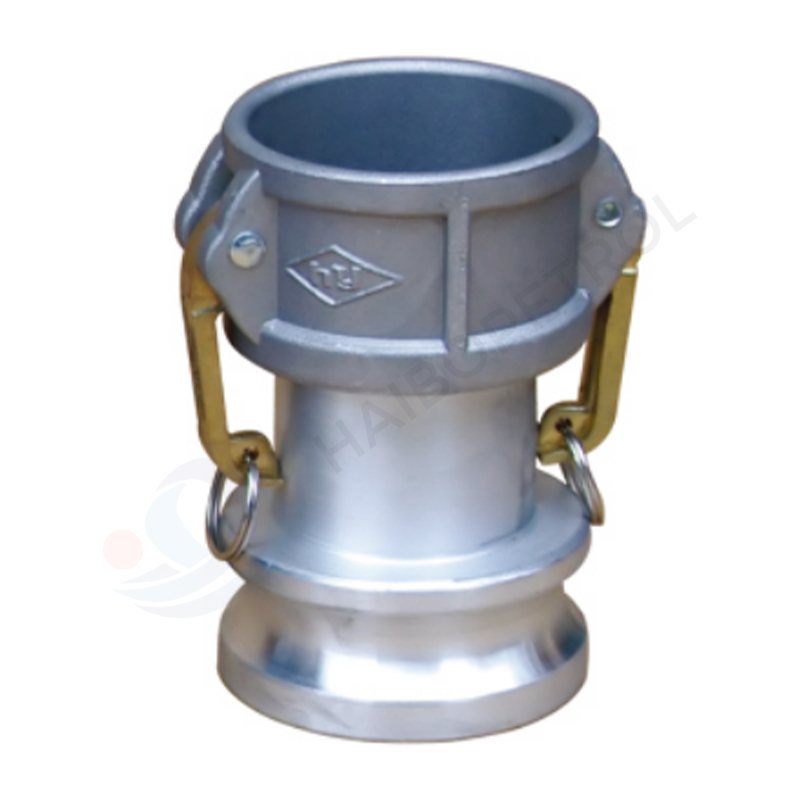
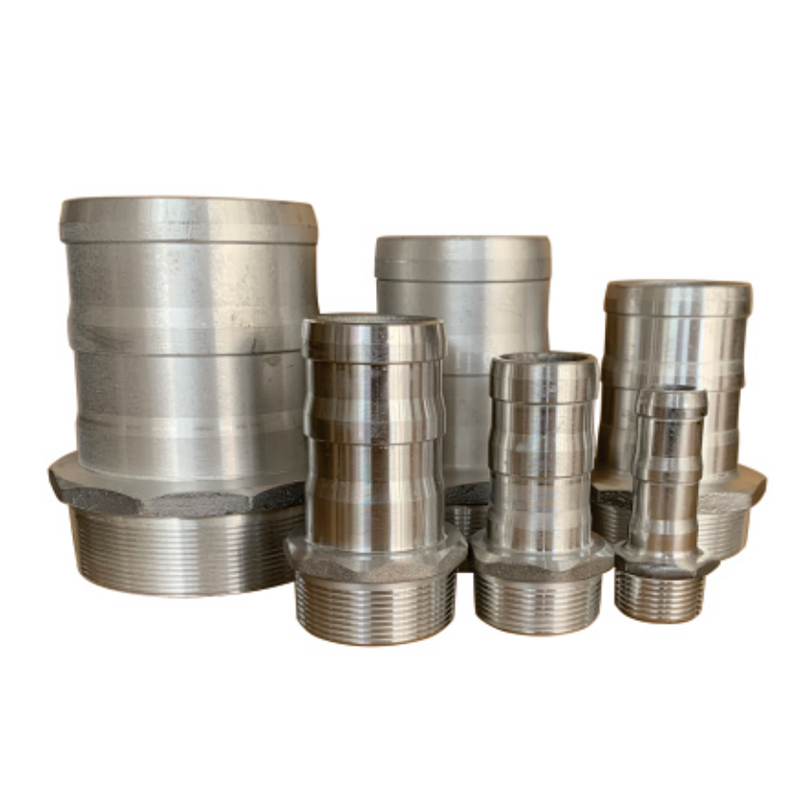
Female Coupler × Variable Diameter Hose Tail
Eccentric Variable Diameter Hose Tail Designs
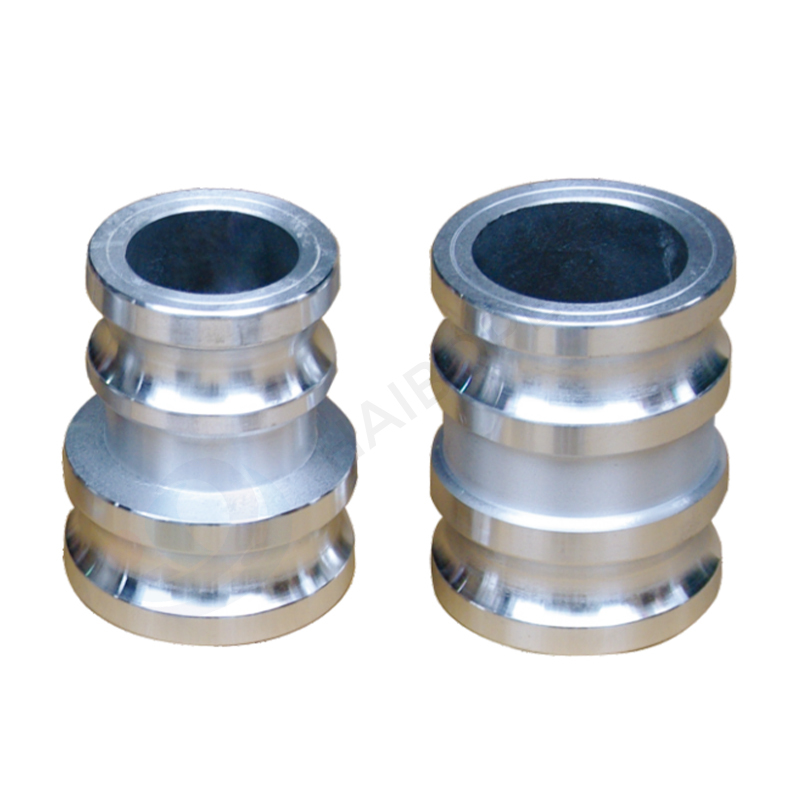
Male Coupler × Male Coupler Configurations
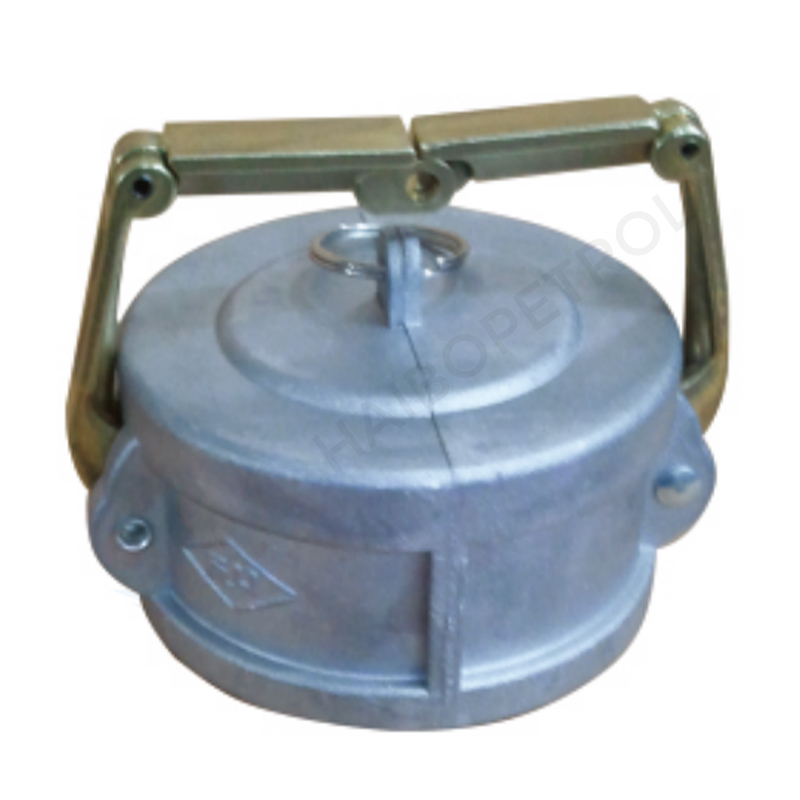
Lockable Female Couplers and Dust Caps
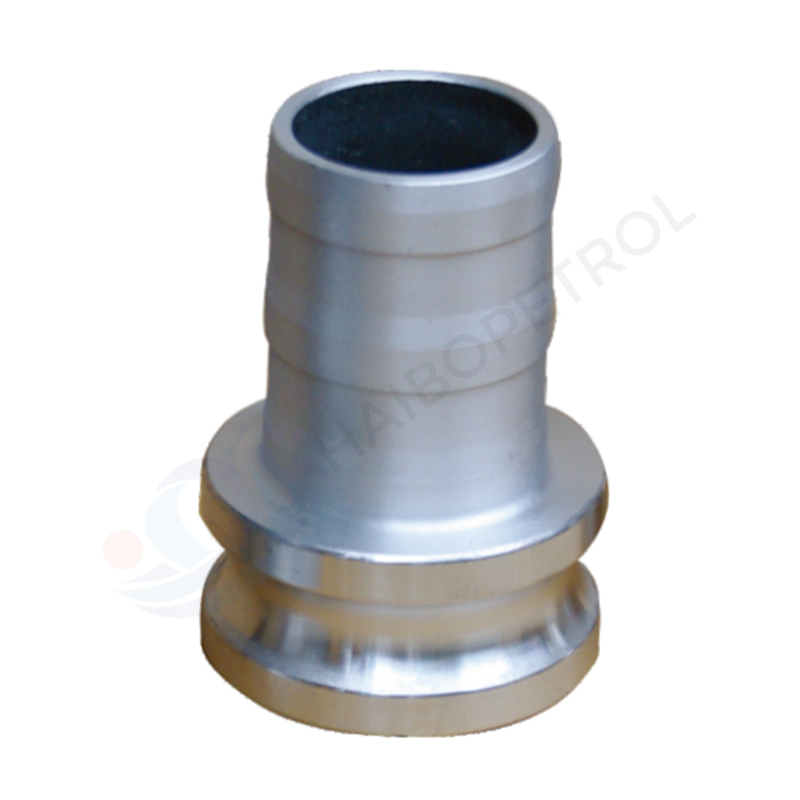
Thread × Hose Tail or Thread × Camlock Conversions
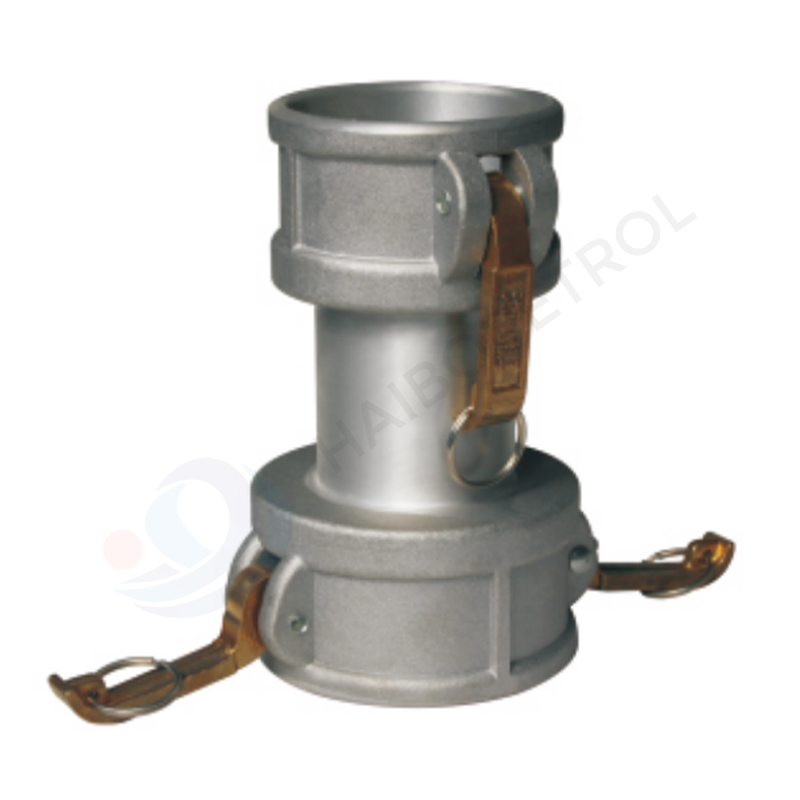
Double Female Couplers
90-Degree Elbow Female × Male Couplers
Square Flange and Round Flange Camlock Adapters
Variable Male Adapters for Non-Standard Pipe Sizes
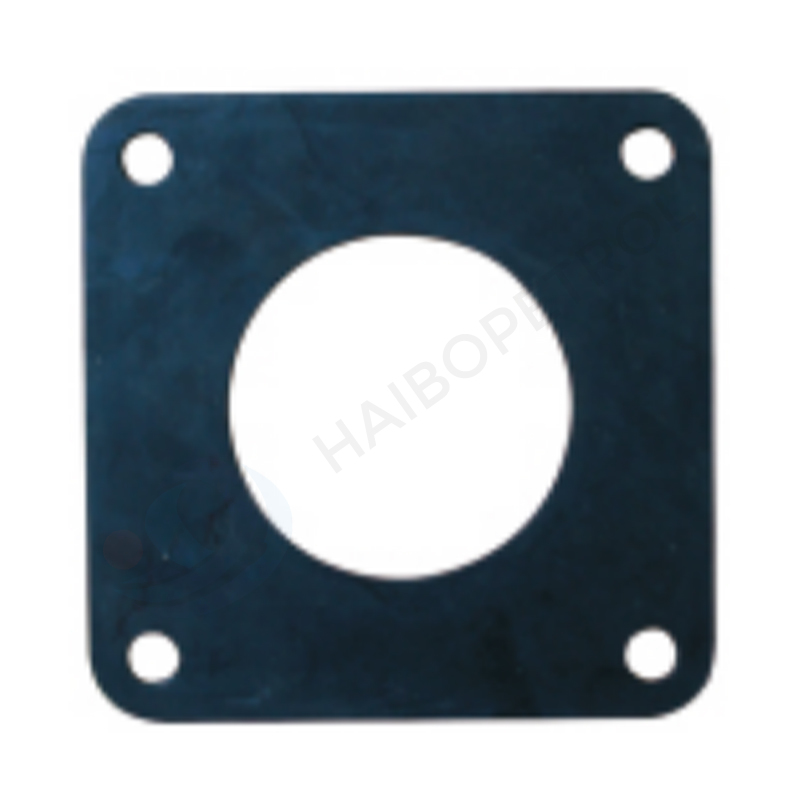
Customized Gaskets for Camlock, Squire Flanges, and Round Flanges
Each configuration is designed to address a specific installation or operational requirement while preserving standard Camlock functionality.
4. Design Philosophy: Flexibility Without Compromising Reliability
The core design principle behind non-standard Camlock couplings is functional flexibility built on proven Camlock fundamentals. Key design considerations include:
Maintaining standard Camlock sealing geometry wherever possible
Ensuring structural strength under repeated connection cycles
Optimizing flow paths to minimize pressure loss and turbulence
Designing for ease of installation and maintenance
Achieving dimensional accuracy for compatibility with existing systems
Rather than reinventing the Camlock concept, customized designs extend its applicability into more complex scenarios.
5. Materials and Manufacturing Capability
Customized Camlock quick couplings are most commonly produced in:
Aluminum Alloy – lightweight, cost-effective, and widely used in fuel and industrial applications
Stainless Steel 304 – suitable for general corrosion resistance and industrial use
Stainless Steel 316 – ideal for aggressive media, marine environments, and chemical applications
In-House Casting and Production Strength
With our own aluminum casting facility, we are able to control the entire production process from raw casting to finished machining. Our annual casting capacity exceeds 500 metric tons, enabling:
Stable quality control
Flexible mold development
Competitive lead times
Cost-effective custom production
Once a one-time order quantity reaches 500 pieces or above, we can develop dedicated molds and tooling to support fully customized Camlock coupling designs.
6. Advantages of Custom Camlock Solutions Over System Redesign
Compared with modifying pipelines or replacing existing equipment, customized Camlock couplings offer clear advantages:
Faster implementation
Lower overall system modification cost
Minimal downtime
Compatibility with existing hoses, pipes, and equipment
Improved long-term maintainability
For many engineering projects, custom Camlock solutions represent the most efficient way to resolve connection mismatches.
7. Applications Across Industries
Non-standard Camlock couplings are widely used in:
Fuel and petroleum transfer systems
Chemical processing plants
Tank truck and loading/unloading systems
Industrial manufacturing and equipment integration
Marine and offshore applications
Temporary or mobile fluid transfer setups
In each case, customization enables Camlock systems to adapt to real operating conditions rather than forcing systems to adapt to standard components.
8. Customization Process and Technical Support
Our customization capability goes beyond manufacturing. We provide full technical cooperation throughout the project lifecycle, including:
Application analysis and feasibility evaluation
Interface and dimensional matching
Material and sealing recommendations
Drawing confirmation and sample approval
Stable mass production and delivery support
This ensures that customized Camlock couplings are not only manufacturable, but also reliable in real-world operation.
9. Conclusion: Extending the Value of Camlock Systems Through Customization
Standard Camlock quick couplings form the foundation of countless fluid transfer systems worldwide. However, it is non-standard and customized Camlock solutions that allow these systems to function effectively in complex, constrained, or unconventional environments.
By combining proven Camlock technology with flexible design, in-house casting capability, and scalable production capacity, customized Camlock quick couplings provide engineers and operators with a powerful tool to solve connection challenges efficiently and economically.
For projects that demand adaptability without compromising safety or reliability, customized Camlock quick couplings offer a long-term, practical solution.

Fuel distribution is often described as a simple movement from one place to another. Fuel leaves a storage area and eventually reaches the point where it is needed. Yet the actual process involves mu...
READ MOREA dispensing system may look simple from the outside. A container holds a material. A tube carries it forward. A valve controls the flow. A nozzle places the material where it needs to go. Inside tha...
READ MOREA tank truck is easy to recognize, but its construction is more involved than the large metal tank visible from the road. Beneath the outer shell is a coordinated system designed to contain cargo, sup...
READ MOREFuel storage and handling involve more than moving liquid fuel from one place to another. Fuel can also release vapors during storage, loading, unloading, and transfer. These vapors can affect how a f...
READ MOREVehicle refueling is a familiar activity. A driver parks at a fuel station, selects the required fuel, starts the pump, and waits for the tank to fill. Although the process appears simple, fuel handli...
READ MOREWhy is vapor recovery important in fuel handling? Pump gas into your car, and you're actually part of a much bigger vapor management story happening around you. Every time fuel moves — whether it's a ...
READ MOREIndustrial storage is rarely a one-size-fits-all situation. Materials behave differently from each other, environments swing between extremes, and operating conditions rarely stay perfectly stable for...
READ MORE
Quick Links
Product Categories
Contact Us
+86-13989700818 (Whatsapp)
+86-13695828855
No. 3, Xinbin Road, Yangwan Industrial Zone, Qiaoxia Town, Yongjia County, Wenzhou City, Zhejiang Province
Get in Touch
 Fuel Hose Coupling Factory in China