Fuel distribution is often described as a simple movement from one place to another. Fuel leaves a storage area and eventually reaches the point where it is needed. Yet the actual process involves much more than moving a liquid through a line.
Storage, transfer, delivery, operator access, equipment arrangement, and routine maintenance all need to work together. When these parts are considered separately, the daily operation can become harder to manage. A system may have suitable equipment, but the overall workflow may still feel disconnected.
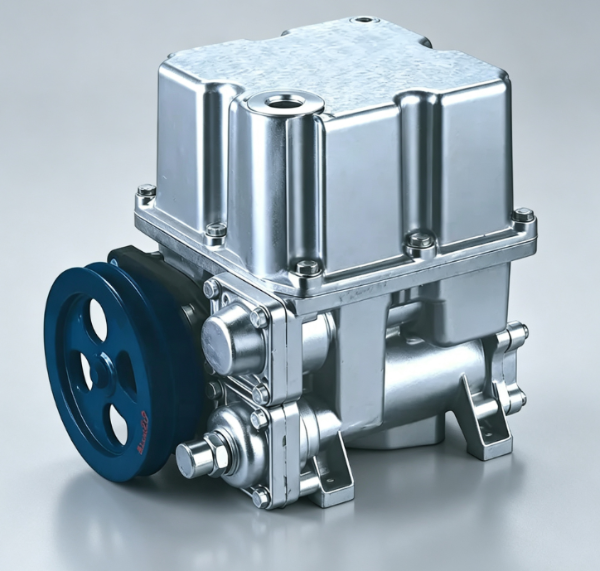
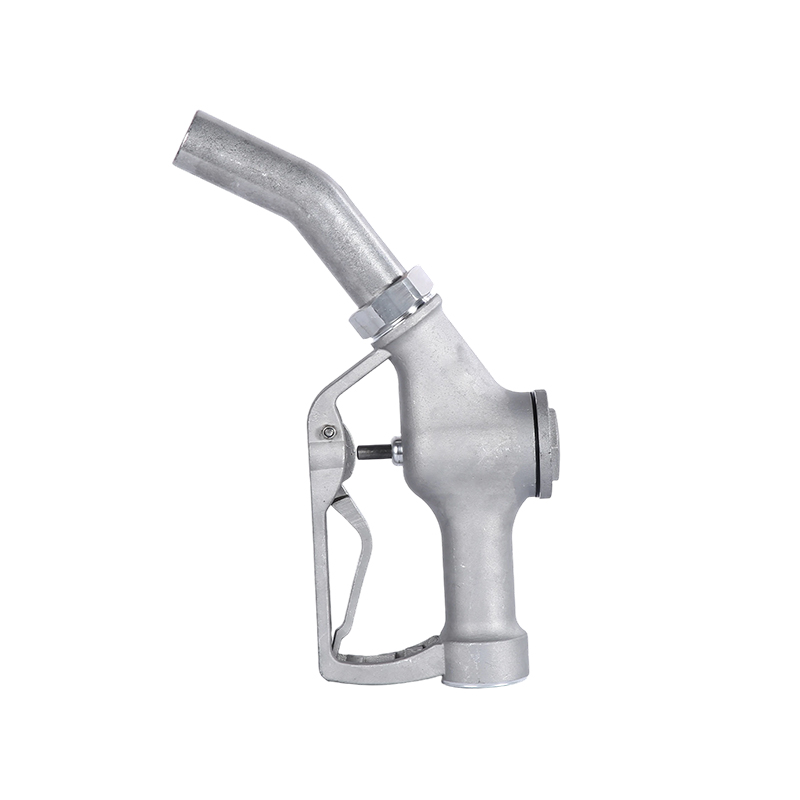
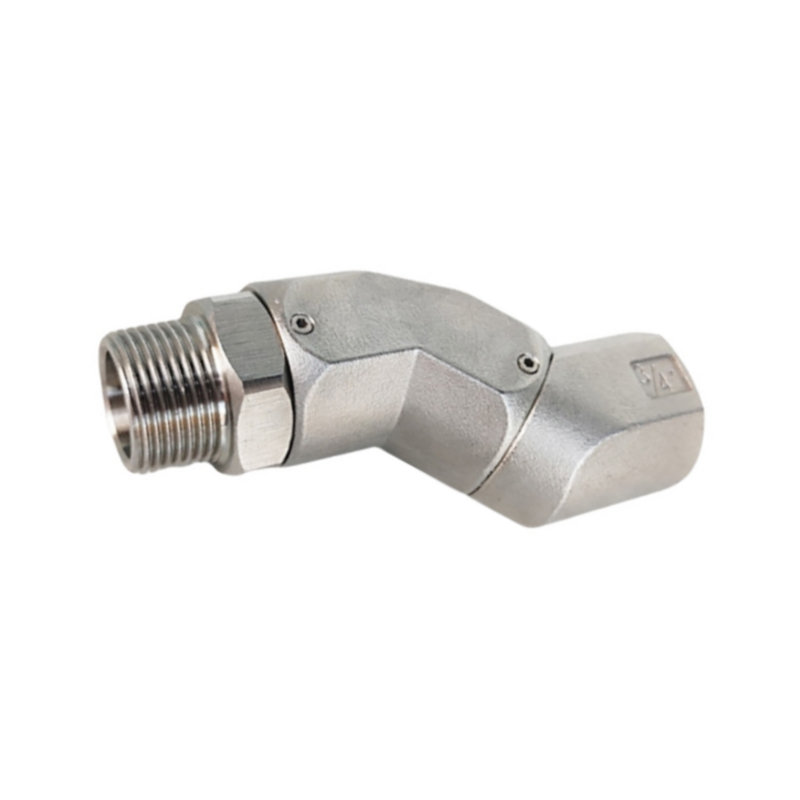
This is why Fuel Oil Delivery Equipment is receiving more attention in fuel distribution planning. Its role is not limited to transferring fuel. It can also help connect storage with delivery points, organize the movement of fuel, and make routine handling easier to manage.
Fuel oil delivery equipment forms an important link between stored fuel and the place where that fuel is required. Depending on the application, this equipment may include pumps, hoses, valves, meters, connectors, and other supporting components. Each part has its own role, but the way these components work together is often more important than any single item.
A delivery system needs to provide a practical path for fuel to move between different parts of a facility or distribution process. This means the equipment needs to match the physical layout as well as the way operators use the system. A well-planned arrangement can make fuel movement easier to understand and easier to manage during regular operations.
The role of the equipment also changes according to the application. Some facilities may have a relatively fixed delivery point, while others may need to serve several locations. Storage arrangements can also vary. These differences mean that fuel delivery equipment cannot always be selected as a group of isolated products.
Instead, the equipment needs to be considered as part of the wider distribution process. Its position, connections, accessibility, and relationship with storage all influence how the system works in everyday use.
Modern fuel distribution is increasingly focused on how different parts of a system work together. A pump, hose, valve, or connection may perform its intended task, but that does not automatically mean the complete arrangement is convenient for operators.
Integration becomes important when equipment needs to support several activities at the same time. Operators may need to connect delivery lines, monitor fuel movement, access storage areas, or carry out routine checks. If these activities are not considered during planning, unnecessary movement and complicated handling can become part of the daily workflow.
Several practical concerns can influence equipment integration:
| Distribution Concern | Role of Equipment Planning |
|---|---|
| Fuel movement | Creates a practical connection between storage and delivery |
| Operator handling | Makes routine connection and operation easier to organize |
| Equipment layout | Helps different components work within the available space |
| Maintenance access | Allows important components to be reached when service is required |
| Delivery flexibility | Supports changing delivery points or operating arrangements |
| Future changes | Leaves room for adjustments as the facility develops |
This approach also changes how buyers look at equipment. Instead of asking only whether a component can perform a particular task, they may also consider how that component fits into the complete system. The result is a more practical way to plan fuel distribution.
Storage is only one part of fuel distribution. Once fuel is kept in a tank or storage area, it still needs a controlled path toward the delivery point. Fuel oil delivery equipment provides much of the physical connection needed for this movement.
The arrangement between storage and delivery can affect how easily operators understand and manage the system. A clear layout can make connections easier to identify and routine operations more straightforward. A complicated layout, on the other hand, may create additional work even when individual components function properly.
The distance and position between storage and delivery points also matter. Some facilities may have equipment located close together, while others may require fuel to travel through a larger working area. In these situations, the delivery system needs to fit the space rather than simply being added after the main layout has been completed.
This is why equipment planning is often closely related to facility planning. Storage location, delivery access, operator movement, and equipment placement can influence one another. Considering these relationships earlier can make the final distribution arrangement more practical.
Fuel transfer describes the movement of fuel between two points. Fuel distribution involves a wider set of activities. The system may need to support repeated deliveries, different users, several connection points, and changing operating conditions.
For example, a distribution system may involve:
These activities create a different set of planning needs. A system designed only around the movement of fuel may overlook the people who operate it and the physical environment around it.
Daily use can also reveal problems that are not obvious during initial installation. A connection that is difficult to reach may become a repeated inconvenience. Equipment positioned too close to other components may make inspection harder. A delivery point that works for one arrangement may become less convenient when the facility changes.
Fuel distribution therefore requires a broader view. The movement of fuel remains important, but the surrounding workflow also deserves attention.
Equipment design can influence how operators interact with a fuel distribution system. Small details in placement and accessibility can become significant when the same actions are repeated throughout normal operations.
A delivery hose, for example, needs to reach the intended area without creating unnecessary handling problems. Connections should be placed where operators can identify and access them without working around unrelated equipment. Valves and other operating components also need to be positioned with the overall layout in mind.
The surrounding environment matters as well. A distribution area may contain storage equipment, vehicles, machinery, walkways, and other facility elements. Equipment that looks suitable on its own may become difficult to use if the surrounding space has not been considered.
For this reason, equipment selection should involve more than product function. It can also involve questions such as:
These questions shift attention from individual components toward the working environment. They also help buyers think about fuel delivery equipment as part of a complete operational system.
Not every fuel distribution system remains unchanged. Facilities may expand, delivery points may move, and working areas may be reorganized. Equipment that only fits one fixed arrangement may become less convenient when these changes occur.
Flexibility does not necessarily mean making every part adjustable or adding unnecessary features. It means considering whether the equipment arrangement can accommodate reasonable changes in the future. A practical system should leave enough room for operators to work with the equipment without making the layout unnecessarily complicated.
This can be particularly relevant when several delivery locations are involved. The equipment may need to support different routes or connection points while remaining easy to understand. In such situations, clear organization becomes just as important as physical flexibility.
The same principle applies to facility upgrades. When new storage equipment or delivery areas are introduced, existing equipment may need to work with the new arrangement. Planning for this possibility can reduce the need for major changes later and help the distribution system remain useful as the working environment develops.
Fuel delivery equipment operates within a working environment, so routine inspection and maintenance are part of its practical life. Components may need to be checked, cleaned, adjusted, or replaced over time. If important parts are difficult to reach, even simple service work can become more complicated.
Accessibility should therefore be considered during equipment planning. Operators need to be able to identify important components and reach them without unnecessary obstacles. The surrounding layout should also leave enough working space for routine checks.
Documentation and organization can support this process. When components are clearly identified and their roles are easy to understand, operators can work more confidently with the system. This is particularly useful when several pieces of equipment are installed close together.
A practical maintenance approach also considers the future. Equipment does not exist only for the day it is installed. The distribution system may continue operating through facility changes, repairs, and upgrades. Selecting equipment with its service environment in mind can make the entire arrangement easier to manage over time.
The role of fuel oil delivery equipment is gradually becoming broader than simple fuel movement. As distribution systems become more closely connected with storage, facility layout, operator workflow, and maintenance requirements, equipment planning can influence the way the whole system is organized.
This creates a different way of looking at equipment selection. Instead of starting with individual products, buyers can begin with the movement they need to support. From there, they can consider storage, delivery points, connection methods, operator access, and maintenance requirements.
Such planning can also encourage closer cooperation between equipment suppliers, system designers, facility managers, and operators. Each group may see the distribution process from a different perspective. Bringing these views together can help identify practical issues before equipment is installed.
For fuel distribution facilities, this broader approach means the delivery system becomes part of the overall working environment rather than a separate group of components. Fuel oil delivery equipment can therefore play a role in shaping how storage, transfer, delivery, and routine handling are connected in everyday operations.
Quick Links
Product Categories
Contact Us
+86-13695828855
+86-15988773632 -abner lee
+86-13989700818 -Friendship Ge
No. 3, Xinbin Road, Yangwan Industrial Zone, Qiaoxia Town, Yongjia County, Wenzhou City, Zhejiang Province
Get in Touch
 Oil & Gas Refueling Equipment
 English
 中文简体
中文简体
 Español