 English
 中文简体
中文简体
 Español
Fuel distribution is often described as a simple movement from one place to another. Fuel leaves a storage area and eventually reaches the point where it is needed. Yet the actual process involves mu...
READ MORE
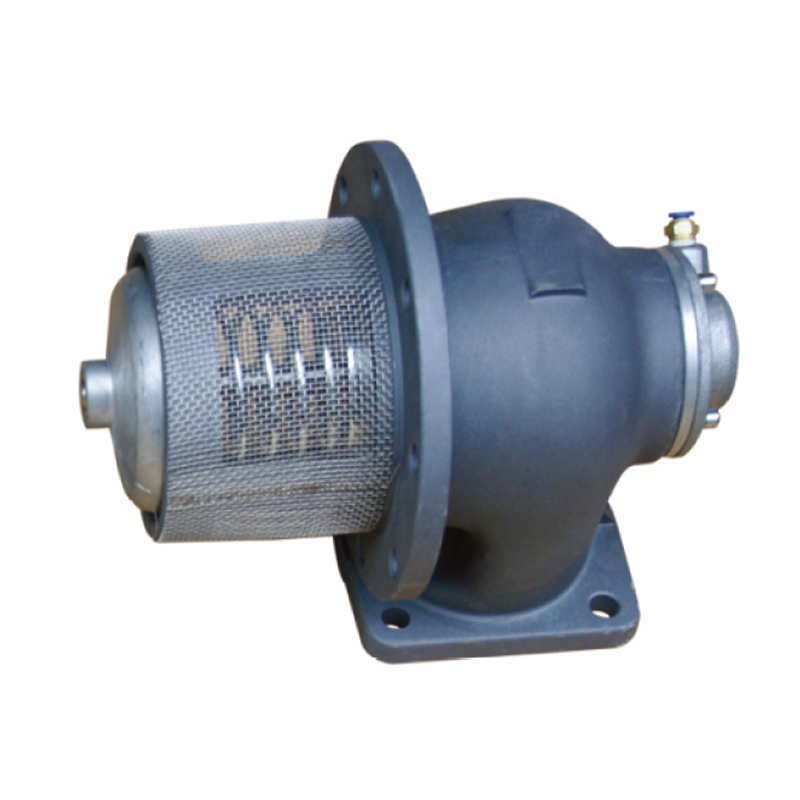


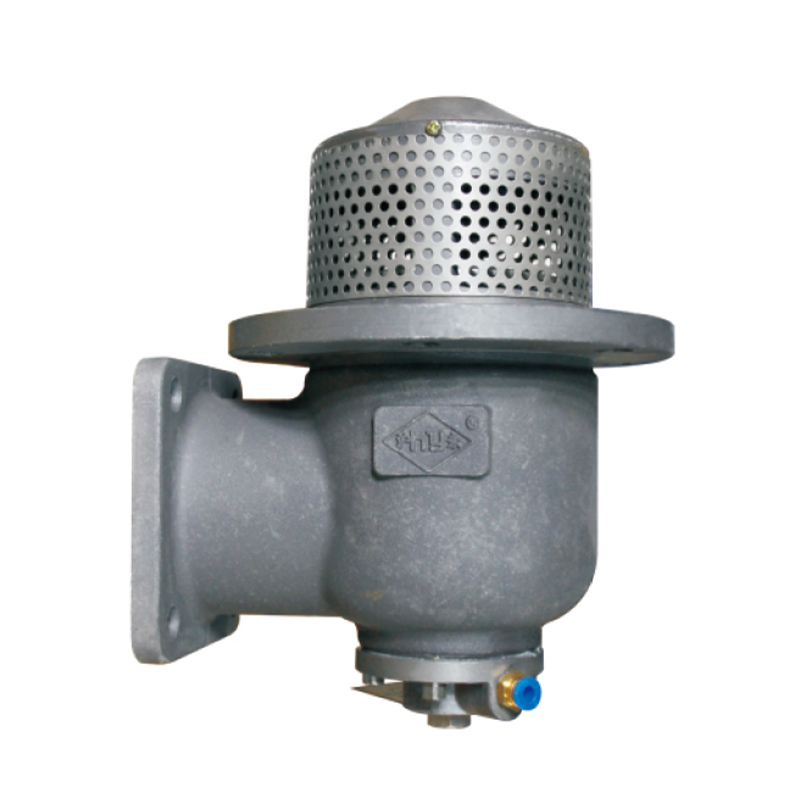
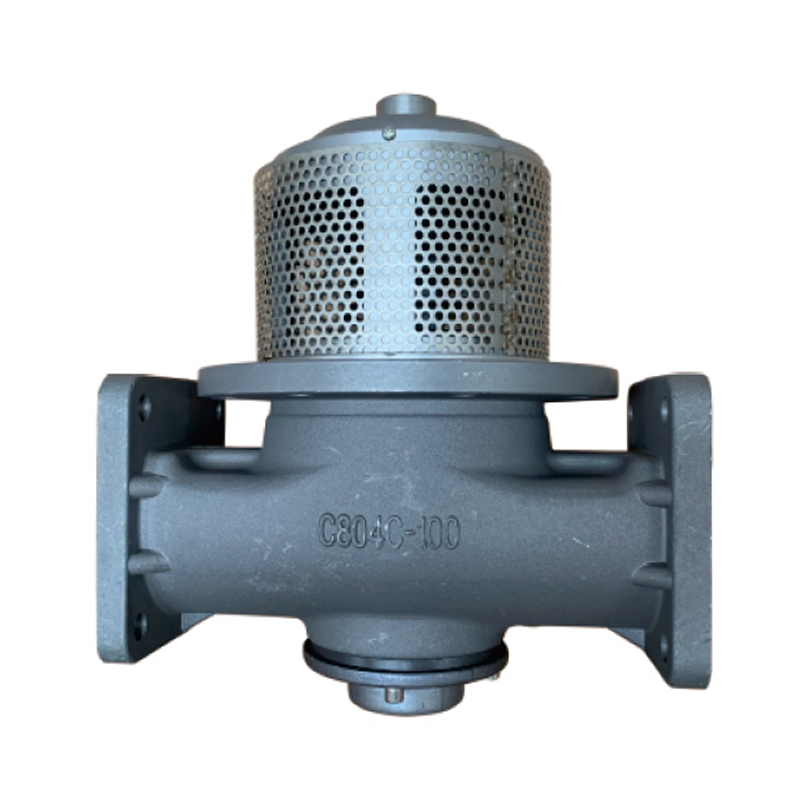
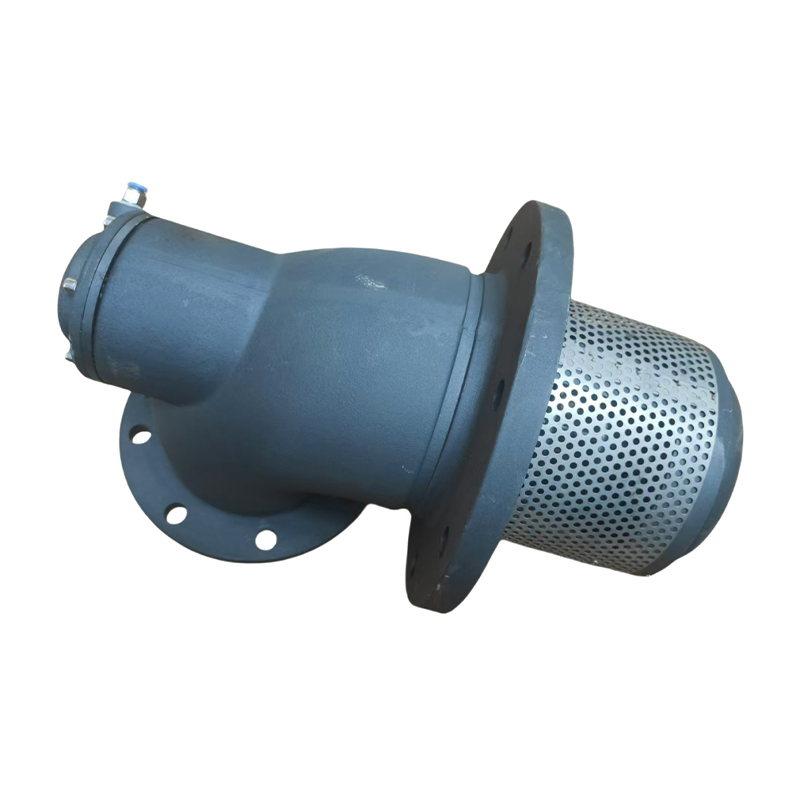
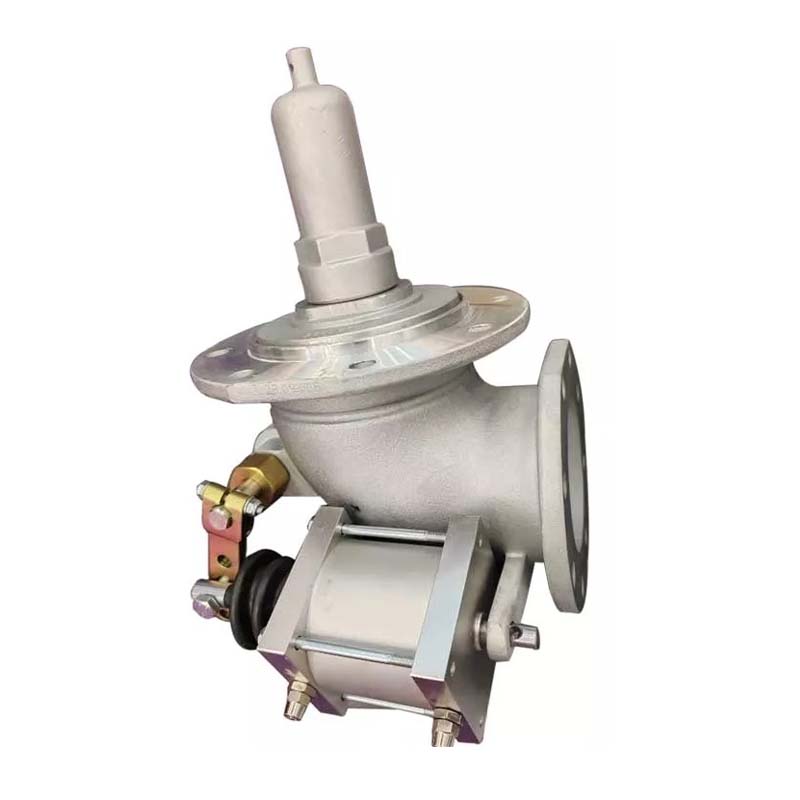
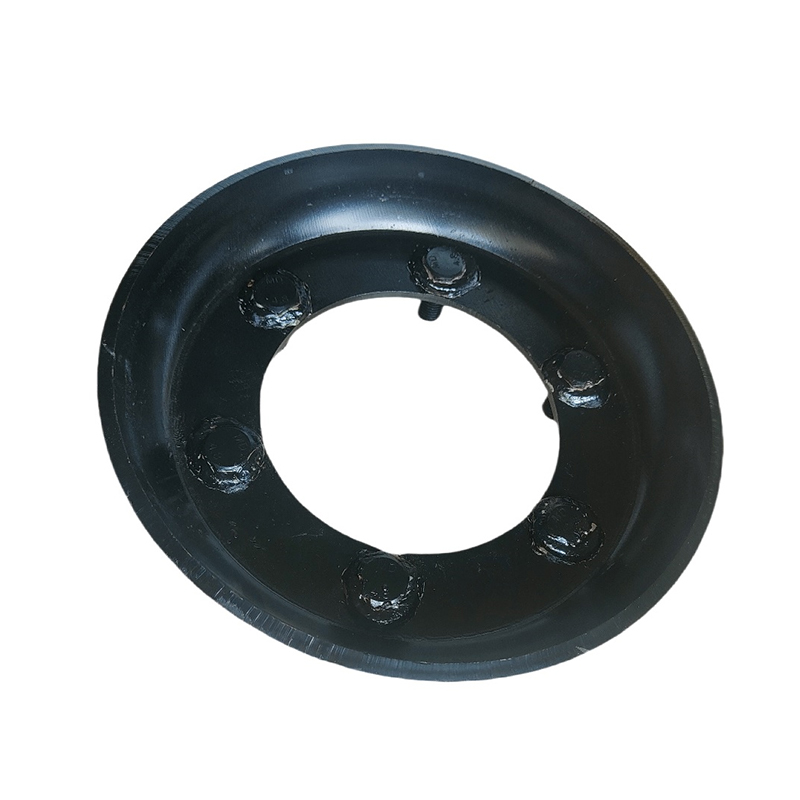
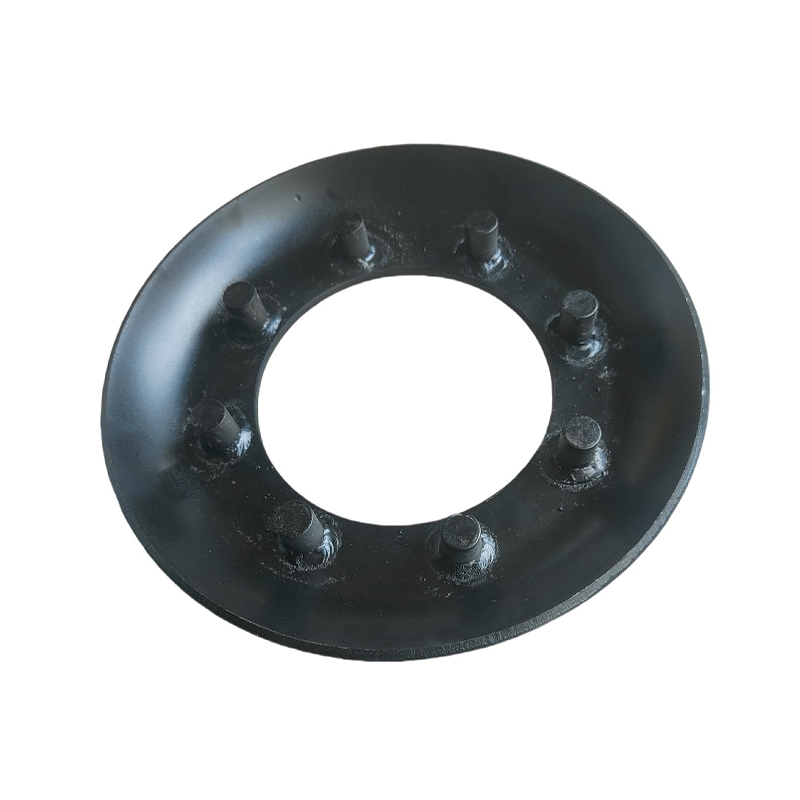
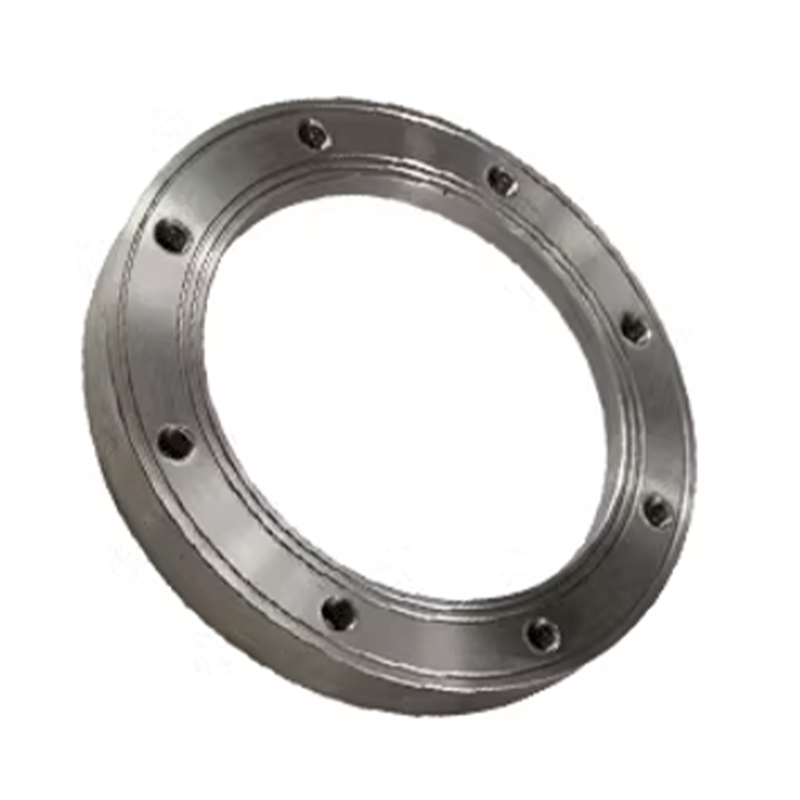
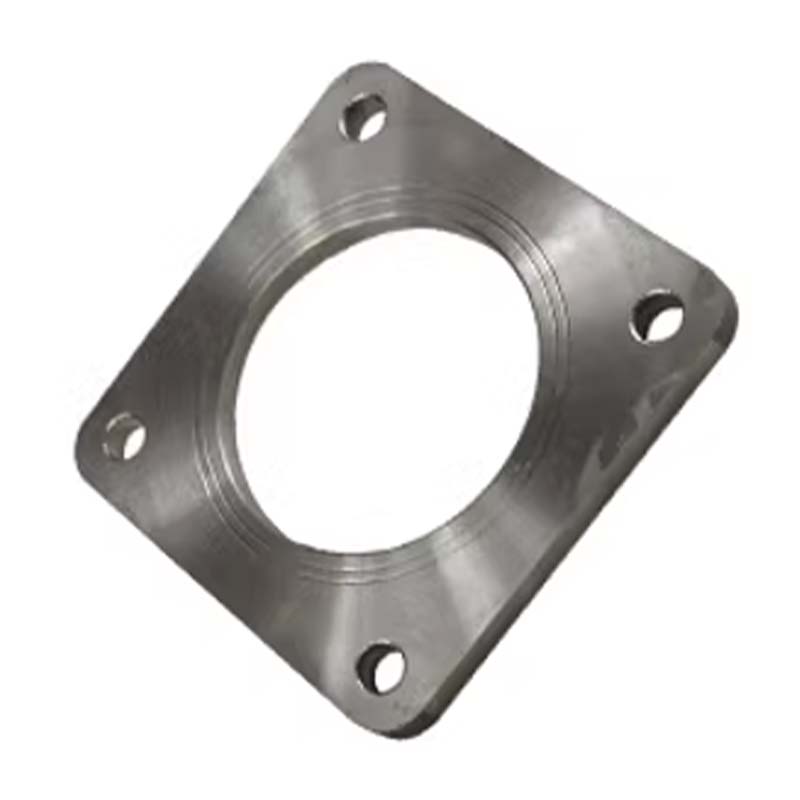
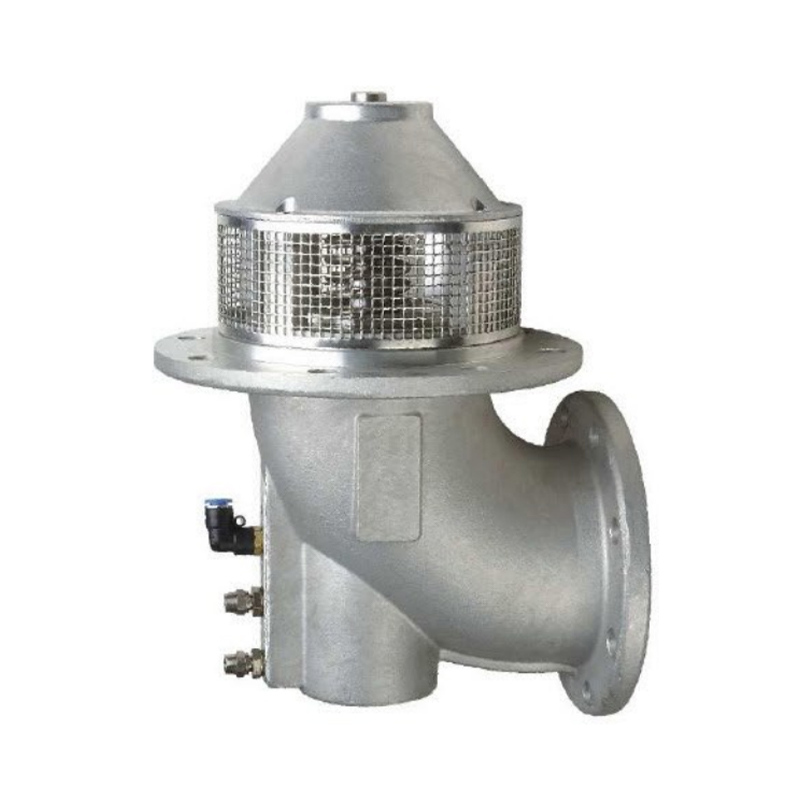
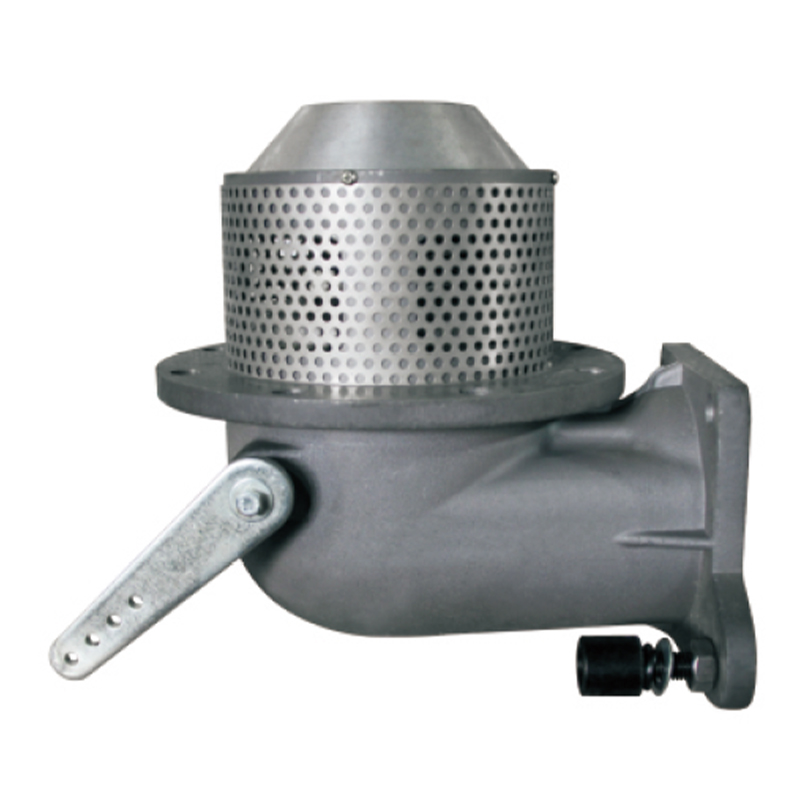
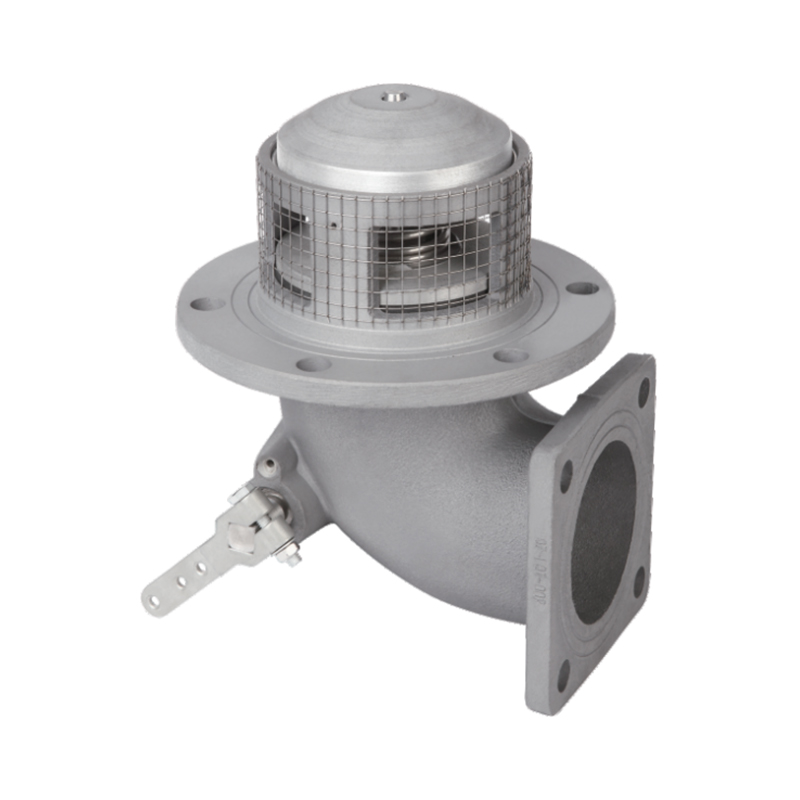
Tank truck bottom valves, foot valves, emergency shut-off valves, and related connection components are core elements of the tank truck bottom-loading system. They are widely used for the safe and efficient transportation of fuels, chemical liquids, and other hazardous or non-hazardous media. These components play a critical role in ensuring leak-proof and spill-free operations, enhancing transportation safety, operational efficiency, and environmental protection.
Product Overview and Functionality
Tank truck bottom valves, foot valves, emergency shut-off valves, and related flange connection components form a complete bottom-loading system, providing safe, reliable, and efficient loading and unloading operations. Key features include:
Secure Mechanical Connection: Ensures fast and reliable connection between tank trucks, pipelines, hoses, or loading/unloading arms.
High Flow Efficiency: Optimized flow channel design allows rapid loading and unloading operations.
Reliable Sealing: Advanced sealing structure prevents media leakage and environmental contamination.
Emergency Shut-off Function: Designed shear or break sections isolate the tank from the pipeline during accidents, minimizing spillage risk.
System Compatibility: Fully compatible with TTMA flange standards, EN 13308 standard valves, pneumatic or manual operations, dry-break couplers, ball valves, and grounding components.
These products are ideal for fuel depots, chemical tank trucks, mobile refueling stations, and other liquid transportation scenarios.
International Standards and Compliance
Tank truck bottom valves, foot valves, and related components comply with multiple international standards, ensuring global compatibility and operational safety:
EN 13308 – European bottom valve standard
TTMA RP84-92 / RP86-92 – Flange and shear force standards
DOT 49 CFR 178.345-8 / DOT 406 – U.S. Department of Transportation regulations
ADR / IMDG / RID – International chemical and fuel transport standards
ATEX – Optional explosion-proof certification for hazardous environments
Standardized design ensures safe and efficient operation of tank truck bottom-loading systems across different countries and loading terminals.
Material Selection and Engineering Design
Careful material selection and precise engineering design ensure corrosion resistance, mechanical strength, and long-term reliability. Common materials include:
Stainless Steel (304 / 316 / 316L) – Corrosion-resistant for chemical and fuel media
Carbon Steel – Economical solution for low-corrosive media
High-Strength Aluminum Alloy – Lightweight design, suitable for increasing payloads
PTFE / Viton Seals – Resistant to fuels and chemical liquids
Precision engineering ensures ease of maintenance, high flow efficiency, and seamless integration with pneumatic or manual control systems. Shear sections, break grooves, and spring-loaded sealing mechanisms effectively reduce leakage risks, enhancing transportation safety.
Manufacturing Capability and Customization
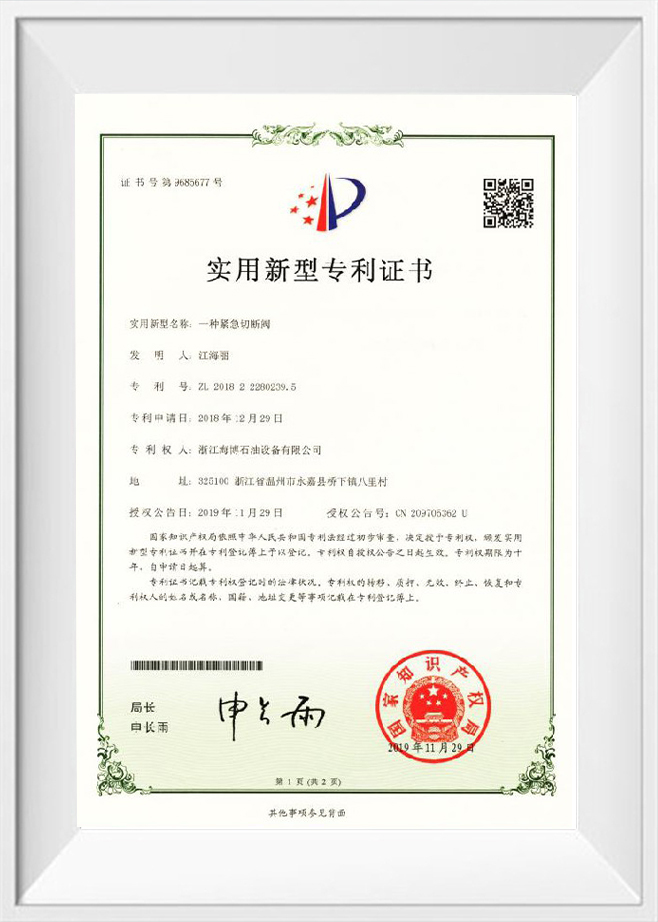
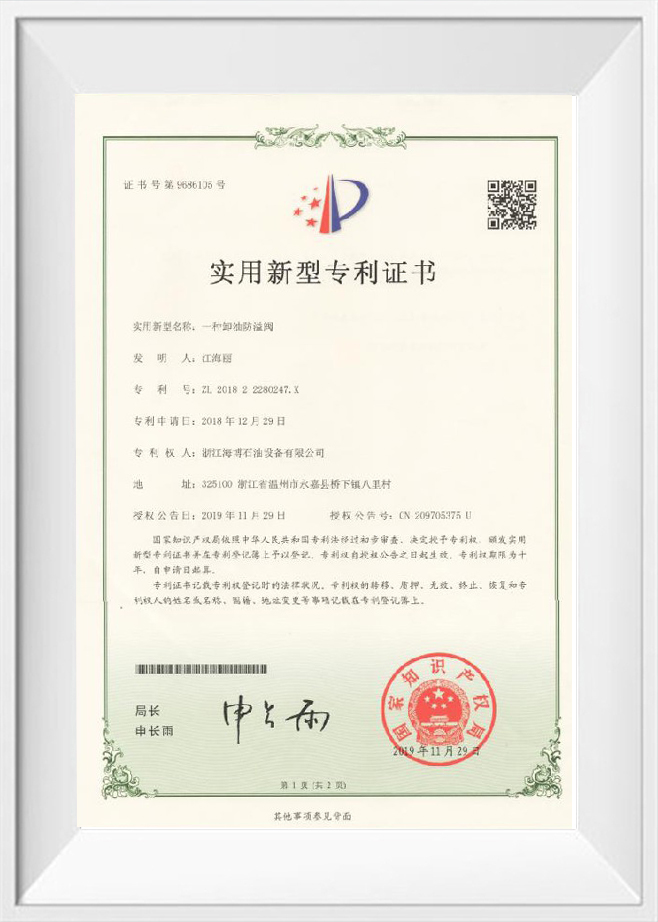
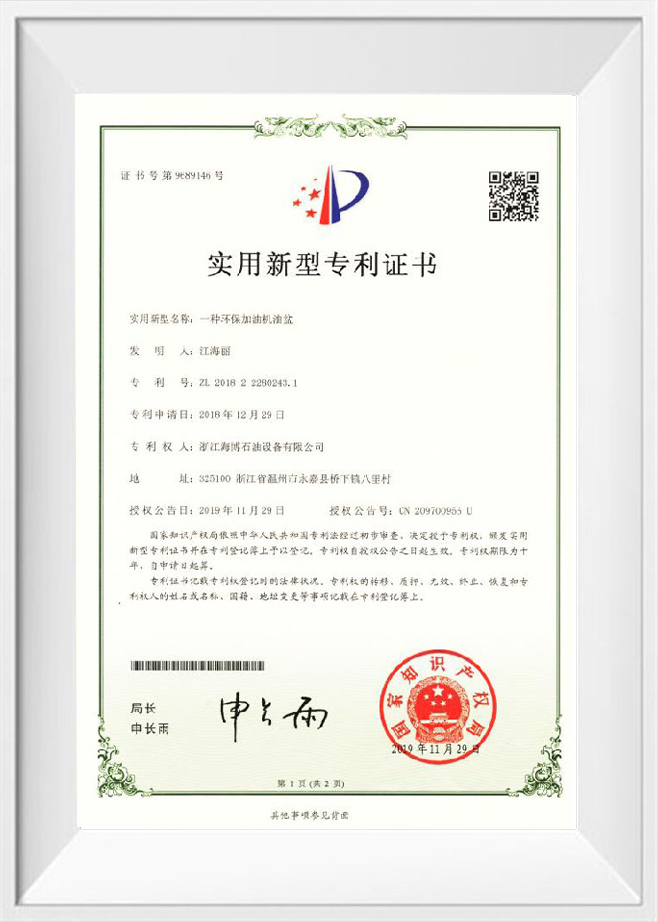
Zhejiang Haibo Petroleum Equipment Co., Ltd. has complete manufacturing capabilities for tank truck bottom valves and related components, including:
Bottom valves, foot valves, and emergency shut-off valves
Tank-side and pipe-side flange connection components (TTMA / EN 13308 standard)
Pneumatic and manual operation assemblies
Dry-break couplers, ball valves, and grounding components
We provide standardized products and also offer customized solutions for material, size, and interface requirements, meeting diverse global tank truck bottom-loading needs. All products comply with international standards (EN 13308, TTMA, ADR, DOT, ATEX), ensuring high reliability and long service life.
Typical Applications
Rapid bottom-loading and unloading systems for tank trucks
Chemical tank truck unloading and monitoring
Fuel depots and loading terminals
Fleet centralized refueling stations
Mobile or temporary loading/unloading operations
With standardized interfaces, multiple size options, and cost-effective solutions, this product series meets global bottom-loading requirements, providing safe, efficient, and reliable performance for operators.
Conclusion
Tank truck bottom valves, foot valves, emergency shut-off valves, and related components form the foundation of bottom-loading systems, with their performance directly affecting operational safety, efficiency, and environmental protection.
Zhejiang Haibo Petroleum Equipment Co., Ltd. leverages advanced engineering design, state-of-the-art manufacturing, and strict quality control to deliver professional, reliable, and internationally compliant tank truck bottom-loading solutions.
For technical specifications, system compatibility guidance, or custom solutions, please contact us. We provide one-stop professional services to help tank trucks and chemical trucks achieve safe, efficient, and environmentally friendly bottom-loading operations worldwide.

Fuel distribution is often described as a simple movement from one place to another. Fuel leaves a storage area and eventually reaches the point where it is needed. Yet the actual process involves mu...
READ MOREA dispensing system may look simple from the outside. A container holds a material. A tube carries it forward. A valve controls the flow. A nozzle places the material where it needs to go. Inside tha...
READ MOREA tank truck is easy to recognize, but its construction is more involved than the large metal tank visible from the road. Beneath the outer shell is a coordinated system designed to contain cargo, sup...
READ MOREFuel storage and handling involve more than moving liquid fuel from one place to another. Fuel can also release vapors during storage, loading, unloading, and transfer. These vapors can affect how a f...
READ MOREVehicle refueling is a familiar activity. A driver parks at a fuel station, selects the required fuel, starts the pump, and waits for the tank to fill. Although the process appears simple, fuel handli...
READ MOREWhy is vapor recovery important in fuel handling? Pump gas into your car, and you're actually part of a much bigger vapor management story happening around you. Every time fuel moves — whether it's a ...
READ MOREIndustrial storage is rarely a one-size-fits-all situation. Materials behave differently from each other, environments swing between extremes, and operating conditions rarely stay perfectly stable for...
READ MORE
Quick Links
Product Categories
Contact Us
+86-13989700818 (Whatsapp)
+86-13695828855
No. 3, Xinbin Road, Yangwan Industrial Zone, Qiaoxia Town, Yongjia County, Wenzhou City, Zhejiang Province
Get in Touch
 Factory Wholesale Fuel Discharge & Tank Safety Valve Solutions