 English
 中文简体
中文简体
 Español
Fuel distribution is often described as a simple movement from one place to another. Fuel leaves a storage area and eventually reaches the point where it is needed. Yet the actual process involves mu...
READ MORE
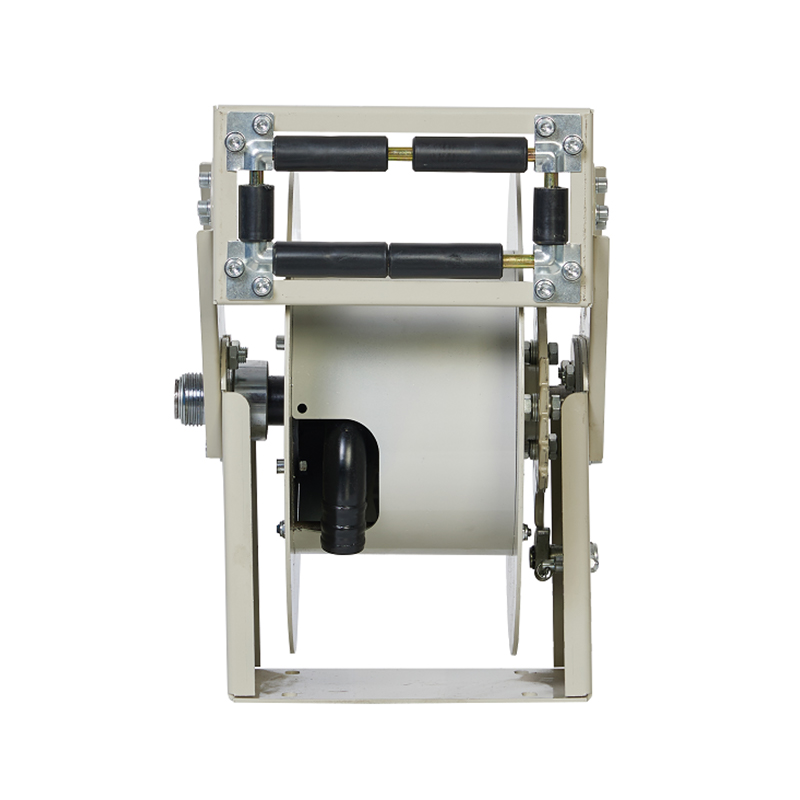


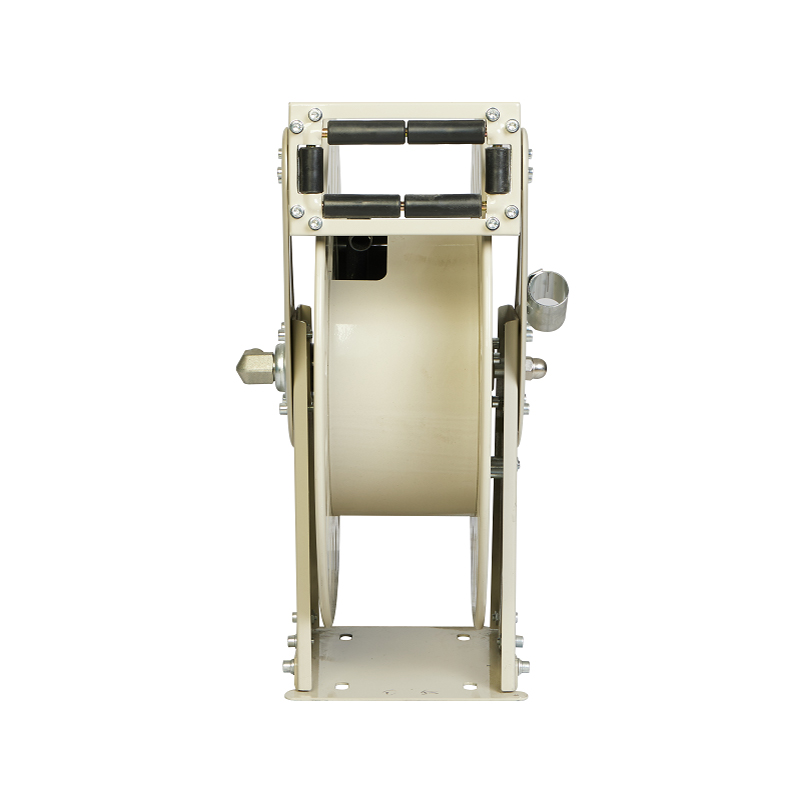
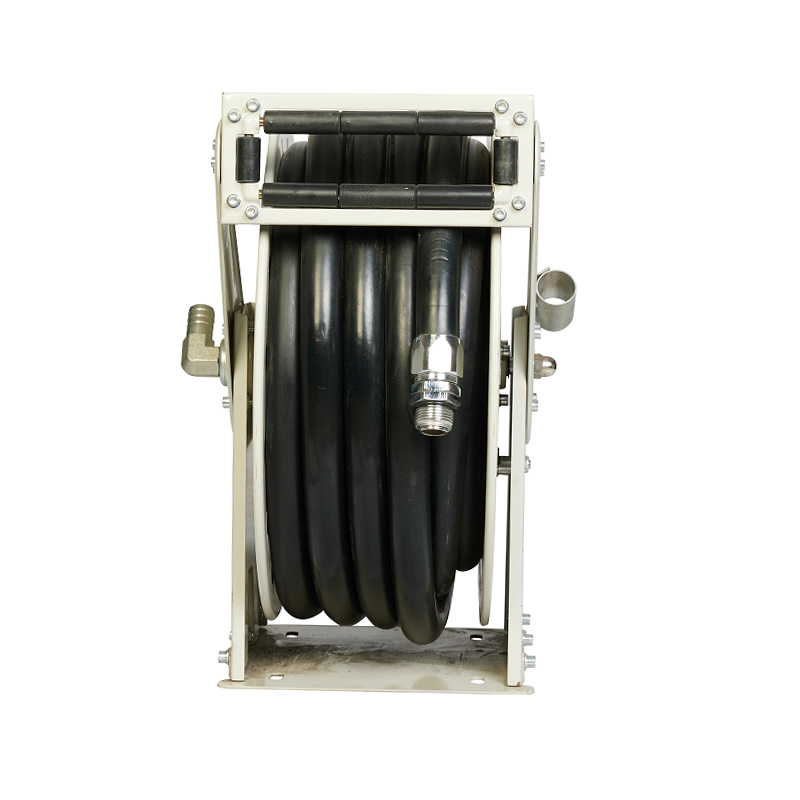
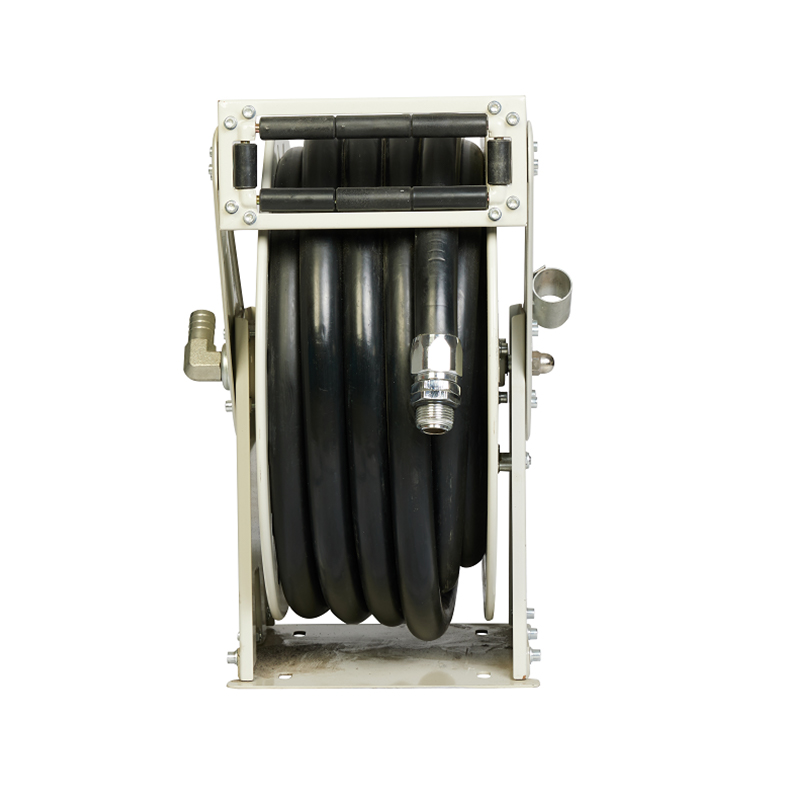
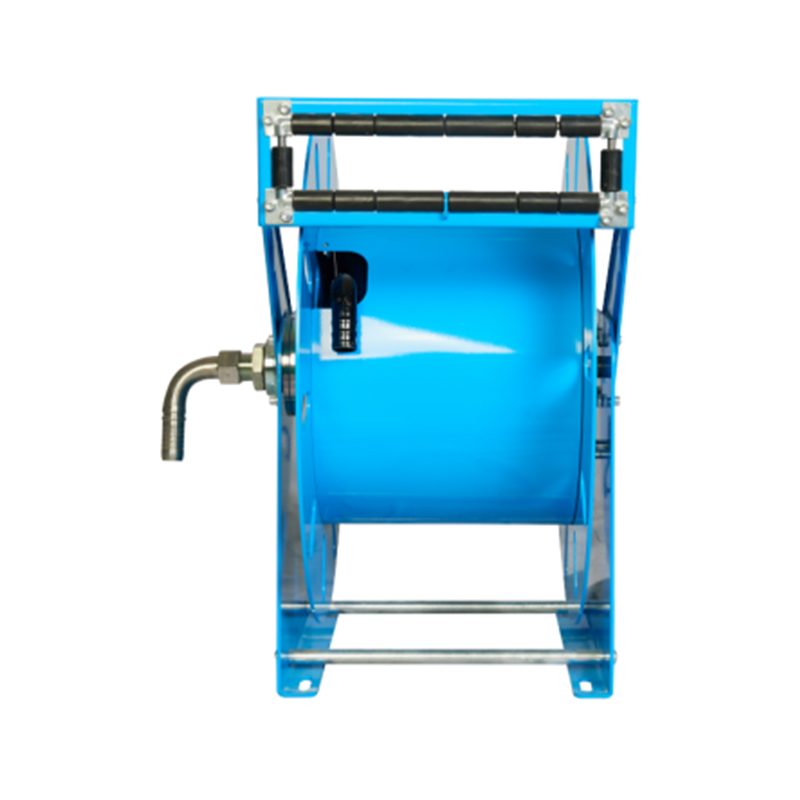
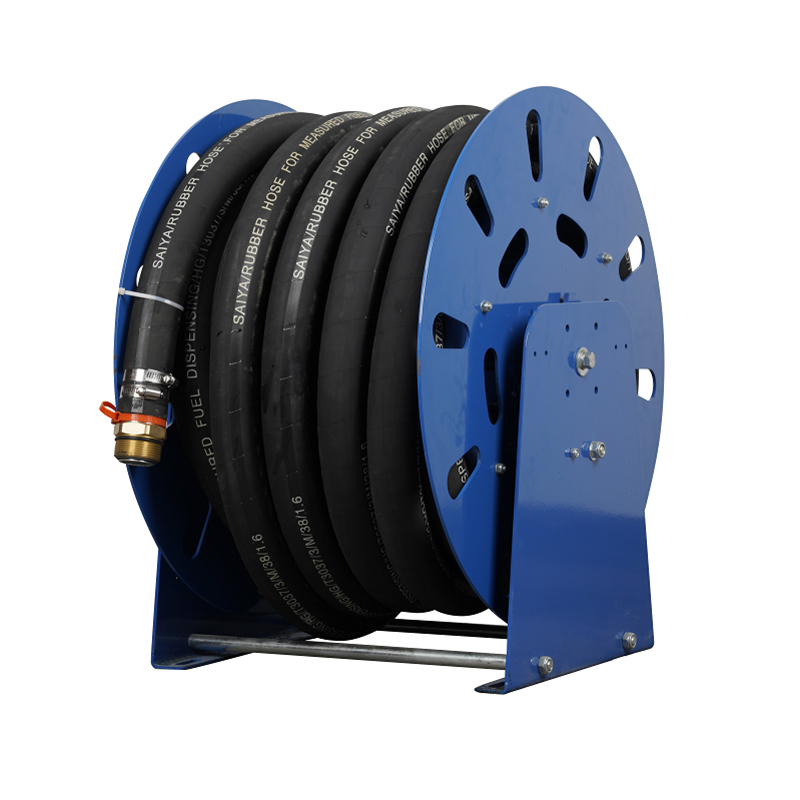
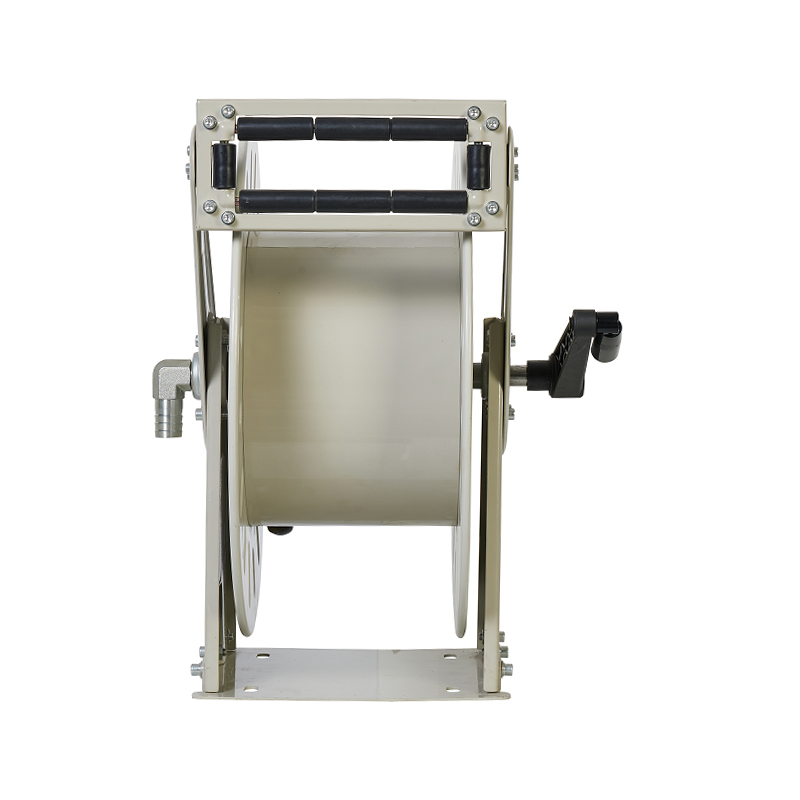
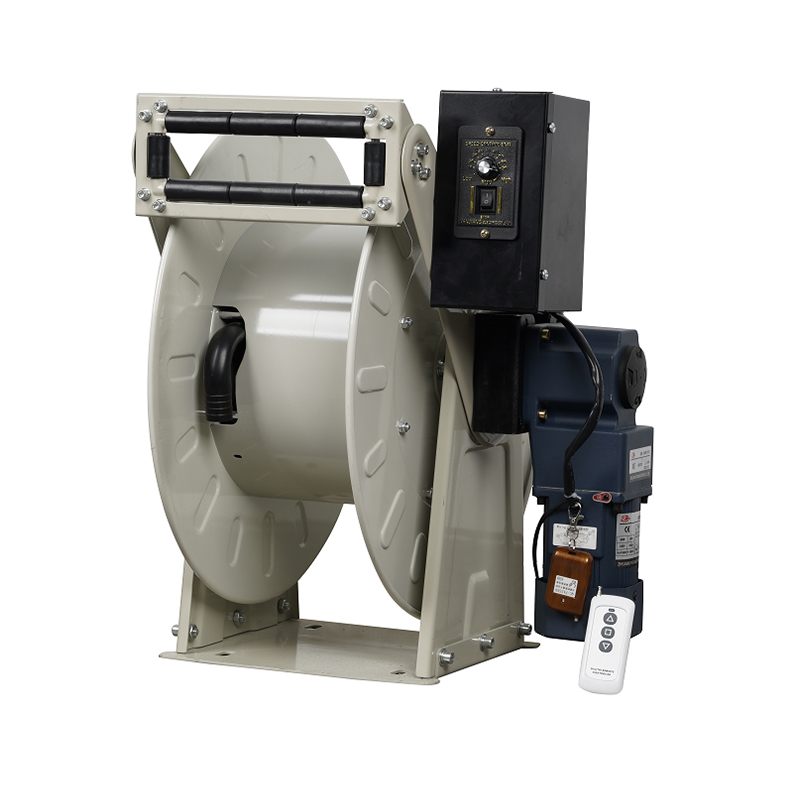
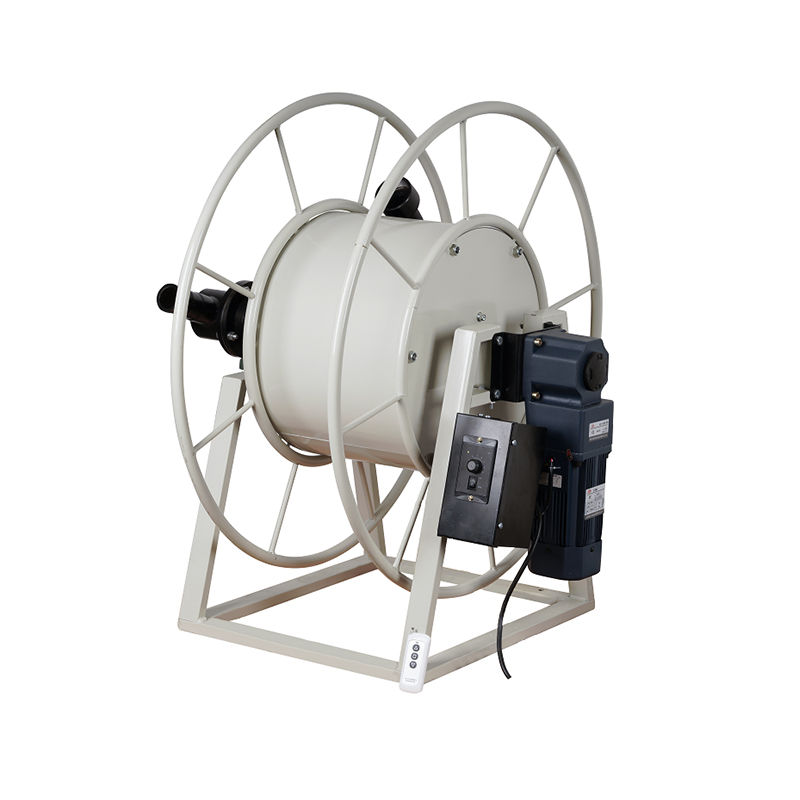
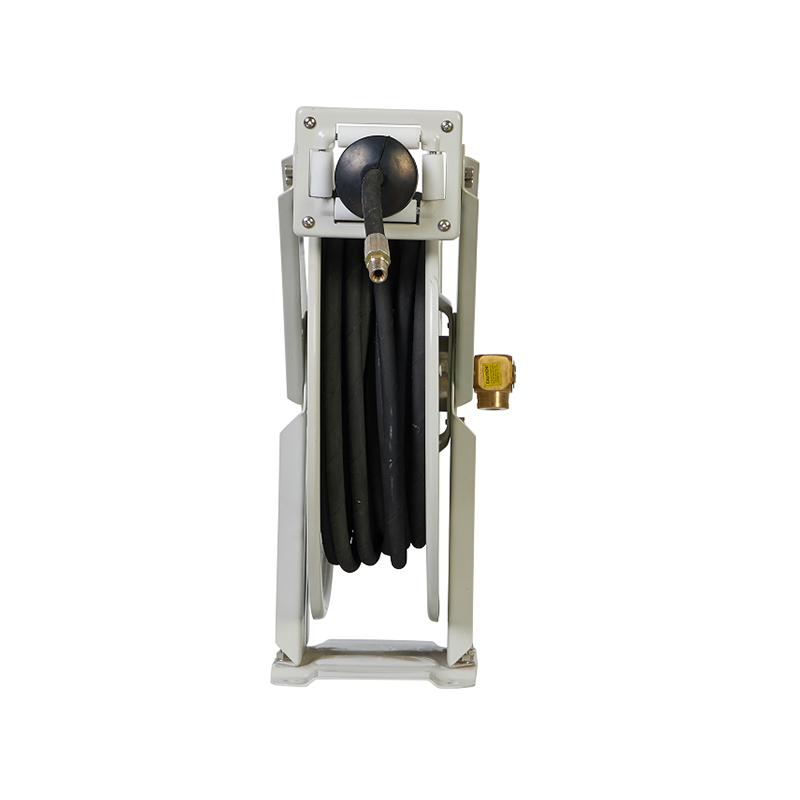
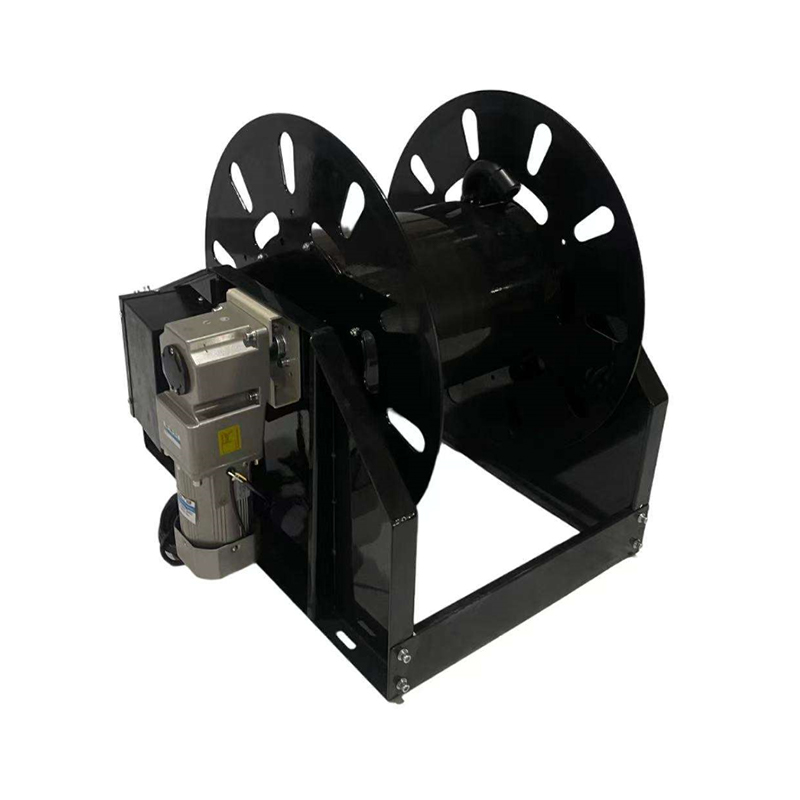
Hose reels are essential equipment in industrial and commercial environments for managing hoses, pipes, cables, or other long flexible materials. By efficiently storing and protecting hoses or cables, hose reels improve operational efficiency, safety, and equipment lifespan. With a variety of uses, materials, and drive mechanisms, hose reels meet the diverse needs of industries ranging from fuel dispensing and electrical maintenance to garden irrigation, hydraulic systems, and pneumatic control.
This article provides a detailed overview of different types of hose reels, their core advantages, applications, and selection guidelines to help buyers and end users choose the right solution.
1. Hose Reels Classified by Application
Fuel & Diesel Hose Reels
Fuel hose reels are designed for safe and efficient management of diesel and other high flash point fuels. Typically paired with fuel hoses and dispensing nozzles, they are widely used in fleet fuel stations, mobile refueling vehicles, and on-site diesel supply points.
Cable & Power Cord Reels
These reels are used to store and organize electrical cables and power cords, preventing tangling, wear, and electrical faults. Common applications include factories, workshops, and construction sites.
Water Hose Reels
Water hose reels are specially designed for garden hoses, vehicle washing, and high-pressure cleaning equipment. Their waterproof and weather-resistant features make them ideal for outdoor use.
Hydraulic Hose Reels
Hydraulic hose reels are engineered to handle high-pressure hydraulic hoses. They are used in construction machinery, hydraulic control systems, and maintenance platforms, requiring high structural strength and pressure resistance.
Air Hose Reels
Air hose reels are used for storing compressed air hoses, maintaining an organized and safe pneumatic supply system, and are often paired with pneumatic tools.
2. Hose Reels Classified by Material
Standard Steel Reels
Suitable for most industrial and commercial applications, steel reels offer strong mechanical strength and durability.
Stainless Steel Reels
Stainless steel reels provide excellent corrosion resistance, making them ideal for outdoor, marine, high-humidity environments, and industries requiring strict hygiene, such as food and chemical processing.
Aluminum Alloy Reels
Lightweight and corrosion-resistant, aluminum alloy reels are suitable for mobile applications or scenarios where weight is a concern.
Plastic & Polymer Reels
Plastic reels offer strong water resistance and cost efficiency, commonly used for light-duty hoses and garden irrigation.
3. Hose Reels Classified by Drive Mechanism
Manual Hose Reels
The most basic type, manually operated by a hand crank. Simple and easy to maintain, suitable for light-duty applications.
Spring Retractable Hose Reels
Utilize spring tension to automatically retract hoses, providing convenience and efficiency. Commonly used in industrial and workshop settings.
Damped Retractable Hose Reels
Feature a damping mechanism for smooth and safe hose retraction, preventing hoses from snapping back too quickly.
Electric Powered Hose Reels
Motor-driven hose reels for automatic retraction and extension, ideal for long hoses, large diameters, or high-frequency use in automated factories and service vehicles.
Air Powered Hose Reels
Powered by compressed air, these reels are suitable for workshops or production lines with extensive pneumatic systems.
4. Other Common Features and Reel Types
Integrated Pump, Hose Reel, and Flow Meter Systems
These all-in-one systems integrate a fuel pump, hose reel, and flow meter, suitable for fleet refueling stations, mobile fuel service vehicles, or fixed fuel management setups.
Outdoor & Weather-Resistant Hose Reels
Designed for harsh environments, these reels often feature IP protection ratings (IP54, IP55, IP65) to resist dust and water ingress.
Multi-Hose Reels
Capable of storing multiple hoses for different media (e.g., fuel, air, water), suitable for complex on-site workstations.
5. Core Advantages of Hose Reels
Cleaner and Safer Work Areas
Hose reels help organize hoses and cables, reducing clutter and improving safety and professionalism on site.
Extended Hose and Cable Lifespan
By preventing kinks, abrasion, and foot traffic damage, hose reels significantly extend the service life of hoses and cables.
Improved Operational Efficiency
Automatic retraction and quick extension features save labor and time, enhancing on-site productivity.
Enhanced Safety
Standardized reels reduce the risk of leaks, tripping hazards, and wear-related accidents, particularly in hydraulic, pneumatic, and fuel dispensing systems.
6. Common Applications
Fleet fuel stations and vehicle maintenance centers
Industrial production lines and equipment maintenance
Construction sites for fuel and water supply
Agricultural machinery hydraulic and fuel management
Garden irrigation and high-pressure cleaning
Marine vessels and offshore facilities
Petrochemical sites for fluid transfer
Industrial assembly lines for pneumatic and electrical wiring
7. Conclusion
Modern hose reels have evolved from simple storage tools into essential on-site management systems. By understanding their applications, materials, and drive mechanisms, buyers can select the most suitable solution for fuel, hydraulic, pneumatic, and electrical management.
Whether in industrial production lines, construction sites, or maintenance centers, hose reel systems play a crucial role in improving efficiency, ensuring safety, and extending equipment life.

Fuel distribution is often described as a simple movement from one place to another. Fuel leaves a storage area and eventually reaches the point where it is needed. Yet the actual process involves mu...
READ MOREA dispensing system may look simple from the outside. A container holds a material. A tube carries it forward. A valve controls the flow. A nozzle places the material where it needs to go. Inside tha...
READ MOREA tank truck is easy to recognize, but its construction is more involved than the large metal tank visible from the road. Beneath the outer shell is a coordinated system designed to contain cargo, sup...
READ MOREFuel storage and handling involve more than moving liquid fuel from one place to another. Fuel can also release vapors during storage, loading, unloading, and transfer. These vapors can affect how a f...
READ MOREVehicle refueling is a familiar activity. A driver parks at a fuel station, selects the required fuel, starts the pump, and waits for the tank to fill. Although the process appears simple, fuel handli...
READ MOREWhy is vapor recovery important in fuel handling? Pump gas into your car, and you're actually part of a much bigger vapor management story happening around you. Every time fuel moves — whether it's a ...
READ MOREIndustrial storage is rarely a one-size-fits-all situation. Materials behave differently from each other, environments swing between extremes, and operating conditions rarely stay perfectly stable for...
READ MORE
Quick Links
Product Categories
Contact Us
+86-13989700818 (Whatsapp)
+86-13695828855
No. 3, Xinbin Road, Yangwan Industrial Zone, Qiaoxia Town, Yongjia County, Wenzhou City, Zhejiang Province
Get in Touch
 Factory Supply Fuel Hose Reels with Flexible Options