 English
 中文简体
中文简体
 Español
Fuel distribution is often described as a simple movement from one place to another. Fuel leaves a storage area and eventually reaches the point where it is needed. Yet the actual process involves mu...
READ MORE


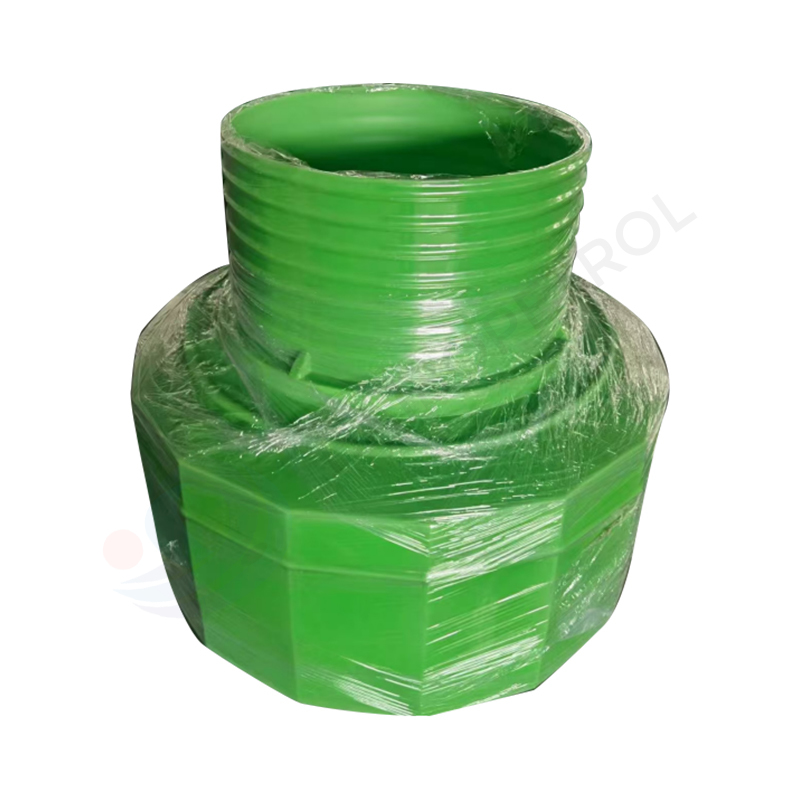
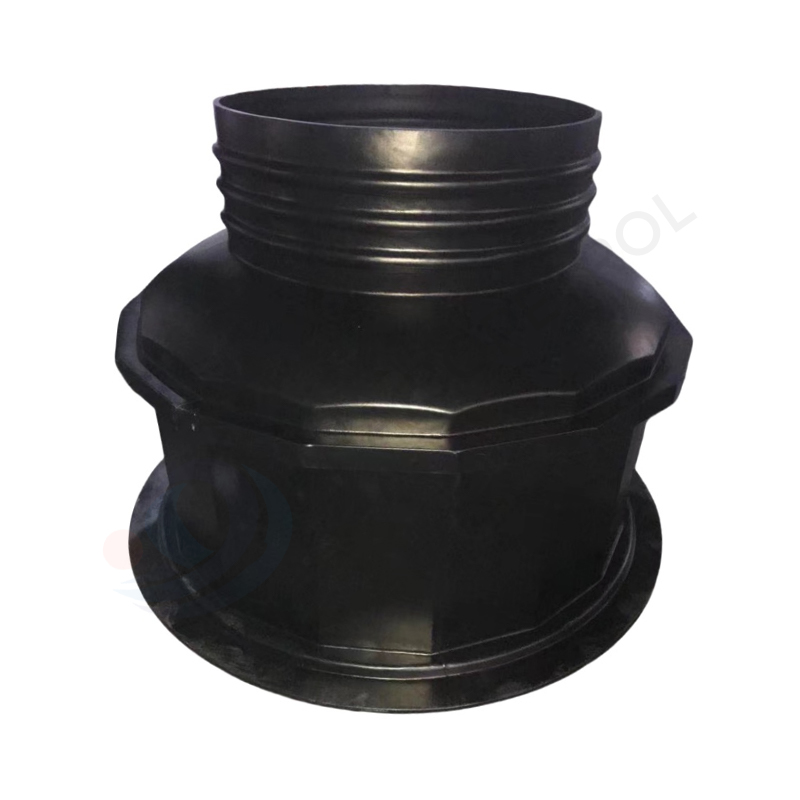
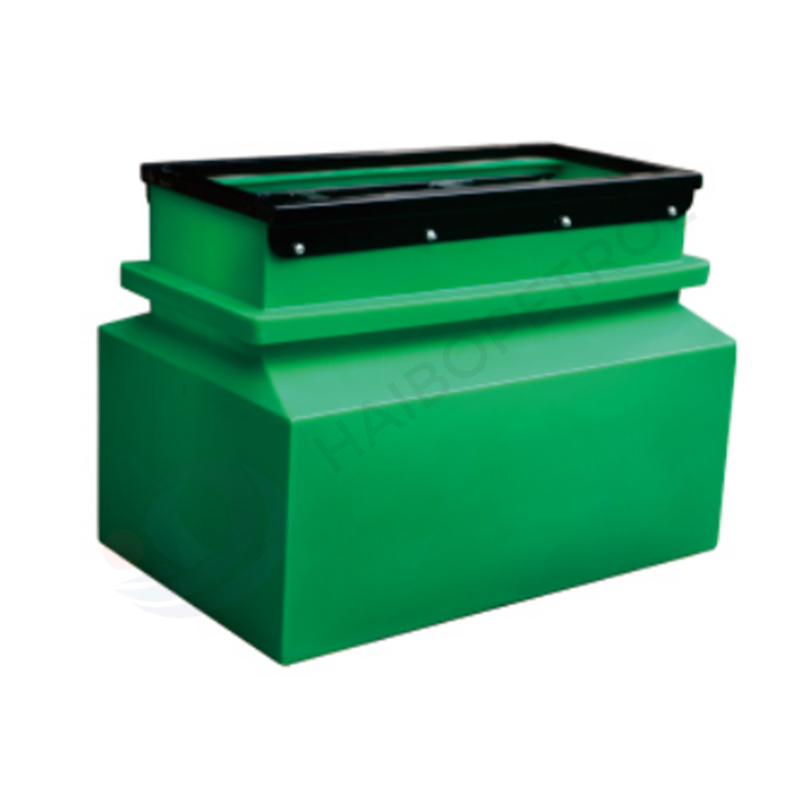
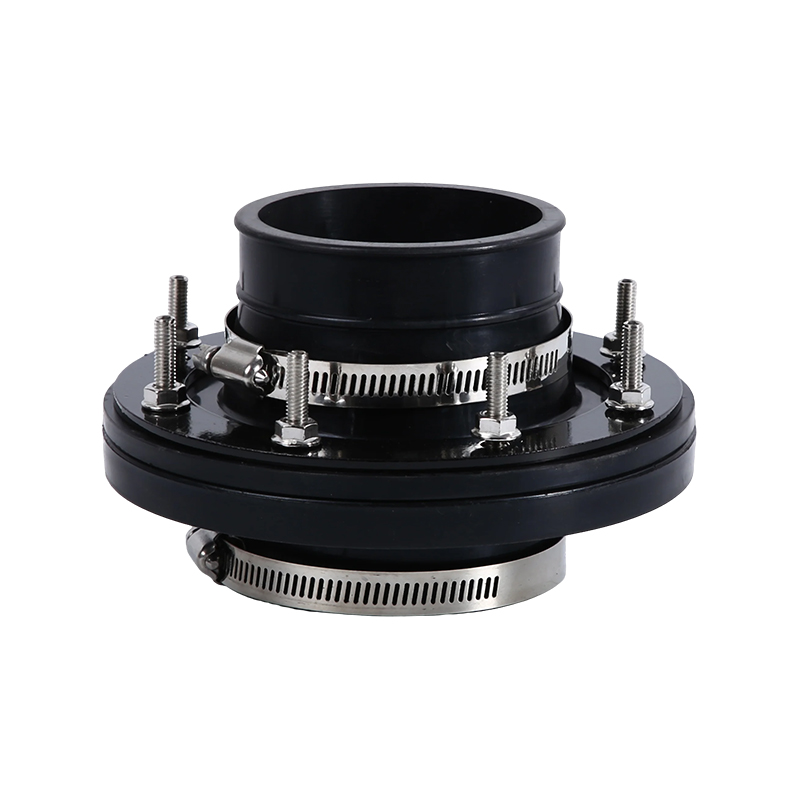
As environmental regulations become increasingly stringent and gas station safety standards rise, modern underground storage tank (UST) systems require more than just fuel storage. They need advanced environmental protection components that prevent leaks, spills, and soil or groundwater contamination throughout the system’s lifecycle.
Our full range of UST environmental protection products covers containment, corrosion resistance, access safety, and reliable piping infrastructure, providing a complete solution.
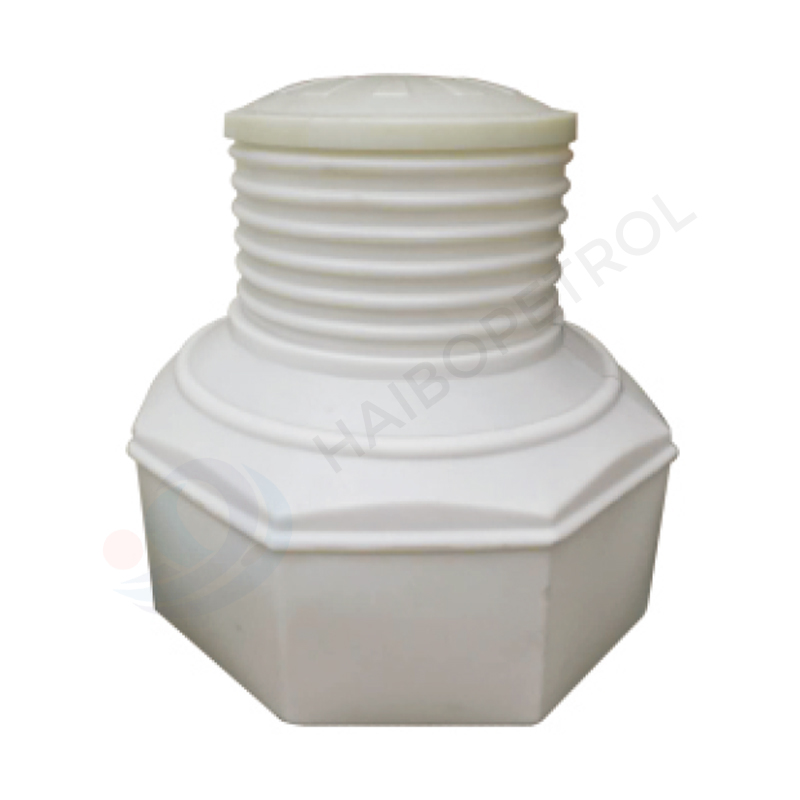
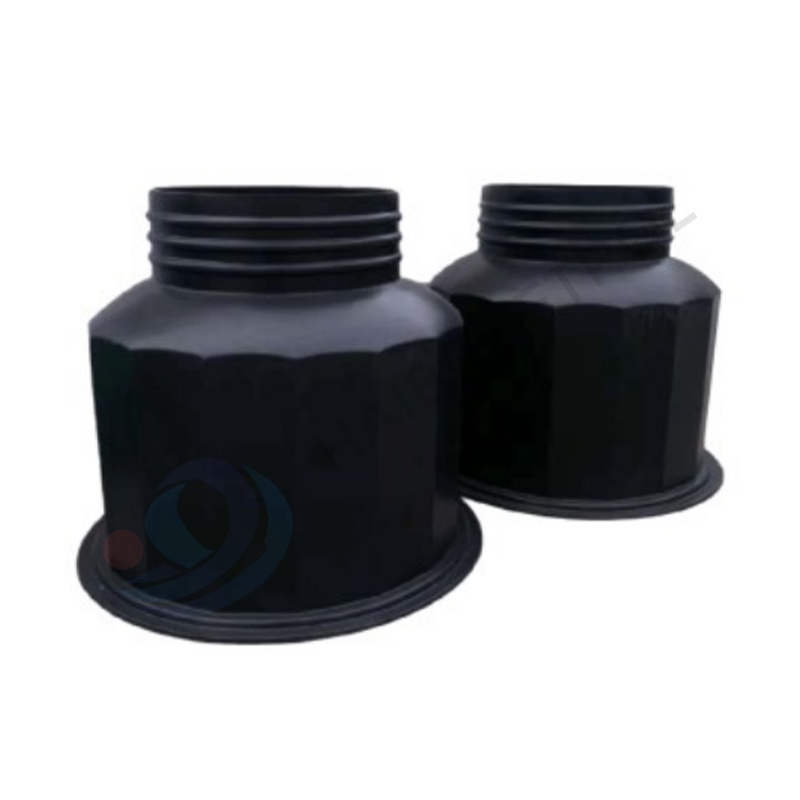
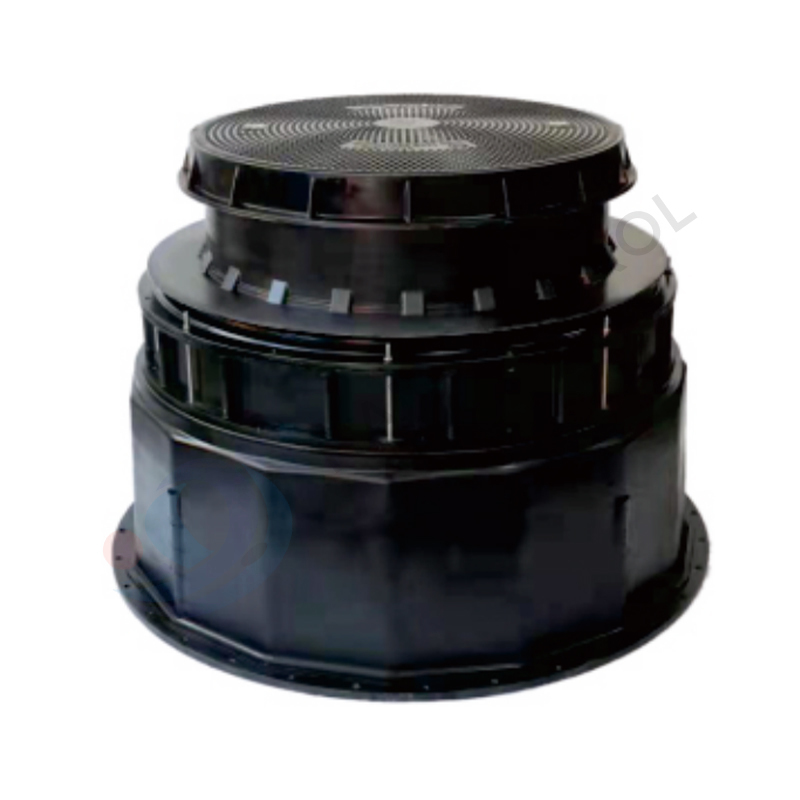
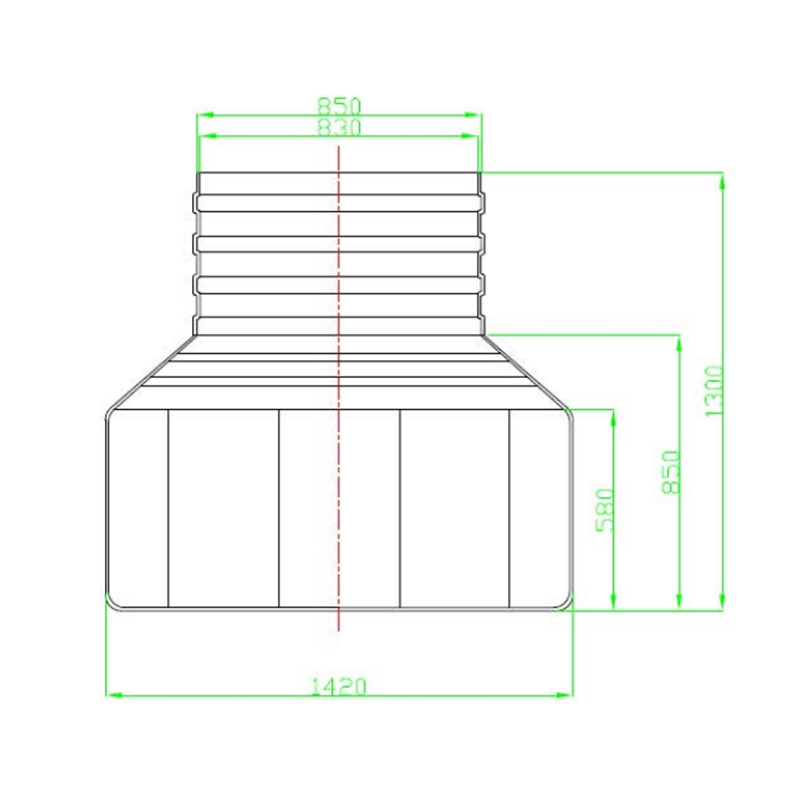
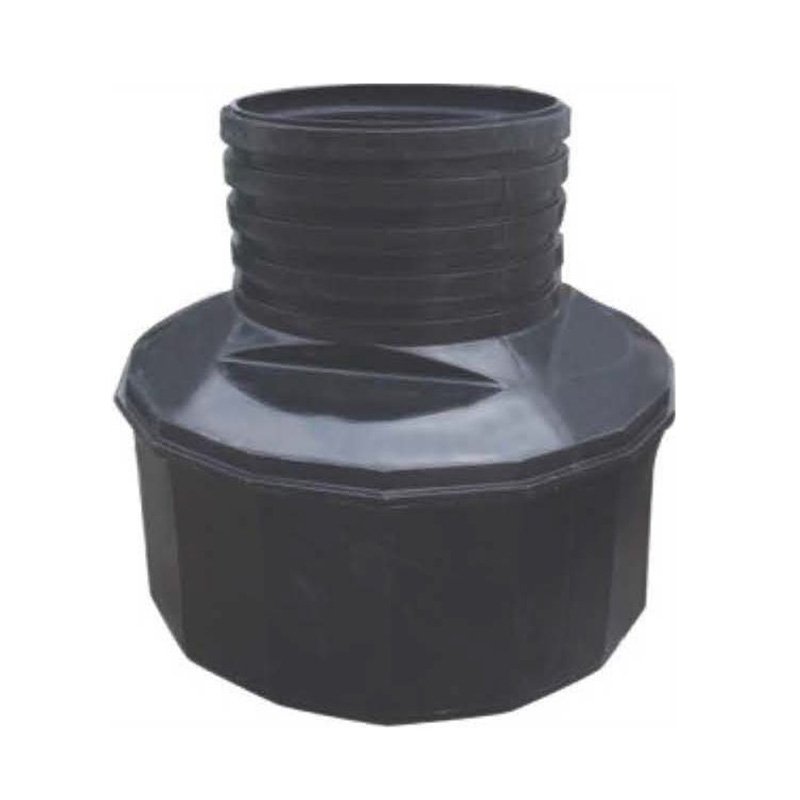
1. PE Manhole Operation Wells & Chambers
PE manhole wells and chambers provide reliable, corrosion-resistant access points for UST components, including piping, sensors, submersible pumps, and monitoring devices.
Key benefits:
Excellent corrosion resistance in buried environments
Lightweight yet highly durable construction
Enhanced sealing to minimize water infiltration
Compliant with industry containment and access requirements
Common industry terms include manhole chambers, access wells, containment vaults, monitoring wells, and inspection pits. These components are essential for both new installations and retrofitting existing fueling facilities.
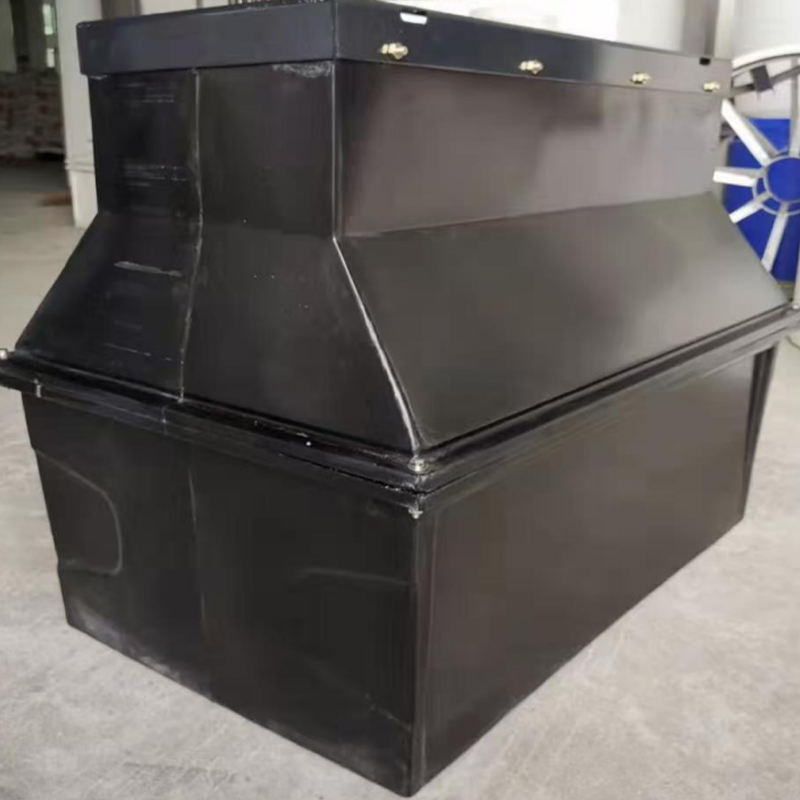
2. PE Fuel Dispenser Sumps & Parts
Sumps are underground containment basins located beneath fuel dispenser equipment, serving as spill and leak containment solutions during installation, maintenance, or equipment malfunction.
Our PE fuel dispenser sumps and parts provide:
High impact resistance and chemical durability
Long service life in corrosive underground environments
Compatibility with submersible pumps, vapor piping, and sensor conduits
Industry terminology often includes dispenser containment sumps, spill buckets, containment basins, and under-dispenser sumps.
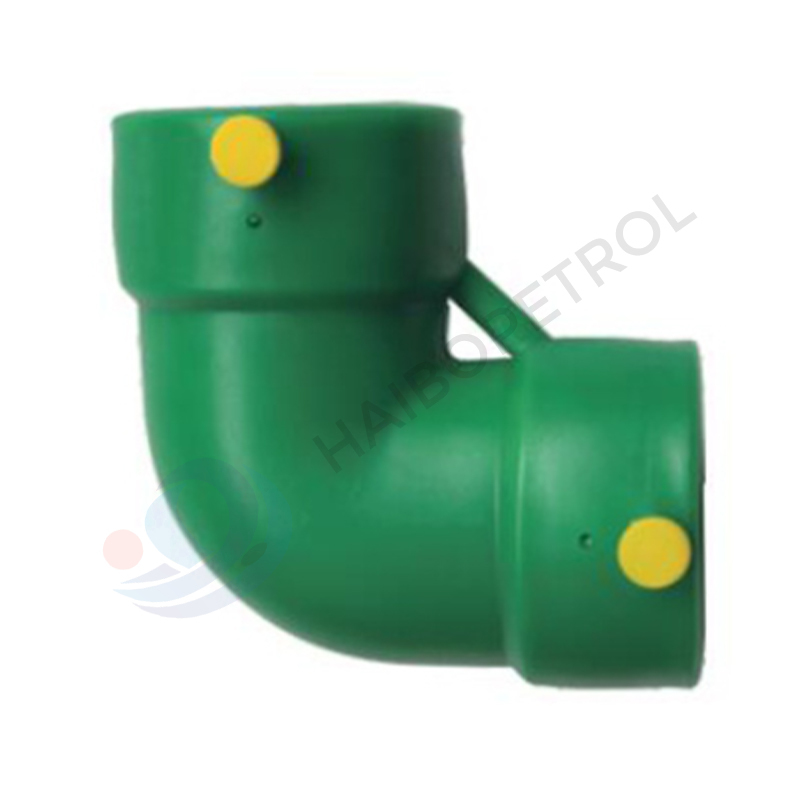
3. DHPE Composite Pipes and Fittings
DHPE (Dense High-Density Polyethylene) composite pipes and fittings replace traditional steel piping, significantly enhancing underground fuel delivery reliability.
Advantages:
Corrosion-resistant without cathodic protection
Flexible for easier installation with fewer joints
Fully compatible with existing UST infrastructure
DHPE components are widely used for fuel delivery lines, dispenser leads, transition piping, and secondary containment piping where environmental protection and system longevity are critical.
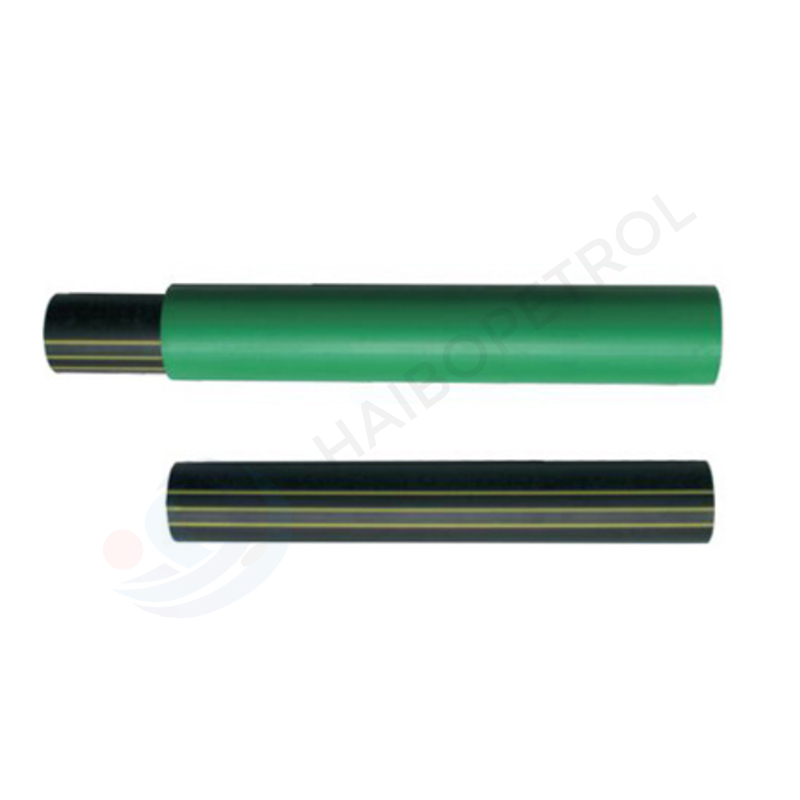
4. PE Composite Buried Fuel Piping (Steel Pipe Replacement)
With industry standards evolving, non-metallic piping is increasingly preferred over traditional steel due to long-term corrosion risks.
PE buried fuel piping offers:
Corrosion-free operation eliminating steel degradation
Reduced maintenance and inspection requirements
Superior performance under soil and groundwater conditions
This solution aligns with global trends toward composite UST systems designed to minimize environmental risk.
5. SMC Manhole Cover Kits
SMC (Sheet Molding Compound) manhole cover kits provide robust surface-level protection for underground access points.
Features include:
Vehicle and pedestrian load-bearing capacity
Excellent weathering and UV resistance
Tamper-resistant locking and sealing
SMC manhole covers are widely used at gas stations, maintenance yards, and other commercial facilities, balancing durability with environmental compliance.
6. Additional UST Protection Components
A complete UST environmental protection strategy also includes:
Spill containment basins and spill buckets at fill points
Transition sumps and intermediate containment basins along piping runs
Monitoring wells for leak detection and environmental surveillance
Transition fittings and flexible connectors connecting tanks, piping, and dispensers
These components work together to prevent soil and groundwater contamination while ensuring compliance with UST environmental regulations.
7. Why Choose Comprehensive Environmental Protection Solutions?
UST systems worldwide are subject to strict environmental and safety standards. Best practices recommend double containment, vapor recovery, leak detection, and corrosion-resistant materials to protect personnel, property, and the environment.
By combining PE/DHPE materials with engineered containment components, sumps, piping, and manhole systems, your facility benefits from:
Reduced risk of soil and groundwater contamination
Compliance with regulatory requirements
Extended system lifespan with fewer maintenance interventions
Reliable and future-ready fueling infrastructure
8. Conclusion
Modern fueling infrastructure requires more than tanks and piping. To meet today’s environmental and operational standards, a complete suite of UST environmental protection products—including PE manhole chambers, fuel dispenser sumps, composite buried piping, DHPE pipes and fittings, and SMC manhole cover kits—is essential.
Investing in these engineered solutions enhances safety, protects natural resources, and ensures compliance with evolving industry and environmental standards, providing long-term, reliable operation for gas stations.
Fuel distribution is often described as a simple movement from one place to another. Fuel leaves a storage area and eventually reaches the point where it is needed. Yet the actual process involves mu...
READ MOREA dispensing system may look simple from the outside. A container holds a material. A tube carries it forward. A valve controls the flow. A nozzle places the material where it needs to go. Inside tha...
READ MOREA tank truck is easy to recognize, but its construction is more involved than the large metal tank visible from the road. Beneath the outer shell is a coordinated system designed to contain cargo, sup...
READ MOREFuel storage and handling involve more than moving liquid fuel from one place to another. Fuel can also release vapors during storage, loading, unloading, and transfer. These vapors can affect how a f...
READ MOREVehicle refueling is a familiar activity. A driver parks at a fuel station, selects the required fuel, starts the pump, and waits for the tank to fill. Although the process appears simple, fuel handli...
READ MOREWhy is vapor recovery important in fuel handling? Pump gas into your car, and you're actually part of a much bigger vapor management story happening around you. Every time fuel moves — whether it's a ...
READ MOREIndustrial storage is rarely a one-size-fits-all situation. Materials behave differently from each other, environments swing between extremes, and operating conditions rarely stay perfectly stable for...
READ MORE
Quick Links
Product Categories
Contact Us
+86-13989700818 (Whatsapp)
+86-13695828855
No. 3, Xinbin Road, Yangwan Industrial Zone, Qiaoxia Town, Yongjia County, Wenzhou City, Zhejiang Province
Get in Touch
