 English
 中文简体
中文简体
 Español
Fuel distribution is often described as a simple movement from one place to another. Fuel leaves a storage area and eventually reaches the point where it is needed. Yet the actual process involves mu...
READ MORE
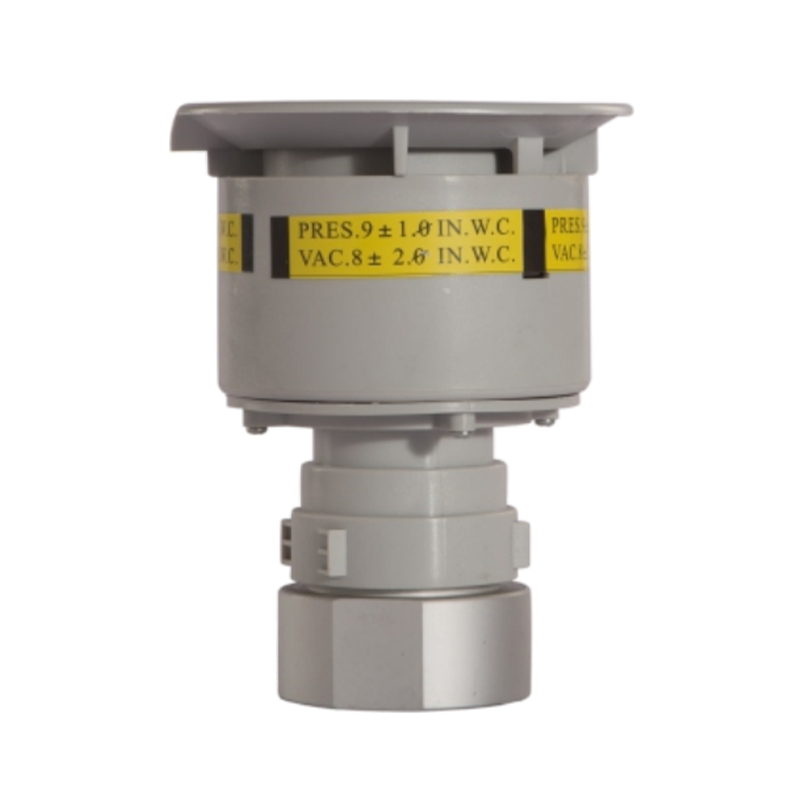


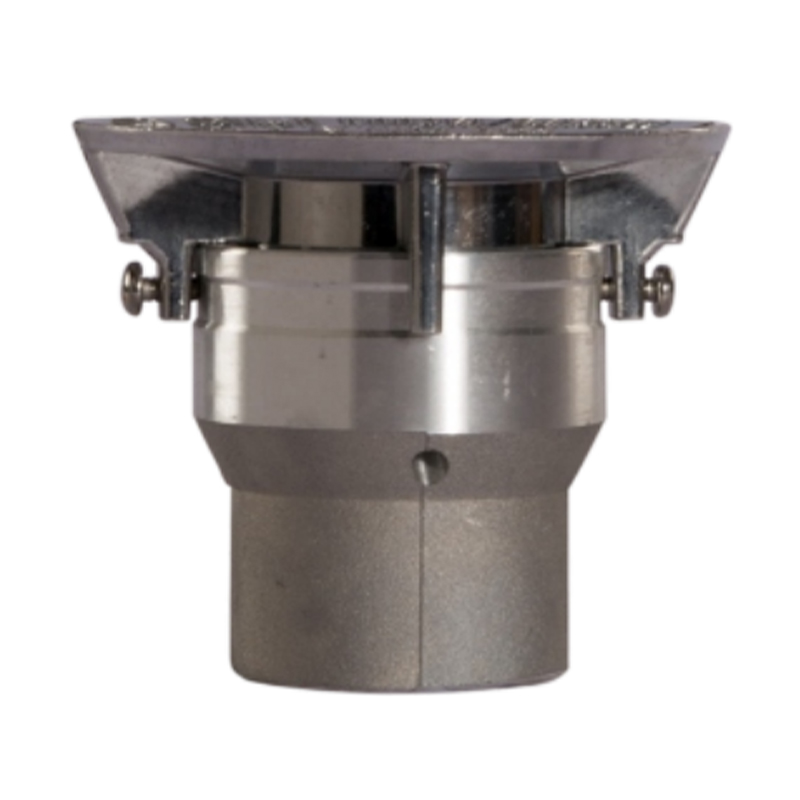
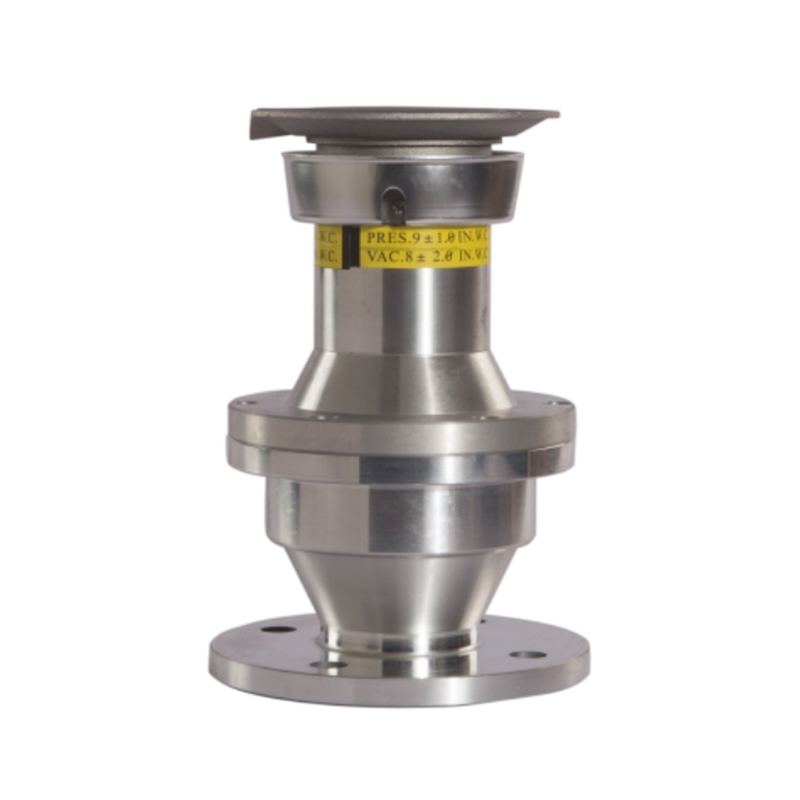
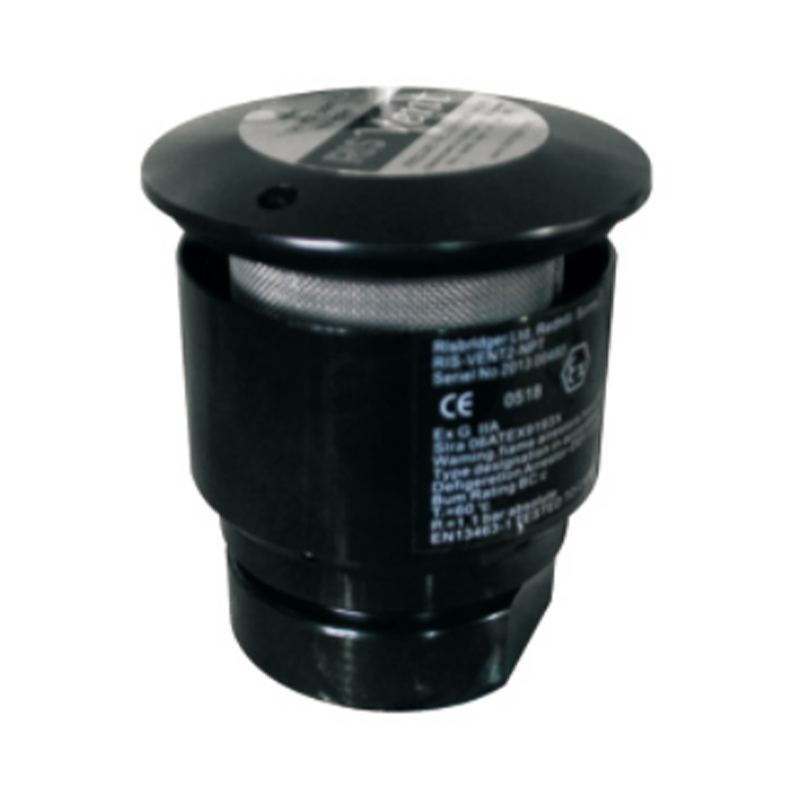
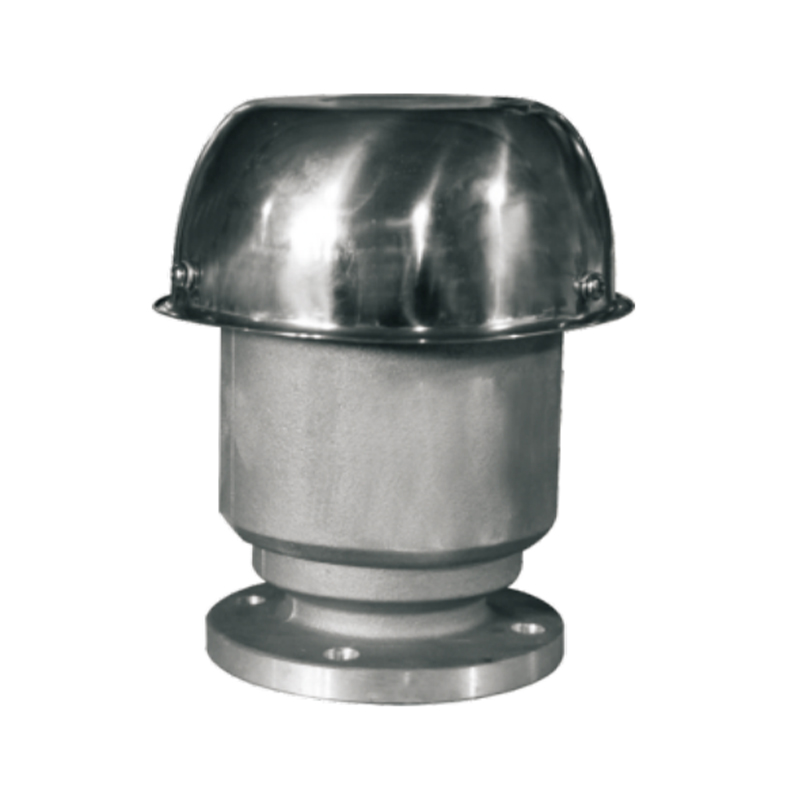
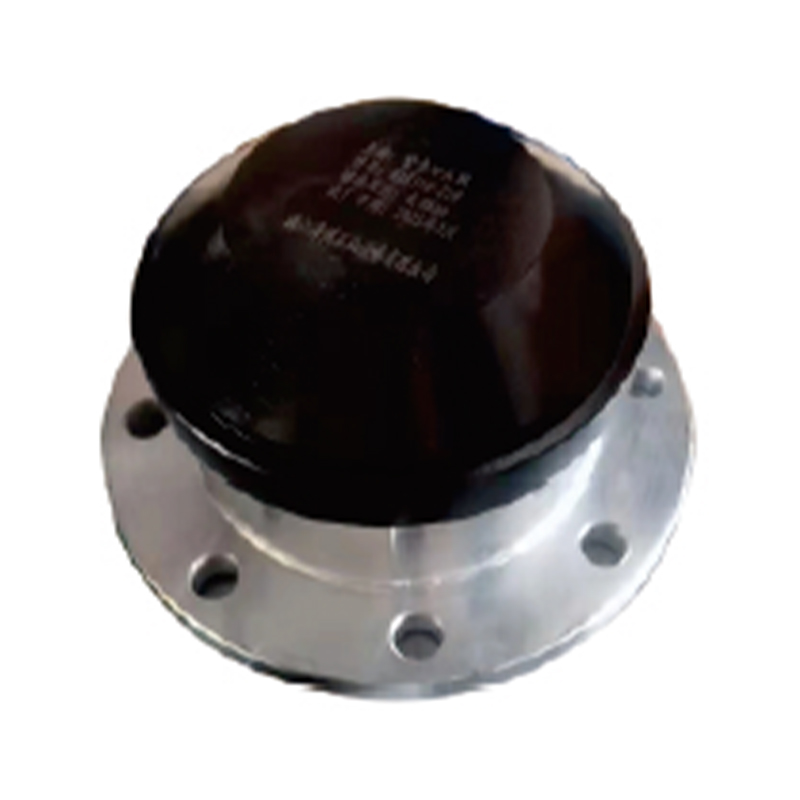
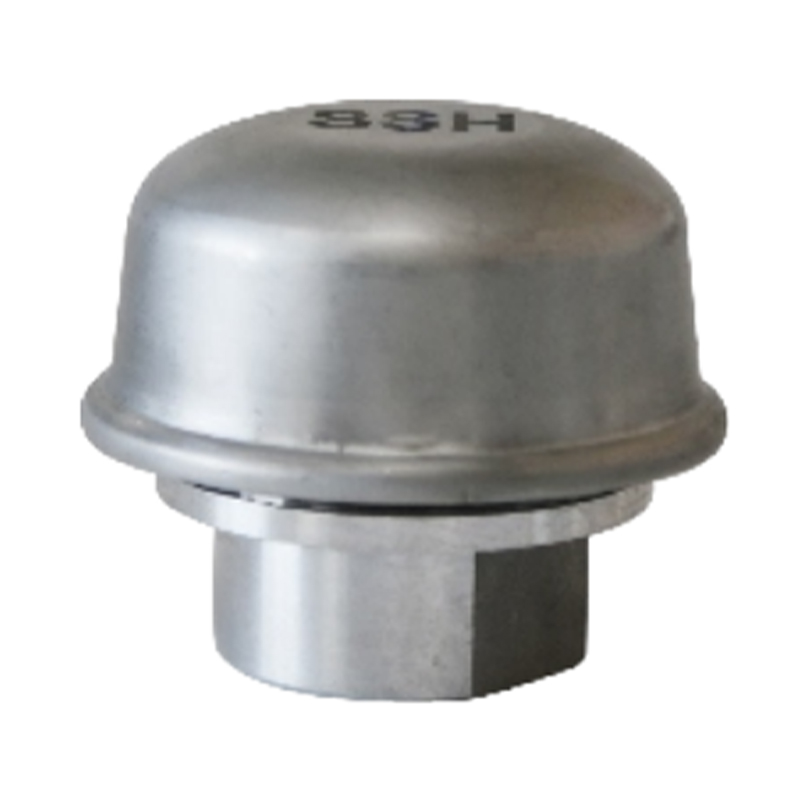
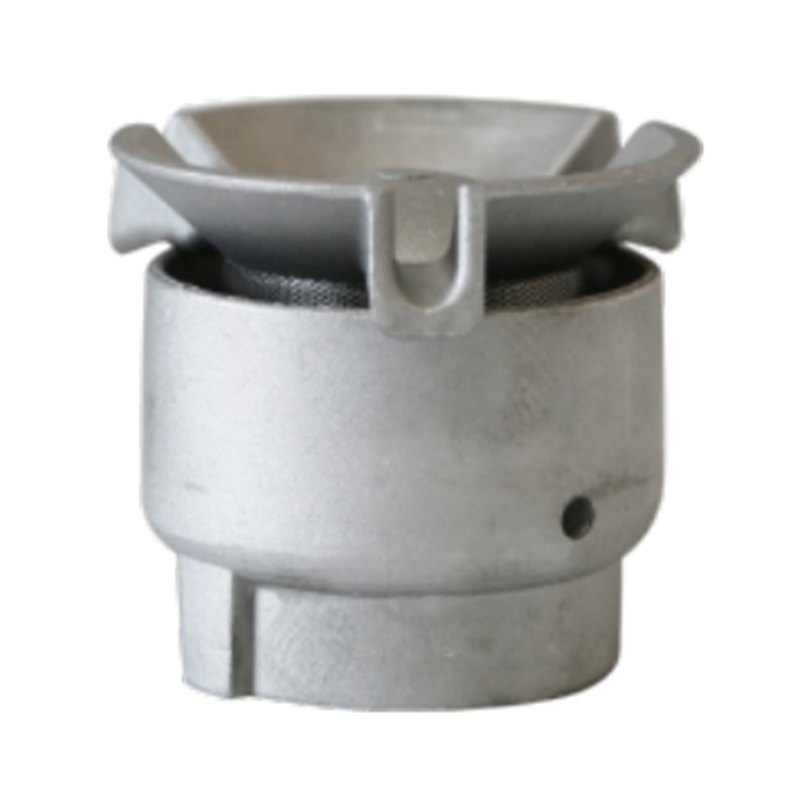
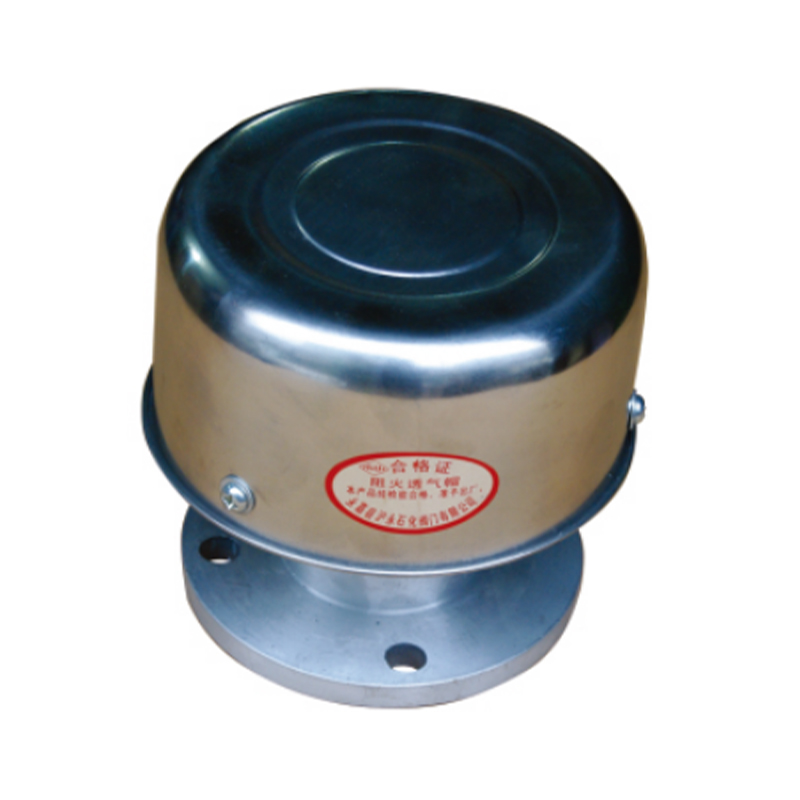
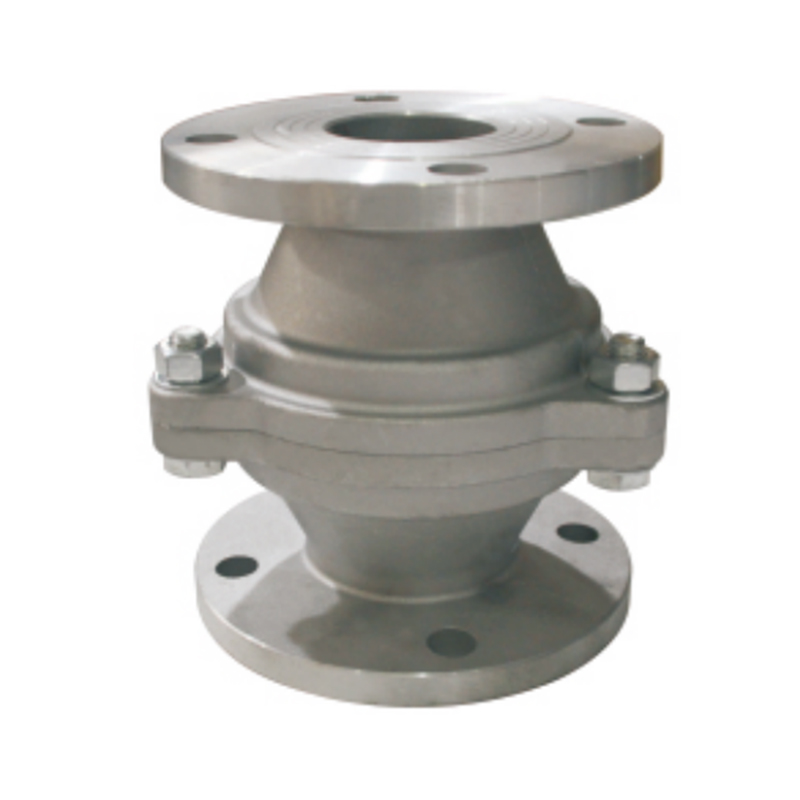
Vent valves and flame arrestors are essential safety and environmental control components for underground storage tanks (UST) in fuel retail and commercial fueling facilities. These devices regulate tank pressure and vapor flow, prevent hazardous overpressure or vacuum conditions, and block flame propagation into the tank, ensuring safe, compliant fuel storage and dispensing operations. Leading manufacturers such as OPW, EMCO Wheaton, and Franklin Fueling (EBW) deliver a wide range of industry‑tested venting solutions.
Role of Vent Valves and Flame Arrestors in UST Systems
Vent valves provide controlled ventilation for underground tanks by regulating the escape of vapors and the entry of air. They maintain the balance between internal pressure and external vacuum during normal operations and fuel delivery. Flame arrestors, when combined with vent valves or installed independently, protect tanks by extinguishing flames and preventing fire or explosion hazards. Together, they play a critical role in operational safety, environmental compliance, and equipment longevity.
Core Components and Functions
1. Pressure/Vacuum (P/V) Vent Valves
Pressure/vacuum vent valves are designed to allow controlled venting of vapors from the tank while preventing excessive pressure or vacuum buildup that can damage tank structures or compromise seals. The internal mechanism typically uses diaphragms or poppets calibrated to specific cracking pressures for various regions and standards.
Key Roles:
Permit controlled release of vapors at preset pressure thresholds
Allow air intake when internal vacuum exceeds safe limits
Help maintain tank structural integrity and prevent vapor lock or collapse
Design Highlights:
Rolling diaphragm or poppet mechanism ensures precise opening/closing
Sealed construction minimizes leakage and environmental emissions
UV‑resistant materials extend service life in outdoor conditions
Options to support in‑line grade level maintenance and testing without equipment removal
2. Vent Valves With Built‑In Flame Arrestors
When local codes require additional fire safety measures, vent valves can be equipped with integrated flame arrestors. These devices use fine mesh or engineered internal structures to prevent flames from propagating down into the tank upon exposure to external ignition sources.
Common Features:
Flame‑resistant screens or mesh that block flame fronts
Combined pressure/vacuum regulation and flame suppression
Designed to comply with fire safety standards such as EN ISO 16852
Configurations suitable for various regional cracking pressure requirements (e.g., US, UK, China)
3. Open Atmospheric Vent Valves
Open atmospheric vents allow unrestrained venting of vapor to the atmosphere and are typically used where controlled PV venting is not required or as auxiliary venting. They are simple in construction and include screens to block debris, insects, and water.
Typical Characteristics:
Always open path to atmosphere
Screened outlet reduces contamination or clogging
Often made from zinc/aluminum or cast iron with corrosion‑resistant mesh
Leading Manufacturer Technologies
OPW Retail Fueling
OPW provides a wide range of venting solutions, including pressure/vacuum vents with corrosion‑resistant bodies and brass mesh flame arrestors. Their vents often incorporate precision‑machined poppets and factory‑preset pressure/vacuum settings to protect tanks and reduce vapor loss.
Examples Included:
OPW pressure/vacuum vents with flame arrestor options
Open atmospheric utility vents for diesel and motor oil storage
Emergency vents that provide high‑capacity relief in fire or blockage events
EMCO Wheaton
EMCO Wheaton offers pressure/vacuum venting solutions integrated into UST manhole assemblies or sold as stand‑alone devices. Their vents are designed for high‑flow vapor regulation and long‑term reliability. EMCO may also include debris screens and weatherproofing to protect vent paths.
Franklin Fueling (EBW)
Franklin Fueling (EBW) provides a series of extractor and vent valves engineered to fit standard tank openings and support manifolded tank piping and vapor recovery systems. EBW vent products are electrocoated for broad fuel compatibility, including alcohol and biodiesel blends, and are designed to integrate easily into retail fueling infrastructure.
Additional Notes:
EBW vent valves support Stage II vapor recovery installations
Extractor vent fittings allow efficient vapor extraction from multiple outlets
Applications
Vent valves and flame arrestors are essential for:
Retail service station underground storage tanks
Commercial and industrial fueling terminals
Fleet fueling infrastructure
Environmental compliance and emission control programs
Proper venting ensures tanks breathe safely during changing liquid levels, prevents excessive pressure/vacuum events, and protects against external fire hazards.
Advantages of Using Advanced Venting Solutions
Pressure and Vacuum Regulation: Prevents structural damage and vapor lock
Fire Protection: Integrated flame arrestors enhance safety in high‑risk zones
Environmental Compliance: Minimizes vapor emissions and meets global standards
Durability: UV‑resistant materials and corrosion‑resistant screens for long service life
Serviceability: Grade‑level maintenance options reduce downtime


Fuel distribution is often described as a simple movement from one place to another. Fuel leaves a storage area and eventually reaches the point where it is needed. Yet the actual process involves mu...
READ MOREA dispensing system may look simple from the outside. A container holds a material. A tube carries it forward. A valve controls the flow. A nozzle places the material where it needs to go. Inside tha...
READ MOREA tank truck is easy to recognize, but its construction is more involved than the large metal tank visible from the road. Beneath the outer shell is a coordinated system designed to contain cargo, sup...
READ MOREFuel storage and handling involve more than moving liquid fuel from one place to another. Fuel can also release vapors during storage, loading, unloading, and transfer. These vapors can affect how a f...
READ MOREVehicle refueling is a familiar activity. A driver parks at a fuel station, selects the required fuel, starts the pump, and waits for the tank to fill. Although the process appears simple, fuel handli...
READ MOREWhy is vapor recovery important in fuel handling? Pump gas into your car, and you're actually part of a much bigger vapor management story happening around you. Every time fuel moves — whether it's a ...
READ MOREIndustrial storage is rarely a one-size-fits-all situation. Materials behave differently from each other, environments swing between extremes, and operating conditions rarely stay perfectly stable for...
READ MORE
Quick Links
Product Categories
Contact Us
+86-13989700818 (Whatsapp)
+86-13695828855
No. 3, Xinbin Road, Yangwan Industrial Zone, Qiaoxia Town, Yongjia County, Wenzhou City, Zhejiang Province
Get in Touch
 Wholesale Vent Valves & Flame Arrestors for Global Buyers