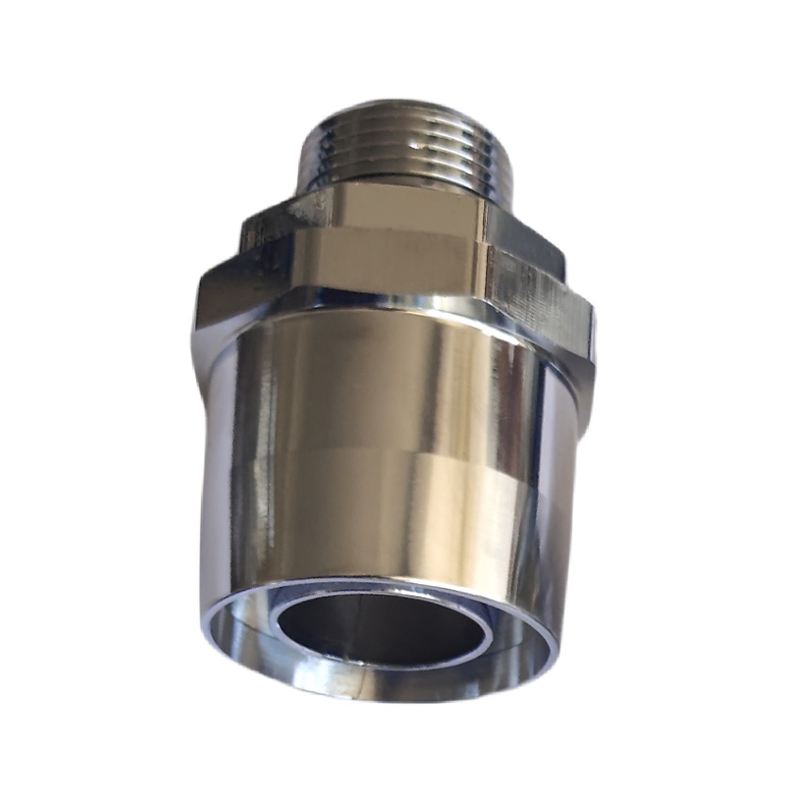
An emergency shutoff valve is a safety component in systems handling fuel, gas, chemicals, steam, water, and other industrial fluids. Its job: stop or isolate flow when something goes wrong, so people and equipment stay out of harm's way.
Picking one takes more than matching pipe size and connection type. The valve has to suit the medium, pressure, temperature, closing time, actuation method, and the wider safety system. Get it wrong and it may not close when needed.
For engineers, facility managers, and industrial buyers, a sound selection process starts with the hazards and operating requirements in front of you.
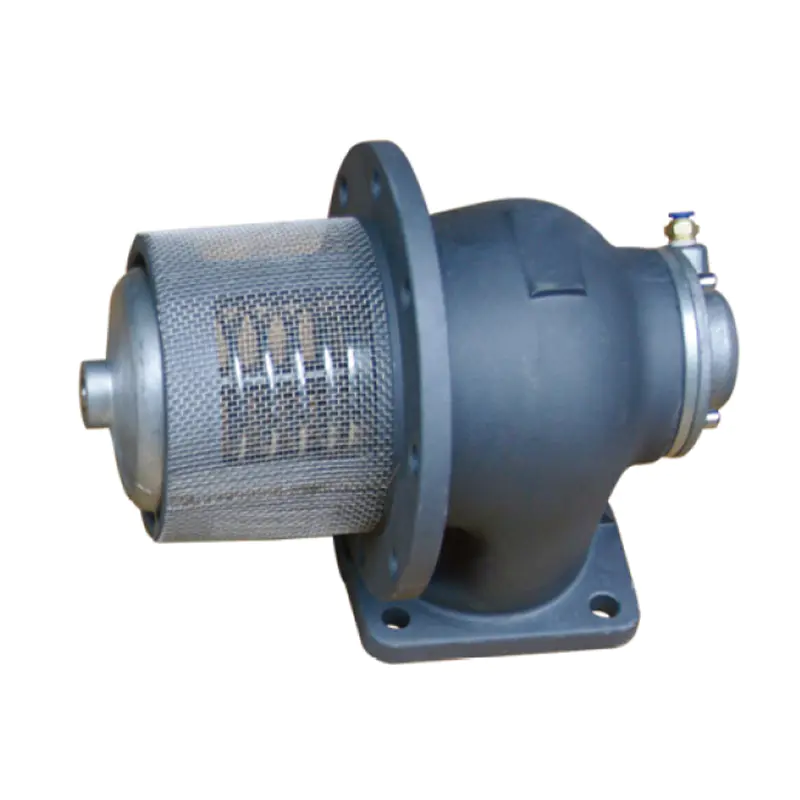
Start by naming the fluid and getting a handle on its properties. Different media ask different things of valve materials, seals, internals. A valve on clean water has little in common with one on corrosive chemicals, combustible gas, or steam.
Before asking anyone for a quote, write down:
Those details narrow the field and head off compatibility problems. Then verify the selection against manufacturer data.
Shutoff valves use different actuation methods depending on the application, available utilities, and required response speed.
| Valve or actuation type | Main advantages | Key considerations | Typical applications |
|---|---|---|---|
| Manual shutoff valve | Simple construction, straightforward to operate | Someone has to reach it and work it | Local isolation, supporting shutdown functions |
| Solenoid-operated valve | Responds to an electrical signal quickly | Needs compatible power and a design suited to the medium | Gas systems, equipment protection, automated fluid control |
| Pneumatically actuated valve | Suits automated shutdown and industrial control | Needs reliable instrument air or gas, unless set up for stored energy | Process plants, fuel systems, industrial pipelines |
| Hydraulically actuated valve | Delivers high force for demanding valves | Requires hydraulic equipment and proper maintenance | Large valves, high-force applications |
| Electrically actuated valve | Supports remote control and system integration | Closing speed, power-loss behavior, backup power need thought | Utilities, industrial processes, remote installations |
These categories don't swap in and out freely. A manual valve gives you local isolation but won't satisfy a requirement for automatic shutdown. The right design follows from the hazard analysis and the safety function you need.
Pressure and temperature ratings are basic criteria. Body, seals, stem, actuator, other pressure-containing parts all have to cope with what they'll see.
Check the pressure-temperature rating, connection specs, and relevant standards. Include maximum credible conditions — surges and temperature shifts where they apply.
Materials deserve equal attention. Stainless steel suits many corrosive or hygienic services; carbon steel may fit other duties when the fluid and environment allow. Seals — elastomers, engineered polymers — must be compatible with the medium and temperature.
Don't assume a valve works just because the body material looks right. A mismatched seal or trim component still causes leakage, swelling, degradation. Ask for compatibility information on the complete assembly.
An Emergency Shutoff Valve has to react the right way when the initiating event hits. Two questions: close or open on fault, and how fast must it get there?
Isolation duties often use fail-closed, where the valve moves toward closed on a defined failure or shutdown signal. Some processes want fail-open instead. Which one you need comes out of the process hazard analysis.
The actuator's energy source matters too — spring return, stored pneumatic or hydraulic energy, or backup power.
Closing time should follow the hazard and process dynamics. Faster isn't automatically safer. In liquid lines, slamming a valve shut can set up surges or water hammer and damage piping.
In automated installations, the valve has to work with the shutdown control system. Confirm signal type, electrical characteristics, actuator controls, position feedback, and interface with the shutdown logic.
Depending on the application, also consider:
A specification should name the required certifications and standards outright. Phrases like "industrial grade" don't establish suitability for a safety-critical duty.
For safety instrumented functions, valve selection is part of the overall system design. Actuator, solenoid, control logic, power source, diagnostic coverage, proof-test interval — each influences shutdown reliability.
Purchase price is one piece of what a shutoff valve costs to own. A cheaper unit gets expensive fast if it needs constant servicing or hard-to-find spares.
Before ordering, confirm installation space, flow direction where specified, pipe connections, actuator access, and maintenance clearance. Ask about routine inspection, seal replacement, and actuator servicing.
A maintenance plan should set out functional tests and inspection intervals based on manufacturer recommendations, operating experience, and applicable regulations. Testing should verify the real shutdown function — movement to position and the relevant feedback signals.
When comparing suppliers, weigh technical compliance, documented testing, delivery reliability, warranty terms, and lifecycle support alongside the price.
Choosing an emergency shutoff valve means assessing fluid compatibility, pressure and temperature limits, actuation, fail-safe behavior, closing time, control integration, and maintenance together.
Document the operating conditions, define the shutdown response, then compare candidate designs against engineering specs, applicable standards, and the site's hazard assessment. On critical services, bring in qualified process, instrumentation, and safety engineers before signing off.
A valve specified and maintained properly helps shutdown reliability, limits equipment damage, keeps operations safer.
Quick Links
Product Categories
Contact Us
+86-13695828855
+86-15988773632 -abner lee
+86-13989700818 -Friendship Ge
No. 3, Xinbin Road, Yangwan Industrial Zone, Qiaoxia Town, Yongjia County, Wenzhou City, Zhejiang Province
Get in Touch
 Oil & Gas Refueling Equipment
 English
 中文简体
 Español