DHPE Composite Pipes Fittings

Home / Products / UST Environmental Protection Products / DHPE Composite Pipes Fittings / HBTCP Series Thermoplastic Single/Double Layer Composite Fuel Pipes — Safe, Reliable, and Globally Compatible

HBTCP Series Thermoplastic Single/Double Layer Composite Fuel Pipes — Safe, Reliable, and Globally Compatible

HBTCP Series Thermoplastic Single/Double Layer Composite Fuel Pipes — Safe, Reliable, and Globally Compatible

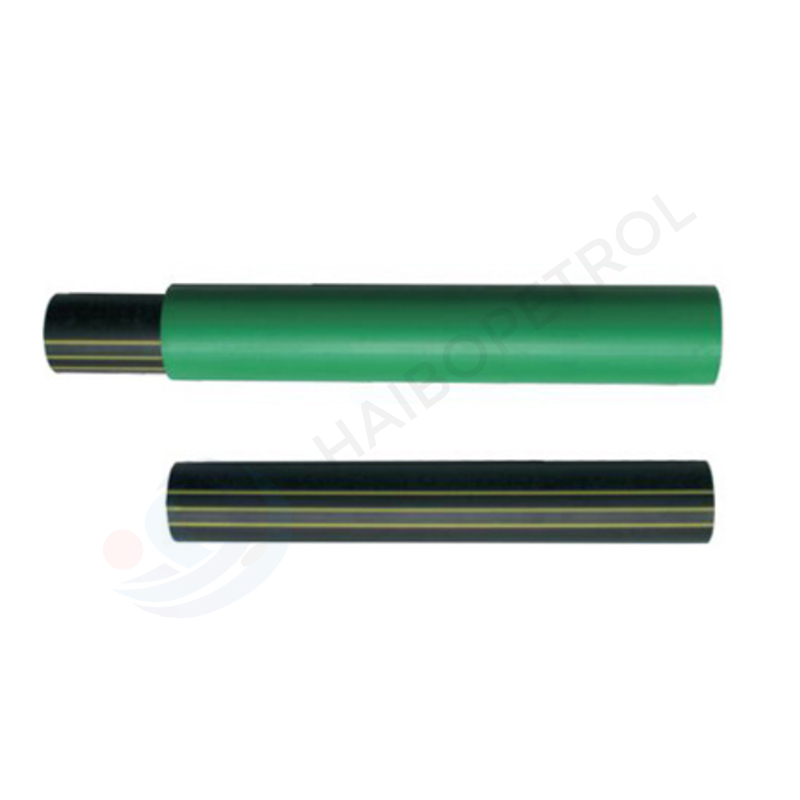
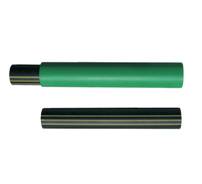
In modern fuel stations and storage systems, the safety and reliability of pipelines are crucial. The HBTCP Series of thermoplastic composite pipes, available in single-layer and double-layer configurations from 54mm to 125mm, is designed to meet diverse operational needs. Manufactured according to the EN14125 standard, these pipes operate safely in temperatures from -40°C to 50°C and withstand burst pressures exceeding 40 bar, significantly reducing leakage and safety risks.

Different countries refer to these composite fuel pipes differently: in Vietnam, they are called “Ống nhiên liệu composite”; in Thailand, “ท่อเชื้อเพลิงคอมโพสิต”; in Cambodia, “បំពង់ប្រេងសារធាតុចម្រុះ”; in Myanmar, “ရေနံပလပ်စတစ်ပိုက်”; in Indonesia, “Pipa Bahan Bakar Komposit”; and in Malaysia, “Paip Bahan Api Komposit.” Regardless of location, HBTCP pipes meet the highest safety standards for fuel storage and dispensing.

Superior Connection and Safety Features
HBTCP pipes use electrofusion welding systems to connect pipes and fittings, forming seamless underground pipelines and eliminating any leakage paths from storage tanks to fuel dispensers. The specialized material is compatible with a wide variety of fuels, ethanol blends, and additives, ensuring global usability. Unlike traditional concrete trenches, HDPE material can withstand backfill weight and traffic loads without additional reinforcement, providing proven durability with over 30 years of service life.

Non-conductive pipes have also been extensively tested for electrostatic discharge safety. They do not accumulate static charges that could ignite flammable liquids, making them an excellent choice for fuel handling systems. A wide range of electrofusion fittings allows flexibility in pipeline layout, including changes in direction and diameter, giving engineers greater control over installation.

Supporting Electrofusion Welding Tools
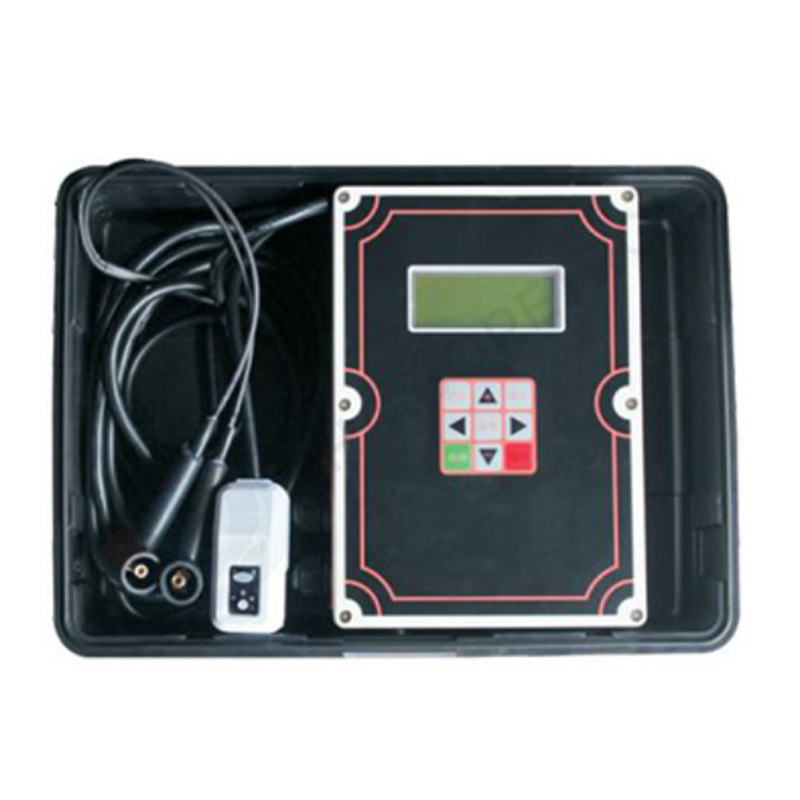
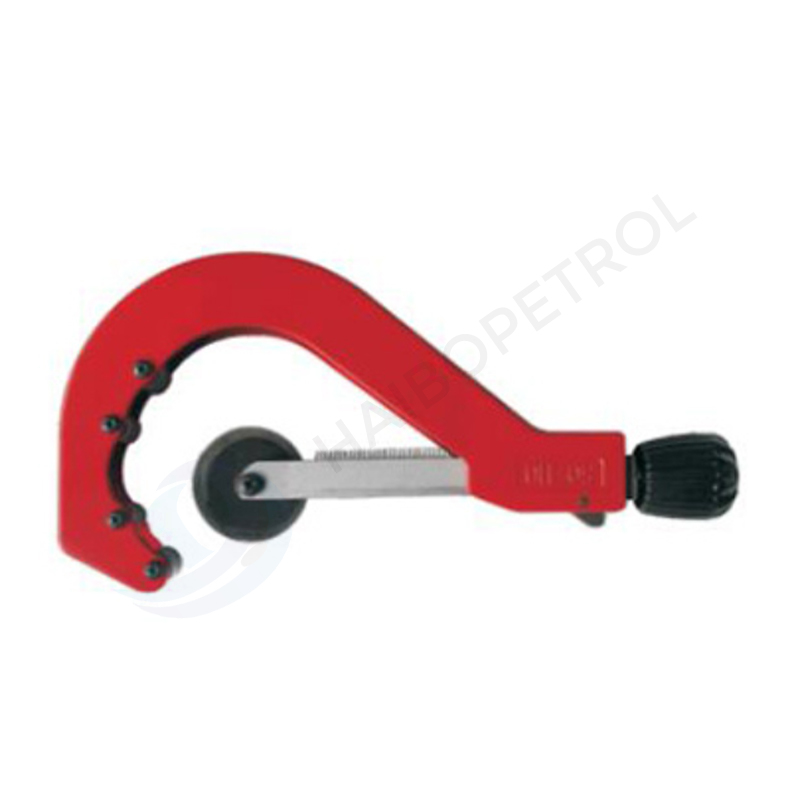
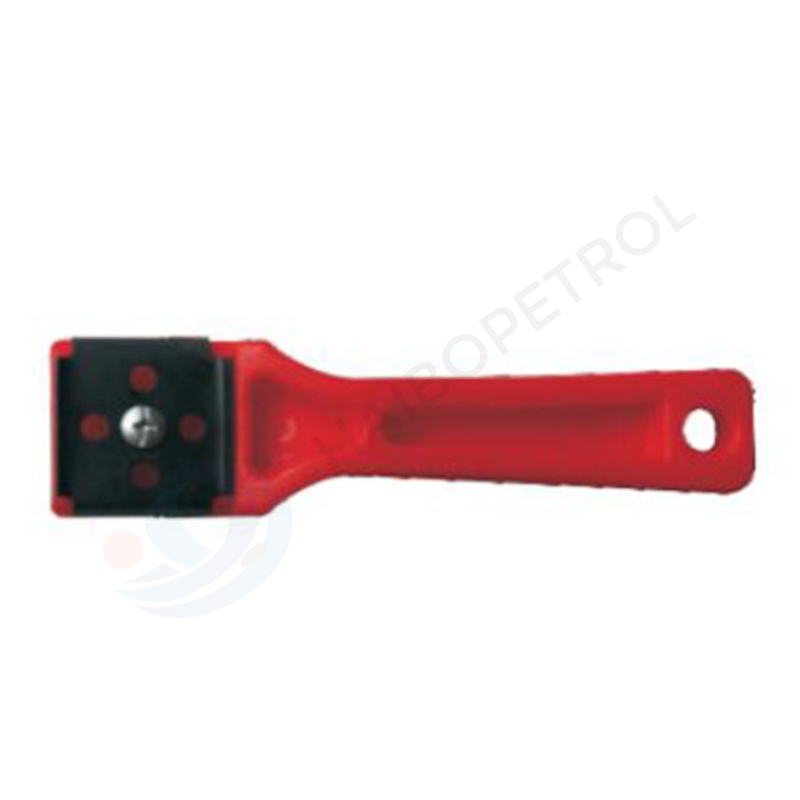
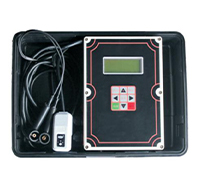
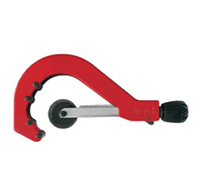
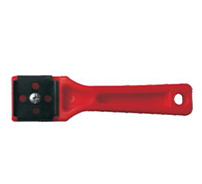
The HBEWT Series of electrofusion welding tools complements HBTCP pipes, offering a complete solution for installation. Key tools include the HBEWM-220V welding machine, HBCT-50-110 cutting tool, and HBCP-SS surface scraper. Together, these tools allow fast, efficient, and secure pipeline installation, ensuring every connection is leak-proof and durable.

Whether building a new fuel station or upgrading a fuel storage system, the HBTCP Series thermoplastic composite pipes provide a safe, long-lasting, and globally compatible solution for customers worldwide.

  • Specification
  • Contact Us

Ordering Specifications:

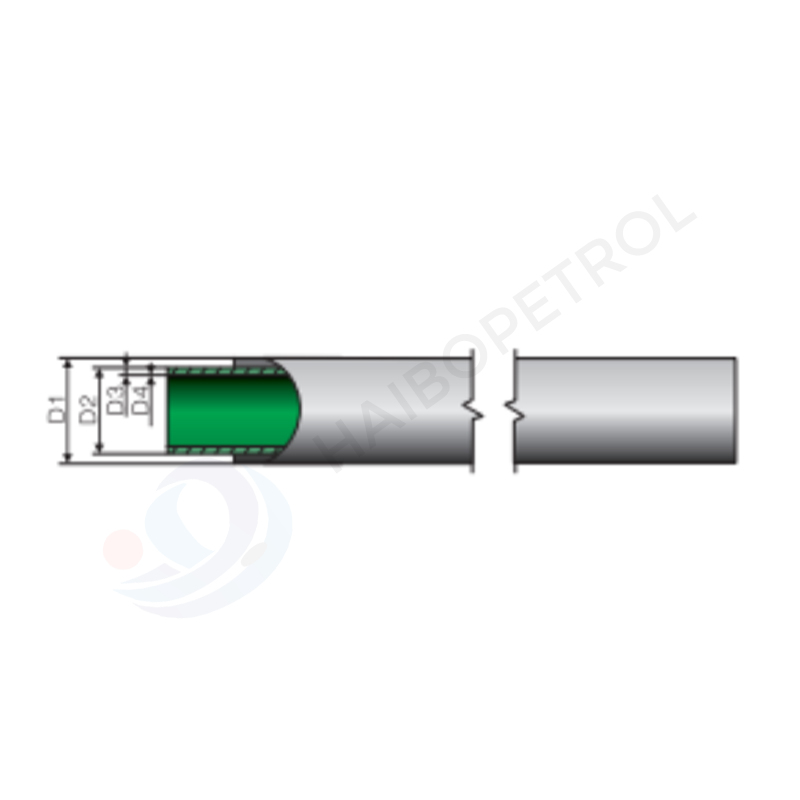
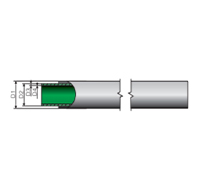
Item Number Name Size of D1(mm) D2(mm) D3(mm) D4(mm)
HBTCP-54S 54 Single Layer Pipe 54 41 0.5 -
HBTCP-6554D 65/54 Double Layer Pipe 63 54 41 0.5
HBTCP-63S 63 Single Layer Pipe 63 51 0.5 -
HBTCP-7563D 75/63 Double Layer Pipe 75 63 51 0.5
HBTCP-90S 90 Single Layer Pipe 90 73.6 0.5 -
HBTCP-110S 110 Single Layer Pipe 110 91 0.5 -
HBTCP-125110D 125/110 Double Layer Pipe 125 110 91 0.5

Characteristics:
Produced according to the EN14125 standard, these pipelines operate within a temperature range of -40°C to 50°C, with virtually zero leakage, and their burst pressure exceeds 40 standard atmospheres (bar), ensuring a high level of safety.
Use an electrofusion welding process system to connect pipes and fittings to form a seamless buried pipeline engineering system.
Eliminate all leakage paths from underground storage tanks to fuel dispensers, ensuring complete prevention of groundwater entry and eliminating the possibility of fuel spillage into the environment.
Specialized materials for the pipeline can be used with various types of fuels, ethanol blends, and additives, ensuring compatibility with all fuel types that may be encountered globally.
No need for concrete trenching, as HDPE has structural resistance to backfill weight and dynamic traffic loads; 30 years of experience shows no material failures or natural damage to the pipeline.
Multiple tests simulating fuel flow demonstrate the significant safety of non-conductive pipes in terms of electrostatic discharge risk; they do not become a source of ignition, making them a safe choice in terms of electrostatic discharge risk.
Many electrofusion fittings are available, providing greater flexibility and control over pipeline layout by facilitating changes in direction and diameter.

HBEWT Series of Electrofusion Welding Tools for Composite Pipes and Fittings


HBEWM-220V Welding Machine

HBCT-50-110 Cutting Tool

HBCP-SS Surface Scraper


About Haibo
Zhejiang Haibo Petroleum Equipment Co., Ltd.

Zhejiang Haibo Petroleum Equipment Co., Ltd., established in 2017, is a certified enterprise located in Yongjia County, Wenzhou City, Zhejiang Province—recognized globally as the world’s largest manufacturing base for petroleum equipment and the well-known hometown of pumps and valves in China.
Our products are widely used in Fluid Control Systems, Energy Systems, Measurement Systems, Piping Systems, and Hydraulic Systems, serving petroleum companies, military units, oil depots, tank truck manufacturers, and petrol stations worldwide. Province—recognized globally as the world’s largest manufacturing base for petroleum equipment and the well-known hometown of pumps and valves in China.
At Haibo, we are backed by a team of senior industry experts with more than 20 years of professional experience in the petroleum equipment and fluid control sectors. Their deep technical knowledge and industry insight ensure that every product and solution we deliver meets the highest standards of quality, reliability, and performance.

Certificate Of Honor
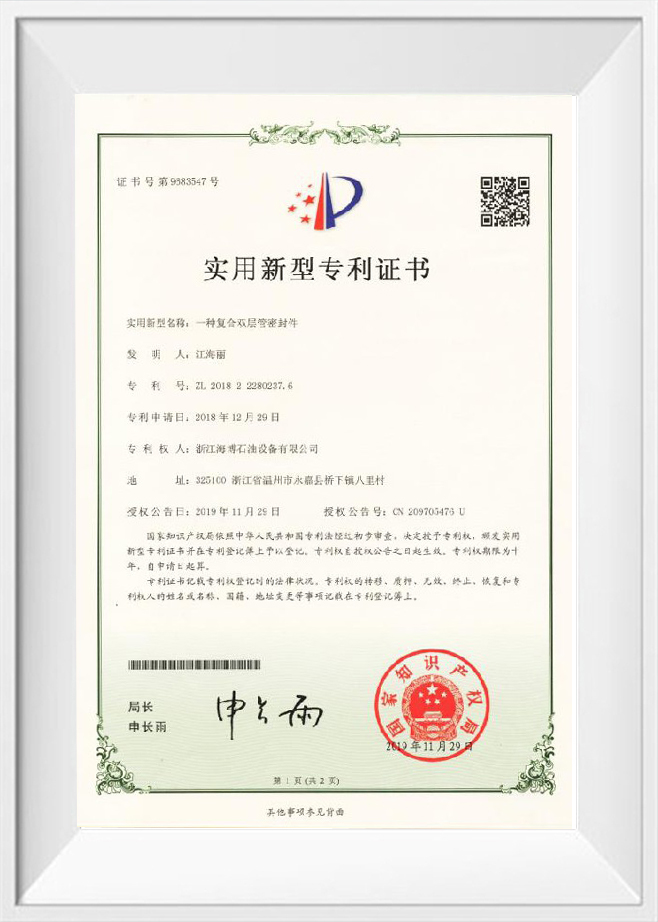
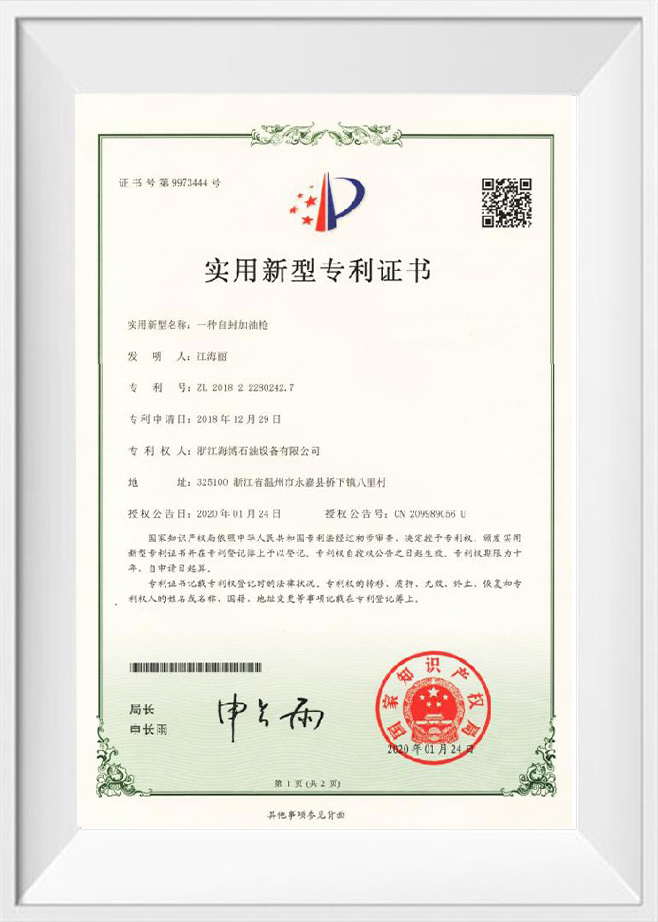
  • Utility Model Patent Certificate
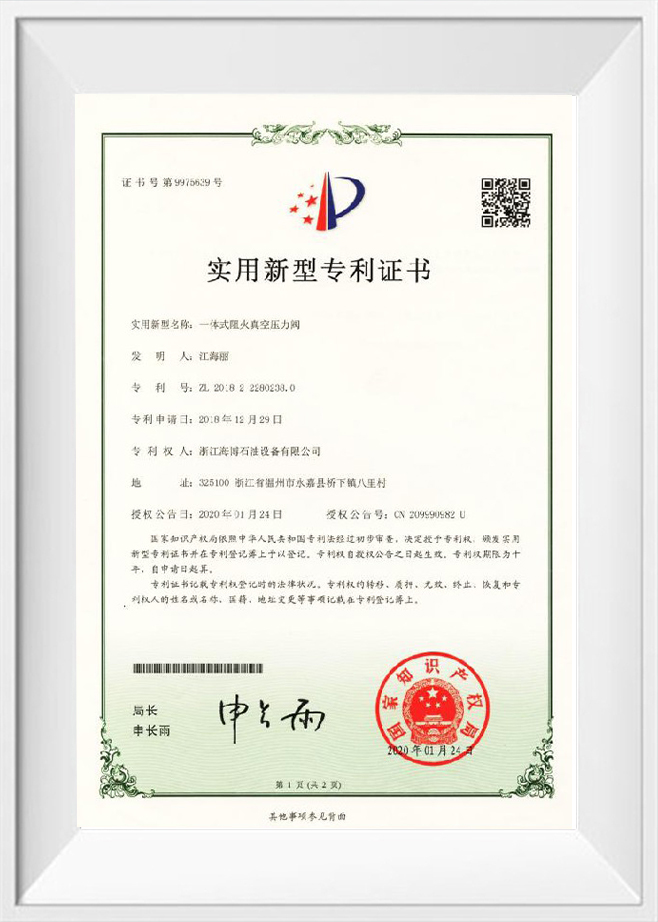
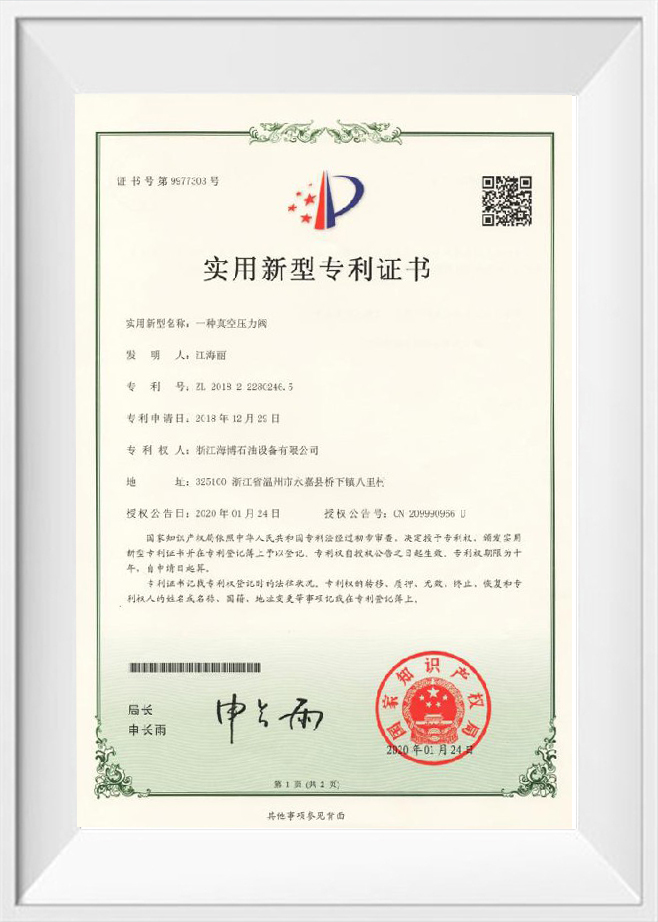
  • Utility Model Patent Certificate
  • Utility Model Patent Certificate
  • Utility Model Patent Certificate
  • Utility Model Patent Certificate
  • Utility Model Patent Certificate
  • Utility Model Patent Certificate
  • Utility Model Patent Certificate
  • Utility Model Patent Certificate
  • Utility Model Patent Certificate
  • Test Report
  • Test Report
News