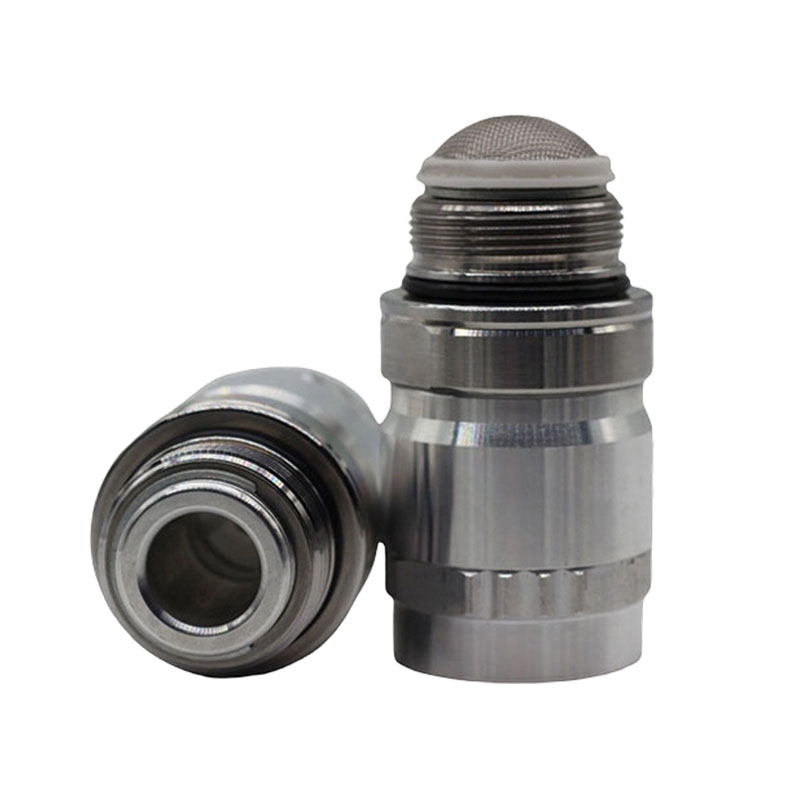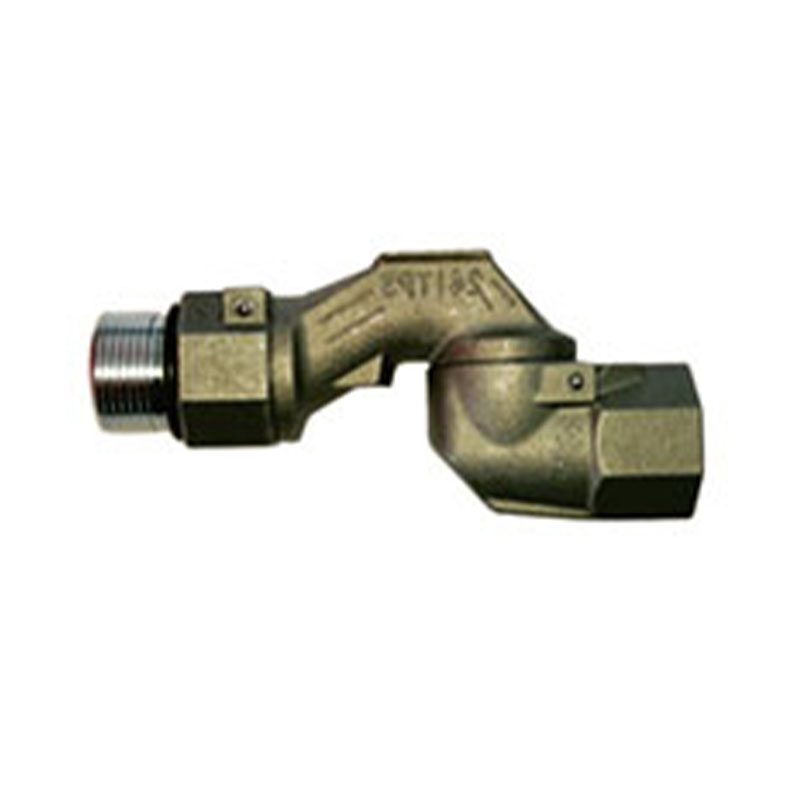
A dispensing system may look simple from the outside. A container holds a material. A tube carries it forward. A valve controls the flow. A nozzle places the material where it needs to go.
Inside that simple process, several parts need to work together. If one part does not match the others, the whole application can become harder to manage.
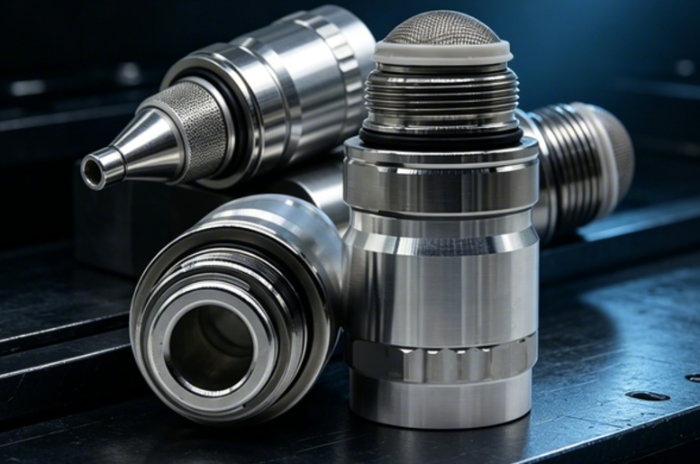
This is why Dispensing Components are rarely useful when viewed as completely separate products. Syringe barrels, cartridges, fittings, tubes, valves, tips, and nozzles each have their own role. Their real value appears when they form a connected path from material storage to final application.
As manufacturers look for more flexible ways to handle adhesives, sealants, lubricants, coatings, and other materials, attention is moving toward the complete dispensing process. The question is no longer only which component to buy. It is also how each component fits into the rest of the system.
A dispensing system usually begins with a place to hold the material. Depending on the application, this may be a syringe, cartridge, bottle, or another type of container. The container needs to keep the material available while allowing it to move into the dispensing path.
From there, fittings and fluid lines can connect the material container with the dispensing device. A valve or similar control element manages when the material moves. The final tip or nozzle guides the material toward the target surface.
Different systems may contain different combinations of parts. Some are operated by hand. Others are connected to automated equipment. The basic idea remains similar: the material needs a controlled path from storage to application. Industry suppliers commonly group syringes, cartridges, tips, nozzles, fittings, fluid lines, and valves as parts of a wider dispensing setup.
| Component | Main Role | Connection With Other Parts |
|---|---|---|
| Syringe or cartridge | Holds the material | Connects with fittings, lines, or an applicator |
| Fitting | Joins different sections | Links containers, tubes, valves, or tips |
| Fluid line | Carries the material | Connects the supply side with the dispensing side |
| Valve | Controls material movement | Works between the supply path and outlet |
| Tip or nozzle | Directs the material | Attaches to the final part of the dispensing path |
| Controller or applicator | Starts or manages dispensing | Works with the valve or dispensing device |
The exact arrangement depends on the material, application, and working environment. This flexibility is one reason dispensing systems can be adapted to many manufacturing situations.
The movement begins with the material container. The material needs a controlled way to leave the container without creating unnecessary mess or interruption.
A dispensing system provides that route. A source container connects to the rest of the system through a suitable fitting or connection. A tube may then carry the material toward a valve or application point. The valve determines when material can pass through. The nozzle or tip shapes the final outlet.
This sequence can be thought of as a chain:
Every link has a purpose.
If the connection does not fit properly, material may not move as expected. If the fluid path does not suit the material, handling can become difficult. If the valve does not work well with the application, controlling the flow may become harder. If the nozzle is unsuitable, the material may not reach the target in the desired way.
This is why component selection needs to consider the complete route rather than one part at a time.
Some dispensing suppliers describe the same principle through complete component families. Syringe barrels and cartridges provide the material source, while tips, nozzles, fittings, and fluid lines help create the path toward the application point.
A dispensing system is only as practical as the relationship between its parts.
Imagine a cartridge connected to a valve. The cartridge may be suitable for the material, and the valve may also be suitable for the application. But if the connection between them is not appropriate, the system can still create problems.
The same principle applies to the outlet. A suitable valve paired with an unsuitable nozzle may not produce the desired application pattern. A good nozzle connected to an unsuitable material path may also fail to deliver the expected result.
This relationship becomes even more important when materials have different handling characteristics. A thin liquid may move easily through a small opening. A thicker material may need a different path and outlet design. Some materials may also require special attention to contact surfaces and cleaning.
The goal is not to make every component identical. The goal is to make the components work together.
That changes the way buyers should think about dispensing products. Instead of asking, "Which nozzle should I buy?", a more useful question may be, "Which nozzle fits the material, container, valve, and application I am using?"
The material container is the starting point of many dispensing systems. Syringes and cartridges are common options because they can hold the material and connect with other dispensing parts.
A syringe-based arrangement can be useful when the material needs to be handled in a relatively small and controlled package. Cartridges can provide another way to store and deliver material, particularly when an applicator or dispensing gun is part of the process.
The container does more than simply hold material. Its connection with the rest of the system affects how the material enters the dispensing path.
A suitable container should therefore be considered together with the way the material will be applied. Industry component suppliers offer syringe barrels, cartridges, caps, adapters, and related fittings as connected parts rather than completely independent products.
For buyers, this creates a simple practical point. A container should not be selected only because it can hold the material. It should also fit the intended dispensing arrangement.
The same applies when replacing an existing component. Changing one part may affect the way another part connects or operates. Looking at the complete setup can help avoid unnecessary compatibility problems.
Fittings are easy to overlook. They are often small and do not receive as much attention as a valve or nozzle. Yet they connect the different sections of the system.
A dispensing line may include several connections. The material can move from a cartridge or reservoir into a tube, through another connection, and toward the dispensing device. Each connection needs to support the intended flow path.
Fluid lines serve a similar supporting role. They carry the material between different parts of the system. Their importance becomes clear when the dispensing equipment is placed away from the material source.
For example, a production setup may keep the material container in one location while the application point moves across a work area. The fluid line provides the link between those positions.
Suppliers of dispensing components commonly provide fittings for syringes, cartridges, valves, and fluid lines, along with tubing for different application situations.
This means fittings and lines should not be treated as minor accessories. They form part of the material path. Their compatibility with the surrounding components can influence how easily the entire system operates.
The valve is the point where the system gains control over material movement.
Without a suitable control element, material may continue moving when it is not wanted. A valve can open and close the material path according to the needs of the application.
In a manual system, an operator may control the dispensing action directly. In a more automated arrangement, a controller or machine may activate the valve. The basic relationship remains the same. The valve sits between material supply and final application and manages the movement between them.
Different applications may call for different valve arrangements. Some are designed for general fluid delivery. Others are intended for particular materials or application methods. Industry dispensing systems include valves used for adhesives, sealants, lubricants, and other assembly materials.
The valve also needs to work with the material path around it. A valve cannot be selected in isolation if the surrounding fittings, tubing, container, and outlet are incompatible.
This is where system thinking becomes useful. The valve is not simply an on-off part. It is a connection point between several other components.
The nozzle is where the material finally reaches the work surface. That makes it one of the most visible parts of the dispensing process.
Different applications may need different ways of applying material. A narrow outlet may be useful when the material needs to be placed in a small area. A wider outlet may suit a broader application. Other designs may support lines, beads, or different application shapes.
The important point is that the nozzle should match the material and the purpose of the application.
A nozzle that works well with one material may not be suitable for another. The same is true when the application changes. A dispensing system designed for a narrow application may need a different outlet when the material needs to cover a wider area.
This is why nozzle selection should happen alongside other component choices. Suppliers offer different tip and nozzle designs for different materials and application requirements.
Cleaning and replacement also matter. A nozzle is close to the material outlet, so leftover material can affect later use. Easy replacement or cleaning can make the dispensing process more manageable in daily production.
Matching components is not simply about choosing parts that physically connect. The complete system needs to make sense from the material container to the final application point.
A practical selection process can begin with the material and the job.
This approach can reduce the risk of choosing individual components without considering the rest of the setup. A complete system view also makes communication between buyers and suppliers easier.
The role of Dispensing Components is gradually becoming more connected with the wider production process. Manufacturers are not only looking at individual parts. They are also considering how material handling fits into manual work, semi-automated processes, and automated production.
That shift gives smaller components greater importance. A fitting may appear insignificant on its own. A nozzle may look like a simple outlet. A syringe barrel may seem like nothing more than a container. Together, however, these parts create a controlled route for material.
This is especially relevant as manufacturers handle a wider range of materials and applications. Industry suppliers now describe dispensing systems that combine containers, valves, tips, mixers, tubing, and automated equipment into different configurations.
The trend also puts more attention on compatibility. Buyers may increasingly ask suppliers to consider the whole dispensing arrangement rather than recommend one isolated component.
For manufacturers, this can influence product development. Components may need to be easier to connect, replace, clean, and adapt. The focus can move from selling individual parts toward creating component families that work naturally together.
In practical production, that relationship is what turns a collection of Dispensing Components into a functioning dispensing system. The container provides the material. The connection keeps the path together. The fluid line carries the material. The valve manages movement. The nozzle guides the final application. Each part has a separate task, but none works entirely alone.
Quick Links
Product Categories
Contact Us
+86-13695828855
+86-15988773632 -abner lee
+86-13989700818 -Friendship Ge
No. 3, Xinbin Road, Yangwan Industrial Zone, Qiaoxia Town, Yongjia County, Wenzhou City, Zhejiang Province
Get in Touch
 Oil & Gas Refueling Equipment
 English
 中文简体
中文简体
 Español