A tank truck is easy to recognize, but its construction is more involved than the large metal tank visible from the road. Beneath the outer shell is a coordinated system designed to contain cargo, support the tank, manage loading and discharge, provide access, and respond to abnormal conditions.
The exact equipment varies considerably. A fuel tanker may have several compartments, bottom-loading connections, vapor-recovery lines, and emergency shutoff controls. A truck carrying water or food-grade liquid may use a pump, sanitary fittings, and cleaning equipment. Pressurized cargo requires a different tank and control arrangement again.
For that reason, there is no single parts list that describes every tank truck. Still, most designs can be understood by looking at several main groups: the tank and its internal structure, vehicle mounting system, access points, valves, transfer equipment, operating controls, and safety-related hardware.
The tank body forms the central part of the vehicle. It provides the enclosed space where the transported material is held during movement. Around it are structural and operating components that allow the tank to perform its intended role.
A typical tank truck may include several major groups:
| Component | General Function |
|---|---|
| Tank body | Holds the transported material |
| Manhole | Provides access for inspection and maintenance |
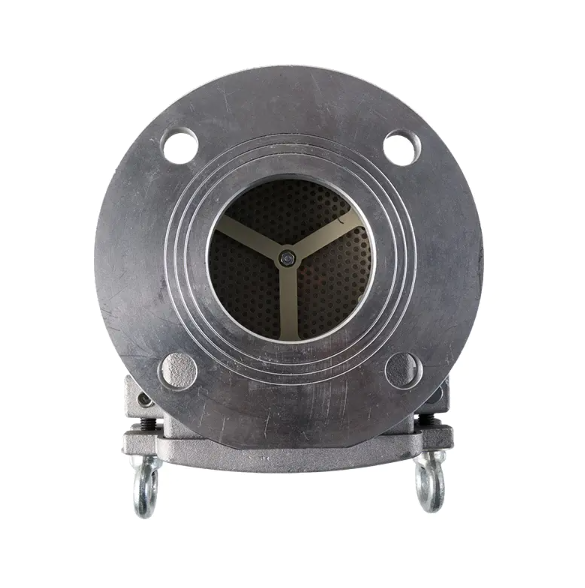
| Valves | Help control the movement of material |
| Piping | Creates paths for transfer |
| Hoses | Connect the tank to external equipment |
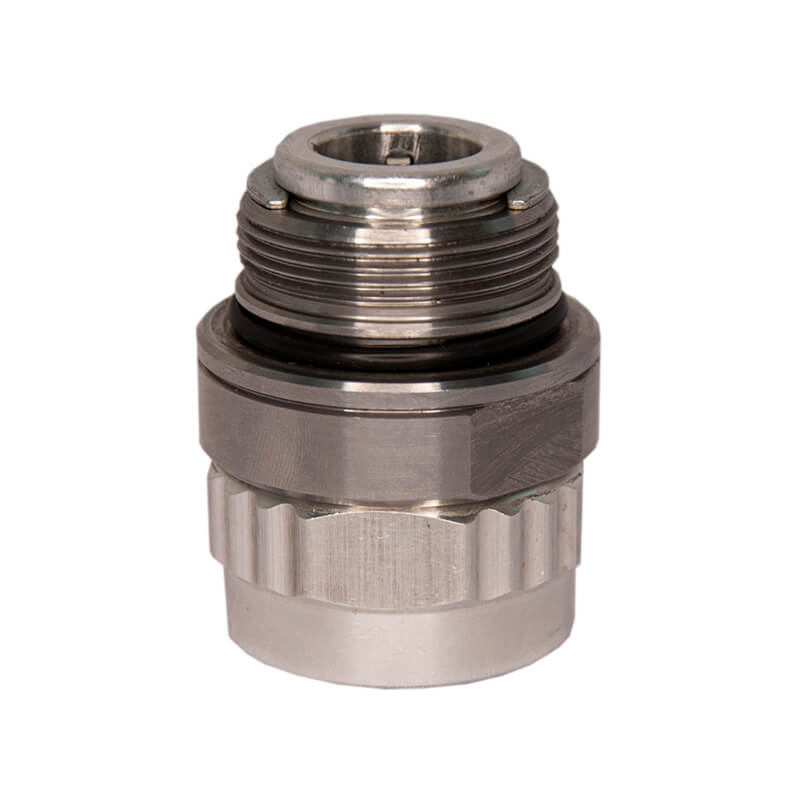
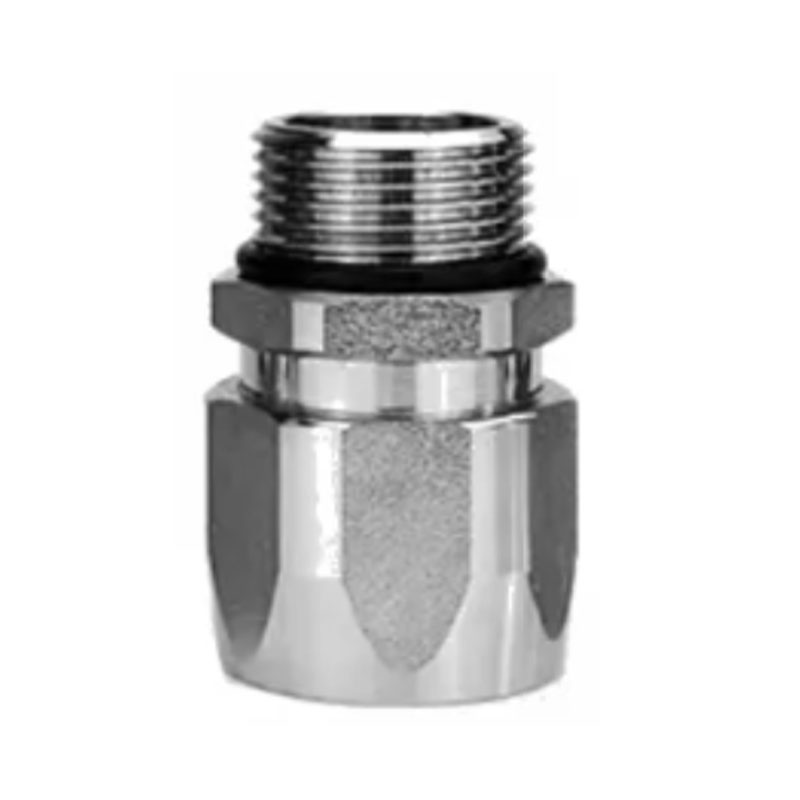
| Couplings | Join hoses or transfer connections |
| Manifold | Helps organize multiple transfer paths |
| Access equipment | Helps operators reach working areas |
| Support structure | Connects and supports the tank on the vehicle |
| Safety-related equipment | Supports controlled vehicle operation |
These parts do not work independently. The tank body provides the main storage space, while the other components help operators interact with that space.
This relationship becomes particularly noticeable during loading and unloading. Material needs to enter or leave the tank through a controlled route. The valves, pipes, hoses, and connection points all become part of that process.
The tank body is the most recognizable part of a tanker. Its main role is to contain the material while the vehicle is moving from one location to another.
The shape and internal arrangement can differ according to the intended application. Some tanks are designed around particular liquid products, while others may be used for different forms of transported material.
The tank also needs to work with the rest of the vehicle. It is mounted onto a supporting structure that connects the tank to the chassis or trailer frame. This relationship allows the complete vehicle to move as one unit.
Several details influence how the tank fits into the overall design:
A tank is therefore more than a container placed on a truck. Its design has to accommodate the operating process around it.
This is why tank truck components are often selected as a complete system. Changing one part may affect how another part can be installed or used.
The tank body, sometimes called the tank shell, forms the main cargo-containing structure. Its shape, wall thickness, material, and reinforcement depend on what the vehicle is designed to carry.
Tank bodies may be made from materials such as carbon steel, stainless steel, or aluminum. Material choice is influenced by cargo compatibility, required strength, empty vehicle weight, cleaning procedures, and applicable standards.
Several structural elements may be found within or around the tank.
Tank shell and heads
The shell forms the main body, while the heads close the ends. Their shape is chosen to suit the tank design and operating conditions.
Compartments
Some tankers divide the cargo space into separate compartments. Fuel delivery vehicles often use this arrangement so that more than one product or grade can be carried during the same trip.
Each compartment may have its own outlet, valve, venting arrangement, and identification. Compartments must not be treated as interchangeable spaces without considering cargo compatibility and operating procedures.
Bulkheads and baffles
A bulkhead separates sections of the tank and may create independent compartments. A baffle usually contains openings and is intended to limit liquid movement rather than create a fully sealed cargo space.
This distinction matters because liquids surge when the vehicle accelerates, brakes, or turns. Internal structures can help manage that movement, but their configuration depends on the tank's design.
Insulation and outer cladding
Tankers carrying products that need temperature control may have insulation around the tank, sometimes protected by an external jacket or cladding. Other vehicles may use heating equipment to keep a product fluid enough for unloading.
The tank is therefore more than a hollow container. Its internal and external construction reflects the cargo, route, unloading method, and regulatory category for which it was built.
Valves are among the most important working components on a tank truck. They help control whether material can move through a particular part of the system.
During loading, unloading, or transfer, operators need to control the path that the material follows. Valves make it possible to open or close specific routes according to the task.
Different valves may serve different positions or purposes. Some are associated with the tank outlet. Others may be used around transfer lines or other parts of the system.
The basic role is easy to understand:
Open the intended path → allow controlled transfer → close the path when the task is complete.
This sounds simple, but the valve arrangement can become more complex when a tank truck has several transfer routes.
Operators also need to know which valve controls which section. Clear identification and sensible layout can make routine work easier.
Valve condition matters as well. Dirt, wear, improper handling, or damaged sealing surfaces can affect normal operation. Regular inspection can help maintenance teams identify problems before they interfere with loading or unloading.
The tank body holds the material, but pipes and hoses provide routes for moving it.
Pipes are generally installed as part of the vehicle's fixed transfer arrangement. They connect different components and create a controlled path between the tank and external connection points.
Hoses provide flexibility where a fixed pipe cannot directly connect to another piece of equipment. During loading or unloading, the hose can bridge the gap between the tank truck and an external system.
The two components therefore serve different practical purposes.
Pipes:
Provide fixed routes within the vehicle's transfer arrangement.
Hoses:
Provide flexible connections between the truck and external equipment.
Both need to match the intended application. The transported material, operating environment, connection arrangement, and cleaning requirements can all influence the selection.
Hoses also require regular attention because they are handled more frequently. Bending, dragging, contamination, and improper storage can affect their condition.
A well-organized hose storage area can reduce unnecessary wear and make preparation for the next transfer operation easier.
A coupling connects one part of a transfer system to another. It may join a hose to the tank truck or connect different sections of equipment during loading and unloading.
The connection needs to be practical for repeated use. Operators may connect and disconnect equipment many times during normal operations. A complicated or poorly arranged connection can make routine work more difficult.
Compatibility is particularly important. The coupling needs to match the associated hose, pipe, valve, or external equipment.
A suitable connection can help operators establish the intended transfer route without unnecessary adjustments.
Common points to consider include:
Couplings may be small compared with the tank itself, but their role becomes obvious when a transfer operation begins. Without a suitable connection, the rest of the transfer system cannot function as intended.
A manifold can bring several transfer paths together in one organized area. This can be useful when a tank truck has more than one loading or unloading connection.
Instead of having unrelated lines spread across the vehicle, a manifold arrangement can make the transfer system easier to understand and operate.
The actual design varies with the tank truck application. Some vehicles may have a relatively simple arrangement, while others require several connected paths.
A manifold may help operators select the appropriate route for a particular task. This makes labeling and access important parts of the overall design.
For maintenance teams, the manifold is also a useful inspection point. Connections, valves, and nearby piping can be checked together because they are often located within the same working area.
The value of a manifold is therefore not only about moving material. It is also about organizing the transfer system around the way the vehicle is actually used.
A tank truck needs more than transfer components. Operators also need to access certain areas of the vehicle safely and conveniently.
Steps, ladders, platforms, handrails, and other access equipment may be incorporated into the design. Their arrangement depends on where operators need to work.
For example, an operator may need to reach a manhole, inspect a connection, check a valve, or perform routine cleaning. Access equipment provides a practical route to those working areas.
The surrounding environment matters here. A tank truck may be used outdoors, around loading stations, or on uneven ground. Access components therefore need to suit the operating conditions.
Operators should keep these areas clear of unnecessary obstacles. Damaged or loose access components should also receive attention during routine inspection.
Small structural details can have a noticeable effect on daily workflow. If an operator cannot easily reach a valve or connection, a simple maintenance task can become more difficult than necessary.
Loading and unloading show how closely the different components depend on one another.
During loading, material needs to move from an external source into the tank. The transfer route may involve a coupling, hose, pipe, valve, and tank opening or inlet.
During unloading, the direction of the process changes. Material leaves the tank through a controlled route and moves toward external equipment.
A simplified arrangement can look like this:
External Equipment → Coupling → Hose or Pipe → Valve → Tank
The exact sequence depends on the tank truck design. Some systems may include additional components.
This is why choosing components individually can sometimes create compatibility problems. A valve may need to match the pipe arrangement. The pipe may need to connect with a specific coupling. The hose needs to suit both the vehicle and the external connection.
The complete system needs to be considered.
| Working Stage | Components Commonly Involved |
|---|---|
| Loading | Couplings, hoses, valves, pipes, tank inlet |
| Unloading | Tank outlet, valves, pipes, hoses, couplings |
| Inspection | Manhole, access equipment, tank structure |
| Maintenance | Valves, connections, hoses, piping, access points |
| Cleaning | Manhole, tank interior, transfer components |
Looking at the process as a whole can help operators understand why even a relatively small component can affect the usability of the complete vehicle.
Component selection should begin with the intended application. A tanker designed for one type of material may not need the same arrangement as a tanker used for another purpose.
Compatibility is a central concern. Components need to work with the existing tank, piping, connections, and operating procedures.
The working environment should also be considered. Outdoor exposure, moisture, dirt, frequent handling, and cleaning can all influence component choice.
Buyers may want to review the following areas:
Material compatibility
Check whether the component is appropriate for the material being transported.
Connection compatibility
Make sure valves, hoses, pipes, and couplings can work together.
Installation location
Consider whether the component can be positioned where operators can access it.
Maintenance access
Parts that require regular inspection should not be difficult to reach.
Operating frequency
Frequently used components may need a different approach from parts that are rarely handled.
Cleaning requirements
Consider how the component will be cleaned as part of the overall tank maintenance process.
Existing vehicle design
Replacement components should fit the tank truck's current structure and operating arrangement.
A good selection process is less about choosing individual parts in isolation and more about understanding how they interact.
A tank truck operates as a connected system. A problem with one component can sometimes affect another part of the working process.
A worn hose can interrupt transfer work. A difficult valve can slow operation. A damaged coupling can create connection problems. A neglected manhole can make inspection or cleaning more difficult.
Routine checks can help keep these issues visible.
Maintenance teams can pay attention to:
The appropriate maintenance procedure depends on the component and its intended application. Manufacturer instructions should be followed for inspection, cleaning, replacement, and servicing.
For fleet operators, keeping component records can also make maintenance planning easier. The goal is to understand how each part contributes to the vehicle rather than waiting for a small component problem to interrupt the entire transport operation.
Quick Links
Product Categories
Contact Us
+86-13695828855
+86-15988773632 -abner lee
+86-13989700818 -Friendship Ge
No. 3, Xinbin Road, Yangwan Industrial Zone, Qiaoxia Town, Yongjia County, Wenzhou City, Zhejiang Province
Get in Touch
 Oil & Gas Refueling Equipment
 English
 中文简体
中文简体
 Español