
Fuel storage and handling involve more than moving liquid fuel from one place to another. Fuel can also release vapors during storage, loading, unloading, and transfer. These vapors can affect how a facility manages its operations and how it approaches environmental responsibilities.
A fuel vapor recovery system is designed to address this part of fuel handling. It provides a controlled way to collect and manage vapors that might otherwise escape during routine activities.
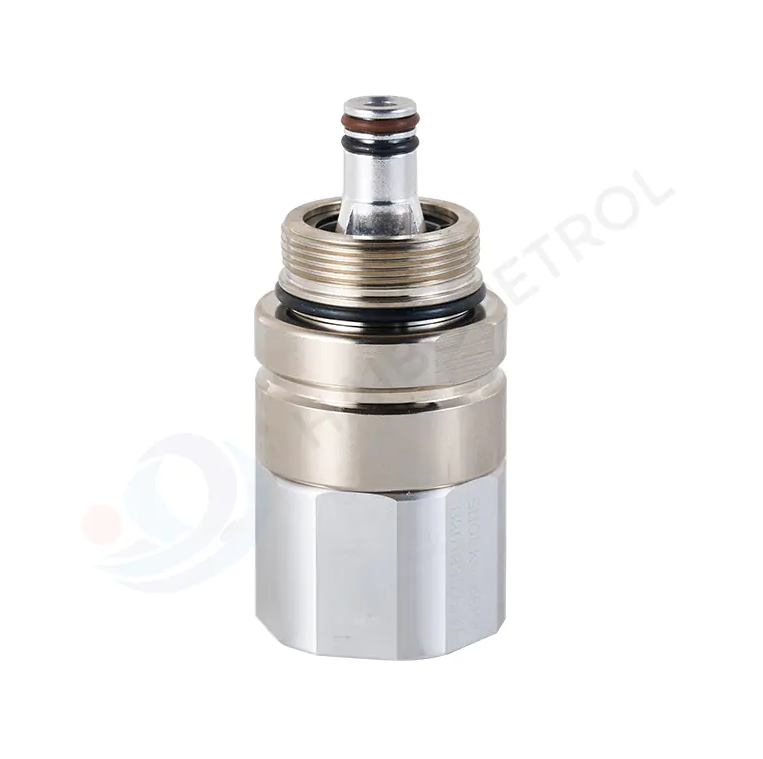
The idea is relatively simple. Instead of allowing fuel vapors to move freely into the surrounding environment, the system directs them toward a controlled recovery or treatment process.
This approach is attracting attention across fuel-related industries. It reflects a broader change in how storage facilities, fuel terminals, transport operations, and other businesses think about vapor management.
The subject is not only about equipment. It is also about planning, operational habits, environmental awareness, and responsible fuel handling.
A fuel vapor recovery system is a group of equipment and operating arrangements used to collect fuel vapors generated during fuel storage or transfer.
When fuel is stored in a tank, the space above the liquid may contain fuel vapor. Changes in filling activity, temperature, pressure, and fuel movement can affect this vapor space. During loading or unloading, additional vapors may be displaced.
Without a suitable management approach, these vapors can move into the surrounding atmosphere.
A vapor recovery system provides another route.
The system captures vapors and moves them into a controlled process. Depending on the application, the recovered vapor may be handled, processed, or returned to the fuel system.
The exact arrangement can differ between facilities. A small storage operation may have different needs from a large fuel terminal. A vehicle refueling environment may also require a different approach from a fuel distribution facility.
The common purpose remains the same: manage fuel vapor instead of treating it as an uncontrolled part of fuel handling.
This makes vapor recovery part of the wider fuel management process rather than an isolated piece of equipment.
Fuel vapor can be easy to overlook because it is not always visible. A storage tank may appear quiet while vapor is moving within the system.
That makes vapor management an important operational consideration.
Fuel vapors can be released during several routine situations:
Each activity can create a need for vapor control.
The issue also goes beyond the physical movement of fuel. Businesses are under growing pressure to understand how their operations interact with the surrounding environment. Vapor management can therefore become part of broader facility planning.
A fuel vapor recovery system does not eliminate every environmental or operational concern. Instead, it gives facilities a structured way to deal with one specific part of fuel handling.
That distinction matters.
Good vapor management starts with understanding where vapors may appear and how they should be handled. Equipment selection comes after that understanding.
The basic process can be explained without complicated technical language.
Fuel vapor is generated or displaced during storage and transfer. The vapor enters a controlled collection path rather than being released directly into the surrounding area.
From there, the vapor moves toward a recovery or management stage. The system then handles the vapor according to the needs of the facility.
A simple operating sequence may look like this:
| Stage | What Happens |
|---|---|
| Fuel Movement | Fuel enters, leaves, or moves within a storage system. |
| Vapor Generation | Vapor develops or is displaced during the activity. |
| Vapor Collection | The vapor is directed into a controlled path. |
| Vapor Management | The collected vapor is handled through an appropriate process. |
| Fuel System Coordination | Vapor management works alongside normal fuel operations. |
The important point is coordination.
A vapor recovery system should fit the way a facility already operates. If the system does not match storage practices, loading activities, maintenance routines, or operator habits, its practical value may be limited.
This is why modern discussions about vapor recovery often move beyond the equipment itself.
The surrounding process matters just as much.
Fuel vapor recovery can be relevant in many settings where liquid fuel is stored or transferred.
Fuel storage facilities are one common area of application. Storage tanks can experience vapor movement even when there is no obvious visible activity. Managing that vapor can therefore become part of routine storage planning.
Fuel distribution facilities also have a strong connection with vapor management. Fuel may move through several stages before reaching its final destination. Each transfer point can create another opportunity for vapor displacement.
Refueling facilities represent another important application. The movement of fuel into a vehicle or container can cause vapors to move in the opposite direction. A controlled recovery arrangement can help manage this exchange.
Other potential applications include:
The suitability of a system depends on the individual application. Fuel type, storage arrangement, operating practices, local requirements, and facility design can all influence the approach.
There is no universal layout that fits every location.
That is why vapor recovery should be considered as part of facility planning rather than as a simple add-on.
The value of vapor recovery is not limited to environmental considerations.
A well-planned system can also support more organized fuel handling.
One area is vapor containment. By creating a controlled route for fuel vapors, a facility can reduce reliance on uncontrolled release as part of normal operation.
Another area is operational awareness. Once vapor movement becomes part of the facility plan, operators can pay closer attention to activities that generate or displace vapor.
Vapor recovery can also encourage businesses to look at fuel transfer as a complete process.
Instead of focusing only on the liquid fuel, facility planners can consider both liquid movement and vapor movement.
This creates a more complete picture of what happens during storage and transfer.
The potential advantages can be viewed from several perspectives:
| Area of Attention | How Vapor Recovery Fits |
|---|---|
| Fuel Handling | Provides a controlled approach to vapor movement. |
| Facility Planning | Brings vapor management into the design discussion. |
| Environmental Awareness | Helps businesses address vapor release as part of operations. |
| Maintenance Planning | Encourages attention to vapor-related equipment and connections. |
| Daily Operations | Supports more consistent handling practices. |
These benefits should not be treated as automatic results. Performance depends on system design, installation, operation, inspection, and maintenance.
A recovery system is a tool. How that tool is integrated into the facility makes a meaningful difference.
Fuel vapor recovery was once easy to view as a specialized concern. That perspective is changing.
Modern fuel facilities are expected to consider more parts of their operation during the planning stage. Storage, transfer, safety, environmental responsibility, maintenance, and workflow are increasingly connected.
Vapor recovery fits naturally into this broader approach.
When a new facility is planned, vapor management can be considered alongside storage arrangements and transfer activities. When an existing facility is upgraded, vapor handling can become part of the discussion about how operations may change.
This shift also affects communication between different teams.
Facility managers may focus on daily operation. Maintenance teams may focus on equipment condition. Environmental teams may focus on vapor release. Designers may focus on facility layout.
A vapor recovery system connects these concerns.
That does not mean every facility needs the same system. It means vapor management deserves attention before decisions have already been made.
Planning early can make it easier to understand where vapor is generated, where it moves, and how it should be controlled.
Choosing a vapor recovery approach requires more than comparing equipment.
The starting point should be the actual operating environment.
Businesses can consider several practical questions.
What type of fuel is being handled?
Different fuels can behave differently during storage and transfer. Understanding the fuel involved helps define the vapor management requirements.
Where is vapor generated?
A facility should identify the activities that may produce or displace vapor. Storage and transfer points deserve particular attention.
How does fuel move through the facility?
The movement of liquid fuel often determines where vapor management needs to be integrated.
Who will operate and maintain the system?
A system should be understandable to the people responsible for daily operation and maintenance. Clear procedures can help prevent avoidable operating problems.
How will the system fit existing equipment?
Compatibility with the wider facility is important. Connections, storage arrangements, transfer activities, and maintenance access all need consideration.
What local requirements apply?
Fuel vapor management may be affected by local environmental, safety, and facility rules. Businesses should check the requirements that apply to their specific location and operation.
These questions can help move the discussion away from buying equipment and toward solving an operational need.
That difference is important.
A system selected without understanding the facility may create unnecessary complexity. A system selected around actual operating conditions has a clearer role within the wider process.
Fuel vapor recovery is closely connected with the changing expectations around responsible industrial operation.
Businesses are increasingly expected to consider not only what they produce, but also how their processes affect workers, nearby communities, and the surrounding environment.
Fuel vapor management is one part of that responsibility.
It encourages facilities to recognize that fuel handling involves both liquid and vapor. It also encourages operators to pay attention to activities that may have previously received less consideration.
The most useful perspective may be to treat vapor recovery as part of a larger operating philosophy.
A facility that pays attention to vapor movement is also more likely to examine storage practices, transfer procedures, equipment condition, and maintenance routines.
This can create a more connected approach to fuel management.
The conversation is also becoming relevant beyond traditional fuel facilities. As fuel storage and distribution practices continue to evolve, businesses may need to reconsider how vapor management fits into changing facility layouts and operating models.
This does not make vapor recovery a universal answer.
It makes it a subject worth evaluating.
For facility owners, operators, designers, and maintenance teams, the question is increasingly practical: where does fuel vapor enter the operation, where does it move, and what is the most appropriate way to manage it?
Those questions can shape the role of a fuel vapor recovery system long before the equipment is installed.


Quick Links
Product Categories
Contact Us
+86-13695828855
+86-15988773632 -abner lee
+86-13989700818 -Friendship Ge
No. 3, Xinbin Road, Yangwan Industrial Zone, Qiaoxia Town, Yongjia County, Wenzhou City, Zhejiang Province
Get in Touch
 Oil & Gas Refueling Equipment
 English
 中文简体
中文简体
 Español