
Vehicle refueling is a familiar activity. A driver parks at a fuel station, selects the required fuel, starts the pump, and waits for the tank to fill.
Although the process appears simple, fuel handling involves more than liquid moving from one container to another. Fuel can also produce vapors during storage and refueling. These vapors need to be managed as part of responsible fuel station operations.
This is where vapor recovery becomes relevant.
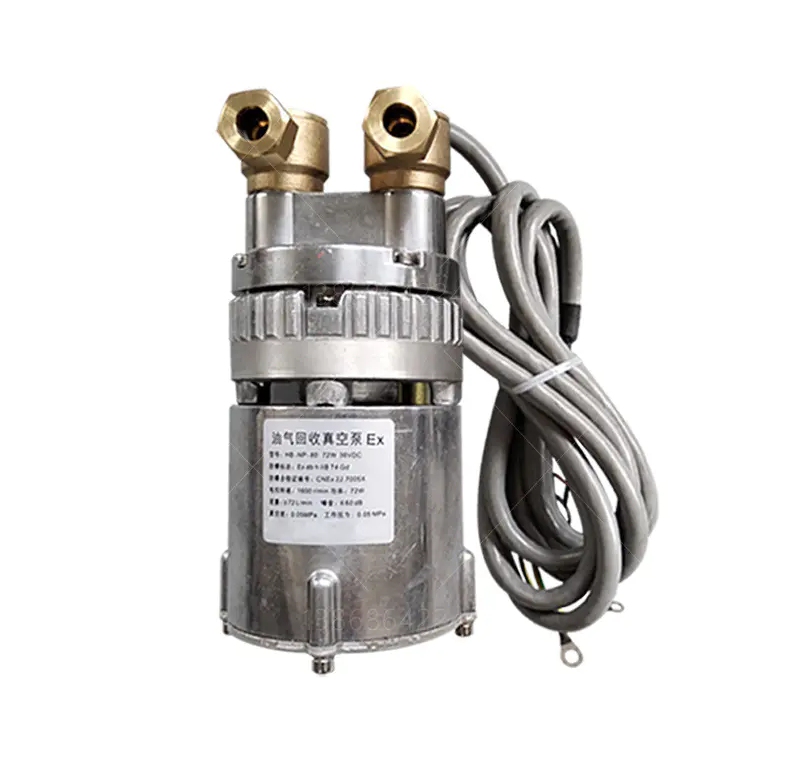
Vapor recovery systems are designed to help control fuel vapors generated during certain stages of fuel handling. During vehicle refueling, the movement of liquid fuel can displace vapors from the vehicle tank. Without an appropriate way to manage them, these vapors may enter the surrounding environment.
The subject has therefore attracted attention from fuel station operators, equipment suppliers, and businesses involved in fuel distribution.
Understanding why vapor recovery matters can help explain the role of equipment used around modern fueling facilities.
When fuel enters a vehicle tank, the space inside the tank changes.
The incoming liquid fuel takes up space that was previously occupied by air and fuel vapors. As the tank fills, displaced vapors need somewhere to go.
In a basic fueling process, these vapors can move out through the tank opening or other parts of the fuel system.
This creates an important distinction between the liquid fuel being delivered and the vapor being displaced.
The fuel itself is intended to enter the vehicle. The displaced vapor is a separate material that needs to be managed.
A vapor recovery arrangement can help collect or control these vapors during refueling.
The process can be viewed in a simple way:
| Refueling Activity | Vapor Management Consideration |
|---|---|
| Fuel enters vehicle tank | Existing vapors are displaced |
| Tank space changes | Vapor needs a controlled path |
| Refueling continues | Vapor generation and movement may continue |
| Tank approaches full | Vapor handling remains relevant |
| Fueling ends | Equipment returns to its normal operating state |
The exact process depends on the equipment and system design used at a particular facility.
The basic principle remains the same. Fuel vapor management is part of handling fuel responsibly.
Fuel vapors can contain substances that contribute to air pollution.
When released into the surrounding atmosphere, these vapors can affect local air quality. Their presence is therefore relevant to environmental management around fueling facilities.
Fuel stations are places where fuel is stored, transferred, and dispensed on a regular basis.
This means vapor management is not an isolated issue.
It is connected to several parts of the fueling process, including storage, delivery, dispensing, and vehicle refueling.
A well-organized facility needs to consider how fuel moves through the site and how vapors are handled along the way.
Vapor recovery equipment can form part of this broader management approach.
The purpose is not simply to add another piece of equipment to a fuel station. It is to create a more controlled path for vapors that would otherwise be released during normal fuel handling.
Vapor recovery can provide a controlled way to manage displaced fuel vapors.
During vehicle refueling, a recovery system may collect vapors from the vehicle tank and direct them through an appropriate return path.
This helps keep vapor movement connected to the fueling process.
A common concept involves linking vapor movement with fuel delivery.
As liquid fuel moves into the vehicle, displaced vapor can move in the opposite direction through a dedicated pathway. The vapor can then be managed according to the design of the fuel station's recovery system.
This creates a more organized process.
The exact equipment arrangement varies between facilities. Some systems may integrate vapor handling into the fueling equipment, while others may use additional components connected to the wider station system.
The important point is that vapor recovery provides a defined route for fuel vapors.
Without such a route, vapor can be released in less controlled ways.
Fuel stations need to manage several activities at the same time.
Customers need to refuel their vehicles. Operators need to monitor equipment. Fuel must be stored and transferred safely. Environmental responsibilities also need attention.
Vapor management fits into this larger operational picture.
A properly maintained recovery system can help the station maintain a consistent approach to vapor handling.
This can also support a cleaner and more organized working environment.
For operators, vapor recovery should not be viewed as an independent activity. It is connected to the condition of dispensers, hoses, vapor pathways, storage equipment, and other parts of the fueling system.
A problem in one area can affect another.
For example, damaged connections or poorly maintained components may interfere with the intended vapor path.
Regular inspection can therefore be an important part of station management.
It is associated with controlling vapors during vehicle refueling.
The system is designed to capture or manage vapors that are displaced from a vehicle fuel tank while fuel is being dispensed.
This makes Stage II vapor recovery different from systems focused on vapor control during fuel storage or delivery.
The focus here is the refueling connection between the vehicle and the fueling equipment.
A Stage II arrangement may include components that connect the vehicle's fuel tank area with a vapor return path.
The specific configuration depends on the system and applicable requirements.
For operators, understanding this distinction is useful.
Different vapor control systems address different parts of the fuel handling process. A station may need to consider more than one vapor management function depending on its equipment and regulatory environment.
Vapor recovery depends on several connected components.
The system needs to provide a suitable path for vapor movement. Connections need to remain secure. Hoses and other exposed parts need to remain in usable condition.
Some components are located near the dispenser. Others may connect the fueling area with the station's wider fuel handling system.
Common areas that may require attention include:
The condition of these parts can influence how well the system operates.
Routine inspection can help identify visible wear, damage, loose connections, or other issues before they become larger operational concerns.
Maintenance should follow the equipment manufacturer's instructions and applicable local requirements.
Because fuel handling involves safety and environmental considerations, repairs and system adjustments should be carried out by appropriately qualified personnel.
Maintenance is an important part of vapor recovery management.
A system may work as intended when its components are correctly installed and maintained. Over time, however, normal use can affect hoses, seals, connections, and other parts.
Operators can establish regular inspection routines based on the equipment and facility.
A practical maintenance approach can include several steps.
Check visible components
Look for damage, unusual wear, loose connections, or signs of deterioration.
Monitor fueling behavior
Changes in normal fueling behavior may indicate that equipment requires inspection.
Keep equipment clean
Dirt and fuel residue can build up around frequently used components.
Review connections
Connections should remain secure and properly fitted.
Respond to problems promptly
A suspected vapor recovery problem should not simply be ignored. Operators should follow the appropriate inspection and repair procedure.
Maintenance practices vary by system.
Operators should rely on applicable instructions, safety procedures, and local requirements rather than applying a generic maintenance schedule to every installation.
Equipment selection should begin with the needs of the fuel station.
A product that works in one facility may not automatically suit another. The fuel type, dispenser arrangement, existing system, installation environment, and applicable requirements all need consideration.
Buyers can ask several practical questions.
Where will the equipment be installed?
The physical environment can affect equipment selection. Outdoor fuel stations expose components to weather, dust, moisture, and frequent handling.
How will the equipment connect to the existing system?
Compatibility matters. The new equipment should work with the existing vapor recovery arrangement.
What maintenance will be required?
Buyers should understand which components need regular inspection and how replacement parts will be handled.
What support is available?
Clear technical documentation and qualified service support can make future maintenance easier.
Does the equipment meet applicable requirements?
Fuel vapor control is often subject to local environmental, safety, and installation rules. Operators should verify the requirements that apply to their location.
These questions can help buyers evaluate equipment based on actual operating needs rather than appearance or general marketing claims.
Environmental management is becoming a more visible part of fuel station operations.
Fuel stations interact directly with the surrounding environment. Fuel storage, delivery, and dispensing can all create potential sources of vapor emissions.
Vapor recovery provides a way to address one part of this process.
The wider goal is to manage fuel handling in a controlled manner.
This can involve several practices working together:
No single system can address every environmental concern at a fuel station.
Vapor recovery is one part of a broader approach to responsible fuel handling.
Fueling technology continues to develop, but the basic need to manage fuel vapors remains relevant wherever liquid fuel is transferred.
For fuel station operators, vapor recovery is connected to environmental management, equipment maintenance, customer operations, and regulatory responsibilities.
For equipment manufacturers, the focus is on creating systems that can fit practical fueling environments.
For buyers, understanding the purpose of vapor recovery can make equipment selection more informed.
The issue is not simply whether a station has vapor recovery equipment.
The condition, installation, compatibility, and maintenance of that equipment also matter.
During vehicle refueling, liquid fuel and fuel vapor move through connected processes. Managing both in an organized way can help fuel stations maintain a more controlled fueling environment.
As operators continue to pay attention to equipment condition and environmental responsibilities, vapor recovery remains an important part of the conversation around vehicle refueling and fuel station management.


Quick Links
Product Categories
Contact Us
+86-13695828855
+86-15988773632 -abner lee
+86-13989700818 -Friendship Ge
No. 3, Xinbin Road, Yangwan Industrial Zone, Qiaoxia Town, Yongjia County, Wenzhou City, Zhejiang Province
Get in Touch
 Oil & Gas Refueling Equipment
 English
 中文简体
中文简体
 Español