
Pump gas into your car, and you're actually part of a much bigger vapor management story happening around you. Every time fuel moves — whether it's a tanker filling an underground storage tank or a driver filling their own vehicle — some amount of fuel vapor gets displaced and pushed out. Left unmanaged, that vapor doesn't just disappear; it escapes into the air around the station.
That's the exact problem vapor recovery systems exist to solve. They capture those escaping vapors at different points in the fuel handling process, cutting down on unnecessary release and keeping the whole operation cleaner for everyone nearby.
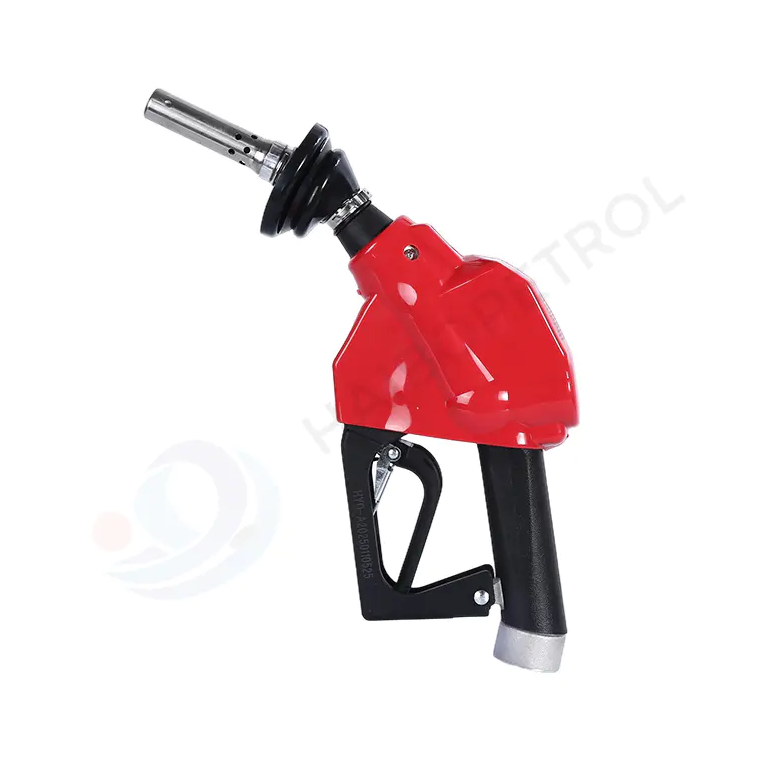
Stage 1 and Stage 2 Vapor Recovery are the two systems that handle most of this work, but they're not interchangeable — each one steps in at a completely different point in the fuel's journey from tanker to tank.
Knowing exactly where that distinction lies matters a lot for anyone planning fuel station equipment or trying to meet environmental requirements properly. Here's how the two actually compare.
Stage 1 Vapor Recovery deals with the handoff between a fuel delivery truck and the station's storage tanks. As new fuel gets pumped in, it displaces vapor already sitting inside the tank — and that vapor has to go somewhere.
Rather than letting it vent freely into the air, a Stage 1 system captures that displaced vapor and routes it back into the delivery truck instead. It's essentially a closed loop that keeps vapor contained during the entire delivery process.
| Application Situation | Vapor Management Purpose |
|---|---|
| Fuel delivery | Managing vapors during tank filling |
| Storage tank operation | Reducing vapor release during fuel movement |
| Fuel transfer process | Supporting controlled vapor handling |
Stage 1 systems live almost entirely on the storage and delivery side of things — customers never see them in action, but they're doing important work every single time a delivery truck shows up to refill a station's tanks.
Stage 2 Vapor Recovery picks up the job at the other end — right at the pump, during the actual refueling of a vehicle. As fuel flows into a car's tank, vapor gets pushed out of that tank in turn, and Stage 2 is what captures it before it escapes into the open air.
Where Stage 1 handles the wholesale delivery side, Stage 2 is working during every single customer fill-up, all day long.
Common places you'll find it include:
Its whole purpose is cutting down on vapor release during that everyday, routine act of filling up a car. As stations lean harder into environmental compliance, Stage 2 systems keep getting more attention as a genuinely practical piece of that puzzle.
The core distinction really boils down to where in the fuel handling chain vapor capture actually happens.
| Comparison Area | Stage 1 Vapor Recovery | Stage 2 Vapor Recovery |
|---|---|---|
| Main process | Fuel delivery to storage tanks | Vehicle refueling |
| Vapor source | Storage tank vapor displacement | Vehicle fuel tank vapors |
| Operation timing | During fuel transfer | During customer fueling |
| Main purpose | Manage delivery-related vapors | Manage refueling-related vapors |
Both systems are ultimately after the same outcome, but they're tackling two entirely separate legs of the journey. Stage 1 sits between the fuel supplier and the storage tank. Stage 2 sits between the dispenser and the driver's vehicle. Put together, they cover vapor management from the moment fuel arrives at a station all the way through to the moment it ends up in someone's gas tank.
Fuel moves through several distinct stages at any given station — delivery, storage, and ultimately dispensing to customers — and vapors can escape at each one of those points. One system alone just doesn't cover the whole picture.
Running both Stage 1 and Stage 2 together gives a station real, comprehensive coverage:
Each system carries its own distinct role — Stage 1 handles the storage side, Stage 2 handles the customer-facing side — and running both together is really what lets a station manage vapor challenges across its entire daily operation, rather than just part of it.
Stage 1 systems are firmly rooted in the storage and delivery side of fuel operations.
Fuel station storage systems
Whenever fuel gets delivered into underground or above-ground storage tanks, vapor management becomes a genuine necessity, and Stage 1 systems are what handle it.
Fuel distribution activities
Moving fuel between locations always involves some transfer step, and vapor recovery keeps that whole process a lot more controlled.
Storage management
Fuel levels rise and fall constantly, and vapor recovery systems help stations manage the resulting vapor shifts without letting anything escape unnecessarily.
Stage 1 works entirely behind the scenes — customers never really interact with it directly — but it remains a genuinely essential piece of fuel infrastructure all the same.
Stage 2 systems, by contrast, sit right at the point where customers actually interact with the fuel.
Vehicle refueling stations
The system manages vapors released the moment a vehicle starts taking on fuel.
Commercial fuel facilities
Businesses running fuel stations often build vapor recovery into their broader environmental management practices.
Public transportation fueling areas
Large vehicle fleets typically need organized fuel handling systems where vapor management is baked in from the start.
Because Stage 2 runs during every routine fill-up, it's the system most directly tied to everyday customer interactions at the pump.
Picking the right vapor recovery approach really comes down to the specific facility and how it actually operates day to day.
| Consideration | Why It Matters |
|---|---|
| Facility type | Different locations have different requirements |
| Fuel handling process | Determines where vapor control is needed |
| Equipment arrangement | Affects installation planning |
| Maintenance needs | Supports long-term operation |
| Environmental goals | Influences system selection |
Getting a clear read on how fuel actually moves through a given facility makes it a lot easier to land on the right vapor recovery setup. The right choice ultimately depends on exactly where vapors are being generated and how they need to be managed at each of those points.
Vapor recovery equipment isn't a set-it-and-forget-it installation — like most fuel management systems, it needs consistent attention to keep performing the way it's supposed to.
Skip routine checks, and performance tends to slip gradually without anyone noticing until it's a real problem.
Worth keeping on a regular maintenance checklist:
Regular maintenance also gives operators a chance to catch small issues early, well before they turn into bigger, costlier problems. A well-maintained vapor recovery system ultimately supports much more consistent, reliable fuel station operations overall.
Fuel industries continue to focus on better environmental management and more organized operations. Vapor recovery systems are an important part of this development.
Stage 1 and Stage 2 Vapor Recovery serve different purposes but share a common goal: managing fuel vapors more effectively.
Stage 1 helps during fuel delivery and storage activities. Stage 2 helps during vehicle refueling. Together, they provide a broader approach to vapor control across fuel handling processes.
Understanding these differences allows businesses to plan fuel facilities more effectively and select solutions that match their operational needs.


Quick Links
Product Categories
Contact Us
+86-13695828855
+86-15988773632 -abner lee
+86-13989700818 -Friendship Ge
No. 3, Xinbin Road, Yangwan Industrial Zone, Qiaoxia Town, Yongjia County, Wenzhou City, Zhejiang Province
Get in Touch
 Oil & Gas Refueling Equipment
 English
 中文简体
中文简体
 Español