At a fuel station, most of the activity looks simple from the outside. A vehicle arrives, the nozzle is inserted, fuel flows, and the process ends within minutes. What is not visible is the vapor movement happening at the same time.
Fuel does not stay completely stable when it is transferred. Small amounts turn into vapor during dispensing. Without control, that vapor can escape into the air. A stage 2 vapor recovery system is built to deal with this hidden part of the process.
It does not change how fueling feels. Everything still looks the same to the driver. The difference happens inside the system, where vapor is guided instead of released.
When fuel enters a vehicle tank, something very simple but important takes place: space is replaced.
Liquid fuel goes in, and the air that was inside needs to move out. That air is not clean air anymore. It carries fuel vapor mixed with it.
If nothing is done, that mixture escapes around the nozzle area. A vapor recovery system changes this movement path.
Instead of letting it drift into open air, the system gives it a controlled route back into the station equipment.
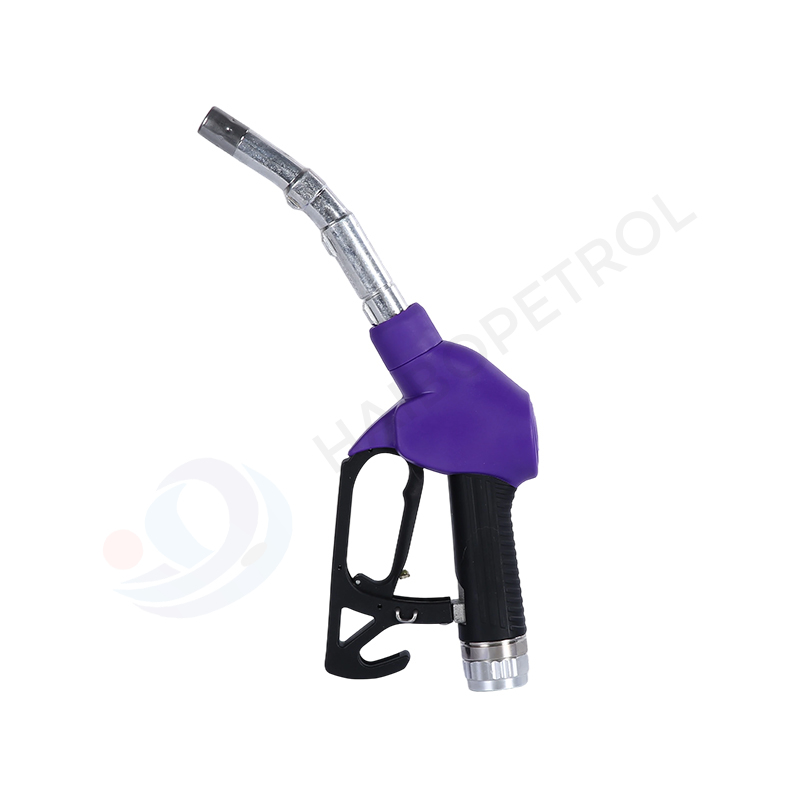
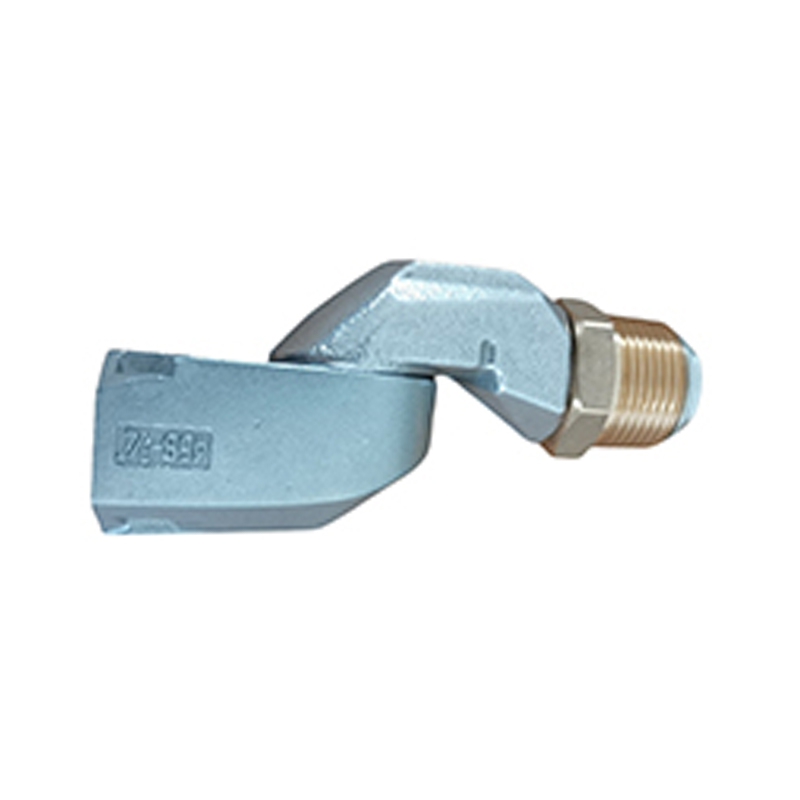
The nozzle is more than just a fuel outlet. It is also the first point where vapor is captured.
Around the nozzle, there is a space designed to catch the air and vapor that are pushed out of the tank. This space acts like a return channel.
As fuel flows in, vapor moves in the opposite direction through this channel. It is not a separate action. Both movements happen together at the same time.
From the outside, nothing looks different. Inside, two flows are moving in opposite directions in a controlled way.
Once vapor is collected, it does not stop there.
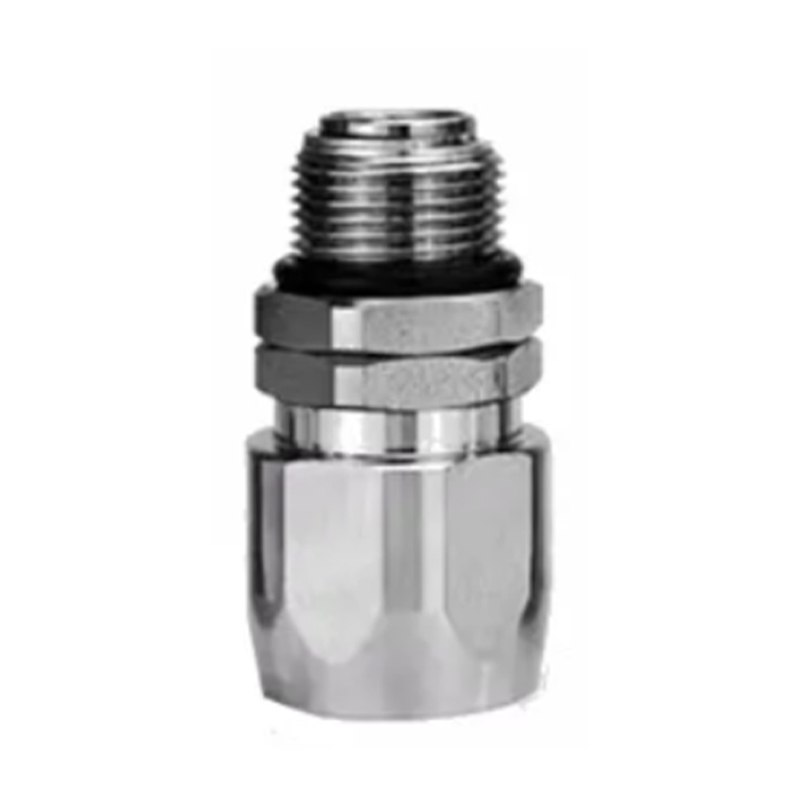
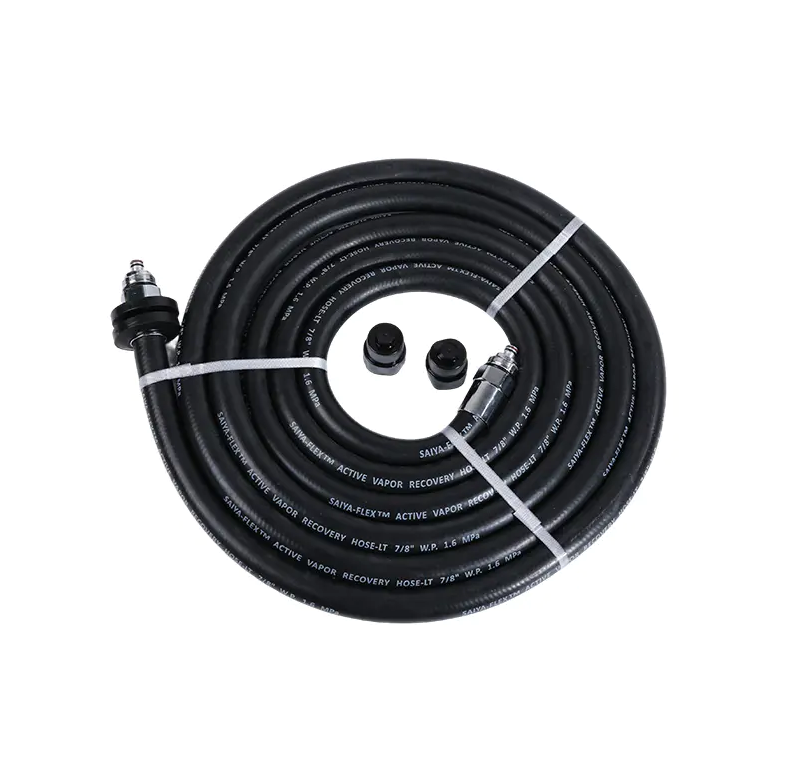
It travels through a return path inside the fueling system. This path is closed, meaning vapor is not released into the surroundings.
Along the way, vapor is guided and managed. Depending on system design, it may be directed into a storage area or kept within a controlled loop.
What matters is that vapor stays inside the system instead of escaping into the air around the station.
Fueling is a constant exchange of space. As fuel enters the tank, pressure inside changes every second.
If pressure is not balanced, vapor movement becomes unstable. Too much suction can affect fuel flow. Too little control allows vapor to escape.
The system continuously adjusts itself during operation. It reacts to changes in fuel speed, tank size, and vapor volume without stopping the process.
This balance is not fixed. It shifts slightly all the time.
It is easy to think of fueling as a one-direction process, but in reality, it is two-directional.
Fuel moves into the tank. At the same time, vapor moves out through a separate channel.
These two flows do not mix. They are separated but coordinated so that one does not disturb the other.
This coordination is what keeps fueling smooth while still controlling vapor release.
Air movement is always part of fueling, even if it is not noticed.
As fuel enters, air inside the tank must move out. If this air is not controlled, it carries vapor into the open environment.
The system guides airflow through a defined path. This prevents random release and keeps vapor inside the recovery loop.
Air is not removed. It is redirected in a controlled way.
Fueling is never exactly the same from one vehicle to another. Some tanks fill quickly, others slowly. Some create more vapor, others less.
The system adapts while everything is happening.
When fuel flow increases, vapor output also increases. The system responds by adjusting how much vapor it collects. When flow slows down, it reduces activity accordingly.
This continuous adjustment keeps the process stable without interruption.
Without a recovery system, vapor simply escapes into the air during fueling.
This can lead to:
These effects build up gradually over time rather than appearing suddenly.
A fuel station operates all day, with constant refueling cycles. The vapor recovery system has to keep working without breaks.
Stability comes from repetition under controlled conditions. Each fueling cycle follows the same pattern, even if details vary slightly.
Over time, the system relies on consistent behavior rather than single adjustments.
Small variations are expected, but the overall flow remains steady.
| Function Area | What Happens During Operation | Purpose |
|---|---|---|
| Vapor capture | Vapor is collected near nozzle | Prevents direct release |
| Vapor transfer | Vapor moves through return path | Keeps vapor contained |
| Air movement | Air is guided through channels | Controls pressure changes |
| Flow balance | System adjusts during fueling | Maintains smooth operation |
| Vapor handling | Vapor is stored or redirected | Reduces environmental release |
One of the most noticeable things about this system is that it never interrupts fueling.
There is no separate step where vapor is collected. Everything happens at the same time as fuel delivery.
Fuel goes in, vapor is collected, air shifts, and balance adjusts—all within one continuous flow.
From the user's point of view, nothing changes. From inside the system, a constant exchange is taking place.
Although drivers do not interact with the system directly, the effects are still present.
Fueling areas feel more controlled. Vapor does not accumulate in the same way. Air quality around the station becomes more stable during operation.
The system works quietly in the background, shaping conditions without drawing attention to itself.
Quick Links
Product Categories
Contact Us
+86-13695828855
+86-15988773632 -abner lee
+86-13989700818 -Friendship Ge
No. 3, Xinbin Road, Yangwan Industrial Zone, Qiaoxia Town, Yongjia County, Wenzhou City, Zhejiang Province
Get in Touch
 Oil & Gas Refueling Equipment
 English
 中文简体
中文简体
 Español