 English
Other Underground Storage Tank Related Parts
With the growing global adoption of ethanol-blended gasoline, fuel storage and transfer systems are facing a critical and often underestimated challenge: moisture and condensation control. Whether in fuel terminals, retail gas stations, chemical facilities, or biofuel blending and distribution systems, once atmospheric moisture enters tanks or pipelines, it can have long-term and hidden impacts on fuel quality, operational safety, and equipment lifespan. Addressing this issue has given rise to a specialized product category known as Ethanol Gasoline Drying and Vent-Line Moisture Control Systems.
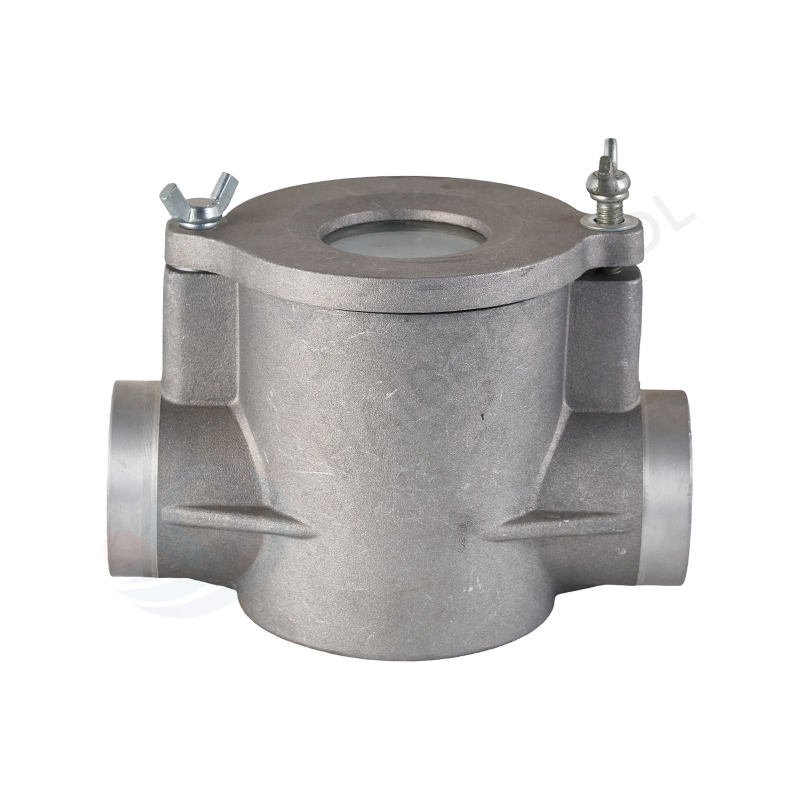
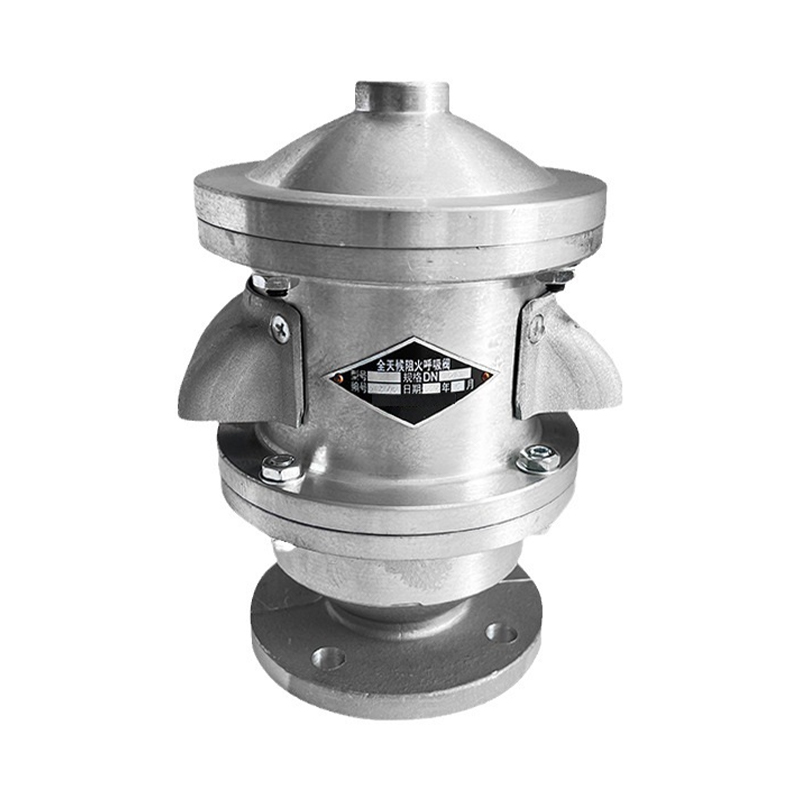
Products in this category are typically installed within tank or pipeline venting systems. Through a combination of mechanical design and moisture-absorbing media, they prevent humid ambient air from entering the system while still allowing tanks to breathe safely within designed pressure limits. By balancing moisture prevention and pressure equalization, these systems have become a standard configuration for ethanol fuel infrastructure in many international markets.
1. Why Ethanol Gasoline Systems Require Dedicated Moisture Control
Compared with conventional gasoline, ethanol-blended fuels are inherently hygroscopic, meaning ethanol readily attracts and binds with water molecules. Once moisture enters the fuel system, several serious issues may occur:
Phase separation risk – Excess water can cause ethanol and gasoline to separate, rendering the fuel unusable.
Accelerated corrosion – The combined presence of ethanol and water significantly increases corrosion of metallic components, especially aluminum alloys and carbon steel interfaces.
Filtration and metering instability – Moisture may clog filters and affect the accuracy of flow meters and dispensing equipment.
Operational and safety concerns – Condensed water inside tanks may contribute to abnormal pressure behavior or vapor management issues under extreme conditions.
As a result, relying solely on sealing is insufficient. Active moisture protection combined with controlled venting is essential for ethanol gasoline storage and handling systems.
2. Functional Positioning of This Product Category
Rather than being a single component, this category represents a system-level solution integrated into vent-line assemblies. Its primary functional objectives include:
Preventing direct ingress of humid ambient air
Absorbing moisture that enters the vent pathway
Providing clear and intuitive indications for maintenance or media replacement
Maintaining stable and unrestricted venting performance under varying operating conditions
By achieving these goals, the system significantly improves the “breathing quality” of fuel storage infrastructure without requiring modifications to existing tanks or piping layouts.
3. Typical Application Scenarios
3.1 Retail Fuel Stations
At service stations, underground or aboveground storage tanks undergo frequent filling and dispensing cycles, resulting in constant venting activity. Without proper moisture protection, daily temperature fluctuations can introduce significant condensation into tanks. This product category is especially effective for fuels with higher ethanol content.
3.2 Fuel Terminals and Bulk Storage Facilities
Large-scale fuel depots are often located in coastal or high-humidity regions and operate under complex environmental conditions. Moisture-control vent components serve as a critical safeguard, helping operators reduce long-term maintenance costs and fuel degradation risks.
3.3 Biofuel Blending and Storage Plants
Water control is particularly critical during ethanol blending operations. Installing moisture-protection devices on blending, buffer, or intermediate tanks helps minimize post-blending fuel quality fluctuations.
3.4 Industrial and Chemical Liquid Storage
Beyond fuel applications, any liquid storage system that is sensitive to moisture yet requires pressure-balanced venting can benefit from the same design principles applied in this product category.
4. Structural Design Philosophy and Key Advantages
From a design perspective, products in this category typically emphasize long-term reliability rather than unnecessary complexity. Common advantages include:
Modular construction for easy installation, replacement, and servicing
Environmental resistance, suitable for outdoor exposure to temperature extremes, humidity, and airborne contaminants
Visual moisture-media status indication, enabling intuitive maintenance planning
Low airflow resistance, ensuring pressure balance without compromising moisture protection
These features are engineered to support continuous, stable operation throughout the equipment’s service life.
5. Material Selection and Manufacturing Capability
To meet diverse project requirements, this product category can be manufactured using a range of materials, including:
Lightweight metal alloys for cost- and weight-sensitive applications
Stainless steel for corrosive environments or high-reliability installations
Seal and gasket materials selected specifically for fuel and ethanol compatibility
Manufacturing processes typically follow established industrial quality controls, covering raw material sourcing, precision machining, surface treatment, assembly, and functional testing. This ensures consistent performance for large-volume production while retaining flexibility for customized configurations.
6. Market Positioning Versus International Counterparts
In North American and European markets, similar moisture-control venting solutions are widely adopted in ethanol fuel storage and distribution systems. Some brands focus on ease of maintenance through modular designs, while others emphasize extreme environmental durability.
This product category incorporates proven international design concepts while addressing the practical needs of Asian and emerging markets. Competitive advantages include balanced cost-performance, flexible lead times, and strong customization capability—making these solutions suitable for both large infrastructure projects and smaller independent installations.
7. Installation, Maintenance, and User Experience
From an operator’s perspective, the true value of this product category lies in ease of use:
Installation typically requires no major modification to existing systems
Routine inspection is straightforward and visual
Moisture-absorbing media can be replaced or replenished with minimal effort
Long-term operation significantly reduces water-related system risks
These factors collectively reduce total cost of ownership (TCO), an increasingly important consideration for fuel system operators.
8. Service and Technical Support
Beyond supplying standard products, comprehensive support can include:
Application-specific product selection guidance
Interface and installation compatibility support
Documentation and coordination for bulk or project-based orders
Continuous improvement solutions for long-term partners
This transition from individual components to integrated system solutions enables customers to receive consistent support throughout project planning, operation, and future expansion.
9. Conclusion: Long-Term Moisture Protection for Ethanol Fuel Infrastructure
As ethanol-blended fuels continue to expand worldwide, the technical requirements for storage and venting systems will only become more demanding. Ethanol gasoline drying and vent-line moisture control equipment has emerged as a critical product category addressing these evolving needs.
Though often overlooked, these systems play a vital behind-the-scenes role in protecting fuel quality, extending equipment service life, and reducing operational risk. Through sound design, reliable manufacturing, and professional service support, this product category has become an indispensable component of modern fuel infrastructure.
For operators seeking long-term reliability and alignment with the future of fuel technology, this represents a strategic and forward-looking investment.