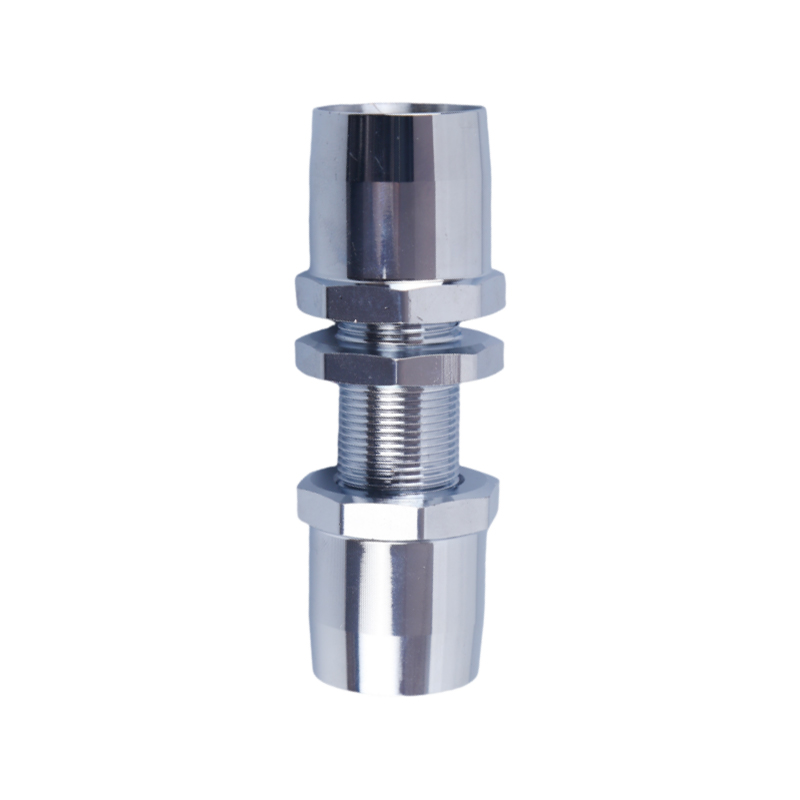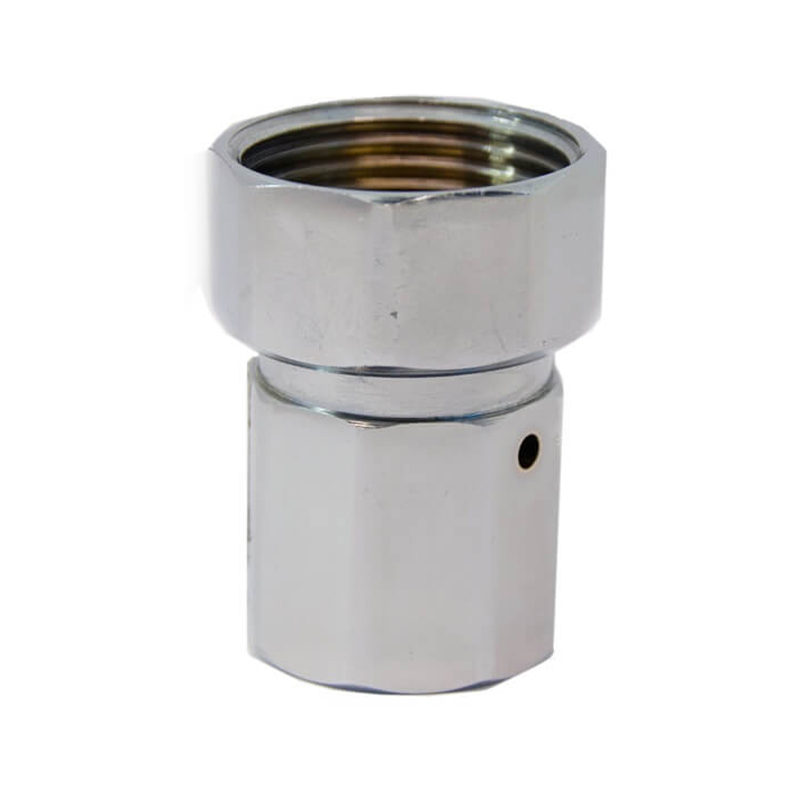
Hose systems are standard gear across most industrial and commercial sites, widely used for routine cleaning, equipment maintenance, fluid transfer and general daily tasks. Though hoses look simple in design, frequent on-site use brings plenty of practical headaches. Restricted movement, messy tangling, awkward handling and premature wear all slow down workflows and create frustrating operational hurdles for workers.
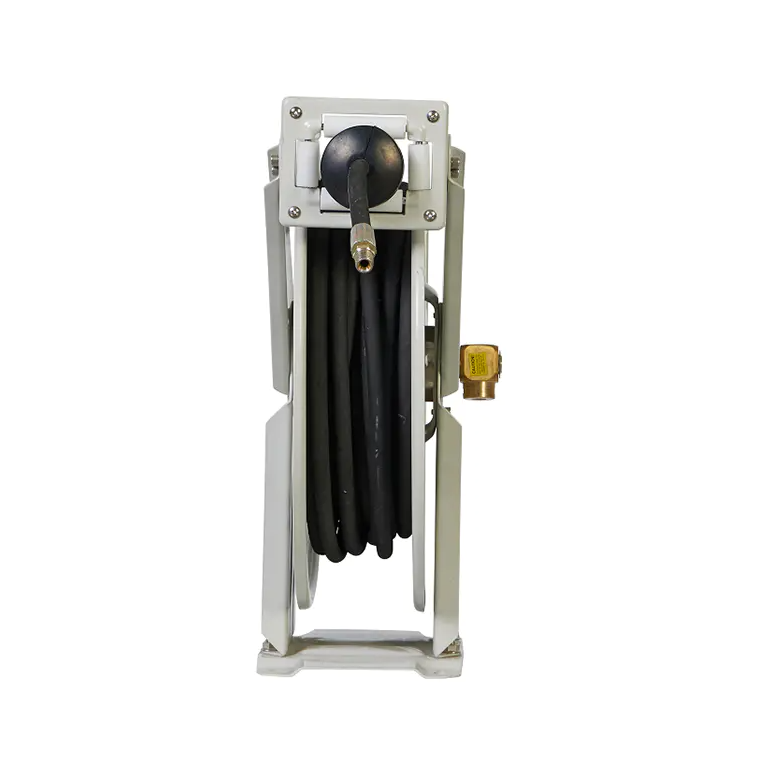
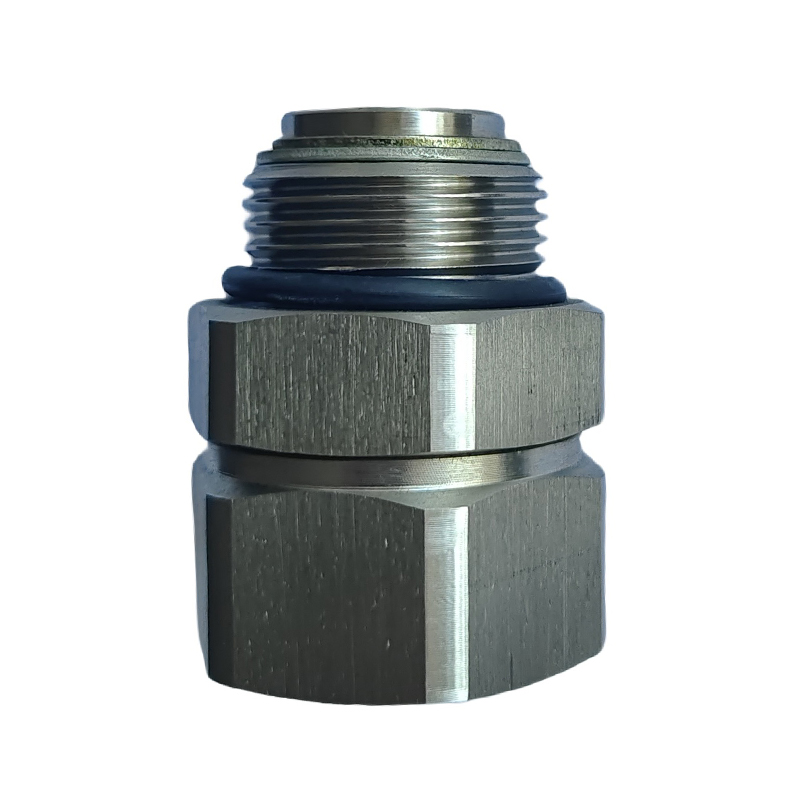
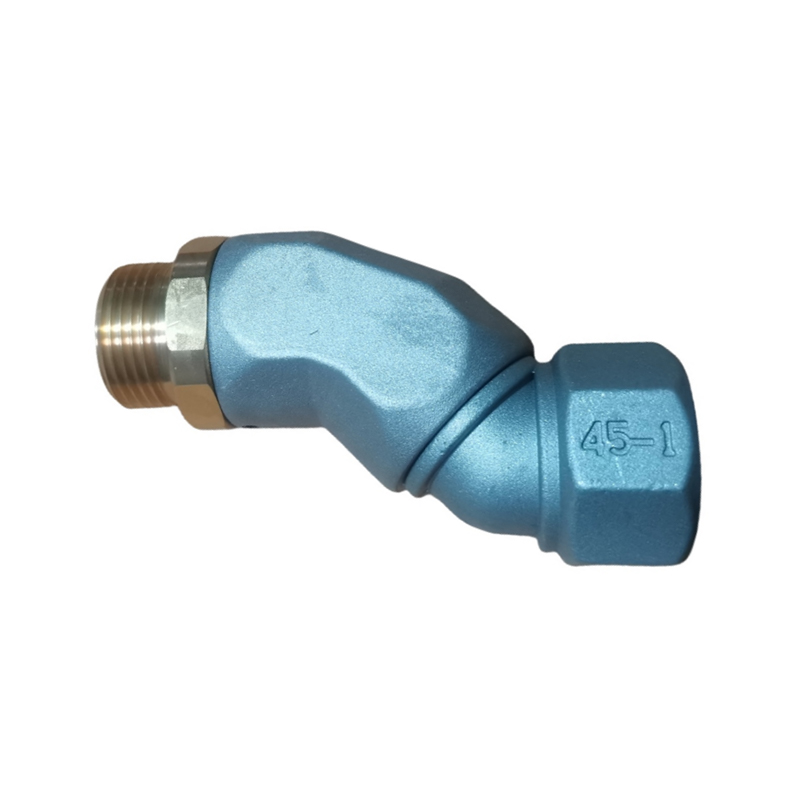
High pressure hose reel swivel effectively fix these common pain points and make hose operation far smoother. Installed between the reel and hose line, these small but key parts enable flexible rotation, streamline daily work and keep on-site tool arrangement neat and orderly. As workplaces increasingly prioritize operational safety and usability, more teams are adopting swivel components to stabilize their daily hose workflows.
The benefits of hose reel swivels go beyond basic equipment performance. They reshape how staff handle tools, carry out daily tasks and maintain a tidy working environment. Recognizing these common operational flaws helps users build more practical, problem-free hose system setups for long-term use.
Flexible movement is essential for any working hose. On job sites, workers constantly pull, turn and reposition hoses to adapt to different operation angles and working ranges. Without a swivel structure, fixed connection points bear all the twisting and pulling force during every movement.
Traditional fixed connections greatly limit hose mobility. Repeated direction changes easily twist the hose body, making it stiff and hard to maneuver. This not only slows down daily work progress but also creates persistent tension at the connection joint, accelerating local wear and tear.
High pressure hose reel swivels solve this core issue by enabling free, smooth rotation at the connecting joint. This flexible rotating structure removes movement restrictions, letting workers pull and turn the hose naturally without repeatedly adjusting the whole reel setup. It is especially helpful for tasks that require frequent movement around machinery, vehicles and complex work zones, making routine operations much less labor-intensive.
| Common Issue | How a Hose Reel Swivel Helps |
|---|---|
| Limited hose movement | Allows smoother directional changes |
| Twisting during operation | Supports flexible rotation |
| Difficult handling | Makes hose positioning easier |
| Connection stress | Helps reduce unnecessary movement pressure |
Hose tangling is one of the most frequent and annoying problems on job sites. Long-term repeated pulling, bending and retwisting during daily use easily cause messy knots and twists. Tangled hoses disrupt work continuity, drag down overall efficiency and leave the entire work area cluttered and disorganized.
Hose reel swivels add an active flexible joint to the whole pipeline system. Instead of forcing the hose to follow a fixed angle, the swivel rotates freely to match the hose's movement direction. This effectively offsets torsional force and drastically reduces the chance of knotting and winding during operation and retraction.
This simple upgrade greatly improves the user experience. Workers spend far less time untangling messy hoses and can focus fully on their core operational tasks. Hoses also retract and store neatly after use, keeping work areas tidy and well-organized.
For facilities that rely on high-frequency hose operation, anti-tangle performance is a key part of daily site management. Swivel components eliminate unnecessary work interruptions caused by tangled lines and keep daily workflows stable and efficient.
The joint between hose reels and hoses is the most stressed part of the entire pipeline system. Rigid fixed connections cannot adapt to frequent position changes, resulting in concentrated pulling and twisting pressure at the joint.
On real job sites, workers often adjust their operating positions back and forth, pulling the hose in different directions. Inflexible fixed joints make these routine movements awkward and laborious, and long-term forced deformation will gradually damage the pipeline structure.
Swivel connections perfectly adapt to these dynamic working scenarios. They rotate and adjust synchronously with hose movement, so the pipeline can naturally follow the worker's operating rhythm without requiring frequent repositioning of the entire reel equipment. This makes the whole hose system highly adaptable to complex and changeable working environments.
This subtle structural optimization makes daily operation much smoother. Workers no longer struggle against stiff, restrictive hoses, and the equipment responds flexibly to every routine movement. These small iterative improvements greatly boost overall working efficiency in long-term daily operations.
Poorly managed hose systems create hidden safety risks on work sites. Twisted, scattered and randomly placed hoses block pedestrian passages, hinder equipment movement and are difficult to sort and store after work. Cluttered pipelines are a common cause of trips, falls and operational errors.
High pressure hose reel swivels fundamentally improve hose arrangement by smoothing out the entire operating process. With flexible rotation support, hoses extend smoothly during use and retract neatly into place afterward, effectively avoiding messy stacking and random draping.
Standardized hose management is not just about a tidy-looking workspace. It optimizes the entire operating environment, reduces stumbling hazards and lets workers complete various tasks more steadily and confidently.
Modern industrial design prioritizes practicality and usability. Equipment accessories that simplify daily handling and standardize workflows play a vital role in building safer, more orderly working spaces.
Most hose system wear and tear stems from long-term repeated stress and forced deformation. Rigid connection joints concentrate all twisting, pulling and bending pressure on a single point, which easily causes aging, cracking and loose sealing over time.
Swivel structures disperse local pressure effectively. They release torsional force through free rotation during operation, preventing the hose and joints from bearing excessive fixed bending stress. This balanced movement mode greatly reduces abnormal component loss.
This flexible protection mechanism supports long-term stable equipment operation. It offsets wear caused by irregular operating habits and reduces the frequency of equipment failure and replacement.
Of course, daily cleaning, regular joint inspection and standardized operation remain essential maintenance steps. Even so, a well-designed swivel component significantly lowers daily maintenance pressure and extends the service life of the entire hose system. More users now value this long-term durability advantage when selecting industrial equipment parts.
Different working scenarios come with unique operating intensities and environmental conditions. The most suitable swivel model depends on on-site environments, usage frequency and the matching state of existing hose systems.
Users usually evaluate the following core factors before making a purchase:
Working Environment Adaptability
Indoor workshops, outdoor construction sites, cleaning stations and service venues all have different requirements for waterproofing, corrosion resistance and dust resistance. The swivel's material and structural performance must adapt to the actual operating environment to ensure stable long-term use.
Daily Operation Frequency
Hoses used for high-frequency daily work require wear-resistant, smooth rotating swivels. Stable flexibility and smooth handling are critical to maintaining long-term operational efficiency for frequently used equipment.
Maintenance Convenience
Simple structural design makes daily inspection, cleaning and maintenance much easier. User-friendly swivel components help users keep the whole pipeline system in good condition with low maintenance costs.
System Compatibility
The selected swivel must perfectly match the specification and interface of the existing hose reel and pipeline. Good compatibility avoids modification work and ensures seamless integration into the original equipment system.
Choosing a qualified swivel is not just a fix for existing problems. It is a practical investment to optimize long-term daily workflows and improve overall operational convenience.
Modern industrial equipment design is increasingly leaning toward flexibility and humanized operation. Many small accessory components that were once overlooked now play a key role in determining overall workflow efficiency and user experience.
High pressure hose reel swivels are a typical example of this design upgrade. This tiny rotating joint effectively optimizes the interaction between workers and equipment, solving many long-standing trivial but troublesome operational problems.
Current industrial users pursue smoother, simpler and more adaptable working tools. They favor equipment accessories that reduce operational resistance, lower maintenance pressure and fit diverse working scenarios.
As industrial hose systems continue to upgrade and iterate, flexible swivel components will remain an essential part of standardized hose management. Brisk movement, tidy on-site arrangement and effortless handling have become basic standards for modern industrial daily operations, and high-quality swivel structures are key to supporting these improvements.
Quick Links
Product Categories
Contact Us
+86-13695828855
+86-15988773632 -abner lee
+86-13989700818 -Friendship Ge
No. 3, Xinbin Road, Yangwan Industrial Zone, Qiaoxia Town, Yongjia County, Wenzhou City, Zhejiang Province
Get in Touch
 Oil & Gas Refueling Equipment
 English
 中文简体
中文简体
 Español