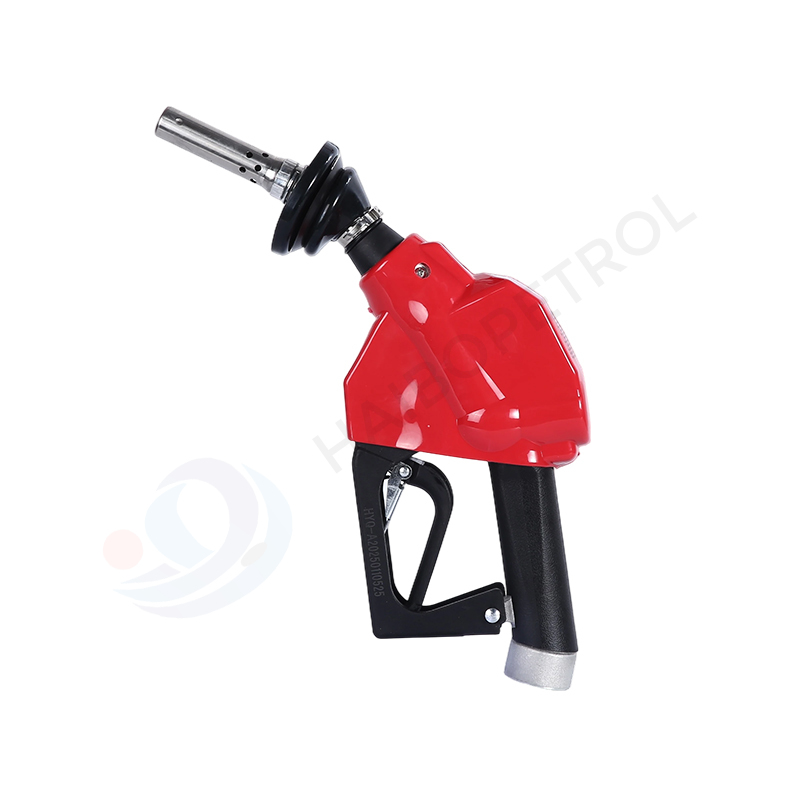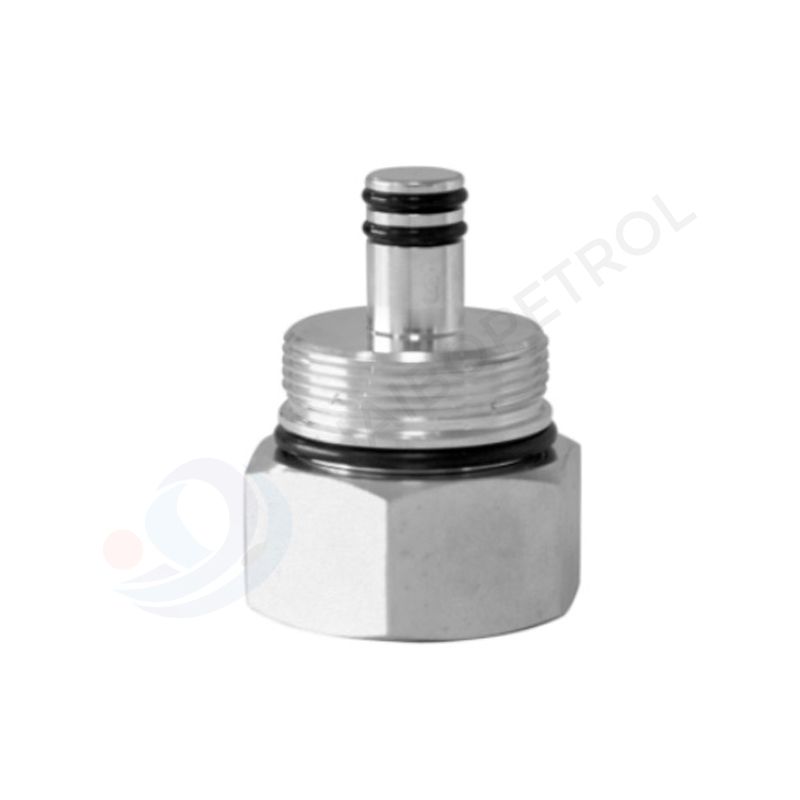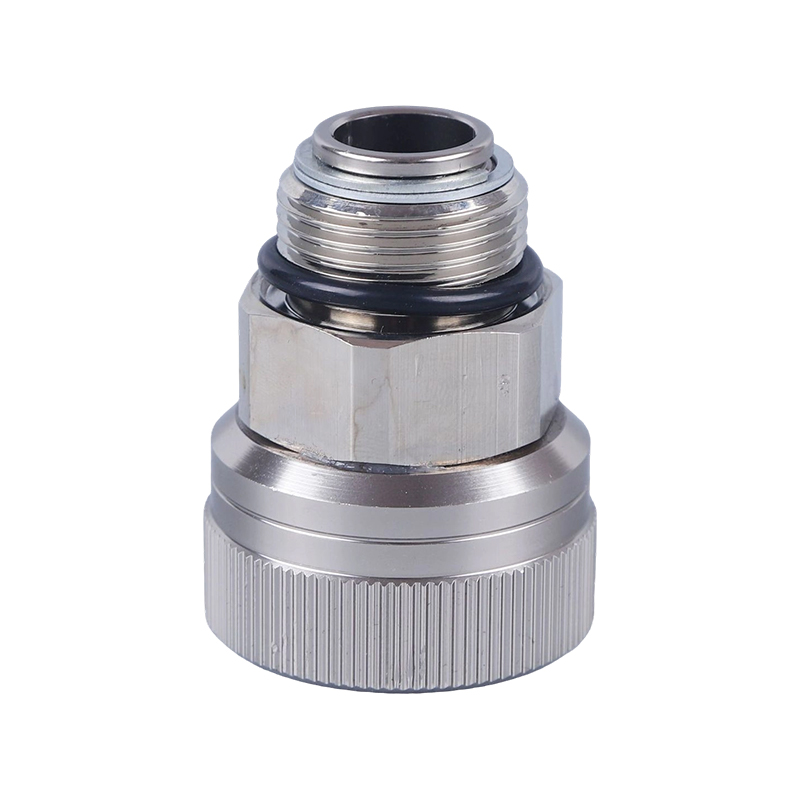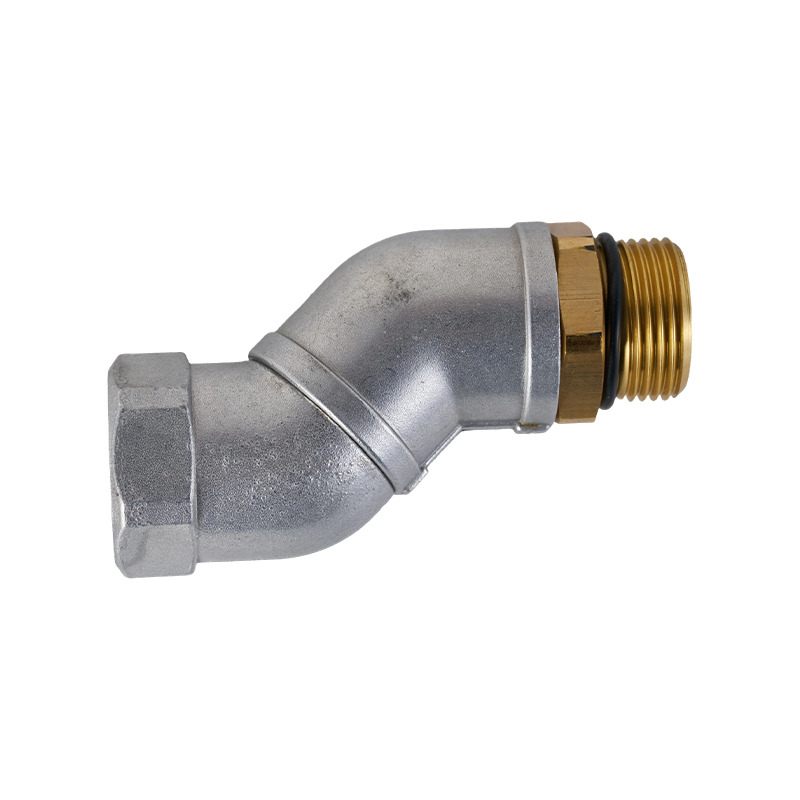
Fuel stations rarely stand still. Even when the layout looks the same, small operational details keep changing. One area that has drawn quiet attention is how vapor is managed during refueling. It is not something drivers think about, yet it shapes both environmental impact and daily efficiency.
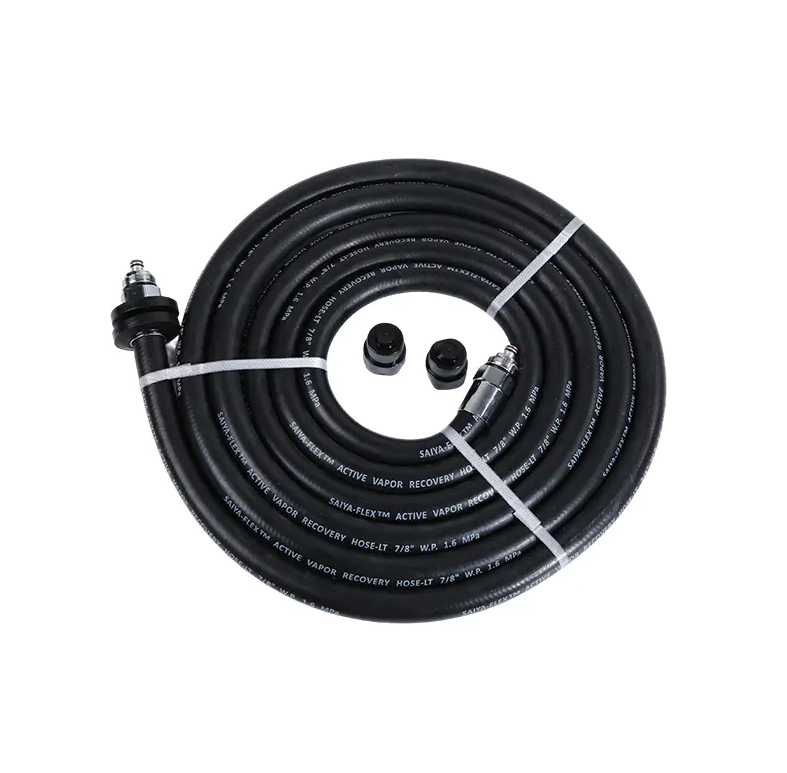
Stage 2 vapor recovery system were introduced to deal with fuel vapor released when vehicles are refueled. The concept is simple. Capture vapor and return it instead of letting it disperse. The challenge appears when this process needs to happen without slowing down normal station activity.
Operators are not working in theory. They are dealing with queues, customer expectations, and continuous use. This makes the balance between emission control and efficiency less of a technical question and more of an everyday operational concern.
Fuel turns to vapor very easily. As you pump liquid fuel into a car’s tank, the empty space inside shrinks, forcing built-up vapor out. Without vapor recovery gear, these fumes drift straight into the open air.
This takes place every single time someone fills up their tank. A single refuel might not seem like a big deal, but hundreds of fuel pumps running nonstop release fumes constantly. Day after day, these emissions build up around the whole gas station.
Stage 2 vapor recovery systems solve this issue. Instead of letting vapor disperse, the equipment pulls those fumes back into underground storage tanks. It runs automatically while fuel flows, so drivers don't have to do anything extra.
Controlling fuel vapor isn't just about one single concern. It ties into stricter air quality standards and better management of public service areas. Even if customers never notice it working, vapor recovery stays a necessary part of daily gas station operations.
How fast fuel pumps run is the first thing drivers notice at gas stations. Customers want quick, hassle-free refuels, and even tiny holdups feel annoying, especially during rush hours.
Well-calibrated vapor recovery hardware works quietly in the background. Gas pumps at full regular flow while fumes get captured simultaneously, so drivers won't feel any difference from standard pumping.
Problems pop up if the recovery system isn't matched to real-world pumping needs. Restricted air circulation or loose, uneven seals slow down fuel delivery. The drop in flow might be subtle at first, but it leaves visitors with a bad impression of the station.
Good efficiency isn't just about maximum pumping speed. Steady, unbroken fuel flow counts for more than pure speed alone.
The performance of a vapor recovery system depends on several everyday factors. These are not always technical in nature. Many are linked to handling, condition, and routine use.
| Element | Role in Operation | Daily Effect |
|---|---|---|
| Nozzle fit | Maintains proper contact | Supports consistent vapor capture |
| Hose movement | Affects flexibility during use | Influences ease of handling |
| Equipment condition | Reflects wear over time | Impacts reliability |
| Regular inspection | Identifies small changes early | Prevents unexpected slowdowns |
| Ambient conditions | Alters vapor movement slightly | Changes how the system responds |
These elements interact continuously. A slight change in one area can influence the overall experience. Operators often notice these changes through small differences in how fueling feels rather than through visible faults.
On the surface, catching fuel vapors and keeping gas pumping quickly sound easy to combine. In actual use, the two functions often work against each other.
Sealing the unit up tighter traps more fumes, yet it creates extra internal drag that slows fuel passing through the nozzle. If you tune the setup purely for fast, steady flow, vapor suction becomes weak and fails to collect fumes properly.
The sweet spot sits somewhere in the middle, and it's never permanent. It shifts based on how often pumps run, regular upkeep work, and outside weather conditions.
Station staff tweak the system bit by bit over time. They watch how equipment acts during busy rush times and make minor adjustments. This method keeps refueling running normally while steadily boosting overall system performance.
In a working station, simplicity matters. Staff need clear routines rather than complicated procedures. Systems that require constant adjustment tend to create more problems than they solve.
A practical approach focuses on observation. Instead of relying on detailed measurements, operators pay attention to how equipment behaves during normal use.
Simple routines can support this process:
These steps fit into daily operations without slowing them down. They help maintain both emission control and efficiency through steady attention rather than complex intervention.
Drivers interact with the system directly, even if they are not aware of it. The way the nozzle is inserted and held can influence how effectively vapor is captured.
A firm and stable fit supports proper operation. When the nozzle sits correctly, the system can guide vapor back as intended. If the fit is uneven or loose, vapor may escape.
Most users do not think about this. Their actions are guided by habit. This is where design becomes important. Equipment that feels natural to use encourages correct handling without instruction.
A comfortable grip, smooth insertion, and stable positioning all contribute to better performance. These details are subtle, yet they shape how the system works in practice.
No system remains stable without regular care. Over time, components experience wear. Small changes in condition can affect both vapor capture and fuel flow.
Maintenance does not need to be complex. It focuses on consistency rather than intensity. Regular attention helps prevent gradual decline in performance.
Common maintenance habits include:
These actions help maintain a steady balance. They also reduce the likelihood of sudden issues during busy periods.
A well-maintained system often feels unnoticed. It performs its function without drawing attention, which is exactly what operators aim for.
Design quietly holds the key to keeping pumping and vapor capture balanced. Equipment built around how people actually refuel rarely needs constant tweaking.
User-friendly hardware lets drivers operate pumps correctly without extra thought. This keeps fuel flowing fast while fumes get fully collected; the recovery system blends into regular refueling instead of acting like an extra cumbersome step.
Design also dictates how each part works together. Tight, seamless fittings and properly aligned parts lower the risk of flow blockages or vapor leaks, keeping performance steady long-term.
Station owners favor gear that slots straight into their daily workflows. Less regular fine-tuning means far more dependable everyday operation.
Gas stations don't exist separate from wider market trends. Public demands for cleaner surroundings, faster service and lower environmental harm keep rising year by year.
Drivers won't specifically ask about vapor recovery systems, but they judge the whole refueling experience. A station with smooth, trouble-free pumping makes a far better impression than one plagued by small flow hiccups.
Station crews adapt their equipment setups to match these higher standards. They search for upgrades that boost performance without adding complicated new steps to daily work.
This transition happens slowly, no big overhauls required—just steady minor optimizations. Step by step, these small refinements reshape how vapor recovery hardware runs alongside standard station work.
Not every improvement requires new equipment. Many stations can achieve better balance by refining existing practices.
Observation is often the starting point. By paying attention to how the system behaves during normal use, operators can identify small areas for adjustment.
Changes might include improving cleaning routines, adjusting how equipment is handled, or ensuring better alignment between components. These steps are often simple but effective.
Gradual improvement allows staff to stay comfortable with their workflow. It also reduces the risk of disruption. Each small change builds toward a more stable balance between emission control and efficiency.
The process does not follow a fixed path. It adapts to the specific conditions of each station. This flexibility helps maintain both performance and practicality in everyday operation.
Quick Links
Product Categories
Contact Us
+86-13695828855
+86-15988773632 -abner lee
+86-13989700818 -Friendship Ge
No. 3, Xinbin Road, Yangwan Industrial Zone, Qiaoxia Town, Yongjia County, Wenzhou City, Zhejiang Province
Get in Touch
 Oil & Gas Refueling Equipment
 English
 中文简体
中文简体
 Español