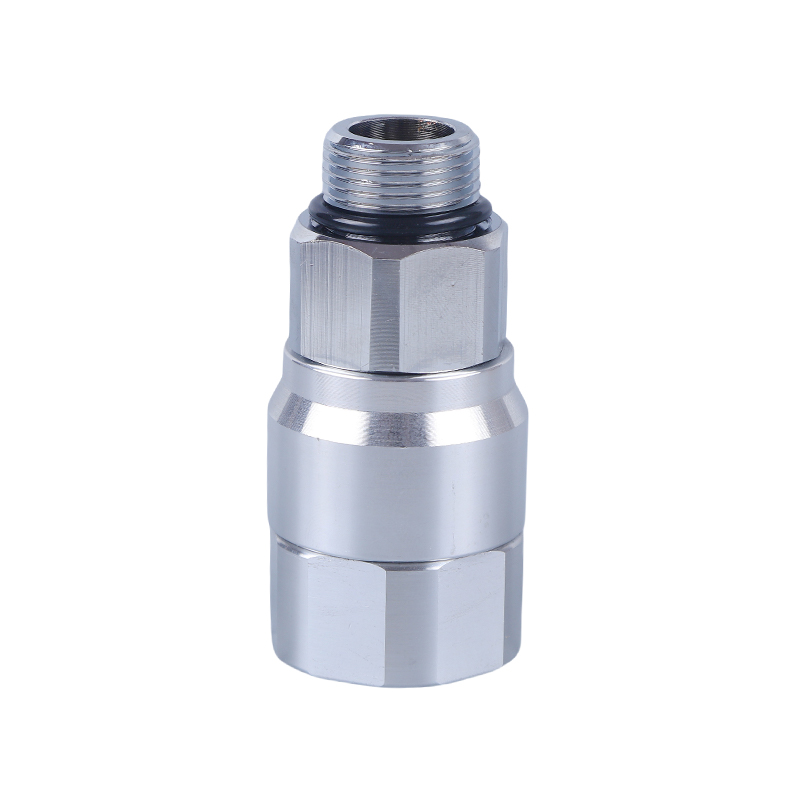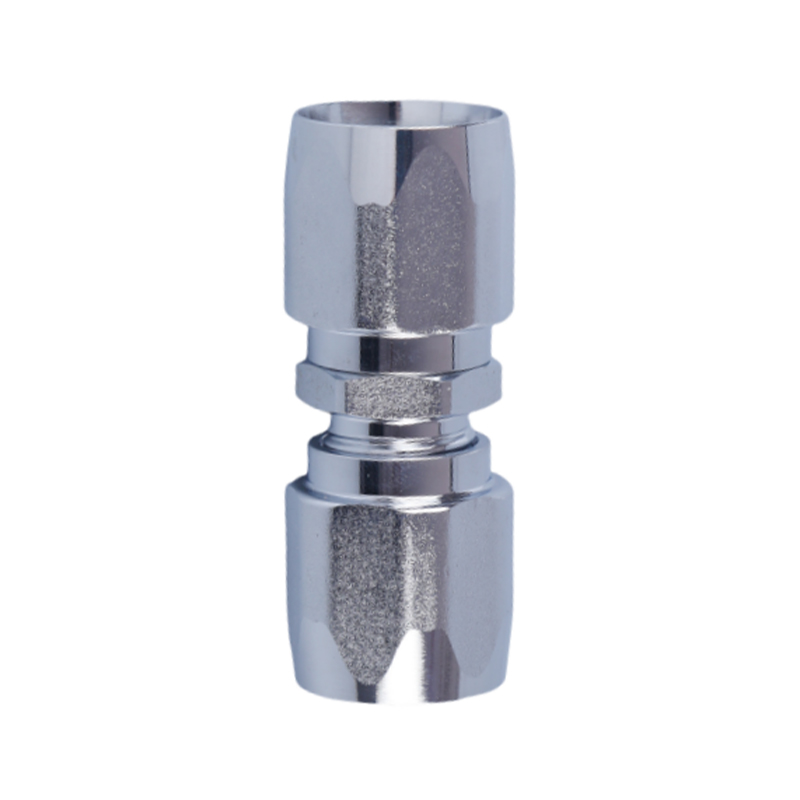
Fuel oil delivery equipment is not the most visible part of an energy system, but it sits inside nearly every stable operation that depends on liquid fuel. It connects storage areas with working equipment, moving fuel in a controlled way. Marine vessels, power plants, and industrial facilities all rely on this transfer process, even if the layouts and conditions are very different.
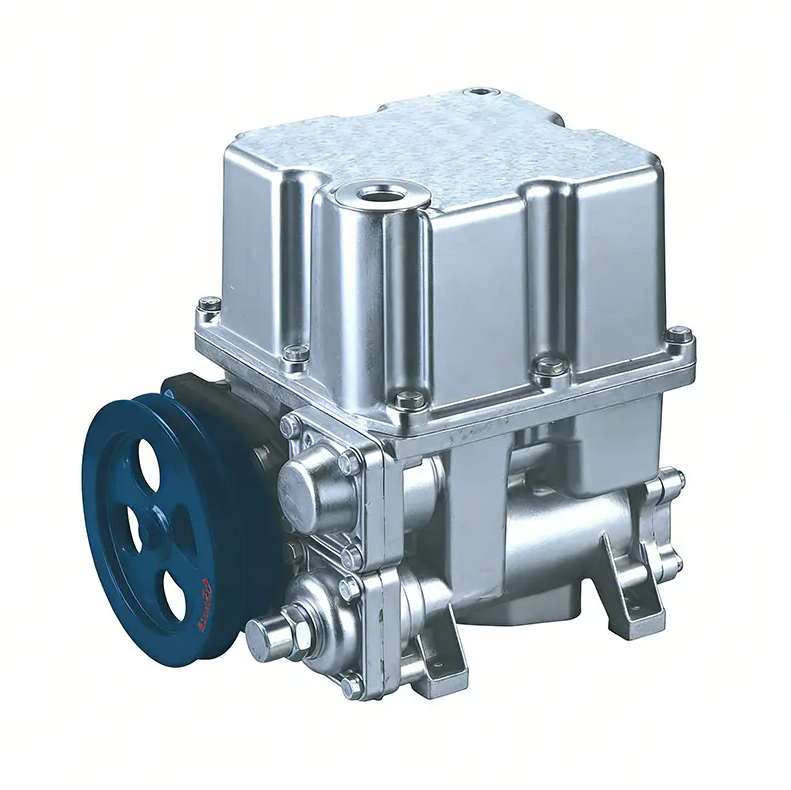
What makes this topic interesting is not only the equipment itself, but how differently it is used across environments that share the same basic need: steady energy supply without interruption.
Fuel is only useful when it reaches the right place at the right time. That sounds simple, but in practice it depends on timing, flow control, and system balance.
If fuel arrives unevenly, equipment performance becomes unstable. If delivery slows down, production or energy output may also drop. Because of this, fuel delivery systems are treated as part of the operation itself, not just supporting hardware.
In many facilities, fuel movement is linked directly to daily workflow. It quietly affects how smoothly everything runs.
Marine environments place fuel systems under constant movement. Ships are rarely still. Waves, vibration, and changing load conditions all influence how fuel behaves inside storage and transfer systems.
Fuel oil delivery equipment in marine use is designed to keep fuel movement steady even when the platform is not stable. The system helps move fuel between storage tanks and engine-related areas in a controlled path.
Space is often limited on vessels. Equipment is arranged in compact layouts where every section must serve a clear purpose. There is no extra room for unnecessary complexity.
Another point is consistency during motion. Even when the vessel shifts direction or speed, fuel transfer still needs to remain predictable. This is where system balance becomes important.
Power plants operate under a different kind of pressure. The main expectation is continuous energy output. Fuel supply must match that rhythm without interruption.
Fuel oil delivery equipment connects storage units with energy generation systems. The movement of fuel is not random. It follows a controlled path that supports steady operation.
Unlike mobile environments, power plants focus more on long-duration stability. The system is expected to run for extended periods without fluctuation in fuel supply.
Layout planning also plays a big role. Fuel systems are built into structured networks that connect different sections of the plant. Each part must align with the overall energy flow.
Industrial environments are more varied. Some factories use fuel as a constant energy source. Others use it only during specific stages of production.
This creates uneven demand patterns. Fuel may be needed heavily at one time and lightly at another.
Fuel delivery systems help manage this variation. They move fuel when required and keep supply stable when demand changes.
In some setups, multiple machines draw fuel from a shared system. This requires balance, so one unit does not affect another.
Flexibility becomes important here. Equipment must adjust to different operating rhythms without constant manual changes.
Even across different industries, fuel oil delivery systems share a basic set of functions.
These functions form the base of system design. Everything else is built around them.
Fuel does not move randomly inside a system. It follows connected paths that are shaped by design.
Most systems include a sequence: storage, transfer, and distribution. Each part plays a role in keeping movement stable.
If one section is not balanced, the rest of the system can be affected. That is why layout planning is treated carefully in both small and large installations.
Below is a simple breakdown of system roles:
| System Section | Function in Operation | Practical Role |
|---|---|---|
| Storage area | Holds fuel before use | Supply source |
| Transfer path | Moves fuel between points | Controlled movement |
| Distribution point | Sends fuel to usage equipment | Final delivery stage |
| Control section | Manages direction and flow | System coordination |
This structure keeps fuel movement predictable and organized.
Fuel movement must be controlled to avoid imbalance. If flow is too fast or uneven, it can create operational issues.
Controlled flow ensures that fuel reaches the correct point in the correct amount. This helps maintain steady performance across different systems.
In marine use, it prevents instability during movement. In power plants, it supports continuous output. In industrial settings, it helps avoid interruptions in production.
Control is not only about speed. It also involves timing and balance across the system.
Even well-designed systems face practical challenges.
One common issue is changing demand. Fuel needs are not always constant. Systems must adjust without causing disruption.
Another challenge is integration. Fuel systems must connect smoothly with storage units and end-use equipment. If coordination is weak, flow can become uneven.
Space limitations also affect design, especially in marine environments. Equipment must fit into tight areas without reducing function.
Maintenance access is another practical concern. Systems must be designed so that inspection can happen without shutting everything down for long periods.
Fuel delivery systems rarely work alone. They are part of a larger energy structure that includes storage, control, and usage systems.
When integration is smooth, fuel moves without delay between stages. This reduces gaps between supply and demand.
It also reduces manual intervention. Once systems are aligned, fuel transfer becomes more stable and predictable.
Integration is less about adding more equipment and more about improving how existing parts work together.
Efficiency in this context is not just speed. It is about stability and balance.
A system is efficient when fuel moves smoothly without unnecessary interruption. Predictability is a key part of this.
Reduced manual handling also contributes to efficiency. When systems operate in a connected flow, fewer adjustments are needed during operation.
Energy use inside the system itself is also part of the picture. Smooth movement reduces unnecessary strain.
Fuel delivery systems are gradually moving toward more connected and adaptable structures.
One pattern is tighter system coordination. Components are designed to work more closely together.
Another pattern is flexible layout planning. Systems are expected to fit different environments without major redesign.
There is also more attention on stable operation over long periods. Short bursts of performance are less important than consistent behavior.
These changes reflect a practical shift in how fuel systems are used in real environments.
| Industry | Main Requirement | System Priority |
|---|---|---|
| Marine | Stable movement handling | Compact and steady flow |
| Power plants | Continuous supply | Long-term stability |
| Industrial use | Variable demand support | Flexible distribution |
Even with structured systems, operators still play a role.
They monitor fuel movement, adjust settings when needed, and respond to changes in demand or system behavior.
Clear system design helps reduce complexity. When controls are easy to understand, response time becomes faster.
Experience also matters. Operators who understand system behavior can maintain smoother operation with fewer interruptions.
Fuel oil delivery equipment is gradually becoming more integrated, stable, and adaptable. Instead of isolated components, systems are being designed as connected networks that support continuous flow.
Marine, power, and industrial environments continue to shape these changes. Each adds different conditions, but the overall direction is similar: smoother coordination, more stable operation, and flexible use across different working environments.
Quick Links
Product Categories
Contact Us
+86-13695828855
+86-15988773632 -abner lee
+86-13989700818 -Friendship Ge
No. 3, Xinbin Road, Yangwan Industrial Zone, Qiaoxia Town, Yongjia County, Wenzhou City, Zhejiang Province
Get in Touch
 Oil & Gas Refueling Equipment
 English
 中文简体
中文简体
 Español