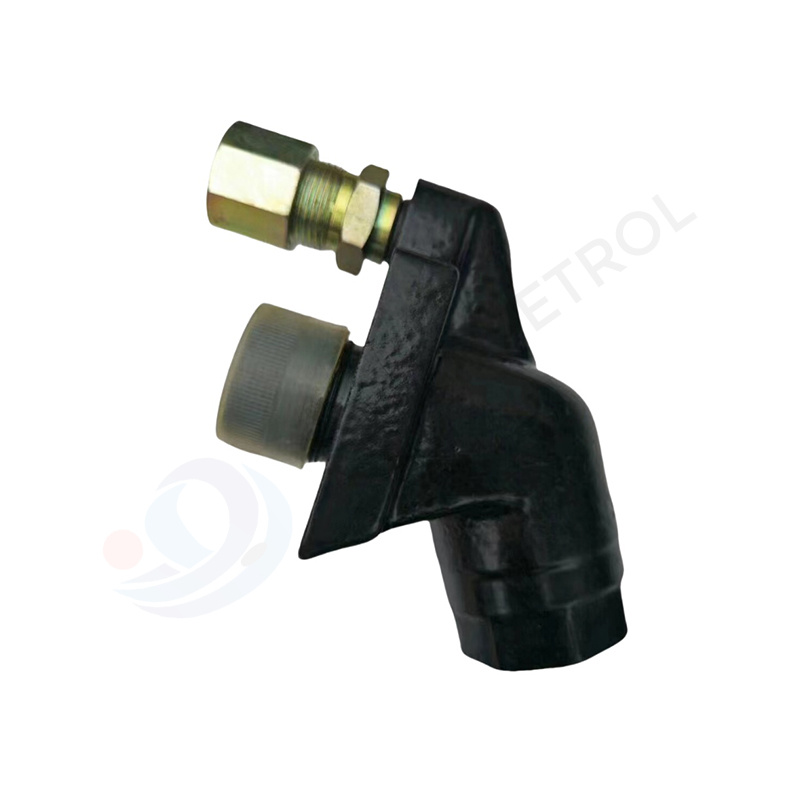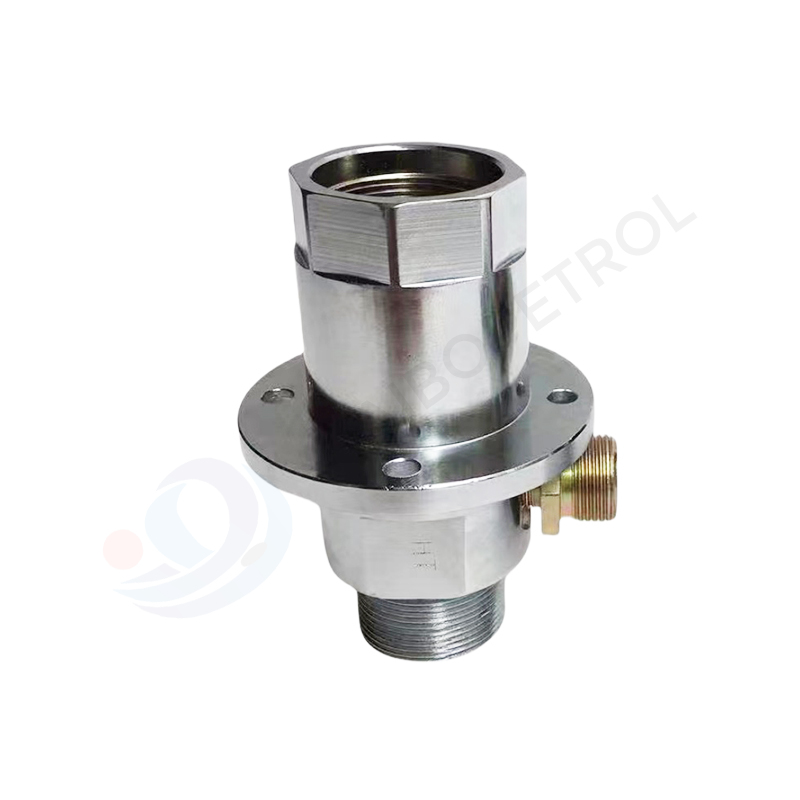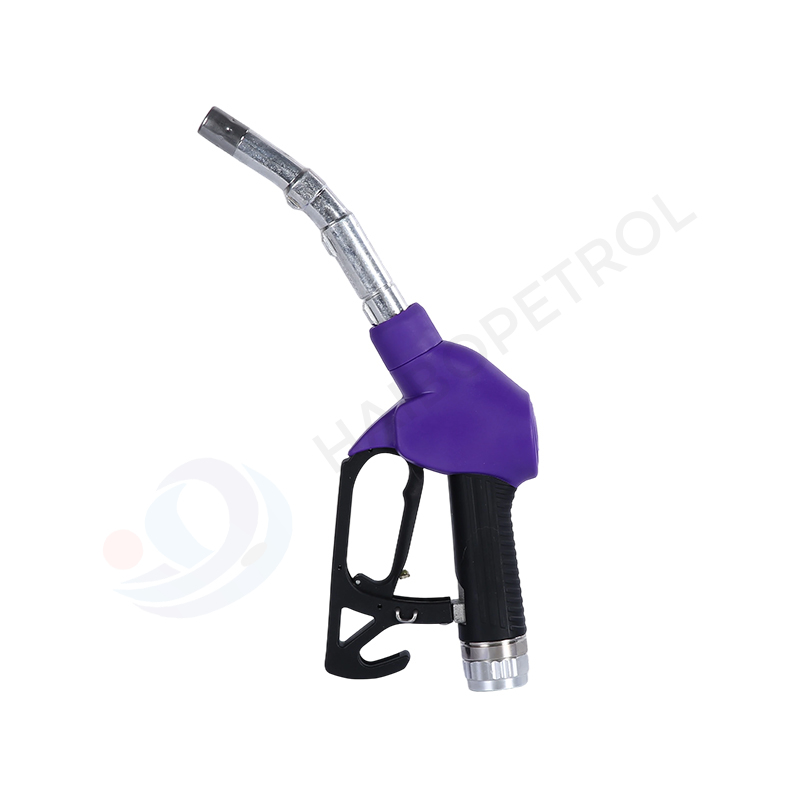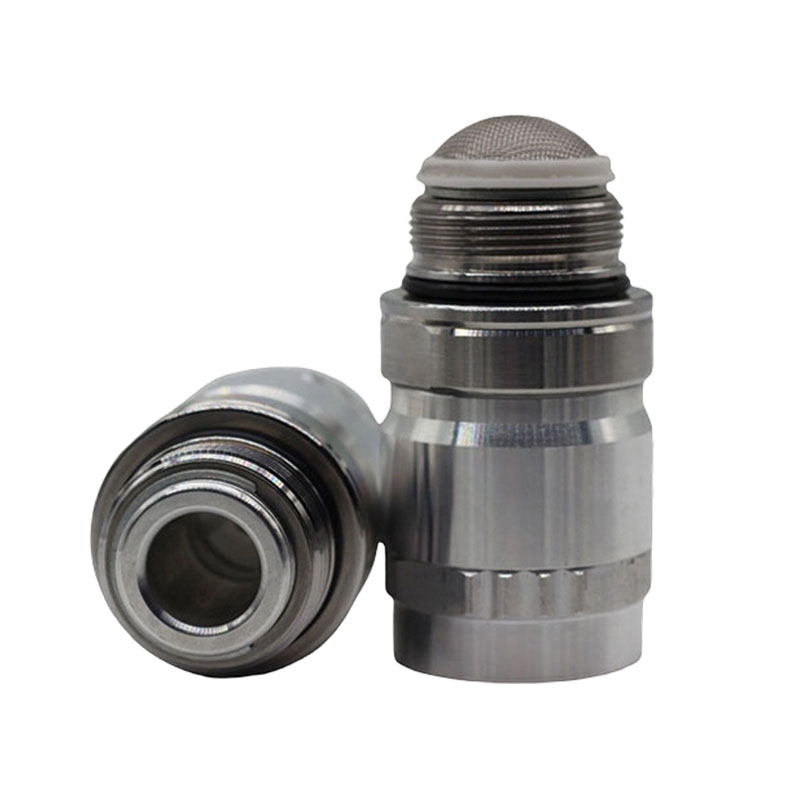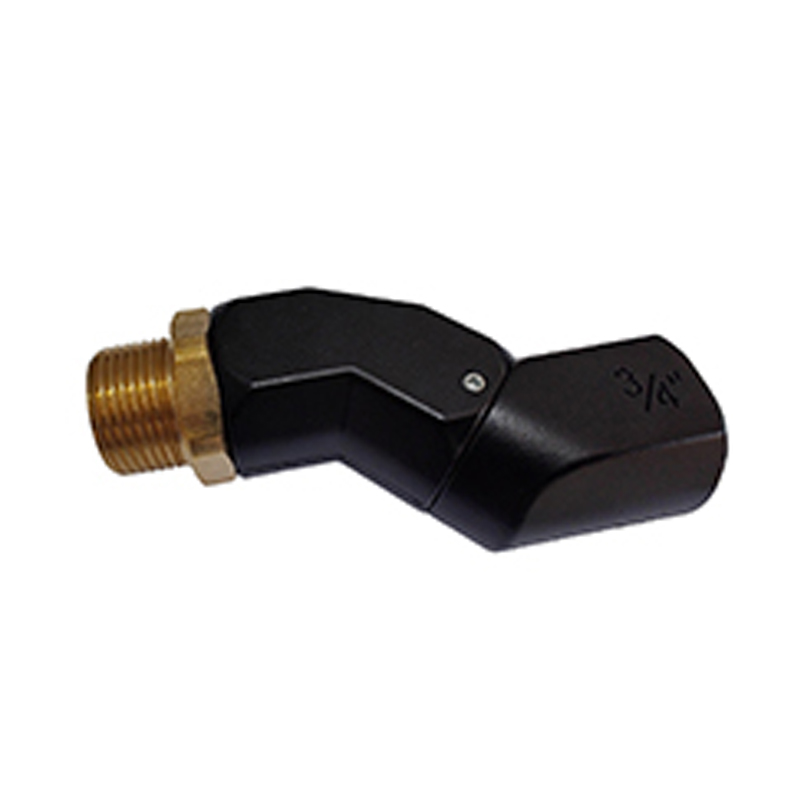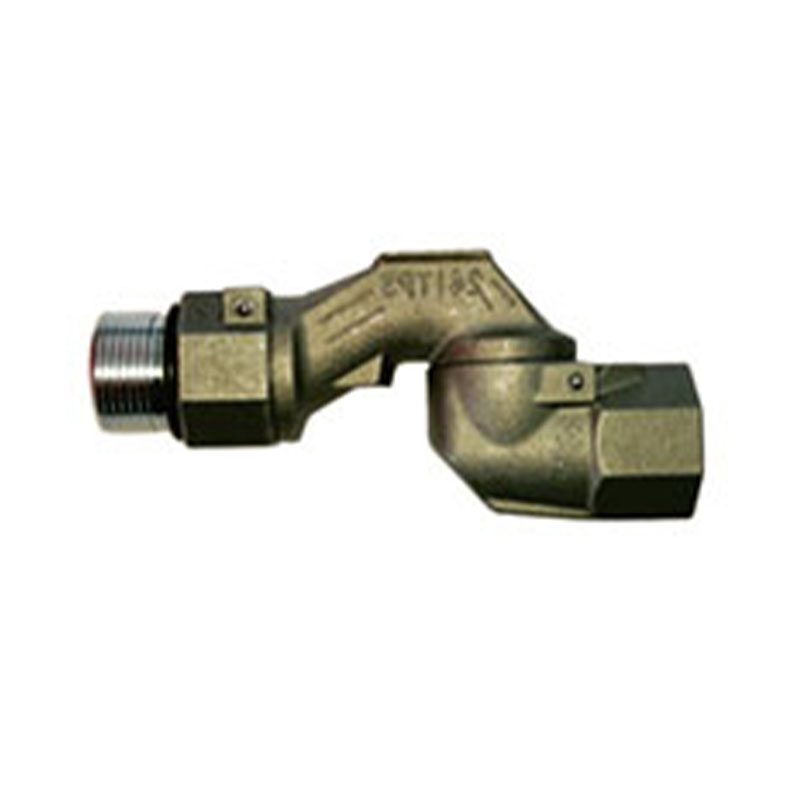
Modern production lines often look fast and highly automated from the outside. Inside the system, the real control happens in smaller steps. One of these steps is material delivery. Dispensing components sit in this space. They manage how liquids, adhesives, coatings, or other substances are applied during production.
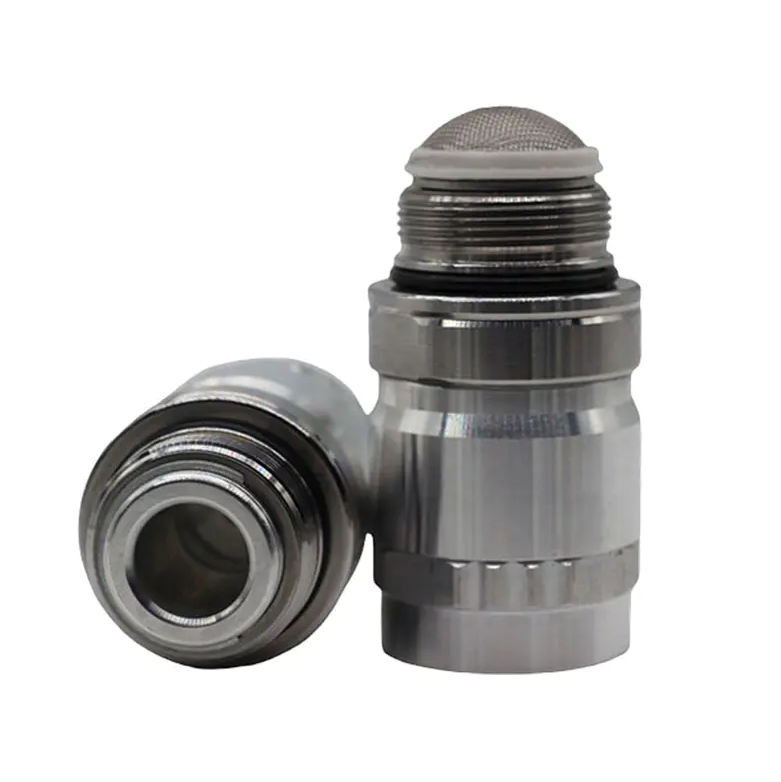
They are not usually the most visible part of a line. Yet they influence how stable the final output becomes. When dispensing is steady, the whole line tends to feel more balanced. When it is uneven, problems often appear later in the process.
A production line is a chain of repeated actions. Each product passes through similar stages. Components control one of those stages: material application.
Their main role is to release material in a controlled way. This can happen continuously or at fixed intervals, depending on the system setup.
If the release is uneven, the next step in production is affected. Even small changes in material placement can lead to visible differences later.
So the function is simple in idea, but important in outcome: controlled delivery at the right moment.
Raw materials don't always behave uniformly. Their flow changes with temperature, pressure or how they've been stored beforehand.
Dispensing hardware fixes much of this inconsistency. It moves materials from storage to application along a steady, regulated route.
Poor material control leads to uneven finished goods. Some parts get too much fill material, others too little, creating obvious differences between production batches.
Well-regulated dispensing narrows this gap. Deposits stay close to the target amount, even with minor shifts in working conditions.
Consistency is often linked to product reliability. When every unit is processed in a similar way, performance becomes easier to control.
Components support this by repeating the same material output under similar conditions. Once the system is set, it can follow the same pattern for many cycles.
Without this stability, operators need to make more adjustments. That slows down the entire line.
Automation depends on predictable behavior. Machines follow instructions, but they rely on physical parts to execute those instructions.
Components are one of those physical parts. They turn system signals into real material movement.
If dispensing is not stable, automation becomes less effective. The machine cannot correct uneven material flow on its own.
This is why many production systems treat dispensing as a controlled point rather than a flexible one. It must follow the rhythm of the line.
Different industries use dispensing systems in different ways. The purpose changes, but the core idea stays the same: controlled application.
In packaging, materials are applied to seal or fill. In assembly, adhesives are placed between parts. In surface processing, coatings are applied evenly across products.
Here is a simple overview:
| Application Area | Dispensing Purpose | Main Concern |
|---|---|---|
| Packaging | Filling or sealing | Even material distribution |
| Assembly | Bonding materials | Stable joining quality |
| Surface work | Coating or layering | Smooth and uniform finish |
Even though the tasks differ, control remains the shared requirement.
Flow is at the center of dispensing performance. It describes how material moves from one point to another.
If flow is too strong, excess material may appear. If it is too weak, gaps can form in application.
Components help balance this movement. They regulate how much material is released and when it is released.
This balance affects not only appearance but also function. Uneven application can change how a product performs later.
In production lines, small differences rarely stay small. They tend to repeat across many units.
A slight change in material amount may not seem important at first. But over time, it can create visible variation between products.
Dispensing components reduce this risk by keeping output stable across repeated cycles.
The focus is not only on accuracy for a single unit. It is about maintaining similar results across long production runs.
Materials behave differently during movement. Some are light and flow easily. Others are thicker and move slowly.
Dispensing components must adapt to these differences. Design choices influence how materials respond during release.
Below is a simplified view:
| Material Type | Dispensing Behavior Needed | Result in Production |
|---|---|---|
| Easy-flow materials | Smooth release | Even application |
| Medium-flow materials | Balanced control | Stable coverage |
| Heavy-flow materials | Strong regulated output | Accurate placement |
This variation explains why dispensing systems are often customized for specific use cases.
Production environments are not static. Conditions change during operation.
One challenge is maintaining steady output over long periods. Continuous use can slowly affect system behavior.
Another challenge is matching different production speeds. Some lines run slowly, others operate at high speed.
Material changes also create challenges. Even small shifts in viscosity or temperature can influence flow.
Integration with other equipment is another factor. Dispensing systems must match the rhythm of the entire line.
Efficiency is not only about producing more units. It is also about reducing interruptions.
Stable dispensing reduces the need for adjustments during operation. This keeps the line moving smoothly.
It also reduces material waste. When output is controlled, fewer materials are lost due to overflow or uneven application.
Efficiency, in this sense, is about maintaining steady movement rather than increasing speed alone.
Even with automation, human oversight still matters.
Operators monitor material flow, check consistency, and adjust settings when needed. Their role is more about observation than constant control.
When systems are stable, operator workload becomes lighter. They spend less time fixing issues and more time maintaining flow.
Clear system behavior also makes training easier. New operators can understand system patterns more quickly.
Several practical trends are becoming more visible.
One trend is closer integration with automated systems. Dispensing is being designed to follow production rhythm more precisely.
Another trend is flexibility in handling different materials without major system changes.
There is also growing attention on long-term stability. Systems are expected to perform consistently over long cycles, not just short runs.
These trends point toward more adaptable and stable production environments.
| Area | Earlier Approach | Current Direction |
|---|---|---|
| Material control | Basic release | Controlled precision flow |
| System role | Standalone function | Integrated process step |
| Operation style | Manual adjustment | Stable automated support |
| Output focus | Quantity-driven | Consistency-driven |
Production lines work as connected systems. If one stage becomes uneven, the rest is affected.
Components help maintain balance at the material application stage. This creates smoother conditions for later processes.
Balanced input reduces stress on downstream steps. It also helps keep the overall workflow more predictable.
When balance is stable, planning and scheduling become easier to manage.
Modern production is moving toward more controlled and connected systems. Instead of focusing only on output volume, attention is shifting toward stability and repeatability.
Dispensing components support this direction by ensuring material is delivered in a steady and controlled way.
Their role remains simple but important: keep material flow consistent so the rest of the production line can operate smoothly.
Quick Links
Product Categories
Contact Us
+86-13695828855
+86-15988773632 -abner lee
+86-13989700818 -Friendship Ge
No. 3, Xinbin Road, Yangwan Industrial Zone, Qiaoxia Town, Yongjia County, Wenzhou City, Zhejiang Province
Get in Touch
 Oil & Gas Refueling Equipment
 English
 中文简体
中文简体
 Español