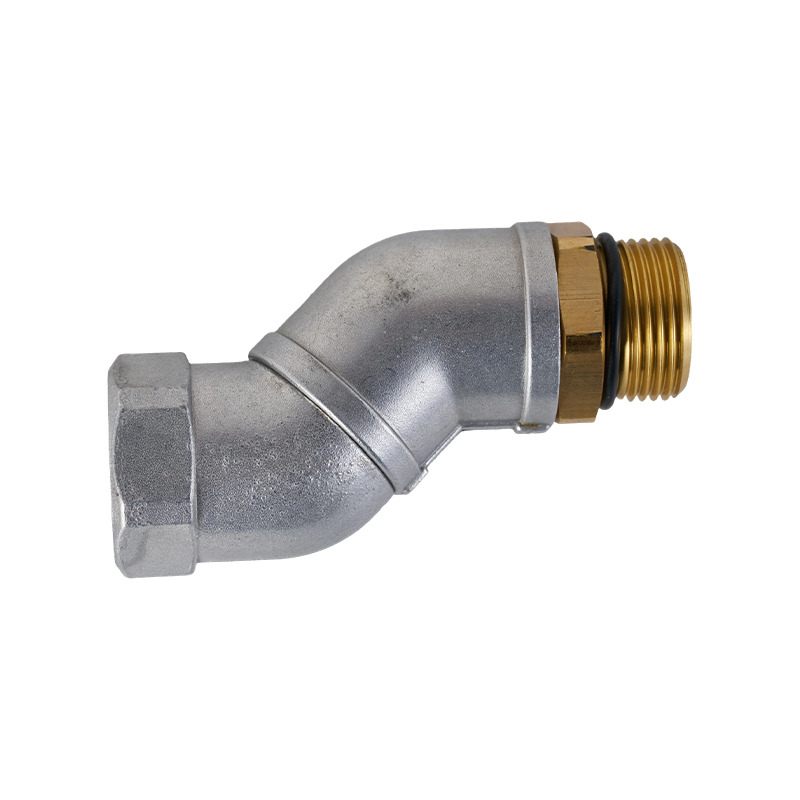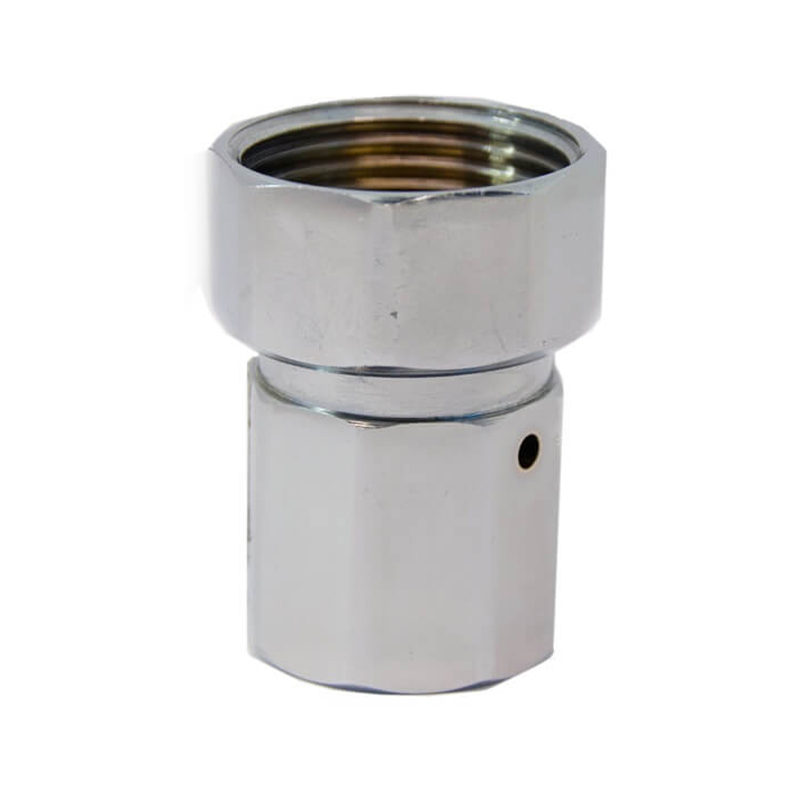
Fuel oil delivery equipment usually runs quietly in the background. It moves fuel through systems that depend on steady supply. Most of the time, it does not draw attention. That changes only when flow becomes unstable or performance starts to shift.
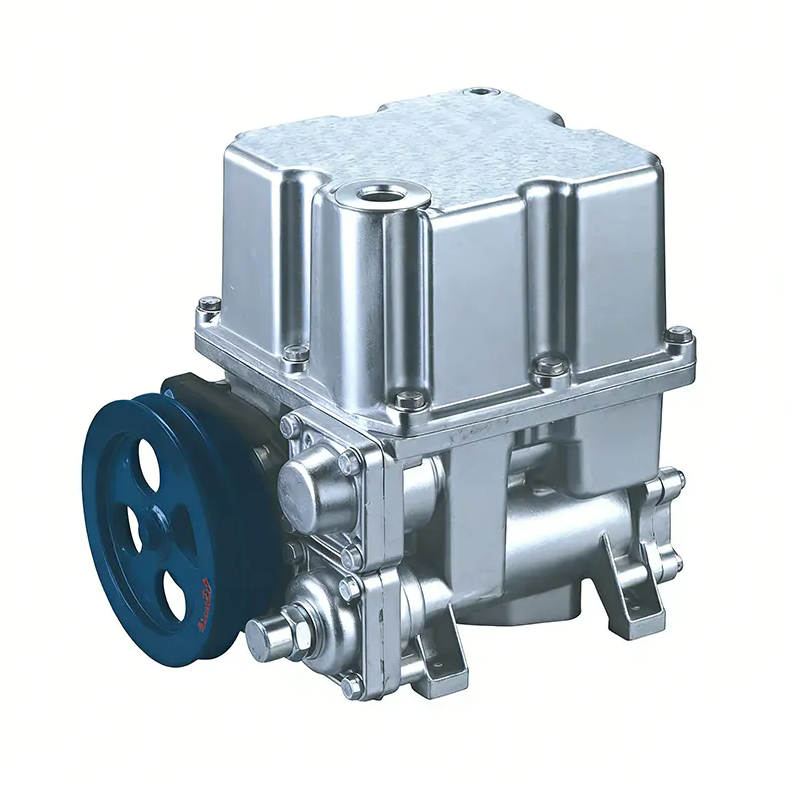
In many cases, lifespan is not reduced by sudden failure. It is shaped slowly. Small conditions build up inside the system. Some are easy to miss at the beginning.
Maintenance is the part that keeps those small changes under control.
A fuel oil delivery system works with constant movement. Even when it looks idle, there can still be residual material inside. That alone is enough to create slow internal change.
Over time, the system may start to behave slightly differently:
None of these appear overnight. They develop quietly.
Maintenance helps keep the system from drifting too far away from stable working behavior. It is more like steady adjustment than repair work.
Inside the system, small residue can start forming along inner surfaces. It is not always visible. It does not always cause immediate trouble either.
But once it starts building, flow begins to change shape slightly.
Fuel may not move in a perfectly even way anymore. Some sections feel slightly restricted. Other areas still look normal.
This imbalance leads to gradual pressure differences inside the system.
If left for long periods, it can result in:
Cleaning is not only about appearance. It is about keeping movement predictable inside the system.
Flow inside fuel oil delivery equipment is expected to stay consistent. Even small interruptions can influence internal balance.
When flow is smooth, everything inside the system shares load evenly. When flow becomes slightly irregular, some parts begin to carry more stress than others.
That uneven load slowly affects condition.
You might notice:
It does not need a large disruption to change system behavior. Even small differences repeated over time can shape long-term condition.
Sealing parts do not look important at first glance, but they influence everything around them. They help keep fuel inside the correct paths and protect internal balance.
When sealing is stable, the system feels steady. When it begins to weaken, the changes are subtle at first.
You may see:
The tricky part is timing. These changes often appear slowly enough to be ignored early on.
Once sealing condition shifts, the rest of the system has to adjust around it.
Yes, but not in a direct way.
Fuel oil delivery equipment reacts to its surroundings over time. Air conditions, temperature shifts, and general exposure all influence how internal movement behaves.
The effect is usually gradual.
For example:
Nothing dramatic at first. But the system slowly adapts to its environment. That adaptation can either support stability or create imbalance.
Inside the system, different parts do not work under the same level of pressure. Some sections stay in constant motion. Others remain relatively stable.
So wear patterns naturally differ.
Over time, this leads to:
This is normal behavior, not a defect.
The issue appears when uneven wear is not noticed early. It can slowly affect how the whole system moves together.
Lubrication is often seen as a simple support step, but it has a deeper effect on internal behavior.
When movement is smooth, parts do not interact harshly. That reduces friction and keeps surfaces stable for longer.
When lubrication is uneven or delayed, resistance builds up quietly.
Over time, this may lead to:
It is less about adding material and more about keeping motion balanced.
How the system is used matters as much as how it is maintained.
Even small changes in usage style can influence internal condition. If operation becomes more irregular, the system adjusts to that pattern.
This can slowly affect:
The system learns from repetition. Stable usage supports stable condition. Irregular usage can gradually shape uneven behavior inside the equipment.
Most long-term problems do not start big. They begin with very small changes that are easy to overlook.
A slight shift in flow feel. A minor sound difference. A small variation in output behavior.
Individually, these seem unimportant. But together, they often show the direction of system change.
Maintenance is really about catching these early shifts before they settle into long-term patterns.
Once a pattern forms, it is harder to reverse.
Fuel oil delivery equipment stays reliable when its internal balance is respected over time. Maintenance is not a single action. It is a continuous awareness of small changes that happen quietly inside the system.
Quick Links
Product Categories
Contact Us
+86-13695828855
+86-15988773632 -abner lee
+86-13989700818 -Friendship Ge
No. 3, Xinbin Road, Yangwan Industrial Zone, Qiaoxia Town, Yongjia County, Wenzhou City, Zhejiang Province
Get in Touch
 Oil & Gas Refueling Equipment
 English
 中文简体
中文简体
 Español