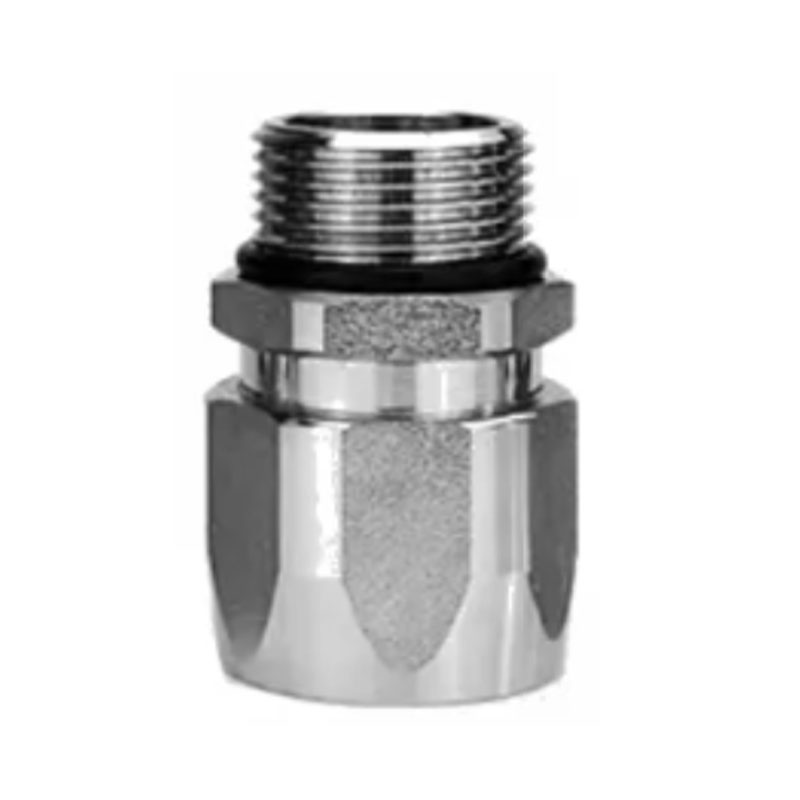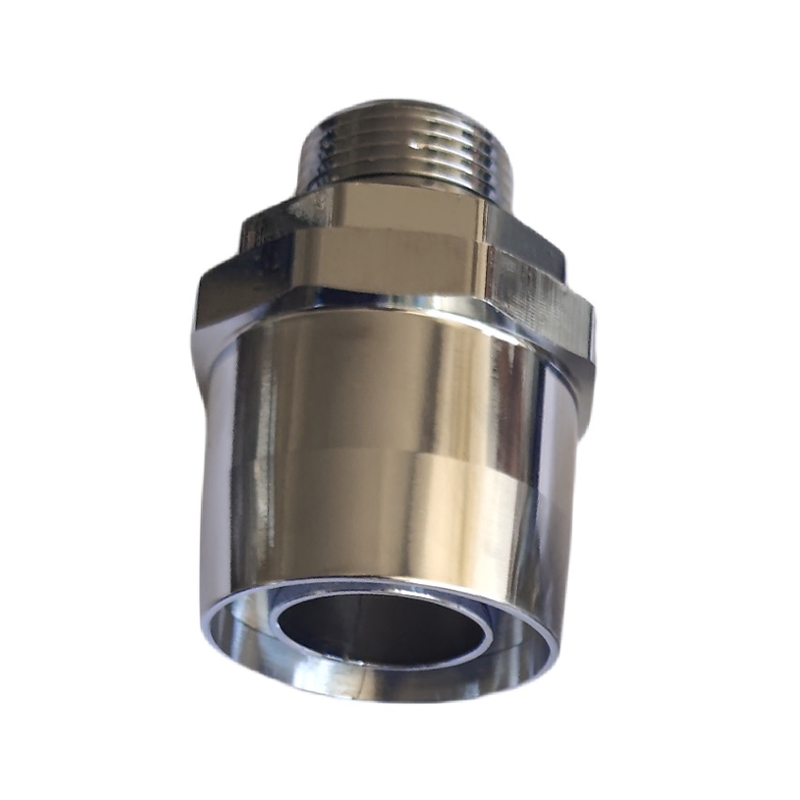
A Fuel Dispenser Parts is not a single unified block. It is a structured combination of different parts placed in a compact system. Each part has a specific role, and the overall function depends on how these parts are arranged and connected.
Fuel is drawn from storage, guided through internal channels, measured during movement, and finally delivered to a vehicle. These steps look simple from the outside, but inside the equipment, multiple parts work at the same time to keep the process stable.
A general breakdown helps to understand the structure more clearly:
| Part group | Basic function |
|---|---|
| Fuel movement unit | Transfers fuel from storage |
| Flow measurement unit | Tracks fuel passing through |
| Delivery interface | Controls final output to vehicle |
| Operation control system | Coordinates internal actions |
| Protection system | Supports safe operation |
| External casing | Holds and protects all components |
Each group contains smaller parts that support continuous operation.
Fuel does not simply "flow out" by itself. It needs help to travel from storage tanks to the dispenser and then into a vehicle.
That movement begins with a pumping section hidden inside the system. The pump creates the force needed to pull fuel upward and push it through internal channels.
The movement has to stay steady. If it becomes uneven, everything else downstream is affected. So the design is usually focused on keeping the flow smooth rather than fast.
Inside this stage, there are smaller mechanical elements that guide direction and reduce interruption. They are not visible during normal use, but without them, fuel would not reach the nozzle in a controlled way.
The pump is often one of the most frequently used parts, so it is built to handle repeated operation over long periods.
Once fuel starts moving, the next concern is knowing how much has been delivered. This is where the measuring section comes in.
As fuel passes through, an internal mechanism tracks the volume. That information is then sent to the display so users can see it in real time.
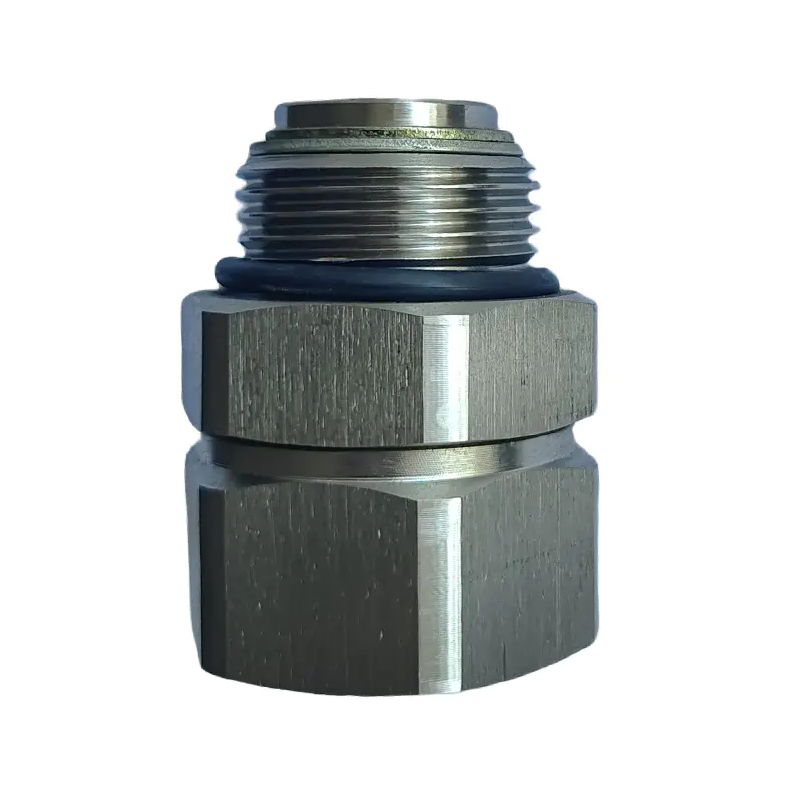
The interesting part is that measurement is not separate from movement. It depends heavily on how stable the flow is. If fuel surges or slows unexpectedly, the reading may become inconsistent.
That is why measuring parts are designed to work closely with flow control components. They constantly "listen" to the movement and translate it into readable output.
In many ways, this is the point where physical movement becomes information.
The hose is the flexible bridge between the machine and the vehicle. It allows movement without breaking the connection.
Even though it looks simple, it has to handle constant bending, pulling, and fuel transfer at the same time. It also needs to remain sealed so nothing leaks during use.
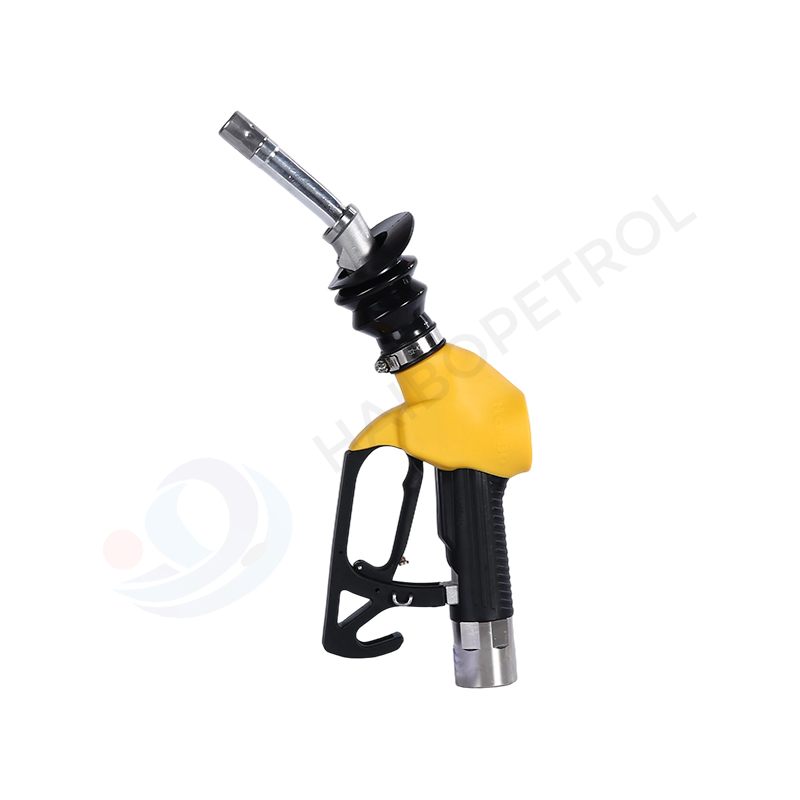
At the end of the hose sits the nozzle. This is the part people actually hold, so it has to feel stable and easy to control.
Inside the nozzle, there are small mechanisms that react to pressure changes. When fuel reaches a certain condition, the nozzle can slow or stop the flow automatically. This helps prevent overflow.
The connection between hose and nozzle is tightly designed because even small gaps can affect performance.
Every mechanical movement inside a fuel dispenser is guided by an underlying control system that keeps all operations coordinated.
As soon as a user begins fueling, the system triggers a series of quick commands: it turns on the pump, opens internal fuel channels, and starts measuring fuel flow. All these actions happen rapidly, following a set sequence rather than occurring by chance.
The digital display also belongs to this control system. It shows real‑time data in an easy‑to‑read way, so everyday users can follow the process without any technical background.
Meanwhile, the system continuously collects real‑time feedback from built‑in sensors throughout the machine. These readings let it monitor whether pressure, flow and other working conditions stay normal.
If any irregular signal comes through, the system automatically slows or halts specific functions to prevent risk. Users rarely notice these background adjustments, yet they run non‑stop during every fueling session.
Fuel dispensing equipment handles flammable substances, so safety measures are built into every layer of its overall design.
Certain safety components are meant to contain fuel strictly within designated pipelines. High‑quality seals and physical barriers greatly lower the risk of leakage during use.
Other parts are designed to manage internal pressure. When pressure fluctuates abnormally, these safety features redirect fuel flow or stabilize pressure back to a safe range.
Engineers also keep electrical sections fully separated from fuel‑carrying paths. This prevents electrical hazards and shields delicate electronic parts from fuel exposure.
In extreme cases, the whole system will shut down automatically once abnormal operation is detected. This rarely occurs under regular daily use, but it serves as a critical fail‑safe backup.
Safety in fuel dispensers never relies on one single part alone. It comes from many small protective design choices combined across the whole machine.
The outer shell of a fuel dispenser is more than just a cover. It protects everything inside from weather, dust, and physical impact.
It also helps organize the internal layout. Every component inside has a position, and the structure keeps everything in place even during long-term use.
Another important function is accessibility. Maintenance workers often need to reach internal parts, so the design usually allows certain panels to open without disturbing the entire system.
Even though it is not involved in fuel movement directly, the structure affects how stable and durable the entire machine feels in real operation.
When everything is put together, the system becomes a continuous loop of movement, measurement, control, and delivery.
Fuel starts in storage, is pulled by the pump, measured as it moves, guided through hoses, controlled by internal systems, and finally delivered through the nozzle.
None of these steps stands alone. If one part slows down or behaves differently, the rest adjusts automatically.
It is less like a machine with separate parts and more like a coordinated process where each section depends on the others.
What users see is only the final moment—fuel entering a tank. What they don't see is the layered system working quietly behind it.
Quick Links
Product Categories
Contact Us
+86-13695828855
+86-15988773632 -abner lee
+86-13989700818 -Friendship Ge
No. 3, Xinbin Road, Yangwan Industrial Zone, Qiaoxia Town, Yongjia County, Wenzhou City, Zhejiang Province
Get in Touch
 Oil & Gas Refueling Equipment
 English
 中文简体
中文简体
 Español