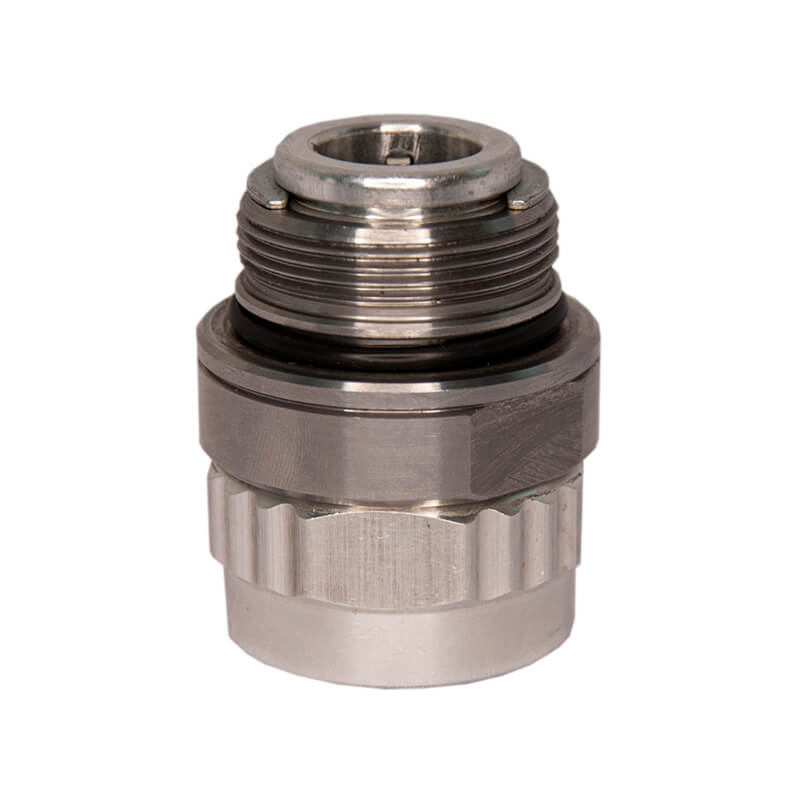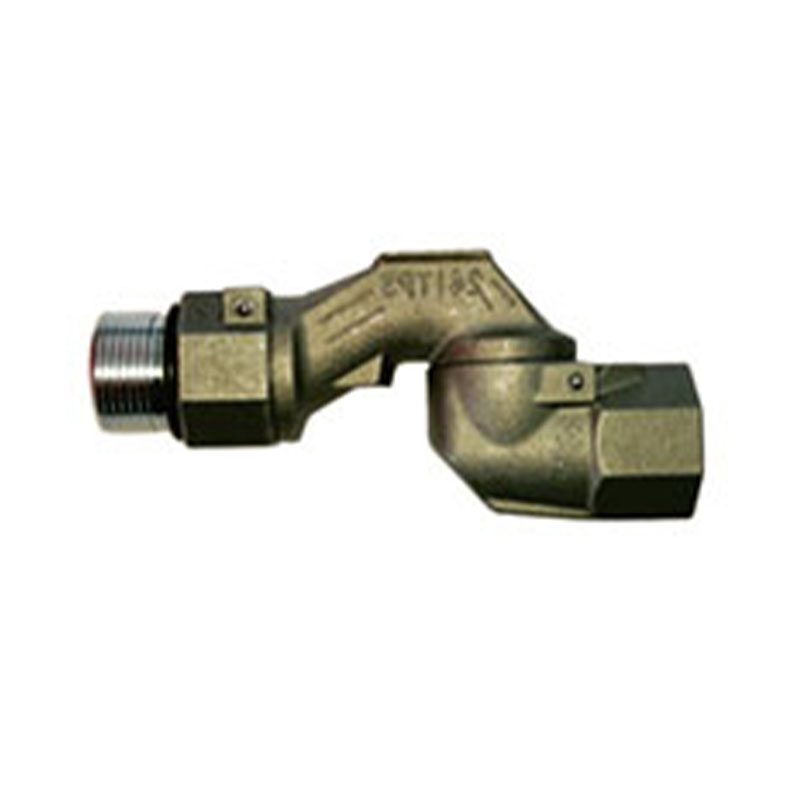
A fuel tank vent valve is a small part in a fuel system, but it has a quiet influence on how smoothly the whole system behaves. It does not move fuel directly, and it is easy to overlook during daily operation. Still, without it, the pressure inside a fuel tank would not stay balanced for long.
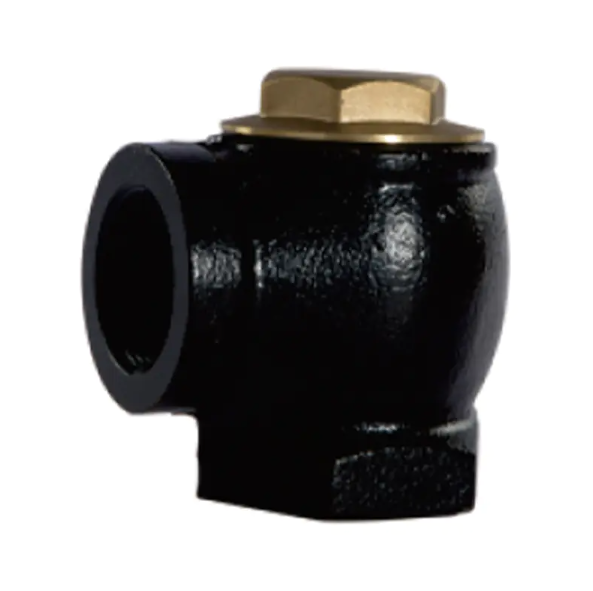
Fuel inside a tank is never in a fixed state. It changes with temperature, motion, and usage. As these conditions shift, the air and vapor inside the tank also shift. The vent valve is designed to respond to those changes in a controlled way, so the system does not become unstable.
A fuel tank is often seen as a sealed container, but in real operation, it cannot stay completely closed without any form of air exchange.
When fuel warms up, it expands slightly. When fuel is consumed, empty space appears inside the tank. These changes may seem small, but over time they affect internal pressure.
If pressure is not managed, several issues can gradually appear:
None of these happens instantly. They build up slowly, especially in environments where the system runs continuously.
This is where the vent valve becomes important. It helps the tank "adjust" itself without manual intervention.
A fuel tank vent valve is a pressure-responsive component connected to the fuel tank system. Its main role is to manage how air moves in and out of the tank.
It is not a simple open-or-close device. It reacts based on internal conditions.
When pressure increases inside the tank, the valve allows controlled release. When pressure decreases, it allows air to enter in a limited and stable way.
In simple terms, it acts like a small breathing point for the fuel system. Not constant airflow, but controlled adjustment when needed.
The working behavior of a vent valve is based on pressure difference.
Inside the tank, conditions are always changing:
The vent valve reacts to these changes automatically.
When internal pressure becomes higher than normal, the valve opens slightly to release excess pressure. This prevents pressure from building up inside the tank.
When pressure becomes lower than surrounding conditions, the valve allows air to enter slowly. This prevents vacuum formation, which could affect fuel movement.
The key point is balance. The valve does not overreact. It adjusts gradually based on conditions.
If a fuel tank does not manage pressure properly, the system slowly becomes harder to control.
The effects may include:
These changes do not always point to a sudden failure. They usually develop step by step.
In many cases, pressure imbalance is the hidden cause behind inconsistent fuel behavior.
Pressure inside a fuel tank does not come from a single source. It is created by a combination of natural and operational factors.
Some common sources include:
These factors overlap and interact with each other.
For example, temperature may rise during the day, while fuel level is dropping at the same time. The combination of these effects changes internal pressure continuously.
The vent valve exists to handle these overlapping changes without manual adjustment.
Air exchange is not about constant airflow. It is about controlled balance.
When fuel leaves the tank, space is created. If no air enters, a vacuum effect may form. This can make it harder for fuel to flow smoothly.
On the other hand, when pressure builds up due to heat or vapor, there needs to be a safe way for that pressure to escape.
The vent valve manages both directions:
This controlled exchange helps maintain stable internal conditions without sudden changes.
Vent valves do not function independently. Their working state is affected by surrounding working conditions.
Multiple elements impact its response frequency and sensitivity:
The valve often stays idle for quite a while, and kicks into action more often when working conditions fluctuate sharply.
It works on demand instead of running nonstop.
Vent valves do not directly regulate fuel circulation. They mainly keep internal conditions ideal for steady fuel delivery.
Stable internal pressure eases operating burden on other system parts.
This brings steady and reliable working performance:
Though it acts as an auxiliary part, it plays a crucial part in keeping internal pressure balanced.
Vent valves hardly break down abruptly. Minor abnormal signs emerge gradually first.
Common early warning signs are as follows:
These phenomena do not always point to valve damage directly. They mostly mean the original pressure balance inside the system is disrupted.
The system can still operate normally, yet its working smoothness drops obviously.
Vent valves are mounted to directly sense pressure variations inside the fuel tank.
It is generally fitted at a proper spot to promptly react to internal air and steam flow, without blocking regular fuel passages.
Such layout ensures it responds to internal pressure shifts freely, free from interference of external fuel flow direction.
The core installation purpose is clear: capture pressure changes timely, while never hindering normal fuel supply.
A fuel tank vent valve must operate in a changing environment. It may be exposed to fuel vapor, temperature shifts, and long-term mechanical stress.
Because of this, materials are chosen for stability and resistance rather than complexity.
Common considerations include:
The design focuses more on consistent behavior than structural complexity.
A fuel system is not made of isolated parts. Each component affects the others in some way.
The vent valve does not control fuel directly, but it influences the environment in which fuel moves.
By managing pressure changes, it helps the system avoid sudden instability. This allows other components to operate under more consistent conditions.
In real use, this kind of stability is often more important than any single visible function
Quick Links
Product Categories
Contact Us
+86-13695828855
+86-15988773632 -abner lee
+86-13989700818 -Friendship Ge
No. 3, Xinbin Road, Yangwan Industrial Zone, Qiaoxia Town, Yongjia County, Wenzhou City, Zhejiang Province
Get in Touch
 Oil & Gas Refueling Equipment
 English
 中文简体
中文简体
 Español