In most production lines, dispensing components do not attract much attention when everything is running smoothly. They sit in the middle of the process, repeating the same motion cycle after cycle. Material comes in, gets dispensed, and moves forward.
The interesting part is that small changes inside these systems rarely announce themselves. A slight delay. A thinner line of material. A surface that looks a bit different under light. These are often the first signs that maintenance is needed.
Maintenance is less about repairing something broken, and more about keeping behavior steady. When dispensing becomes inconsistent, the impact usually spreads across the whole line.
Inside dispensing components, material does not always leave completely. A thin layer may remain after each cycle. At first, it seems harmless. The system continues to run without interruption.
But over time, these small layers begin to change how material moves.
What often appears in real workshops:
Cleaning, in this context, is not a one-time action. It becomes part of routine behavior. Some operators clean after each batch. Others follow the rhythm of production breaks.
The key idea is simple: when internal paths stay clear, the system behaves more predictably.
Buildup does not always look like blockage. It often starts as a thin, almost invisible layer inside narrow areas of the system.
At first, nothing seems wrong. Output still looks acceptable. But small differences begin to appear between early and later production.
Typical signs include:
These changes are gradual. They are often noticed only when comparing multiple outputs side by side.
What makes buildup tricky is that it does not behave the same way every time. Some runs look normal, others show variation. This irregular pattern makes it easy to overlook in the beginning.
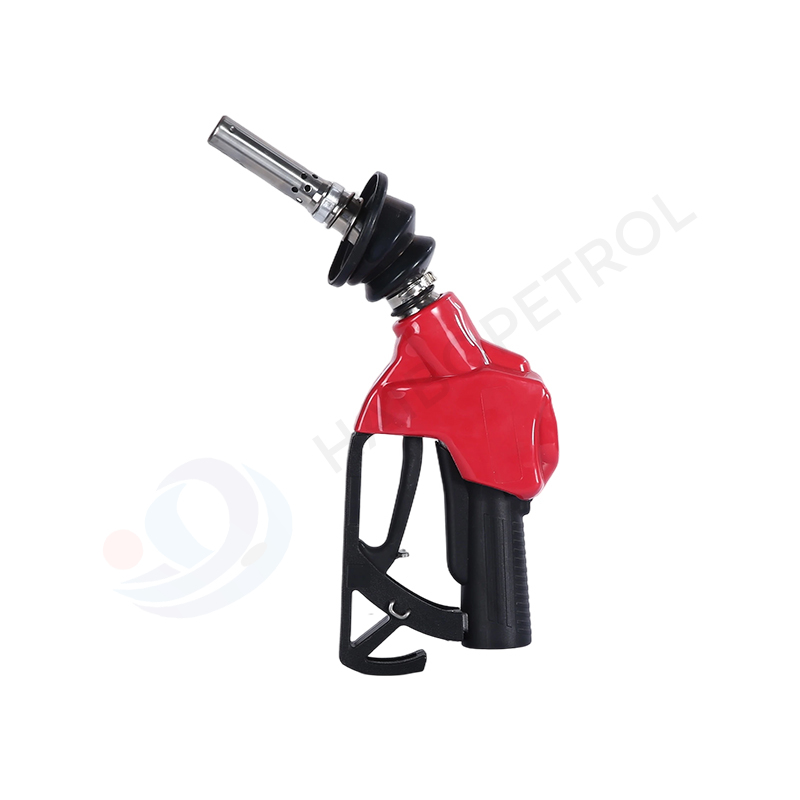
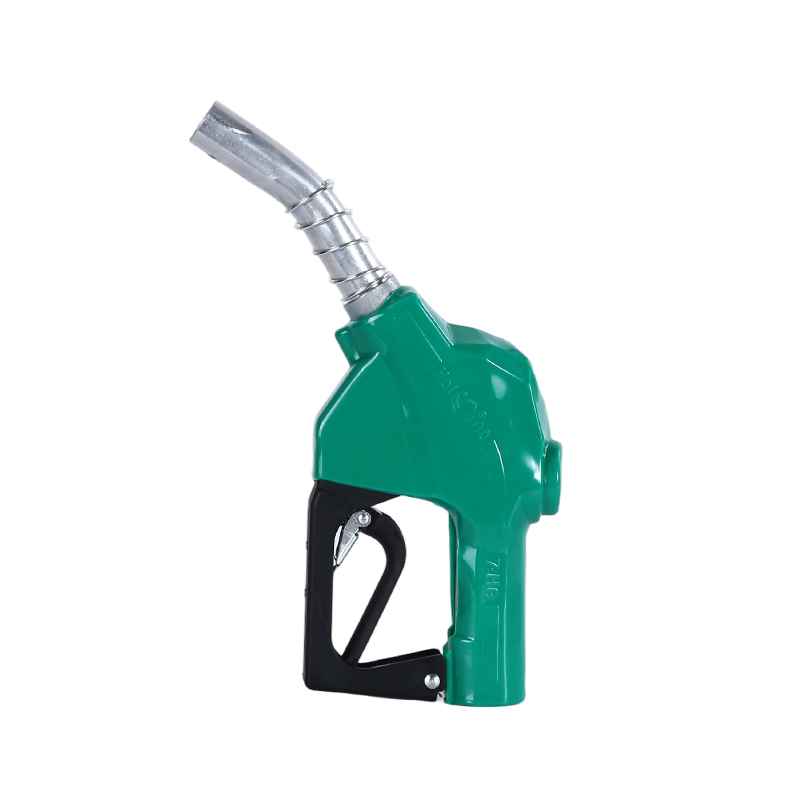
The nozzle is exposed directly to repeated material flow. Even without visible damage, its behavior can shift over time.
Instead of obvious failure, the change is subtle.
Operators may notice:
The nozzle does not need to be damaged to affect output. Even small surface changes can influence how material exits.
In many cases, the issue is first seen in the final product appearance rather than in the component itself.
One of the more confusing maintenance-related situations is when settings remain unchanged, but output still feels different.
This usually comes from internal resistance changes.
As residue builds up or components begin to wear slightly, material does not move in exactly the same way as before. The system responds, but not as smoothly.
What this looks like in practice:
The machine itself is not "changing settings," but the internal conditions are shifting. That is enough to affect pressure behavior.
Operators often recognize this not through instruments, but through repeated observation.
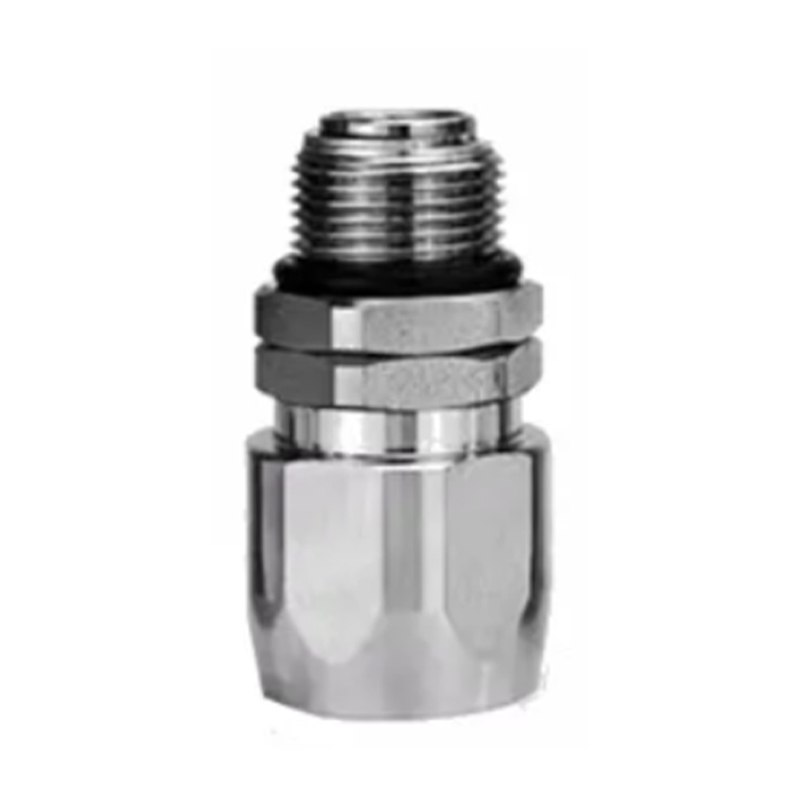
Dispensing systems rely on multiple connection points. These joints may seem secondary, but they quietly influence the entire flow path.
Over time, small changes can appear:
None of these usually stop production. But they can change how material behaves during dispensing.
A common sign is inconsistency that comes and goes. One batch looks stable, the next shows variation, then it returns to normal again.
This pattern often leads operators to check connection points more carefully.
Not all materials behave the same inside dispensing systems. Some remain stable and flow easily. Others tend to leave traces or react to temperature changes.
This difference affects maintenance frequency more than many expect.
In real production:
Because of this, maintenance is rarely identical across all production lines. It adjusts based on what is being processed.
Operators often learn this through experience rather than instruction. The same machine can feel different depending on the material inside it.
Daily inspection in dispensing systems is usually quick. It happens during normal operation rather than separate inspection sessions.
Attention is often placed on simple signs:
These checks are not complex, but they are important. They help detect small changes before they grow into larger variation.
A simple reference view is often used on the floor:
| Area | What is noticed | What it often means |
|---|---|---|
| Flow behavior | smooth or uneven output | buildup or resistance change |
| Nozzle surface | clean or slightly coated | residue accumulation |
| Connection points | stable or shifting | loosening or air entry |
| Output pattern | consistent or variable | pressure instability |
| Start/stop response | immediate or delayed | internal restriction |
These observations are usually made while working, not in isolation.
Wear inside dispensing systems is slow. It does not appear in a single moment. Instead, it builds gradually through repeated cycles.
At the beginning, everything feels stable. Output looks consistent. No obvious issues appear.
Over time, small differences begin to show:
The challenge with wear is that it blends into normal variation. It does not always stand out clearly until it has progressed further.
Maintenance helps slow this process, but it cannot completely stop it. The goal is to keep it within a manageable range.
The environment around the system plays a quiet role in maintenance needs.
Temperature changes can affect how material flows. Humidity can influence drying speed. Even dust levels in the workspace can gradually affect internal cleanliness.
These conditions do not directly create faults, but they change how quickly small issues appear.
In practice:
Because of this, maintenance often follows real working behavior rather than fixed timing.
In dispensing systems, maintenance and stability are closely linked, even if the connection is not always visible at first.
When maintenance is regular:
When maintenance is delayed, small issues tend to accumulate quietly. They do not always stop production, but they change how consistent it feels.
What matters most is not eliminating all variation, but keeping it from spreading through the process unnoticed.
Over time, a well-maintained system does not feel different because it is perfect, but because it stays predictable in everyday use.
Quick Links
Product Categories
Contact Us
+86-13695828855
+86-15988773632 -abner lee
+86-13989700818 -Friendship Ge
No. 3, Xinbin Road, Yangwan Industrial Zone, Qiaoxia Town, Yongjia County, Wenzhou City, Zhejiang Province
Get in Touch
 Oil & Gas Refueling Equipment
 English
 中文简体
中文简体
 Español