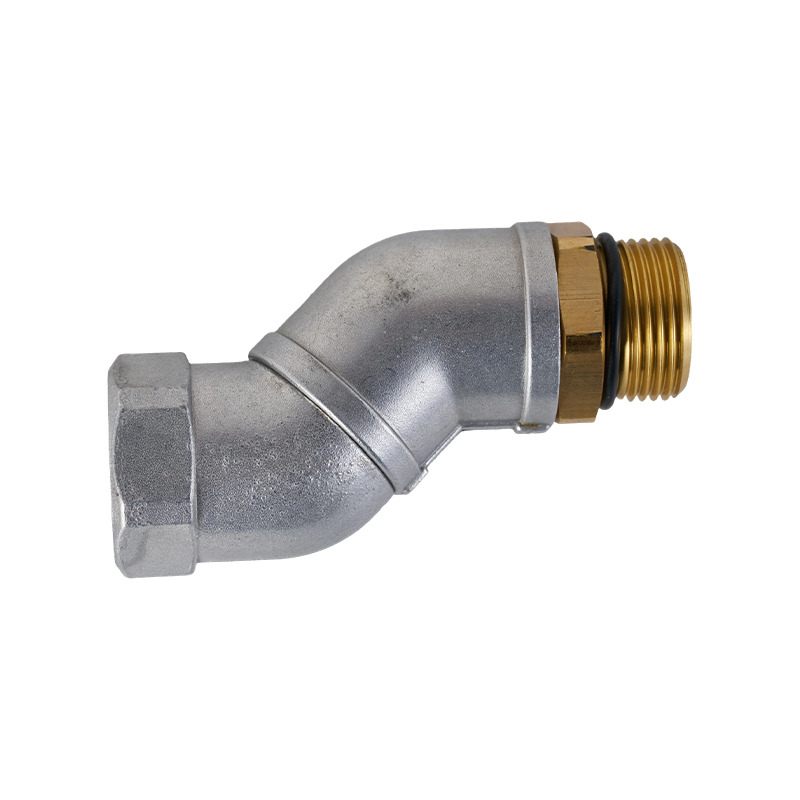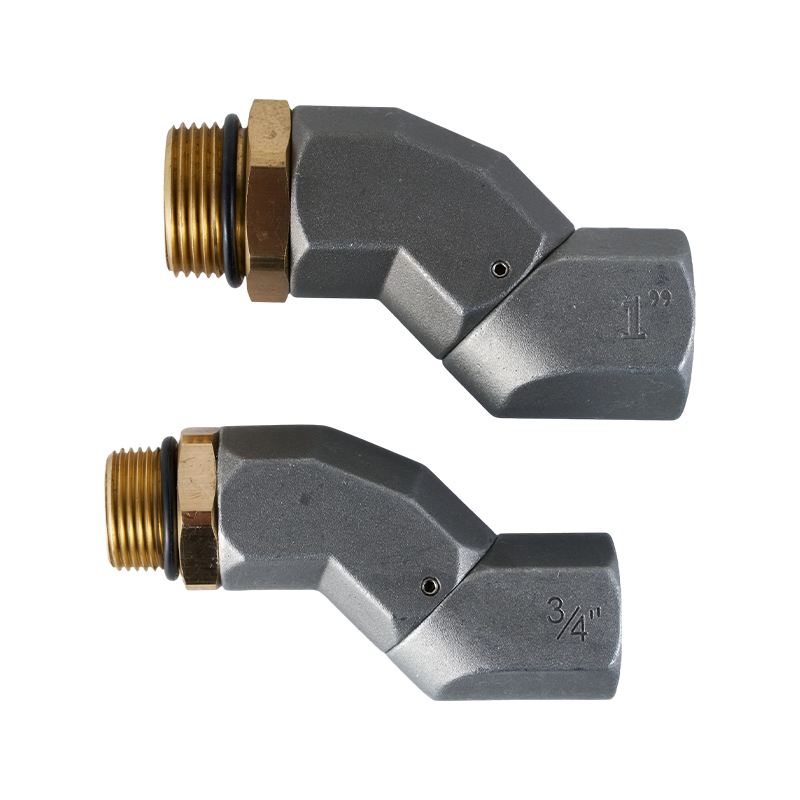
In many fluid handling systems, hoses are expected to move freely while still carrying pressure. That sounds simple, but in real use, hoses twist, pull, and bend as equipment moves. Over time, this twisting can slow work or damage the line.
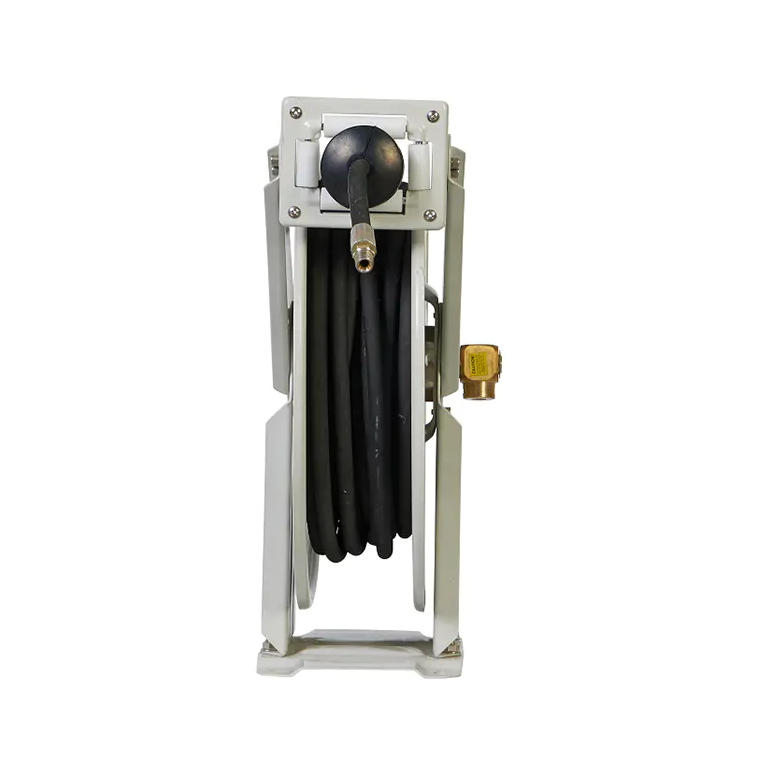
A high pressure hose reel swivel sits quietly in the middle of this movement. It connects a fixed inlet to a rotating hose reel, allowing fluid to pass through while the reel turns. It looks like a small connector, but its role is more practical than it appears at first glance.
We are breaks down what it is, how it functions, and why it remains a common part of many industrial setups.
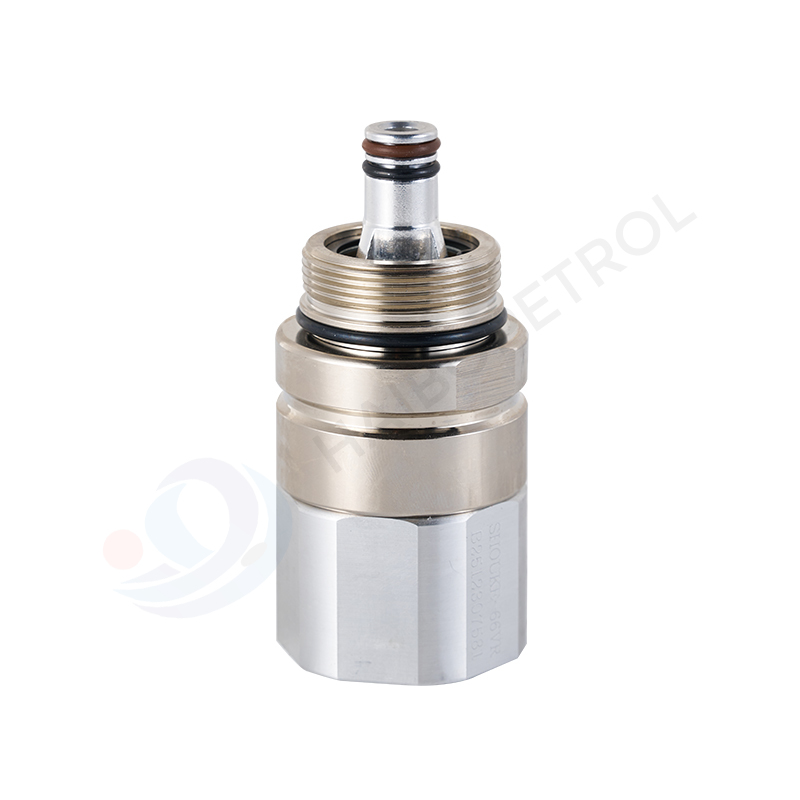
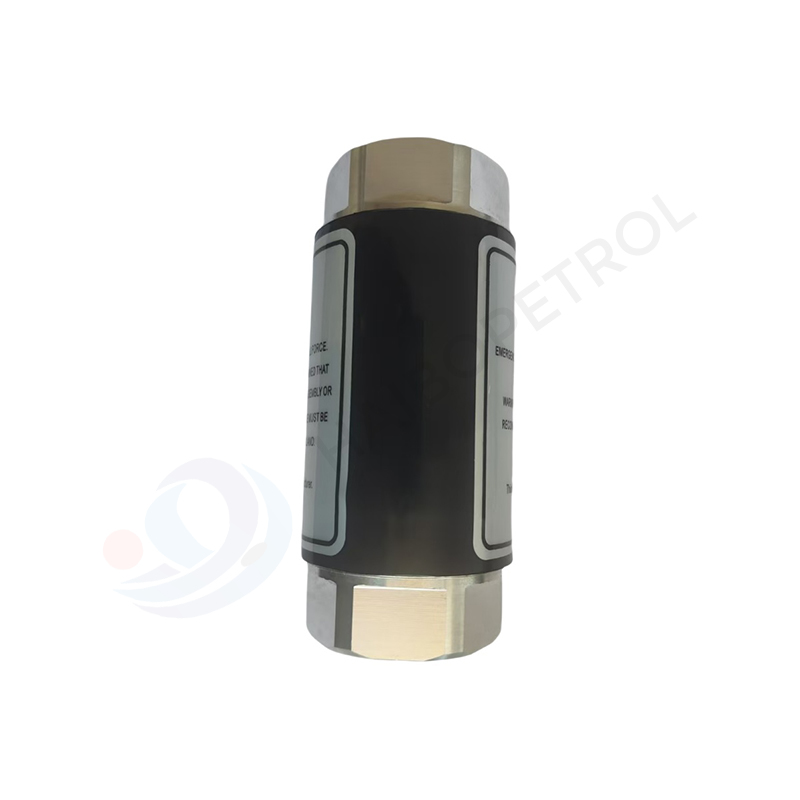
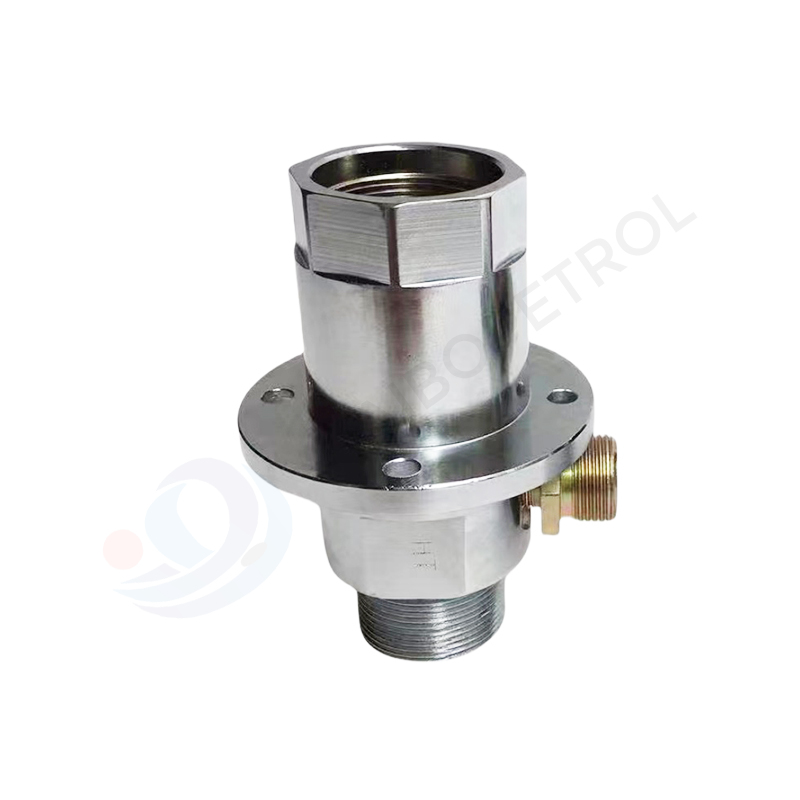
A high pressure hose reel swivel is a rotating connector used in hose reel systems. It allows fluid to flow from a stationary supply line into a hose that is wound on a rotating drum.
Without this component, the hose would twist every time the reel turns. That twisting would build stress inside the hose and eventually affect performance.
The swivel solves this by creating a controlled rotation point. One side stays fixed. The other side moves with the reel. Fluid passes through the center while the outer body rotates smoothly.
At a basic level, it includes:
Each part works together to keep movement smooth and continuous.
Hose reels are designed to store and release hoses in a controlled way. They are often used where repeated pulling and retracting is needed.
The challenge appears when the reel rotates. If a standard fixed connection is used, the hose would twist each time the drum turns. That twist builds stress inside the line.
A swivel removes that issue. It allows the reel to rotate freely while keeping the fluid path continuous.
This helps in several ways:
In simple terms, it keeps the system flexible without breaking the flow path.
The working idea is based on controlled rotation.
Inside the swivel, there is a passage where fluid moves through. One part of the structure remains fixed to the supply line. The other part is attached to the rotating reel.
When the reel turns, only the outer section moves. The internal channel stays aligned, allowing fluid to pass through without interruption.
The key is separation of motion and flow. Rotation happens on the outside. Flow happens through the center.
A simplified view of the process:
The movement continues as long as the reel rotates, without twisting the hose itself.
One of the main concerns in any rotating connection is leakage. A hose reel swivel handles both movement and pressure at the same time, so sealing becomes essential.
Inside the swivel, sealing elements are placed between moving and fixed parts. These seals maintain contact even during rotation.
They must balance two conditions:
If sealing is too tight, movement becomes difficult. If too loose, fluid may escape.
This balance is one of the key design focuses in manufacturing.
Material selection plays a major role in performance. A swivel is exposed to pressure, movement, and sometimes external environmental factors.
Different parts of the component may use different materials depending on their function.
| Component Area | Material Focus | Purpose |
|---|---|---|
| Body structure | Strength and stability | Supports overall load |
| Internal flow path | Smooth surface behavior | Reduces resistance |
| Connection ends | Firm mechanical strength | Maintains secure fitting |
| Sealing sections | Elastic response | Maintains pressure containment |
The goal is not just strength, but controlled movement under repeated rotation.
These components appear in many working environments where hoses need to move while carrying pressure.
Common usage areas include:
Each environment has slightly different movement patterns, but the core need remains the same: free rotation without twisting the hose.
Even though the design is simple in concept, real-world conditions can create challenges.
One common issue is wear over time. Continuous rotation can gradually affect internal surfaces.
Another issue is leakage, which may happen if seals lose effectiveness or if pressure conditions change unexpectedly.
There can also be rotation resistance. If internal parts become less smooth, the reel may feel harder to turn.
Typical usage issues include:
These are usually linked to long-term use rather than sudden failure.
The main purpose of the swivel is to eliminate hose twisting at the reel connection point.
Without a swivel, every rotation of the drum transfers directly into the hose. Over time, that twisting builds internal stress.
The swivel interrupts this transfer. It acts like a rotating bridge between a fixed line and a moving reel.
This allows:
It does not stop motion. It redirects how motion affects the system.
At first glance, a swivel and a fixed connector may look similar. The difference becomes clear during operation.
A fixed connector only allows flow in one direction without movement. A swivel allows both flow and rotation at the same time.
This added movement capability changes how the entire hose system behaves.
A simple comparison:
| Feature | Fixed Connector | Hose Reel Swivel |
|---|---|---|
| Flow movement | Yes | Yes |
| Rotation | No | Yes |
| Hose twisting control | No | Yes |
| Dynamic use | Limited | Flexible |
This difference is what makes the swivel necessary in reel-based systems.
Smooth rotation is not just about convenience. It affects the entire working process.
If rotation is uneven, the hose may pull irregularly. That can affect handling, speed, and even safety in some environments.
A smooth swivel allows the reel to respond naturally to movement. The user does not need to adjust or correct the hose position repeatedly.
This creates a more stable working rhythm, especially in repeated-use environments.
Modern fluid systems often focus on mobility and efficiency. Equipment is expected to move while still maintaining controlled flow.
The hose reel swivel fits into this idea by allowing motion without breaking continuity.
It supports systems where hoses are not static but constantly in use, moving between storage and operation.
As equipment design continues to evolve toward more flexible setups, components like swivels remain part of that structure, quietly supporting movement behind the scenes.
The high pressure hose reel swivel does not appear as the main part of a system. It does not generate flow or store fluid. Its role is support.
But without it, many hose reel systems would lose stability during operation.
It sits between movement and pressure, managing both at the same time. That balance is what gives it a consistent role across different industries.
It is a small component with a very specific job: letting things turn without breaking the path inside.
Quick Links
Product Categories
Contact Us
+86-13695828855
+86-15988773632 -abner lee
+86-13989700818 -Friendship Ge
No. 3, Xinbin Road, Yangwan Industrial Zone, Qiaoxia Town, Yongjia County, Wenzhou City, Zhejiang Province
Get in Touch
 Oil & Gas Refueling Equipment
 English
 中文简体
中文简体
 Español