 English
Overfill Prevention Valves for UST
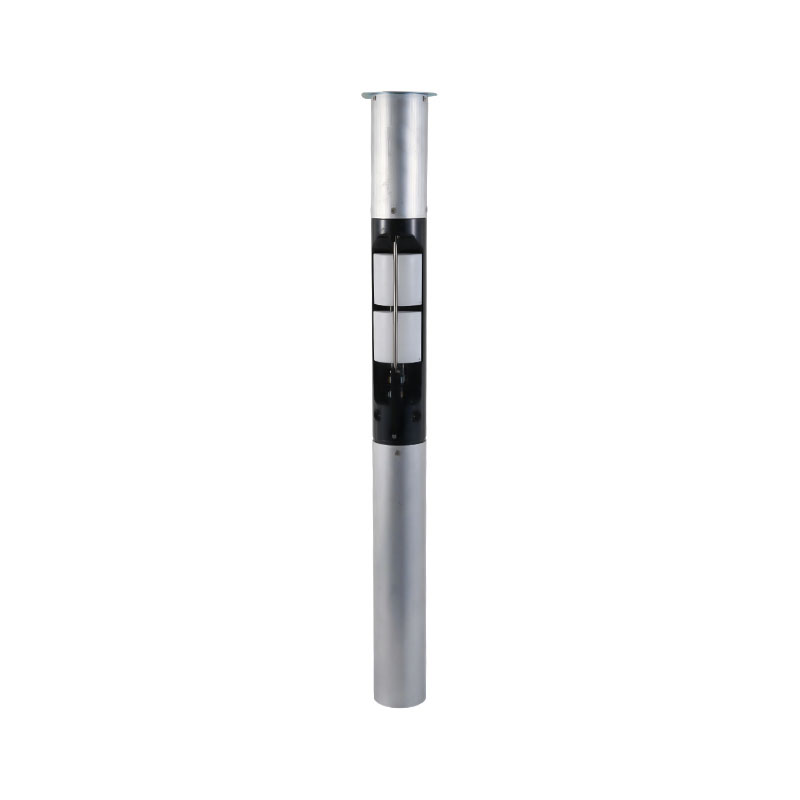
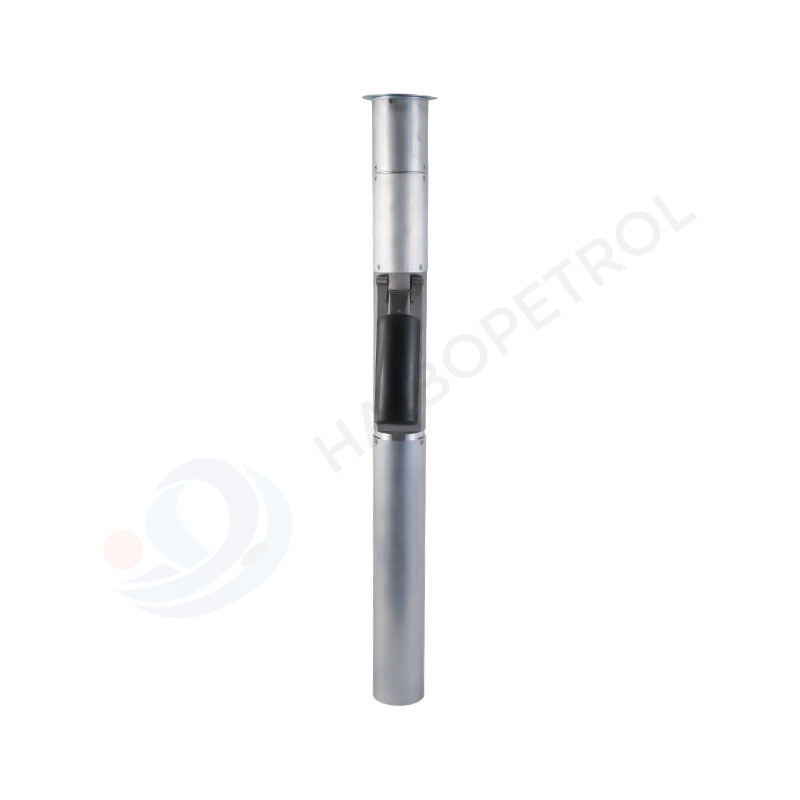
Overfill prevention valves are critical safety devices in retail fueling and commercial fuel systems, designed to automatically stop fueling when the tank reaches a high-level threshold. These valves prevent fuel overflows, environmental contamination, fire hazards, and operational errors. Leading manufacturers such as OPW, Franklin Fueling (EBW), Universal Valve, Liquip, Hytek, and CentreTank provide reliable overfill prevention solutions specifically engineered for underground storage tank (UST) applications.
Role of Overfill Prevention Valves in UST Operations
Typically installed in the fill or drop tubes of storage tanks, overfill prevention valves operate by monitoring the liquid level during gravity fueling. When the fuel level approaches the preset limit (usually around 95% of tank capacity), the valve automatically shuts off the flow. This positive closure mechanism prevents overfilling, reduces fuel loss, and minimizes spill risk during transfer. Overfill prevention valves operate independently, without relying on external sensors or alarms, ensuring mechanical reliability and safety.
Key Features and Functions
1. Automatic Shut-Off Mechanism
The valve uses a mechanical float, magnetic coupling, or precise pivot mechanism to monitor the liquid level in the drop tube. When the liquid nears full, the mechanism triggers flow closure, halting further fueling without operator intervention.
2. Dual-Stage Closure
Modern overfill prevention valves often feature dual-stage operation:
Primary Stage (Flow Reduction): Activates at approximately 95% tank level, alerting the operator.
Final Stage (Full Closure): Engages at around 98% tank level, fully stopping fueling until the level drops to the reset point.
This design ensures safe fueling, provides visual indication, and supports regulatory compliance.
3. Testable Function & Regulatory Compliance
Advanced valves offer testable versions that allow verification without removing the tank or accessing internal components. Ground-level testing ensures the valve is fully functional, simplifying maintenance and regulatory compliance.
Typical Applications
Retail fueling station underground storage tanks
Commercial fuel terminals
Fleet fueling systems
Industrial fuel storage
Hazardous liquid storage facilities
Overfill prevention valves ensure safe operation during fueling, protect the environment, and comply with local regulations.
Leading Manufacturer Solutions
OPW Overfill Prevention Valves
OPW’s valves (e.g., 71SO series) feature dual-stage closure for gravity-fill operations. Installed in drop tubes, the valve first reduces flow at high levels and fully shuts off as liquid reaches near-capacity. The design supports retrofitting existing tanks without special manholes or major modifications. Materials such as nickel-plated or anodized aluminum, with stainless steel components, ensure long-term low-leak performance.
Franklin Fueling (EBW) Overfill Prevention Valves
Franklin Fueling’s Defender series uses a magnetic coupling actuator to achieve reliable shut-off without valve body penetration, eliminating potential vapor or leak paths. Remote test tools allow ground-level verification, simplifying maintenance and compliance, suitable for ethanol and biodiesel blends.
Universal Valve Overfill Protection
Universal Valve’s Model 39 series minimizes moving components to reduce fluid shock and provides smooth closure as the liquid reaches the set point. Testable models allow verification without drop tube removal, ideal for both new installations and retrofits.
Other Manufacturers: Liquip, Hytek, CentreTank
Liquip offers valves compatible with OPW standards. Hytek and CentreTank provide region-specific and tank-configuration-specific solutions, supporting safe fueling worldwide.
Key Advantages
Automatic Operation: Eliminates reliance on operator attention or external alarms
Enhanced Safety: Prevents fuel overflow, fire hazards, and environmental contamination
Regulatory Compliance: Meets multiple regional fuel storage safety standards
Easy Installation & Retrofit: Compatible with gravity-fill systems without major modifications
Low Maintenance: Corrosion-resistant materials and robust construction for long-term use
These advantages make overfill prevention valves the preferred choice for fleet operators, retail stations, and industrial bulk liquid handling facilities.