 English
DHPE Composite Pipes Fittings
In modern fueling infrastructure, high-performance underground piping systems are essential for fuel delivery, environmental protection, and long-term system reliability. Traditional steel piping systems are prone to corrosion, maintenance issues, and regulatory challenges, especially in buried conditions.
DHPE Composite Pipes & Fittings – including thermoplastic composite pipe series and advanced electrofusion and mechanical fittings – provide a superior solution for modern gas station buried fuel piping systems, ensuring corrosion resistance, leak-free connections, and operational durability across the system lifecycle.
1. What Are DHPE Composite Pipes & Fittings?
DHPE composite pipes refer to thermoplastic composite fuel piping systems designed for buried fuel distribution in gas stations, fuel depots, and industrial fueling facilities. These systems are engineered to replace traditional steel pipelines with corrosion-resistant, flexible, and robust alternatives.
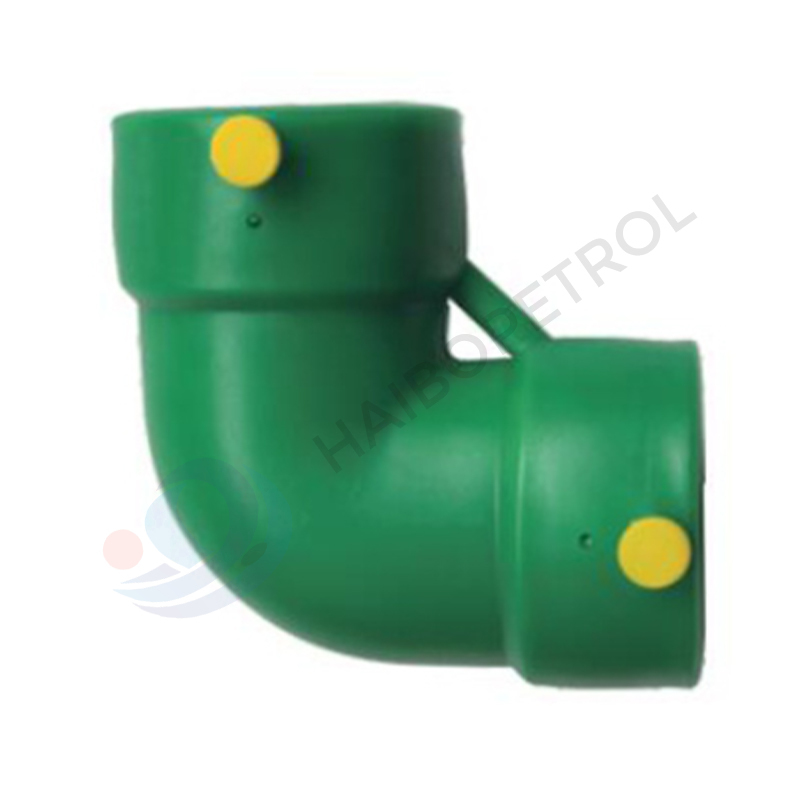
Associated fittings – such as electrofusion couplings, flange adapters, rubber sealing sleeves, and brass conversion components – complete the system, providing secure mechanical and sealed connections at each interface.
Common industry terms include:
Composite underground fuel piping
Buried fuel distribution piping
Electrofusion fittings and couplers
Thermoplastic composite fuel pipe systems
Corrosion-resistant fuel pipe installations
Secondary containment piping
2. Gas Station Buried Composite Pipe and Electrofusion Pipe Fittings Series
The Gas Station Buried Composite Pipe & Electrofusion Fittings Series is designed to support modern fuel delivery infrastructure with robust materials and reliable connection technologies.
Key Features:
Corrosion resistance suitable for buried fuel systems
Smooth internal bore reducing fuel flow friction
High flexibility for easier routing and fewer joints
Compatible with dispenser feed lines, leak detection ports, and monitoring systems
Meets or exceeds industry standards for underground piping safety
These composite systems are especially effective in environments where soil moisture, groundwater exposure, and chemical corrosion risk compromise traditional steel piping integrity.
3. HBTCP Series – Thermoplastic Double/Single Layer Composite Pipe
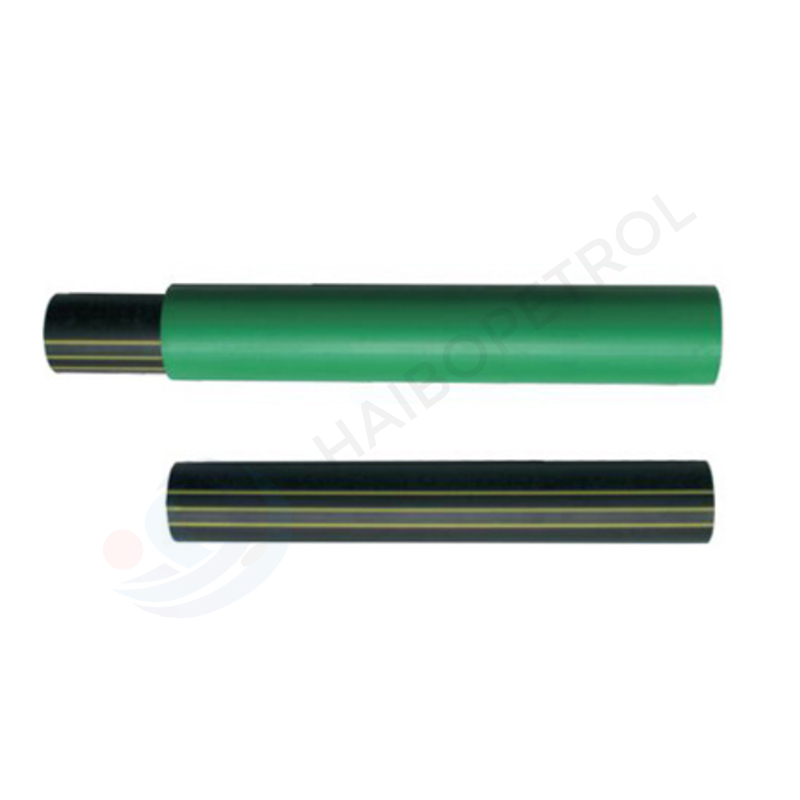
The HBTCP Series includes both single-layer and double-layer thermoplastic composite pipes, engineered for flexibility and durability in fuel distribution.
Advantages:
Double-layer designs enhance mechanical strength and external load resistance
Single-layer options offer lower cost and simplified installation
Excellent resistance to hydrocarbons and chemical exposure
Lightweight construction for easier handling and reduced installation time
These composite pipes are ideal for buried fuel delivery lines, transition piping, and dispenser leads.
4. HBCFC Series – Clamped Flange Couplings for Composite Pipe
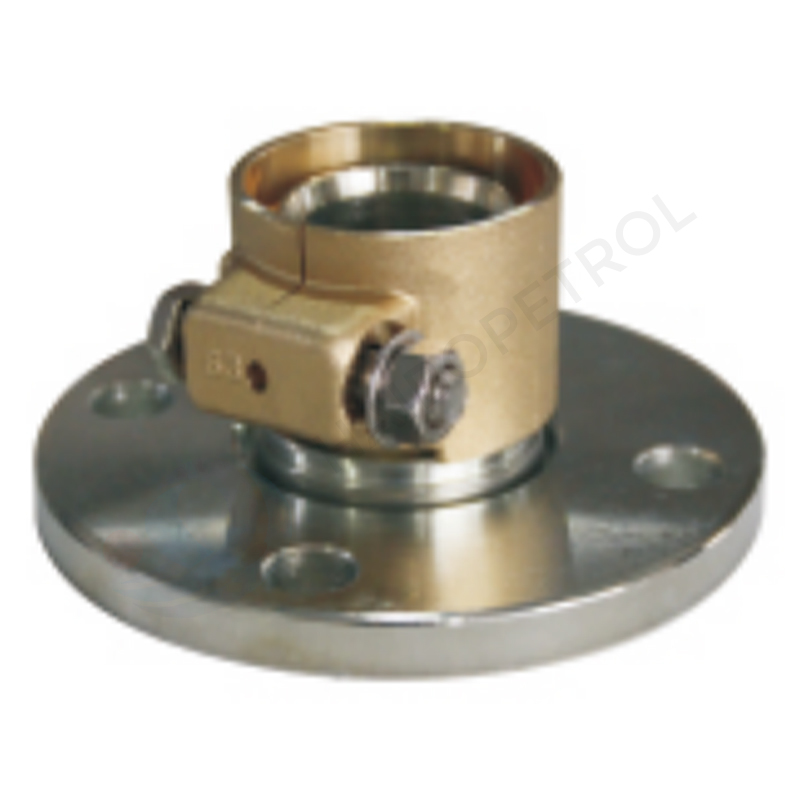
HBCFC Series clamped flange couplings provide a secure mechanical connection between composite pipe sections and other system components, such as tanks, sumps, and dispenser islands.
Benefits:
Strong mechanical interface for high-integrity connections
Designed for quick assembly with minimal tools
Reliable performance in confined or complex piping layouts
Compatible with multiple composite pipe diameters and configurations
Flange couplings are often referred to as composite pipe flanged adapters, mechanical flange connectors, or clamped flange couplers in industry documentation.
5. HBCBC Series – Conversion Brass Couplings for Composite Pipe
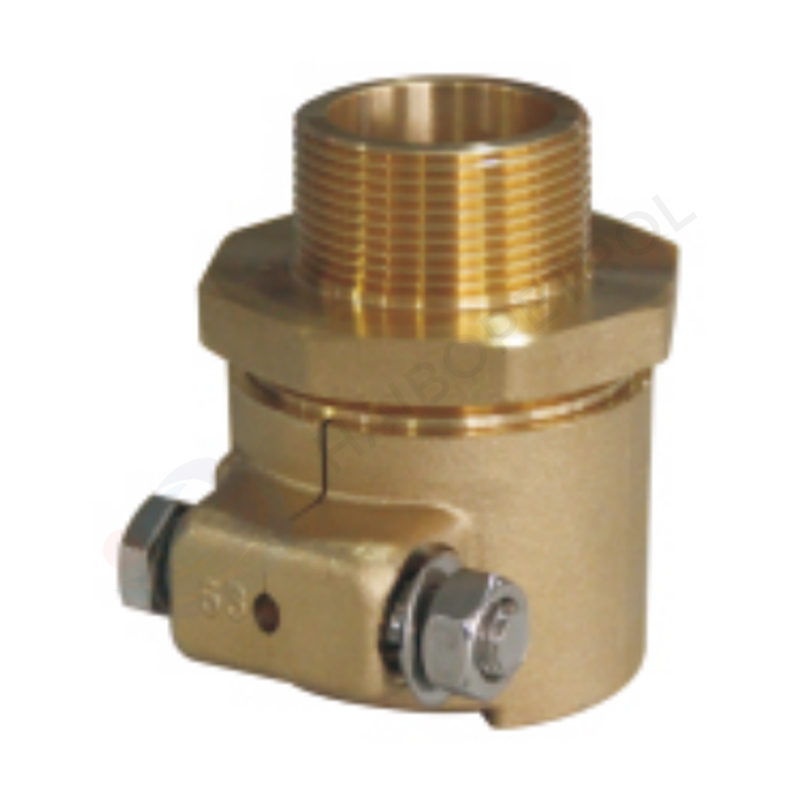
The HBCBC Series consists of brass conversion couplings designed to interface composite piping systems with existing metal components or transition elements.
Why conversion brass couplings matter:
Superior corrosion-resistant material for long-term stability
Easy transition between composite pipe and steel or other metallic systems
Provides a reliable, leak-resistant mechanical connection at junctions
Common use cases include transitions to dispensers, sumps, leak detection modules, or metal-faced valves.
6. HBRFS Series – Rubber Flange Sleeves for Flange Connections
HBRFS Series rubber flange sleeves are essential for sealing connections between flange couplings and piping surfaces. Made from high-performance elastomer materials, these sleeves:
Provide excellent sealing against fuel and vapor leaks
Adapt to surface irregularities between composite pipe and flange mating faces
Reduce long-term maintenance and improve leak detection accuracy
In industry terminology, such sleeves may be identified as rubber flange gaskets, elastomer sealing boots, or composite pipe flange seals.
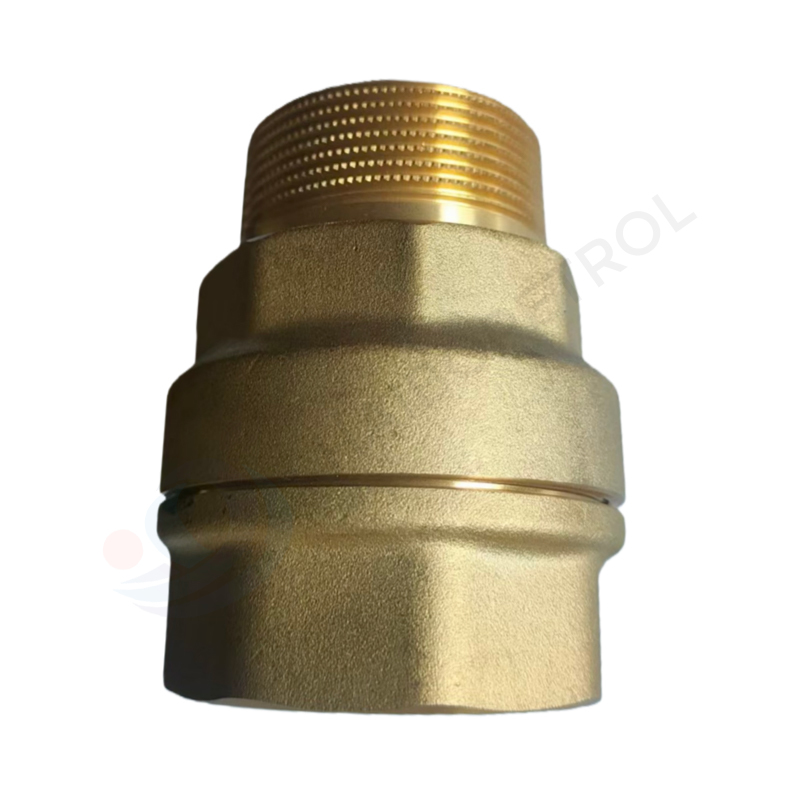
7. HBTBC-50 – Tightening Brass Coupling for DN50 Single-Layer Composite Pipe
The HBTBC-50 coupling is a precision-machined tightening brass coupling designed specifically for DN50 single-layer composite pipe applications.
Key features:
Brass material for enhanced corrosion resistance
Designed for compact, secure connections
Ideal for smaller diameter fuel feed lines or monitoring branch connections
Simplifies installation while maintaining leak-tight integrity
Tightening brass couplings are widely used in fuel feed risers, lateral distribution lines, and pipe stub-outs requiring highly secure mechanical connections.
8. Why Choose DHPE Composite Piping Systems?
DHPE composite piping systems offer multiple advantages over traditional buried steel piping:
Corrosion Resistance
Thermoplastic materials resist oxidation, moisture attack, and soil chemistry effects, preventing rust and metal degradation common in steel systems.
Durability and Longevity
Composite pipes and fittings maintain structural integrity and leak-free performance over decades with minimal maintenance.
Installation Efficiency
Lightweight composite pipes reduce labor costs, shorten installation time, and require fewer specialty tools.
Improved Safety and Compliance
Modern composite systems support industry requirements for secondary containment, leak detection integration, and environmental safety standards.
Reduced Lifecycle Cost
Lower maintenance needs, reduced downtime for repairs, and longer service intervals mean lower total cost of ownership (TCO).
9. Typical Applications
DHPE composite pipes and fittings are widely used in:
Gas station buried fuel distribution lines
Underground dispenser feed piping
Fuel pump island connections
Secondary containment piping systems
Fuel depot and bulk storage piping
Leak detection and monitoring networks
These systems integrate seamlessly with sumps, manholes, leak detectors, and UST containment elements.
10. Conclusion – Future-Ready Buried Fuel Piping Solutions
As gas station infrastructure evolves and environmental standards tighten, traditional steel piping is increasingly replaced by DHPE composite pipe systems and innovative fitting solutions.
Whether you’re upgrading an existing fueling site or designing a new installation, choosing composite piping solutions like the HBTCP thermoplastic composite pipes, HBCFC clamped flange couplings, HBCBC brass conversion adapters, or HBRFS rubber flange sleeves ensures:
Corrosion-resistant fuel delivery
Leak-free connections and environmental protection
Long-term reliability and reduced maintenance
Compliance with modern fuel system safety standards
For engineers, project owners, and fuel system operators seeking durable, maintenance-free buried fuel piping systems, DHPE composite pipes and fittings offer an intelligent, future-resilient choice.