Safety Mechanical Valve Control System for Tank Truck Bottom Loading Applications
In fuel tanker operations, safety is never dependent on a single component. Instead, it is achieved through a coordinated mechanical control system that ensures reliable valve operation, emergency response capability, and effective static electricity discharge. This series of mechanical control products is specifically developed for tanker trucks equipped with manual bottom valves, providing operators with precise control, rapid response, and enhanced safety during fuel transportation and unloading.
In different regions of the world, this type of system is known under various names. In Europe, it is commonly referred to as a mechanical bottom valve control system or emergency valve control assembly. In North America, it is often described as a manual tanker valve control linkage or pull-cable valve system. In the Middle East and Southeast Asia, users tend to focus on its role as a remote manual shut-off mechanism for tanker safety. In China and other Asian markets, it is widely recognized as a manual valve control bracket combined with discharge cables and grounding devices. Despite the differences in terminology, the purpose remains the same: to ensure safe, controllable, and fail-safe operation of tanker valves under all working conditions.
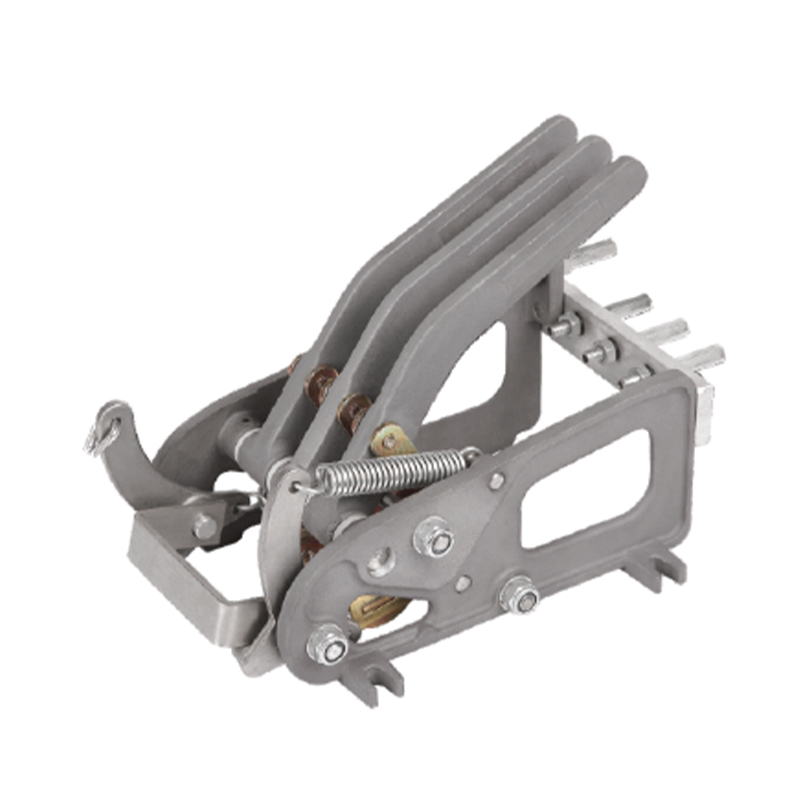
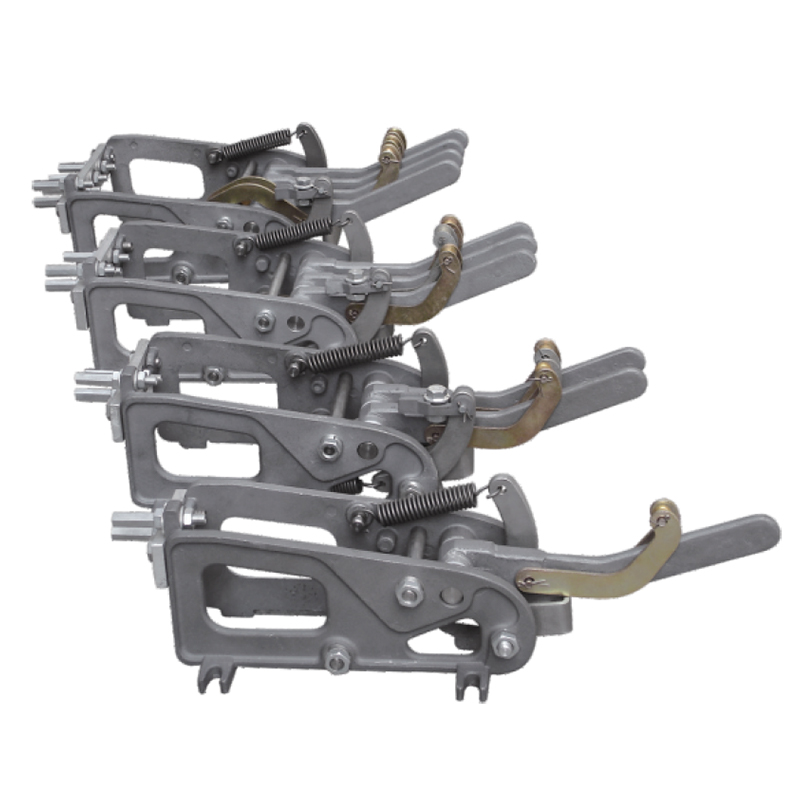
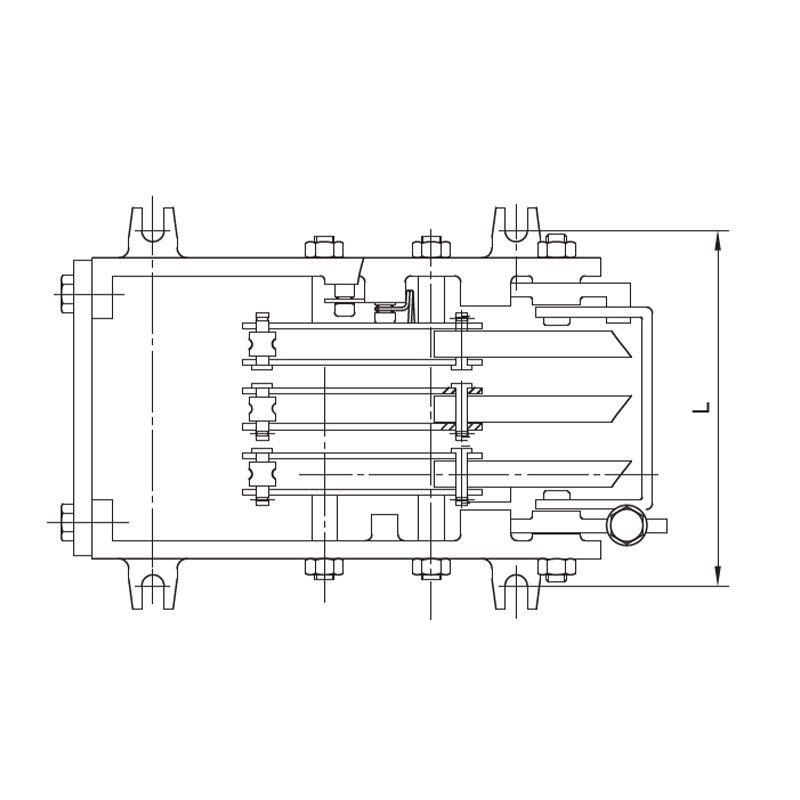
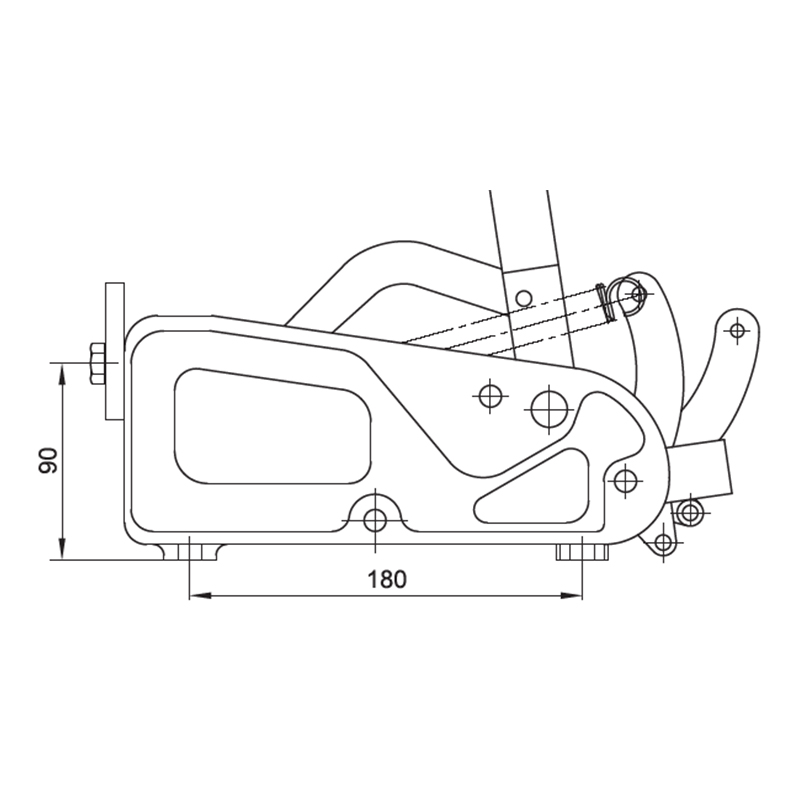
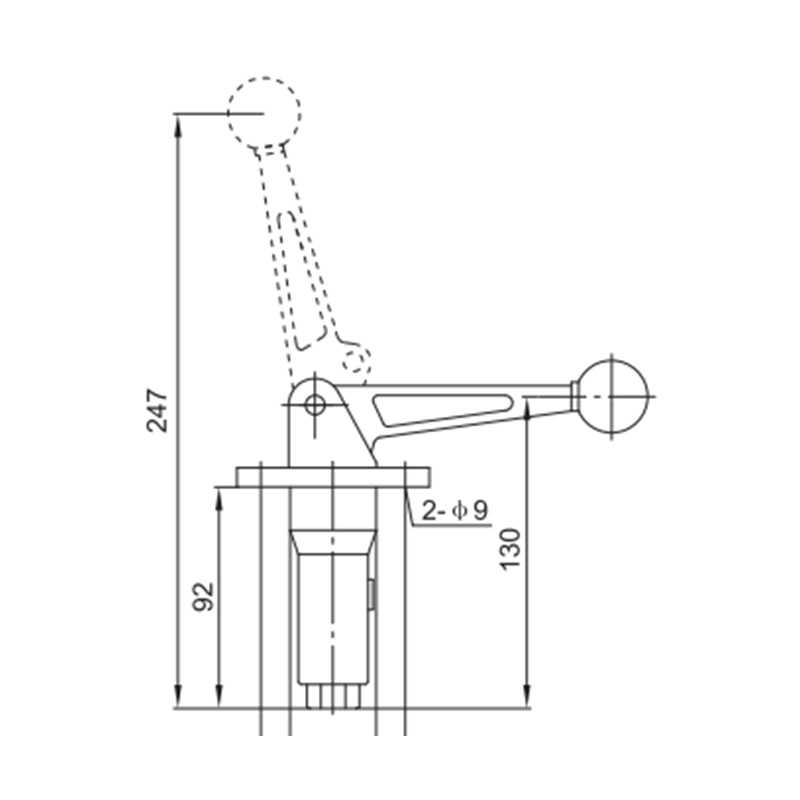
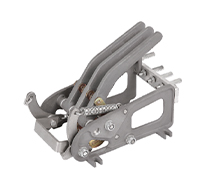
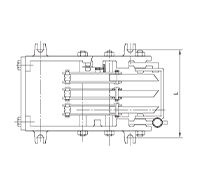
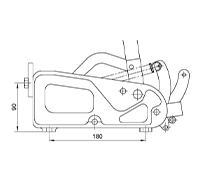
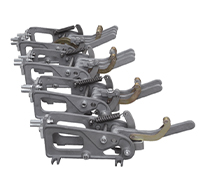
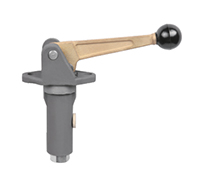
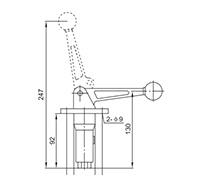
At the core of the system is the manual control bracket, designed to operate multiple bottom valves independently. Each handle corresponds to a single mechanical valve, allowing operators to manage different compartments with clarity and precision. The modular design enables users to select the number of control handles according to tanker configuration, making the system suitable for a wide range of vehicle sizes and fuel compartment layouts. Once engaged, the handle mechanism automatically limits its position without requiring additional locking devices, reducing operational complexity and human error.
Safety under high-temperature conditions is a critical consideration in tanker design. To address this, the control handles are equipped with a fusible safety element. When ambient temperatures exceed a predefined threshold, the mechanism automatically returns the valves to the closed position, helping to prevent fuel leakage and reducing fire risk during emergency situations.
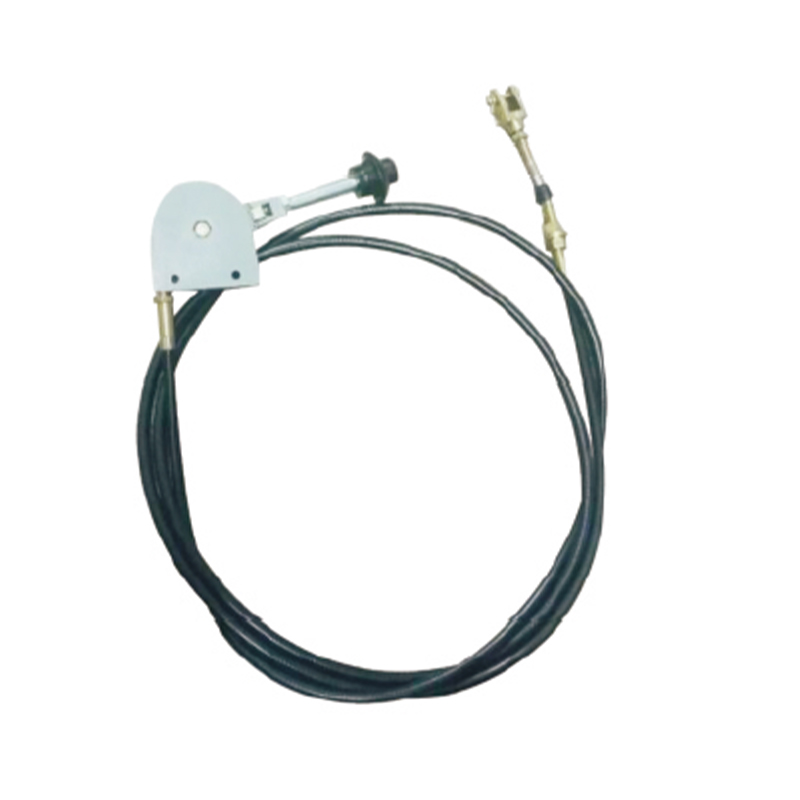
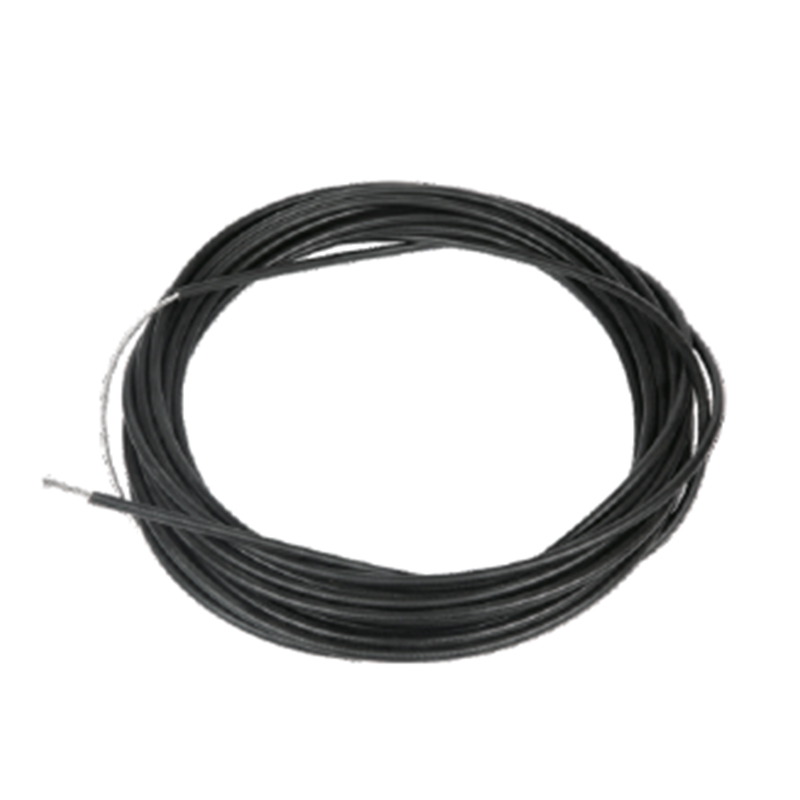
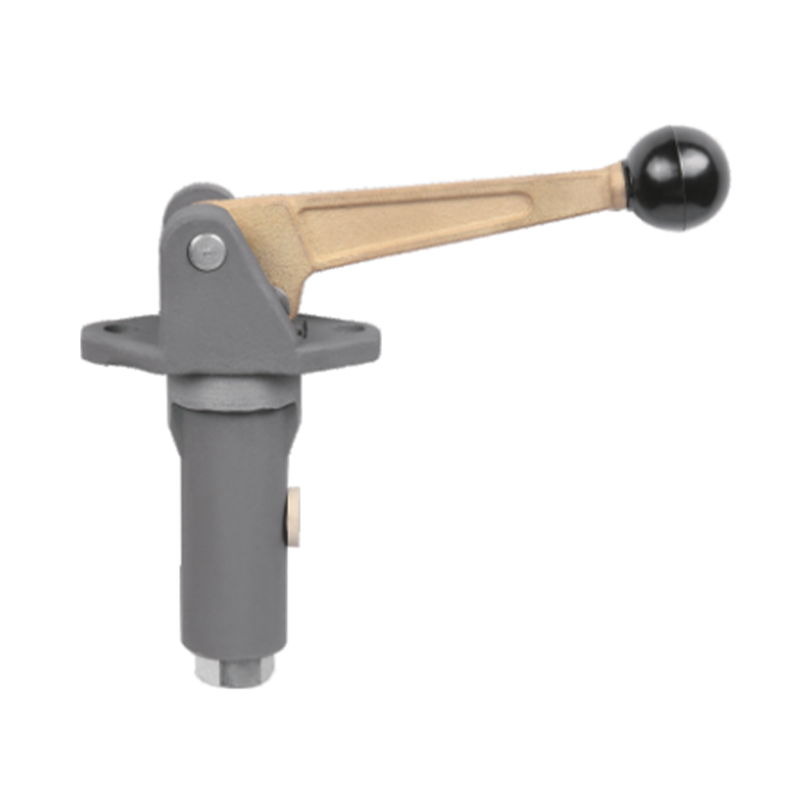
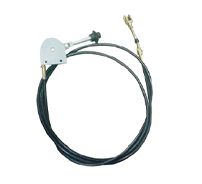
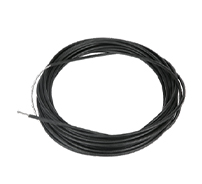
To extend control beyond direct manual operation, the system integrates discharge cables and hand levers that enable remote valve actuation. These components allow operators to shut off fuel flow quickly from a safer distance when necessary, an essential feature in emergency scenarios. The discharge cables are engineered for high tensile strength and consistent pulling force, ensuring reliable transmission of control actions even after prolonged use in harsh environments.
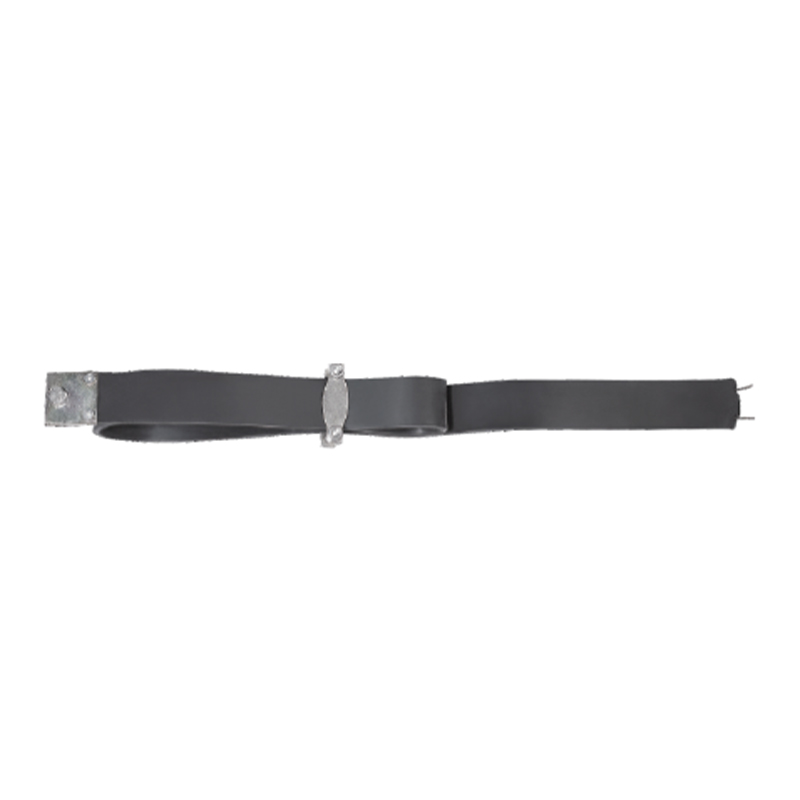
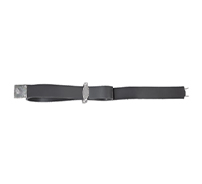
Completing the system is the electrostatic grounding belt, installed at the rear of the tanker. During loading and unloading, static electricity buildup is a known hazard that can lead to sparks and potential explosions. The adjustable grounding belt maintains continuous contact between the vehicle and the ground, effectively dissipating static charges and significantly reducing ignition risks.
Together, these components form a comprehensive mechanical safety control solution for fuel tanker trucks. Rather than relying on electronic systems alone, this mechanical approach offers durability, simplicity, and dependable performance across diverse operating environments. Whether used in oil transportation fleets, chemical logistics, or bulk fuel delivery operations, this system provides a practical and proven method to enhance tanker safety and operational confidence.

 English
 中文简体
中文简体
 Español