 English
Ball Valves & Measuring Holes
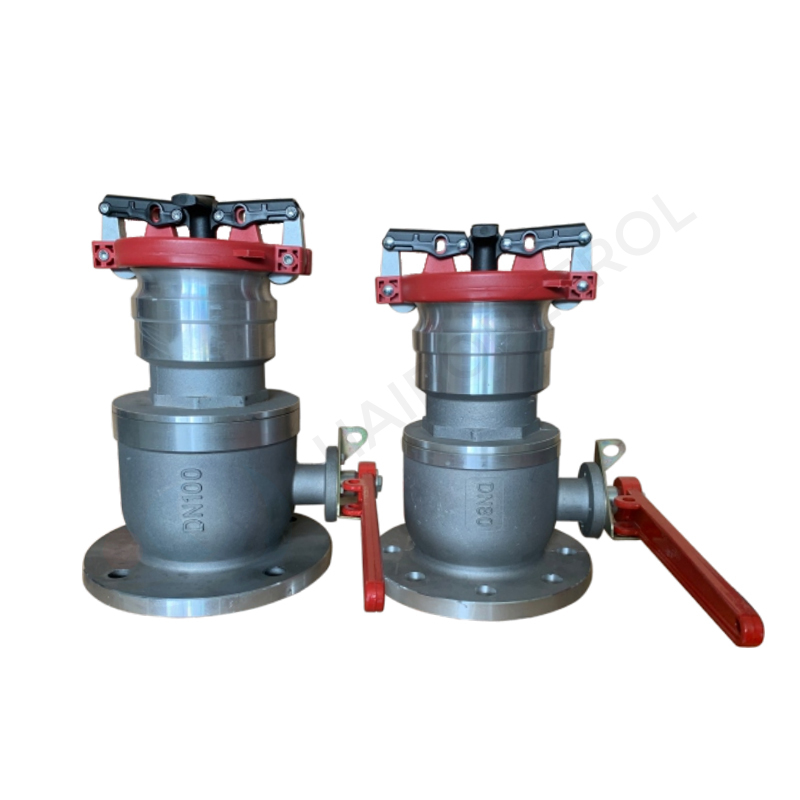
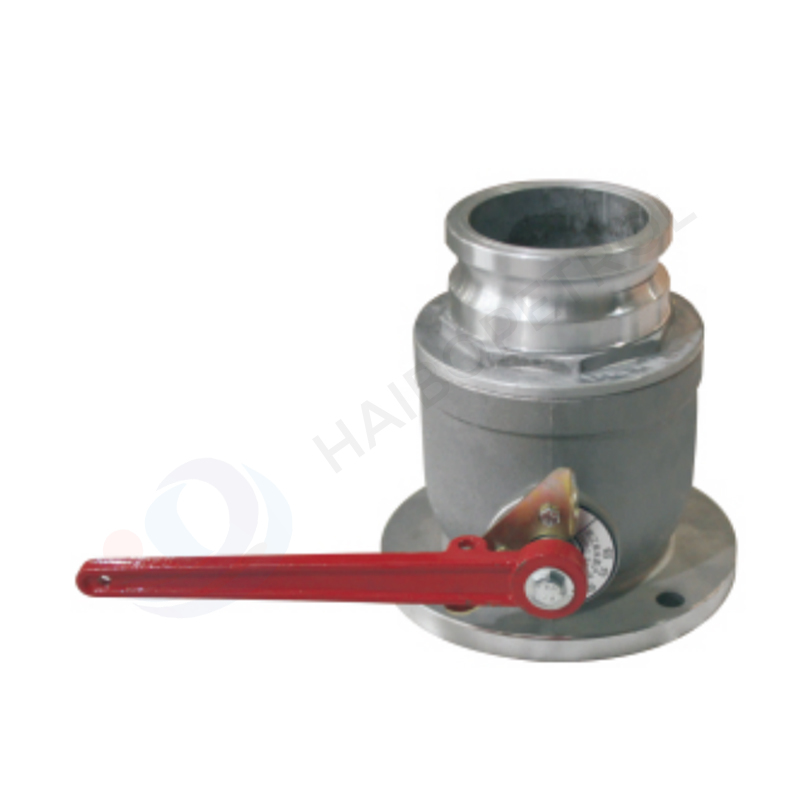
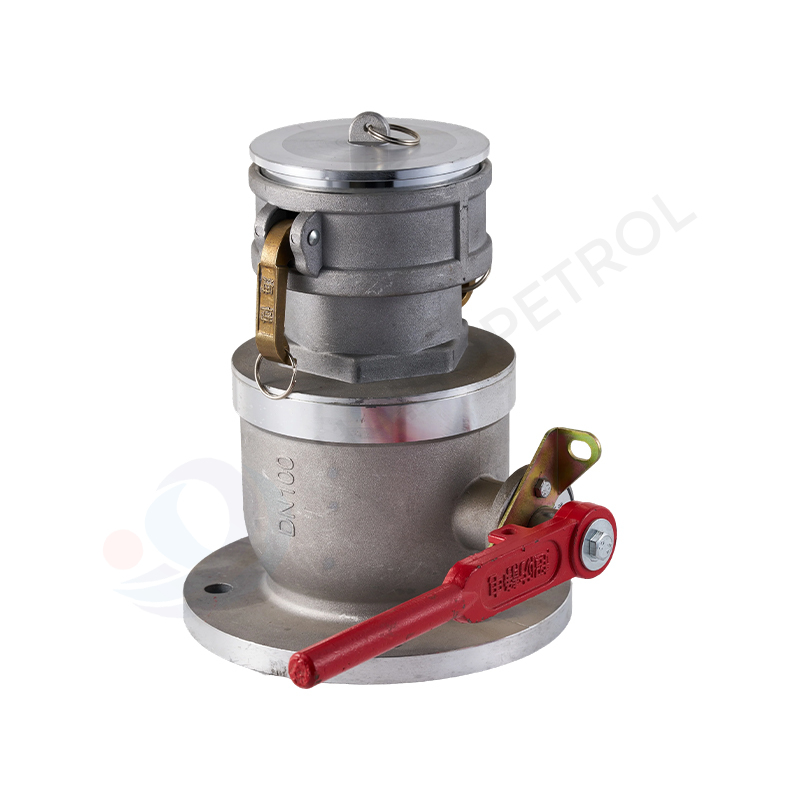
Aluminum ball valves are essential control components in tank trucks, road tankers, and bulk liquid transportation systems. They are widely used for fuel, chemical products, and other hazardous or non-hazardous liquids in loading, unloading, and pipeline shut-off applications.
With key advantages such as lightweight construction, corrosion resistance, fast operation, and reliable sealing, aluminum ball valves have become a preferred alternative to traditional cast iron valves and, in some applications, stainless steel valves—offering an optimal balance between safety, performance, and cost.
Leading manufacturers design these valves in accordance with ADR, EN, ISO, and relevant Chinese standards, ensuring stable performance under frequent loading cycles, vibration, and demanding operating conditions.
Role of Aluminum Ball Valves in Tank Truck Systems
Aluminum ball valves are primarily used for rapid flow control and positive shut-off. They are commonly installed in:
Tank truck bottom loading and unloading pipelines
Side or auxiliary piping systems
Storage tanks, ISO tanks, and temporary transfer systems
Integrated systems with bottom valves, API adapters, and vapor recovery equipment
During loading, transportation, and emergency situations, the valve can be closed quickly to prevent leakage, ensuring personnel safety, vehicle protection, and environmental compliance with hazardous goods transport regulations.
Key Design Features and Technical Characteristics
1. Aluminum Alloy Valve Body and Ball
Valve bodies are typically manufactured from high-strength aluminum alloys (e.g., ADC12 or Al-Si series) using casting or forging processes
Significantly lighter than stainless steel valves, contributing to vehicle weight reduction and improved fuel efficiency
Good corrosion resistance for gasoline, diesel, and many light chemical products
2. Full-Bore Design
Internal flow path matches the nominal pipe diameter
Minimizes pressure drop and turbulence
Improves loading and unloading efficiency while reducing product residue
Particularly suitable for high-flow tank truck unloading operations
3. Reliable Sealing System
Valve seats made of PTFE, reinforced PTFE, or composite sealing materials
Ensures excellent sealing performance under normal temperature variations
High cycle life with low wear, resulting in reduced maintenance costs
4. Fast and Safe Operation
Quarter-turn (90°) operation from fully open to fully closed
Available with manual handles, locking devices, or pneumatic actuators
Suitable for frequent operation and emergency shut-off applications
Typical Sizes and Connection Standards
Aluminum ball valves for tank trucks are available in multiple sizes to meet different system requirements:
Nominal Diameters (DN): DN50 / DN65 / DN80 / DN100
Connection Types:
Flanged connections (EN 1092-1, GB standards)
Threaded connections (BSP / NPT)
Pressure Ratings: Commonly PN16 / PN25
Applicable Media: Gasoline, diesel, kerosene, and light chemical liquids
Valve design and manufacturing commonly comply with or reference the following standards:
ADR – European Agreement concerning the International Carriage of Dangerous Goods by Road
EN / ISO standards for valves and flanges
GB / JB Chinese standards for valves and pressure components
Typical Applications
Road tankers and chemical tank trucks
Bottom loading and unloading systems for fuel and chemicals
Storage tanks, day tanks, and transfer pipelines
API loading systems and vapor recovery systems
Industrial liquid distribution and emergency shut-off systems
These applications demand high sealing reliability, operational safety, and long service life, where aluminum ball valves provide an excellent balance of performance and economy.
Advantages of High-Quality Aluminum Ball Valves
Selecting aluminum ball valves designed in compliance with international standards offers the following benefits:
Lightweight construction to reduce vehicle tare weight
Fast operation to improve loading and unloading efficiency
Reliable sealing to minimize leakage risks
Good corrosion resistance for extended service life
High compatibility with bottom valves, API adapters, and vapor recovery systems
Compliance with ADR and other regulatory requirements for international markets
These advantages make aluminum ball valves a preferred choice for tank truck manufacturers, conversion workshops, fleet operators, and terminal users.
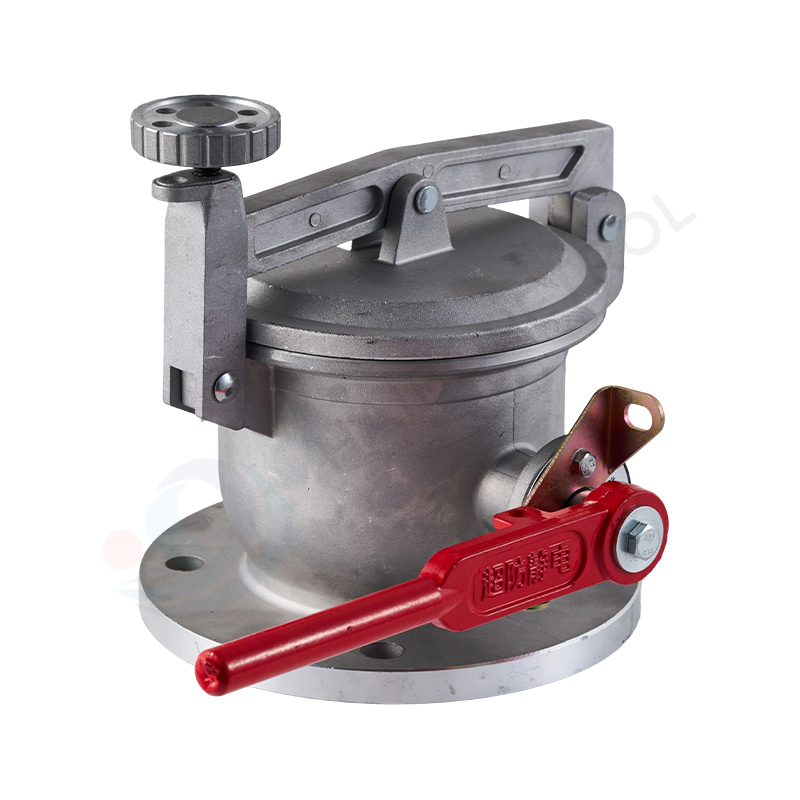
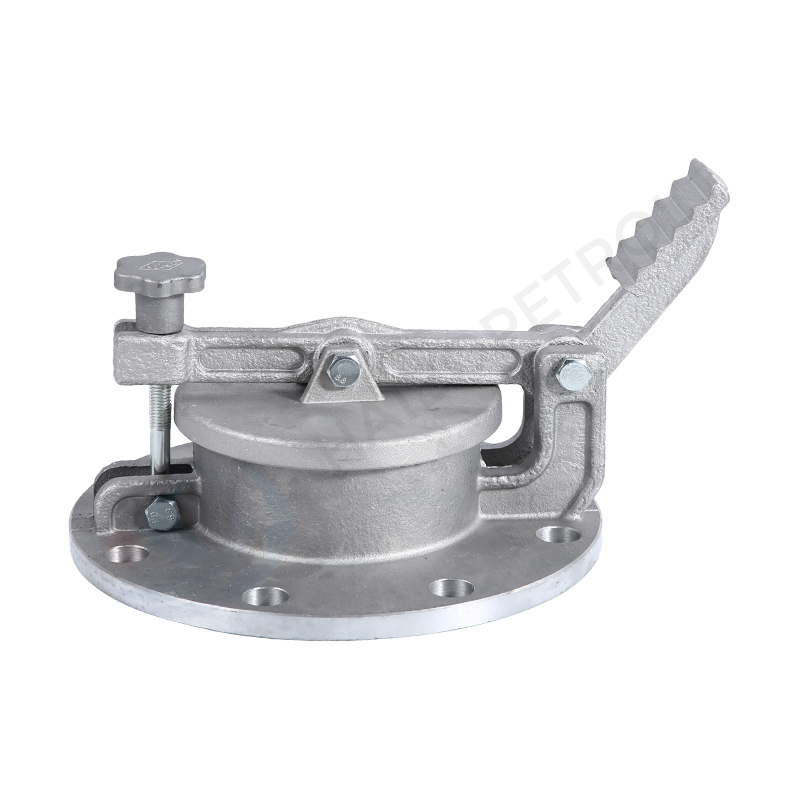
Gauge hatches—also known as tank gauge hatches, measurement hatches, or rotary gauge hatches—are critical safety and operational components used on tank trucks, road tankers, storage tanks, and ISO tank systems. They provide controlled access for manual liquid level measurement, sampling, and internal inspection, while ensuring vapor-tight and liquid-tight sealing during transportation and storage, effectively preventing leakage and environmental emissions.
High-quality gauge hatches are designed and manufactured in accordance with ADR, EN, ISO, API, and relevant Chinese GB/JB standards, making them suitable for international fuel, chemical, and selected food-grade liquid transport and storage applications.
Core Functions in Tank Systems
Within tank truck and storage tank systems, gauge hatches perform several essential functions:
Manual liquid level gauging using dipsticks or measurement tools
Sampling and visual inspection of tank contents
Safe access for cleaning, maintenance, and inspection
Sealing and vapor control during transportation and storage
Properly engineered gauge hatches significantly reduce VOC emissions and help ensure compliance with ADR, IMDG, EN, and ISO safety and environmental regulations.
Main Design Types and Technical Features
1. Rotary Gauge Hatch Design
Rotary gauge hatches operate using a rotational opening mechanism, allowing smooth and controlled operation even under slight internal pressure:
Heavy-duty rotary mechanism for reliable performance
Positive locking system to prevent accidental opening during transport
Ergonomic operating handle or wheel
Optional safety lock or sealing wire provision to meet regulatory requirements
2. High-Performance Sealing System
The sealing system is the core of gauge hatch safety and emission control:
EPDM, NBR, or FKM (Viton®) gaskets, selected according to media compatibility
Uniform circumferential compression ensures long-term vapor-tight and liquid-tight sealing
Effectively reduces vapor loss and product evaporation
Replaceable gasket design for easy maintenance and low lifecycle cost
3. Robust Materials and Structural Design
Gauge hatches are available in various materials to suit different operating environments:
Carbon steel with anti-corrosion coating for standard fuel applications
Stainless steel 304 / 316 / 316L for corrosive media or hygienic requirements
Aluminum alloy for lightweight tank truck designs
All designs are engineered to withstand outdoor exposure, frequent operation, vibration, and long-term service conditions.
4. Safety and Regulatory Compliance
To meet international transport and storage regulations, gauge hatches typically incorporate:
Secure locking and sealing in transport condition
Compatibility with vapor recovery and emission control systems
Drainage and anti-spill features to prevent liquid accumulation on the hatch cover
Typical Specifications and Applicable Standards
Gauge hatches are available in multiple configurations to suit different tank designs:
Common Diameters: Ø300 mm, Ø400 mm, or custom sizes
Mounting Method: Flanged installation per EN 1092-1, API, or GB standards
Design Conditions: Safe operation under low pressure and vacuum conditions
Material Options: Carbon steel / stainless steel / aluminum alloy
Commonly referenced standards include:
ADR — European Agreement concerning the International Carriage of Dangerous Goods by Road
EN / ISO — European and international standards for tank fittings
API — American Petroleum Institute design recommendations
GB / JB — Chinese standards for tank accessories
Typical Applications
Road tankers and chemical tank trucks
Fixed storage tanks for fuels and chemicals
ISO tank containers and bulk liquid transport systems
Fuel depots, terminals, and marine tanker measurement ports
Sampling and inspection points in petrochemical installations
Key Advantages of High-Quality Gauge Hatches
Safe and standardized manual gauging and sampling
Excellent vapor-tight performance to minimize emissions and leakage
Robust construction suitable for frequent operation
Compliance with international transport and environmental regulations
Easy maintenance with replaceable sealing components
Seamless integration with modern vapor recovery systems
As a result, high-quality gauge hatches have become standard components for tank truck manufacturers, conversion workshops, storage terminals, and end users worldwide.