 English
All Kinds of Flow Meters & Parts
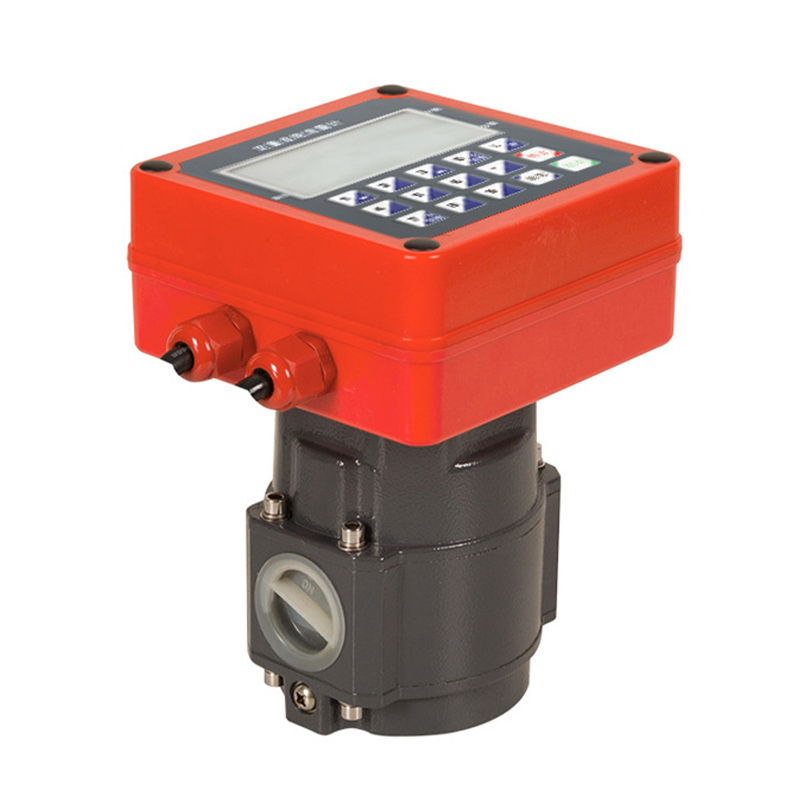
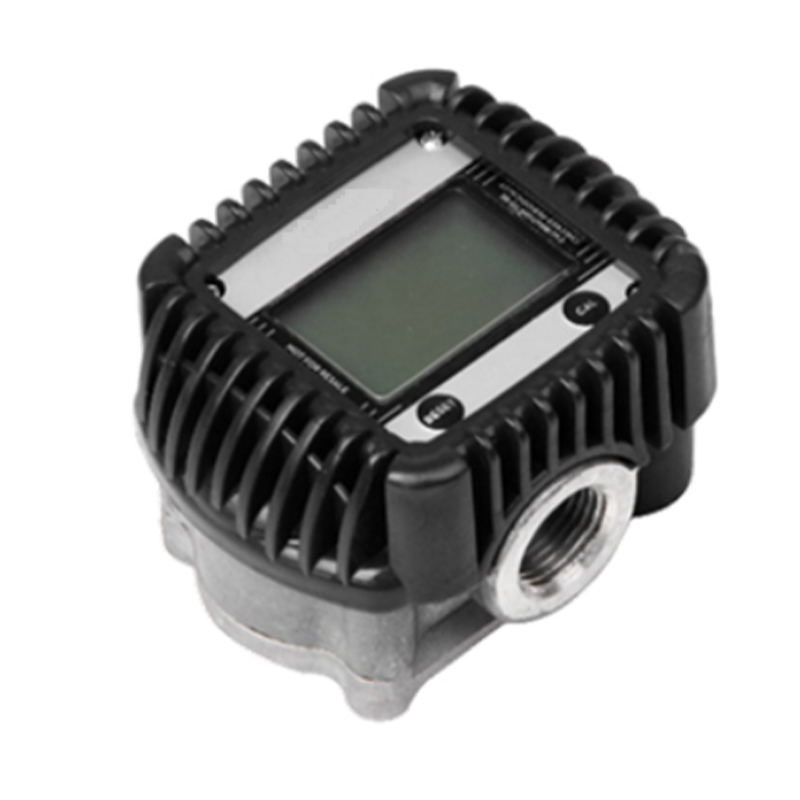
Flow meters are essential instruments used to precisely measure the volume or rate of fluid flow in pipelines and systems. They are widely applied in industries such as fuel dispensing, petrochemical processing, chemical manufacturing, water treatment, lubrication and hydraulic systems, and industrial automation. Different types of flow meters measure flow based on distinct principles, making each type suitable for specific media, accuracy requirements, and working conditions.
1. Positive Displacement (PD) Flow Meters
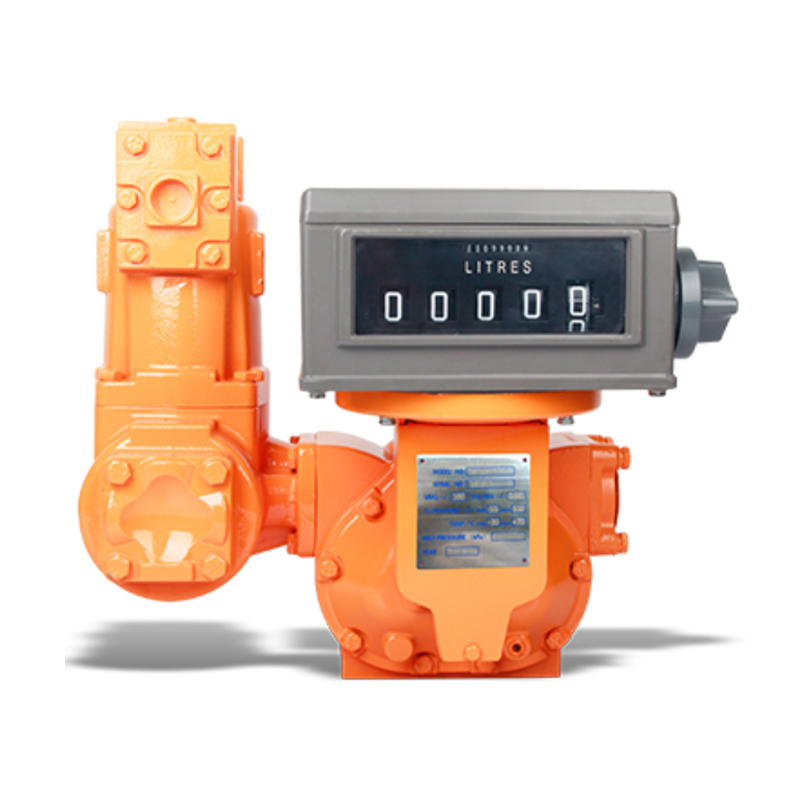
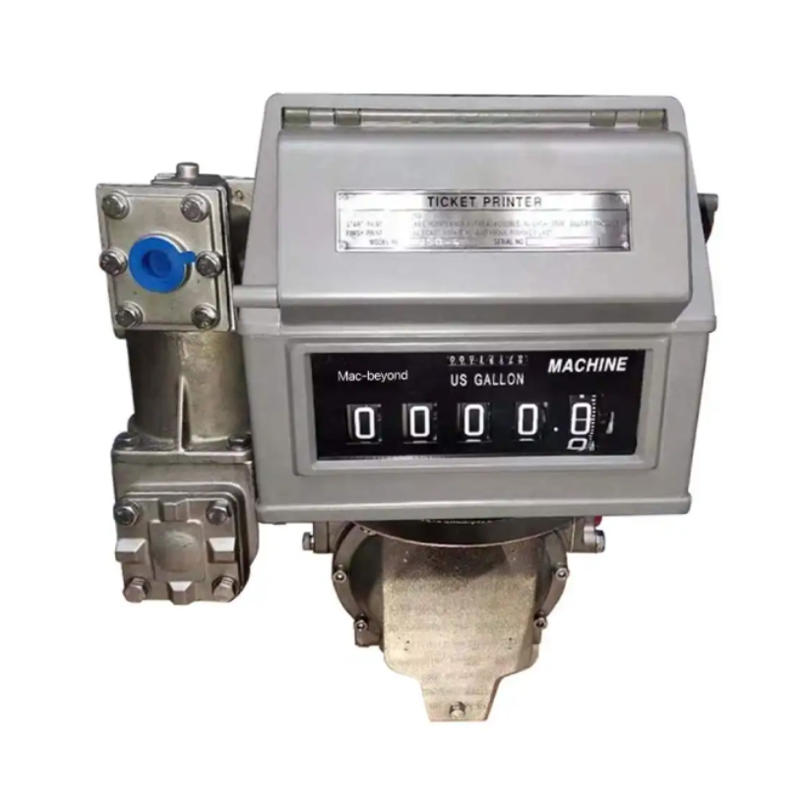
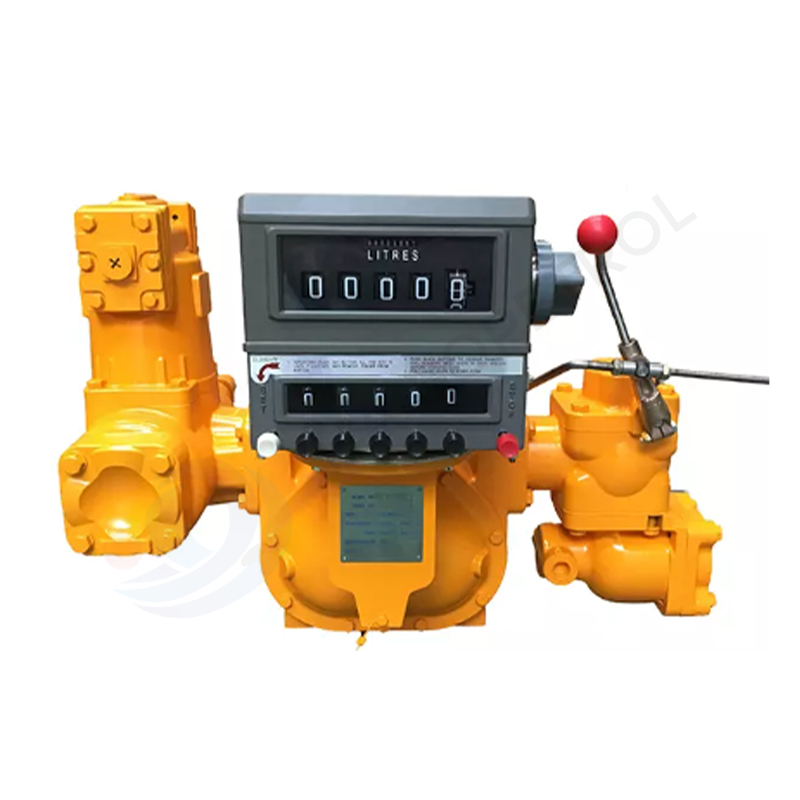
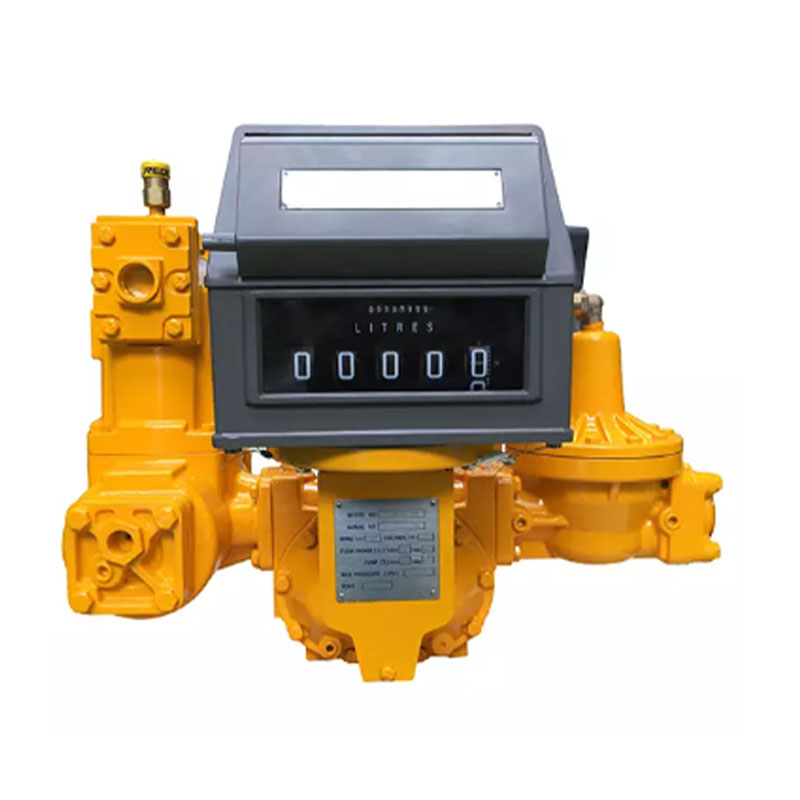
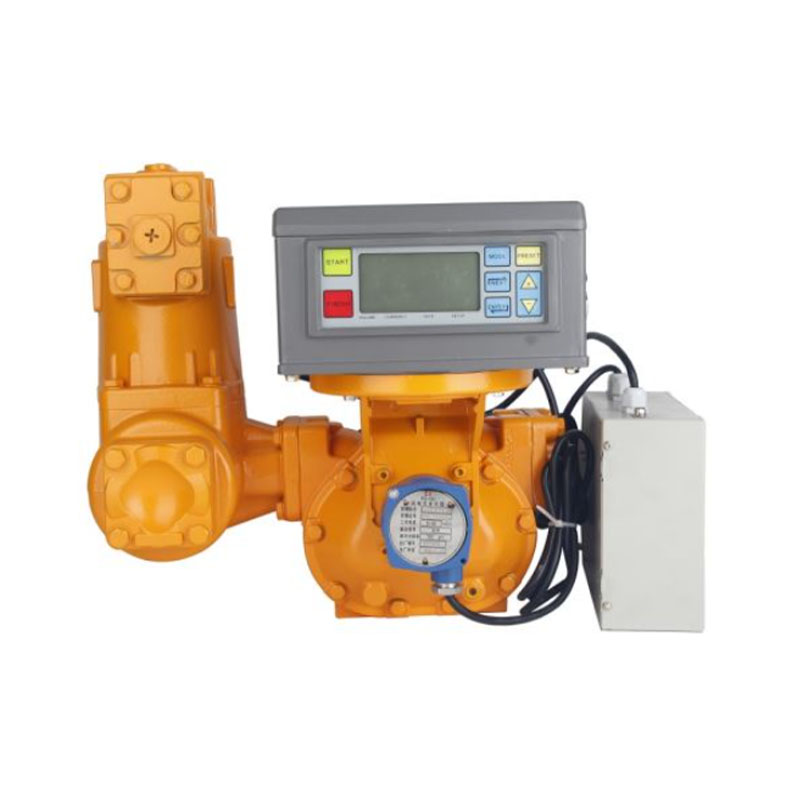
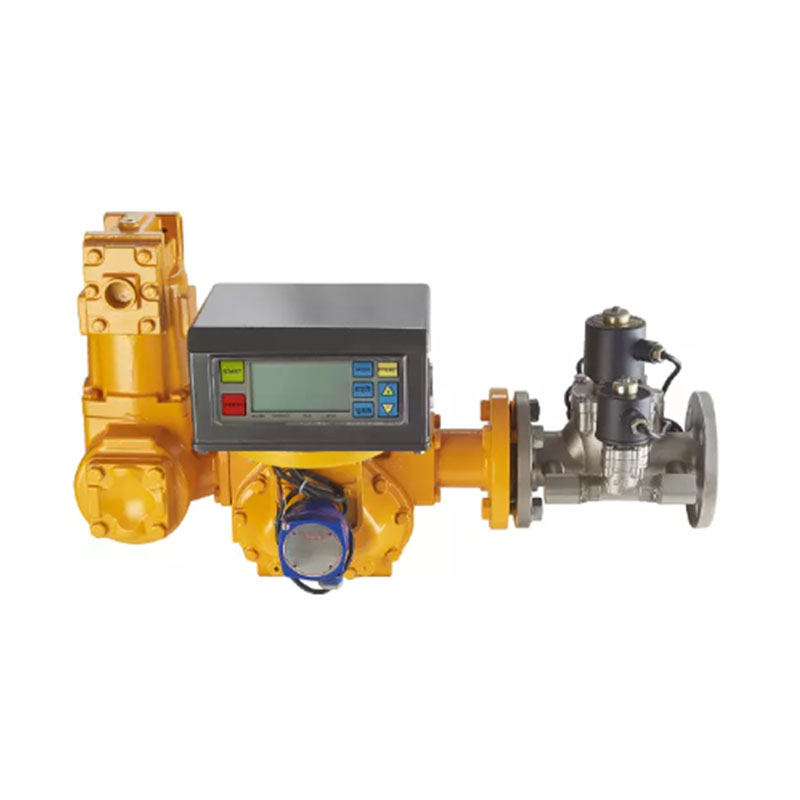
Positive displacement flow meters measure fluid by mechanically trapping discrete volumes and counting how many times these fixed volumes pass through the meter. Their design ensures high accuracy and reliability, especially with viscous liquids.
Key PD Types
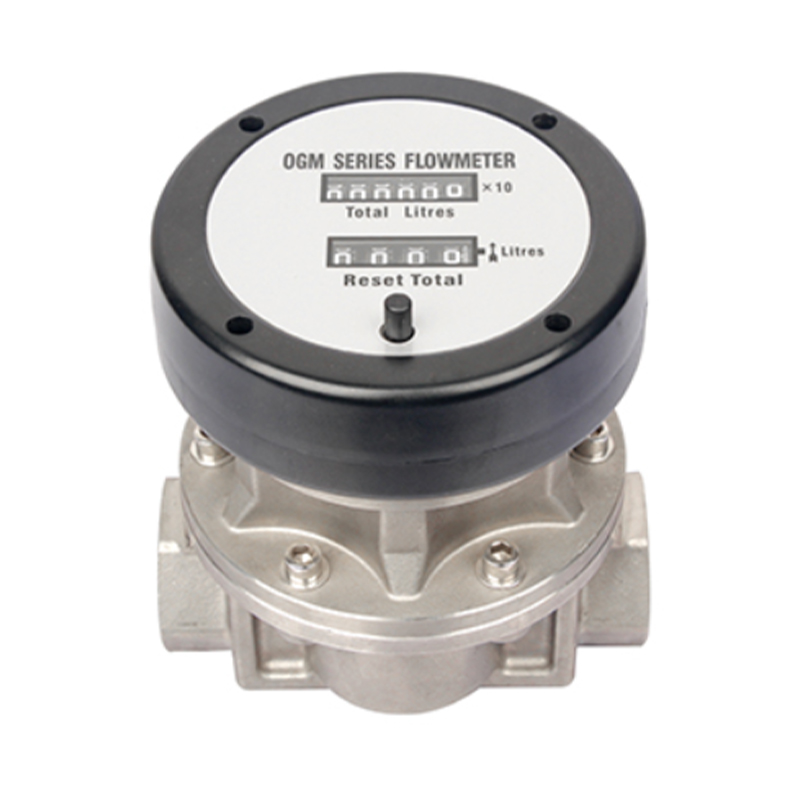
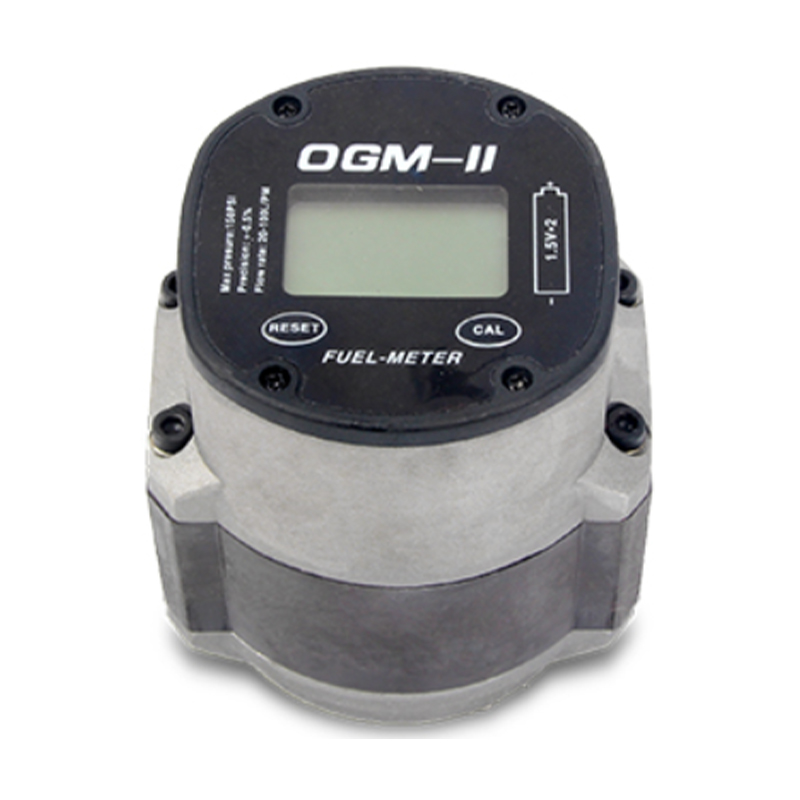
Oval Gear Flow Meters: Two synchronized internal gears trap fixed fluid pockets and transfer them through the meter. These meters offer high precision and are ideal for measuring viscous oils and liquids in industrial applications.
Rotary Vane Flow Meters: A rotor with multiple vanes rotates inside a chamber, moving a known liquid volume per revolution. These are suited for industrial process fluids and heating oils.
Piston and Nutating Disk Meters: Pistons or wobbling disks displace fluid in fixed increments, useful for precise dose measurements.
Advantages: Excellent volumetric accuracy, suitability for high-viscosity fluids, and good performance at low flow rates.
Typical Uses: Fuel transfer, lubricant dispensing, chemical dosing, custody transfer systems.
2. Gear Flow Meters
Gear flow meters belong to the positive displacement family and use internal gears—commonly oval or helical—to measure flow.
Features
Internal gears rotate as fluid flows, creating precisely controlled volumes.
Robust performance with viscous liquids, including oils and certain chemical liquids.
Options for stainless steel, engineered plastics, and other materials to suit different environments and media.
Applications: Diesel and oil flow measurement, industrial fluid control systems, lubrication systems.
3. Turbine Flow Meters
Turbine flow meters are velocity-type meters that use a rotor placed in the fluid stream. As fluid flows through the meter, it spins the turbine, and the rotational speed correlates with flow rate.
Characteristics
Suitable for clean, low-viscosity liquids.
High accuracy and repeatability with fast response times.
May require filtering to protect internal bearings and blades.
Application Areas: Fuel measurement, water utilities, general industrial process liquids.
4. Differential Pressure Flow Meters
Differential pressure flow meters calculate flow based on pressure drop across a restriction, following Bernoulli’s principle.
Examples
Orifice Plates
Venturi Tubes
Flow Nozzles
Advantages: Established technology with broad applicability.
Limitations: Typically requires more straight pipe runs and may induce pressure loss.
5. Ultrasonic Flow Meters
Ultrasonic flow meters rely on sound wave transmission through fluids to determine flow rate without intruding into the liquid stream.
Benefits
Non‑invasive measurement
No moving parts
Suitable for clean liquids
Applications: Water and wastewater systems, HVAC, oil and gas measurement where mechanical wear must be avoided.
6. Vortex Flow Meters
Vortex flow meters detect vortices shed downstream of a bluff body placed in the flow path. The vortex frequency correlates with flow velocity.
Advantages: No moving parts, suitable for a range of liquids and gases.
Common Uses: Steam flow measurement, HVAC, chemical processing.
7. Electromagnetic and Mass Flow Meters
Though less common for direct fuel or oil measurement, these types are vital in broader industrial contexts.
Electromagnetic Flow Meters: Ideal for electrically conductive liquids with no moving parts, providing high accuracy and low maintenance. (General industry knowledge)
Coriolis Mass Flow Meters: Measure mass flow directly and are effective for high-precision applications and varying fluid properties. (General industry knowledge)
8. Mechanical Flow Totalizers and Multi‑Digit Counters
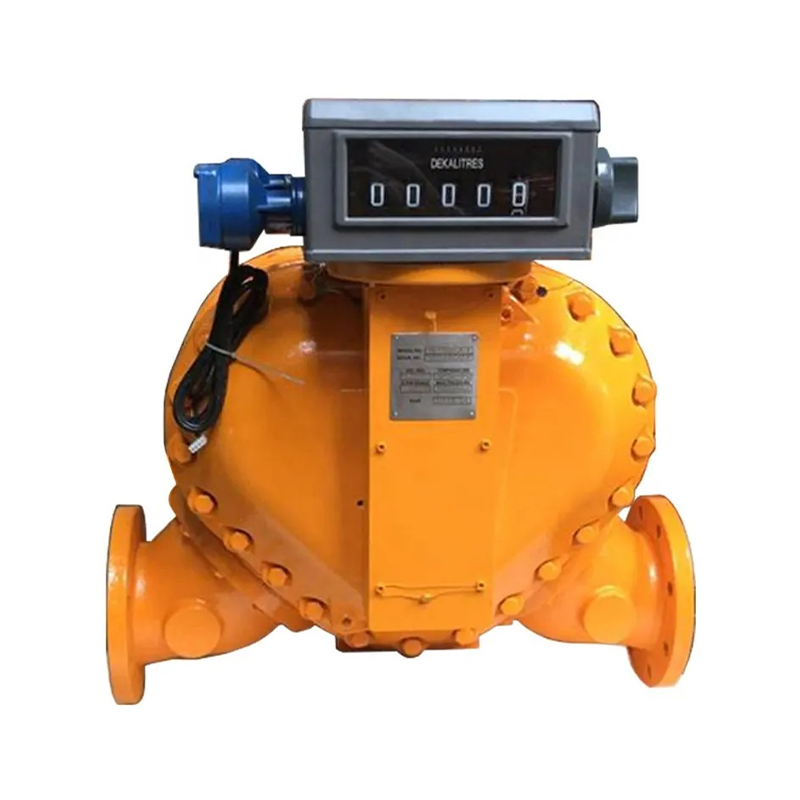
Mechanical totalizers, including multi‑digit oil counters (e.g., three‑digit and four‑digit meters), provide simple visual readouts of cumulative fluid volume. These devices are often integrated into fuel dispensing systems and portable measurement setups.
Advantages: Easy reading, no separate power source required.
Uses: On‑site volume tracking, small industrial fluid metering.
Choosing the Right Flow Meter
Selecting an appropriate flow meter depends on several factors:
Fluid Properties: Viscosity, cleanliness, and chemical compatibility influence meter performance.
Required Accuracy: Positive displacement meters excel in precision, especially at low flows.
Installation Requirements: Some meters require straight piping sections or filtration.
Output and Integration: Digital or analog outputs may be necessary for automation and monitoring.
Understanding the application and matching it with meter capabilities ensures reliable data, reduced maintenance, and optimal process control.
Industrial flow meters encompass a variety of technologies — from positive displacement and gear meters, which are ideal for high‑accuracy liquid measurement, to turbine, ultrasonic, vortex, and differential pressure meters, each serving different fluid types and application conditions. Whether used for fuel dispensing, oil measurement, water management, chemical processing, or industrial automation, choosing the right flow meter enhances operational efficiency and ensures accurate, reliable fluid monitoring.