Vapor Recovery Coupling for Oil Depot and Tank Truck Loading Systems
In modern fuel loading, unloading, and storage operations, vapor recovery is no longer an optional feature but a fundamental requirement across oil depots, tank trucks, and fueling infrastructure worldwide. As a critical interface component within vapor recovery systems, vapor recovery couplings play a decisive role in ensuring system tightness, operational safety, and overall vapor recovery efficiency.
Across different countries and regions, this type of product is known by various names depending on industry practices and application scenarios. In some markets, the focus is placed on its function as a system connector within vapor recovery installations, while in others, greater emphasis is given to its role during loading and unloading operations where fuel vapors must be guided and recovered efficiently. Within tank truck applications, it is widely regarded as an indispensable interface between vehicles and depot pipelines. In domestic markets, it is often identified based on its structure or quick-connection characteristics. Regardless of naming differences, the core function remains universally recognized: to channel fuel vapors securely into the recovery pipeline during fuel transfer, preventing vapor escape into the atmosphere.
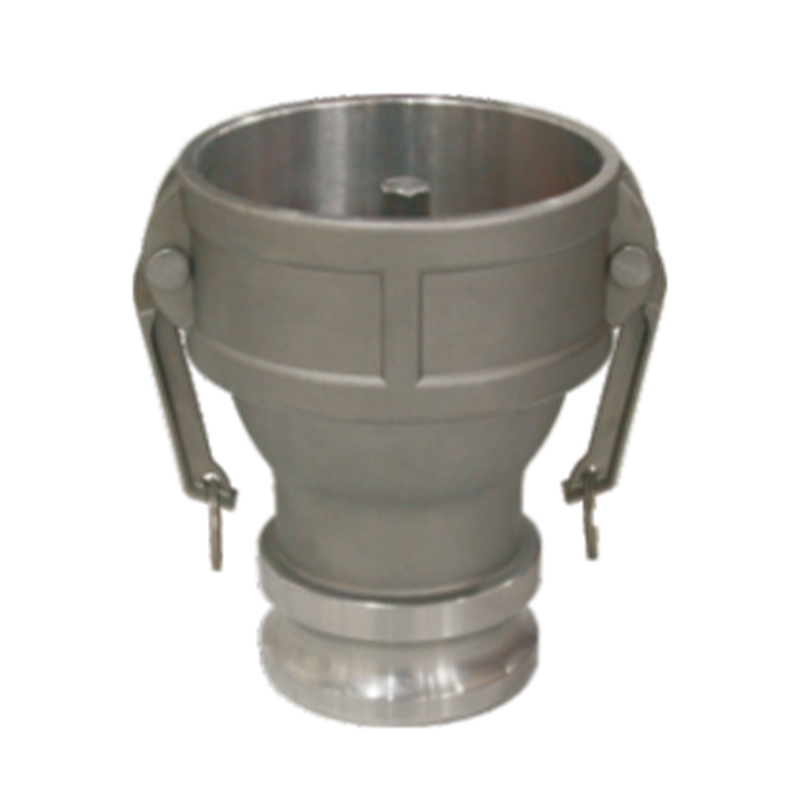
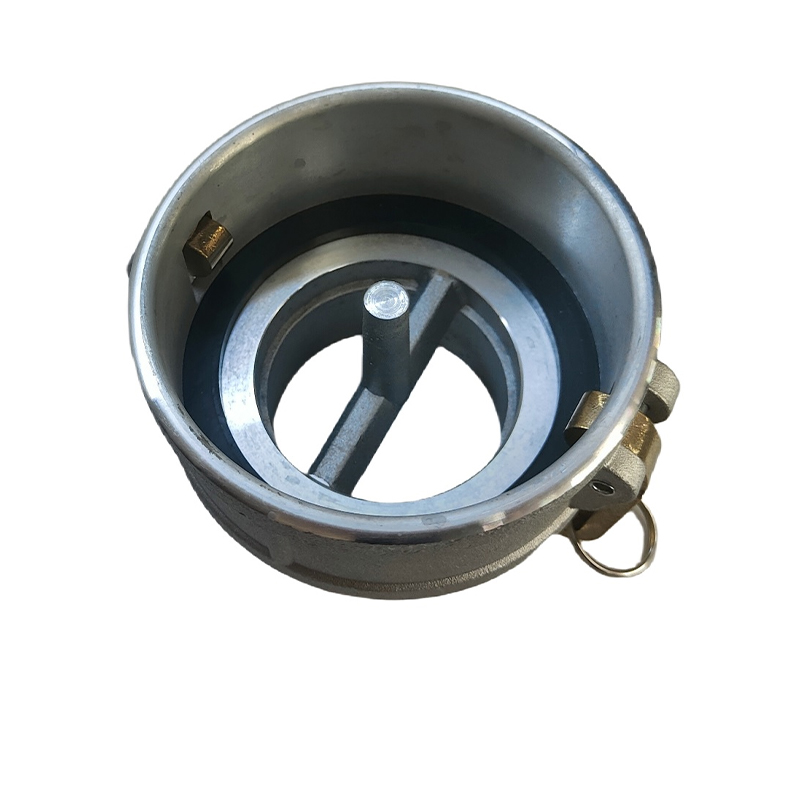
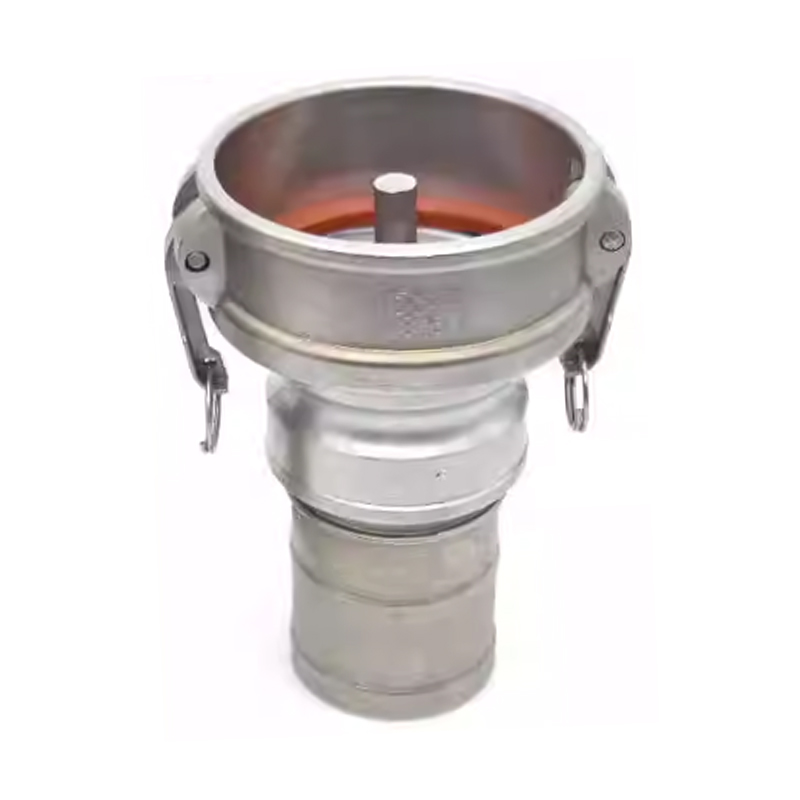
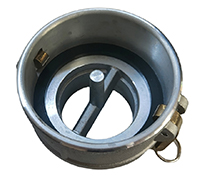
This series of vapor recovery couplings is specifically designed for oil depots, storage terminals, and tank truck loading systems, and is intended for use together with vapor recovery adaptors. Once the coupling is connected, the internal interlock mechanism is activated, automatically opening the vapor recovery pathway. This allows fuel transfer and vapor recovery to occur simultaneously, significantly improving operational efficiency while reducing environmental and personnel exposure risks caused by vapor emissions.
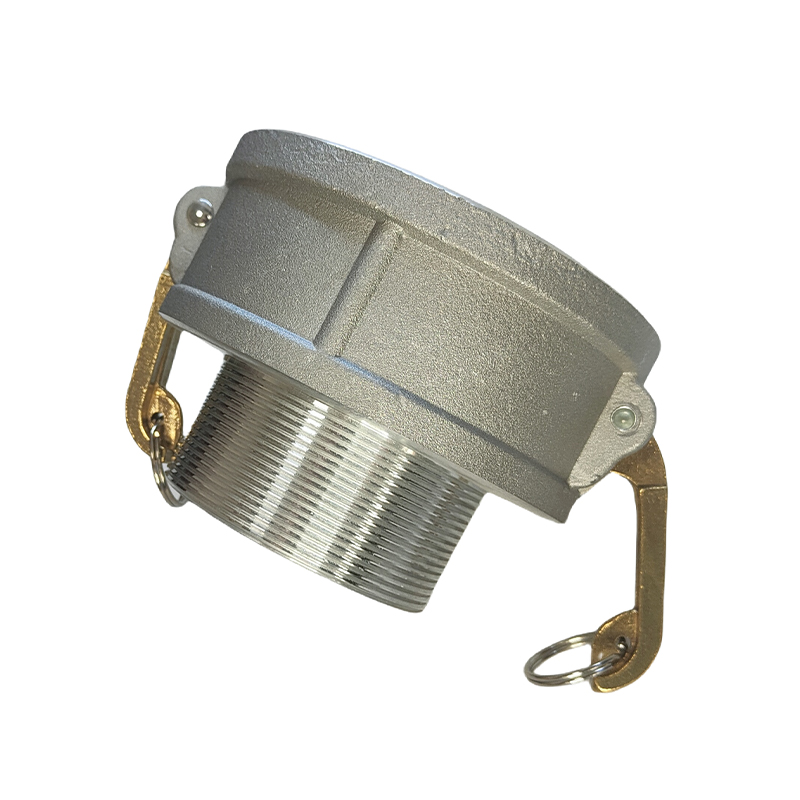
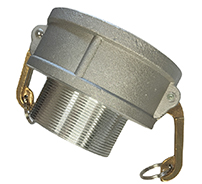
From a structural perspective, multiple material options are available to meet different operating conditions and regulatory requirements, including aluminum alloy versions and stainless steel versions. These options allow the product to adapt to varying demands for corrosion resistance, mechanical strength, and service life. Key load-bearing and sealing components are carefully engineered to maintain stable sealing performance even under frequent connection cycles and long-term use. The sealing materials are selected to perform reliably in fuel vapor environments, minimizing aging and leakage risks.
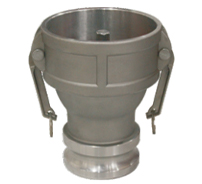
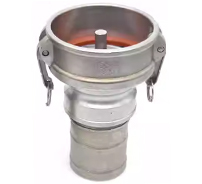
To accommodate diverse system interfaces, the product range supports multiple connection configurations. Whether used in fixed pipeline installations or in applications requiring frequent connection and disconnection, such as tank truck operations, these couplings deliver secure and dependable connections. This high level of compatibility enables smooth integration into vapor recovery systems used across different countries and regions, reducing modification costs caused by interface mismatches.
From an industry development perspective, increasingly strict environmental regulations and vapor emission control standards have elevated vapor recovery couplings from simple functional components to essential elements of safety and environmental compliance. Reliable sealing performance, robust construction, and seamless integration with vapor recovery processes have become key criteria for users worldwide when selecting such products.
Whether installed at large oil depot loading platforms or deployed in high-frequency tank truck operations, vapor recovery couplings consistently fulfill the same mission: safeguarding the integrity of the vapor recovery system behind the scenes, while enabling fuel loading operations that are more efficient, environmentally responsible, and fully controlled.

 English
 中文简体
中文简体
 Español