 English
Fuel Dispenser Components
Fuel dispensing systems consist of multiple critical components. Beyond the fuel nozzle, accessories such as swivel joints, hose couplings, pipe fittings, breakaway couplers, flow indicators, and hose assemblies play a vital role in safety, operational convenience, and system stability. This article provides a systematic comparison and classification of these components based on structure, function, application scenarios, material performance, and operational characteristics, helping users understand differences and make informed selection decisions.
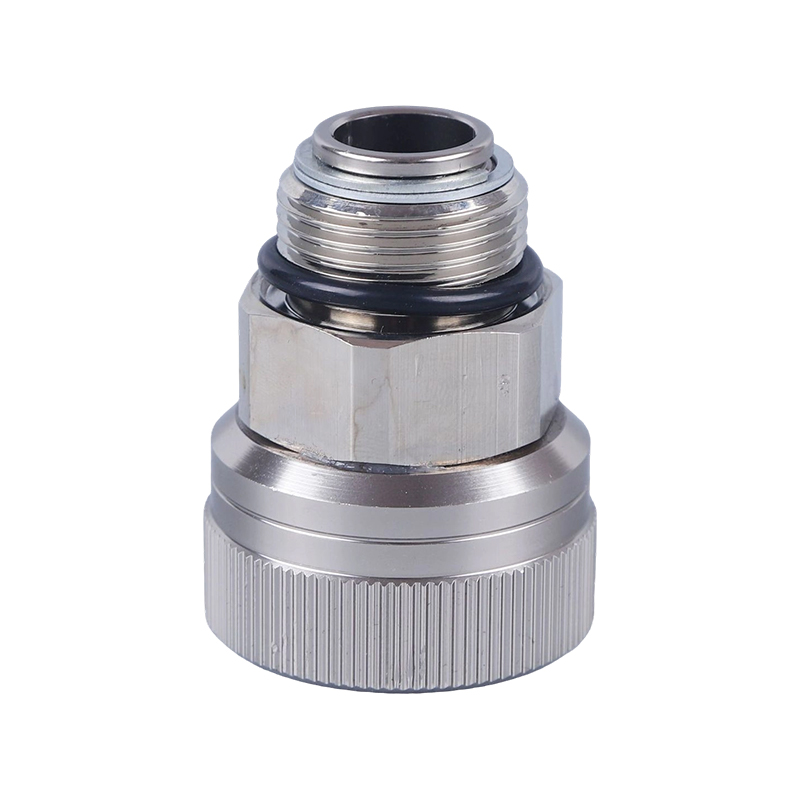
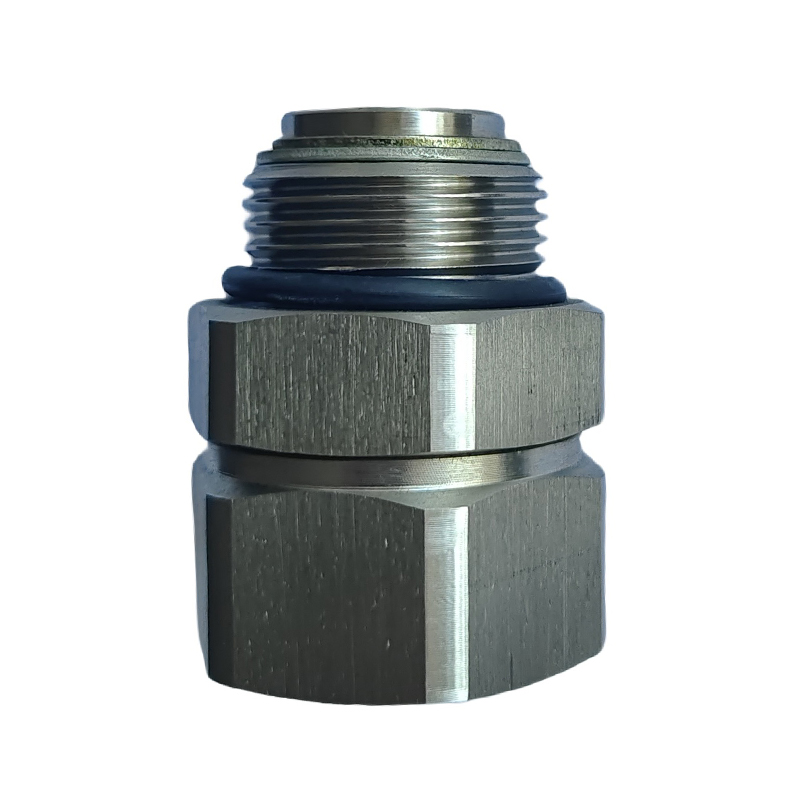
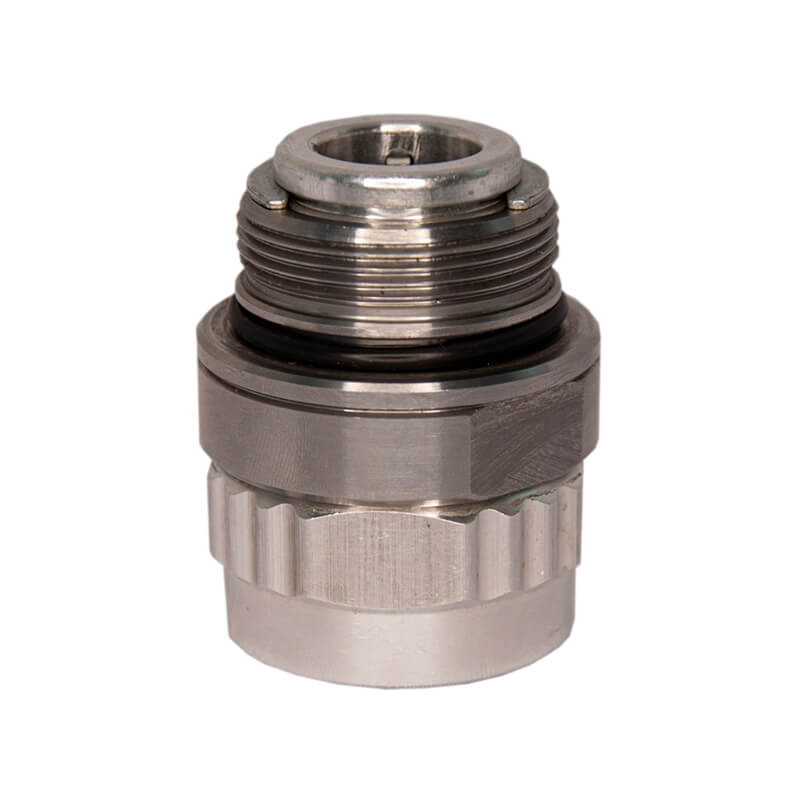
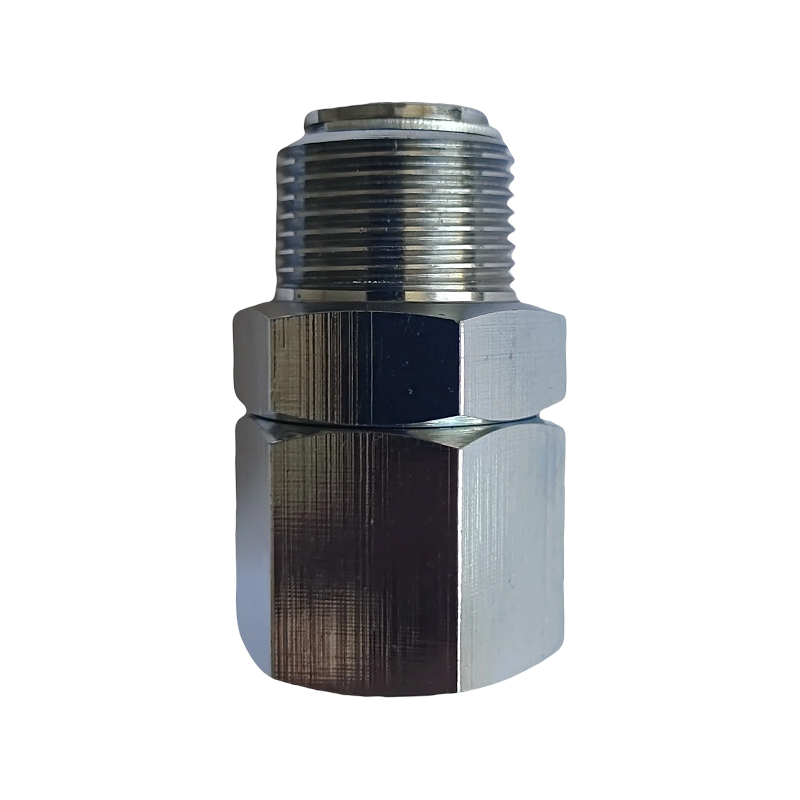
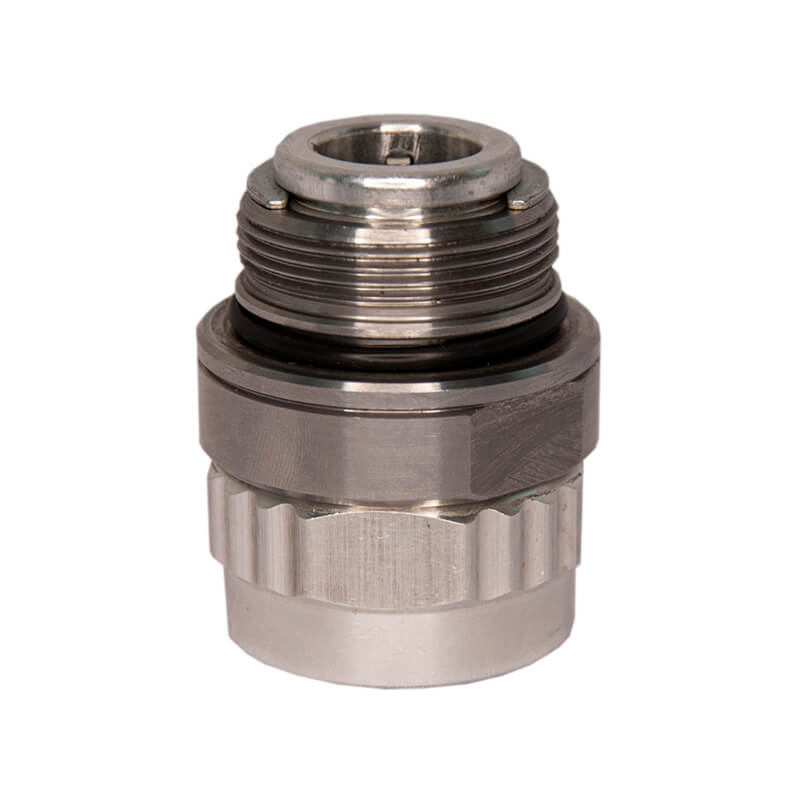
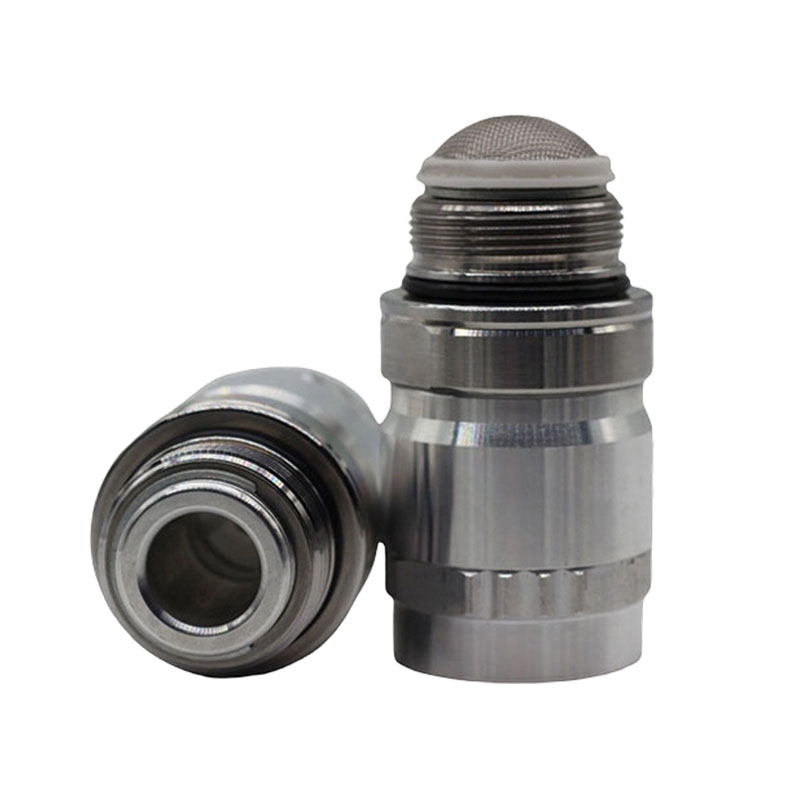
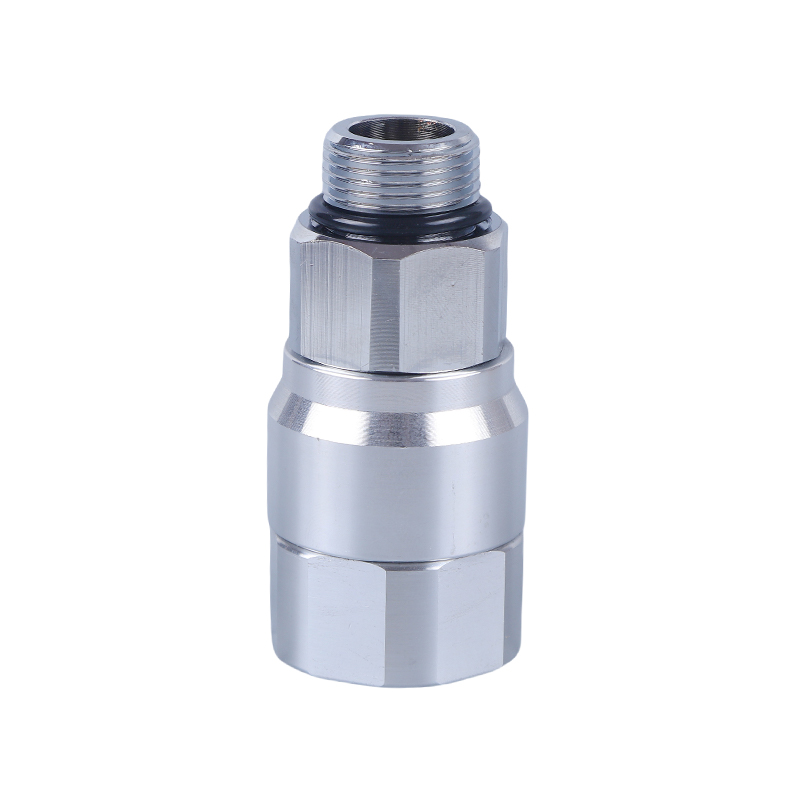
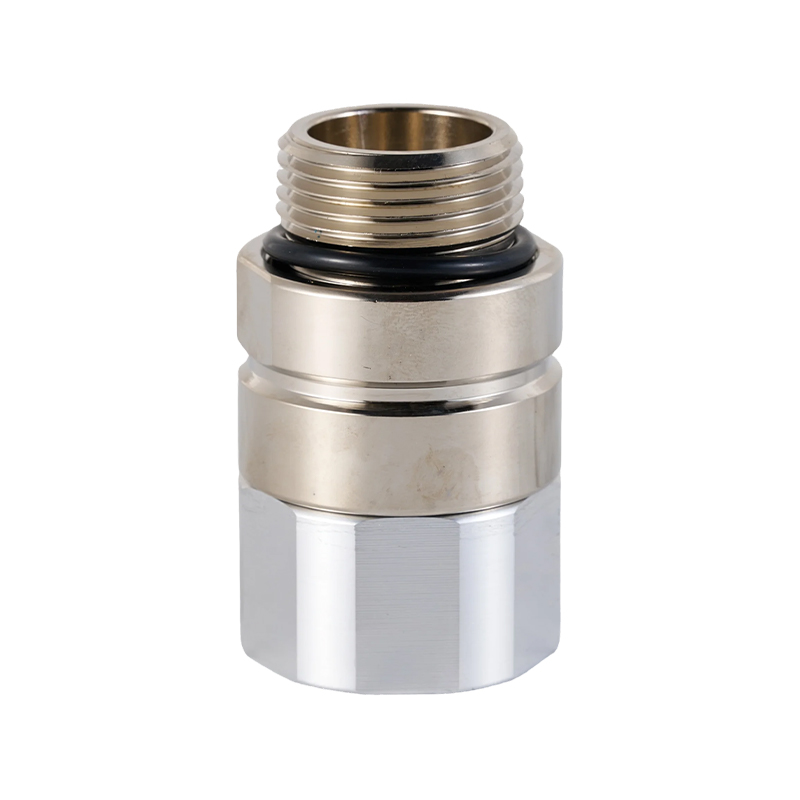
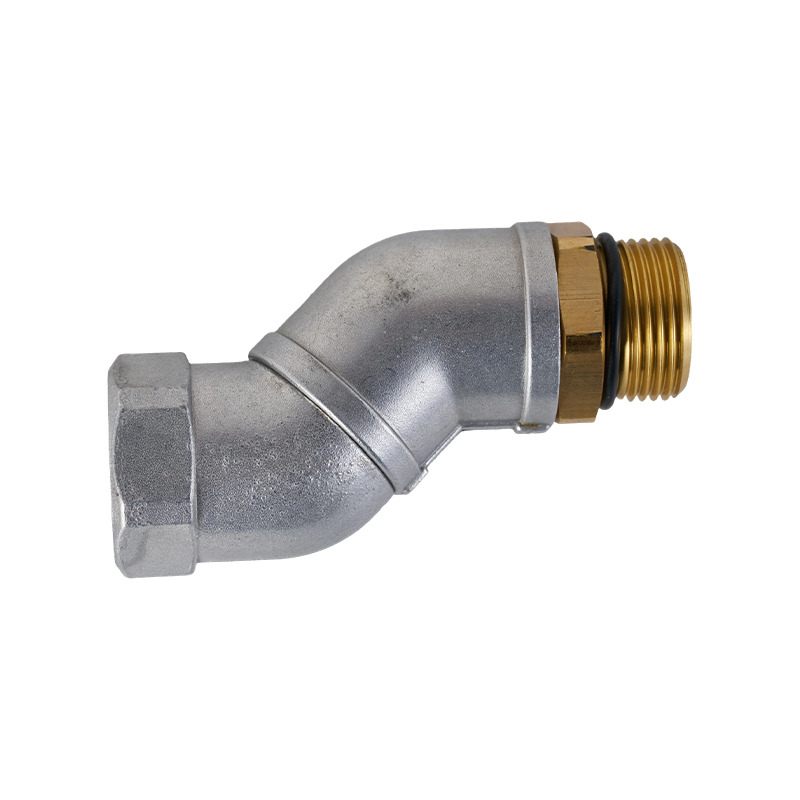
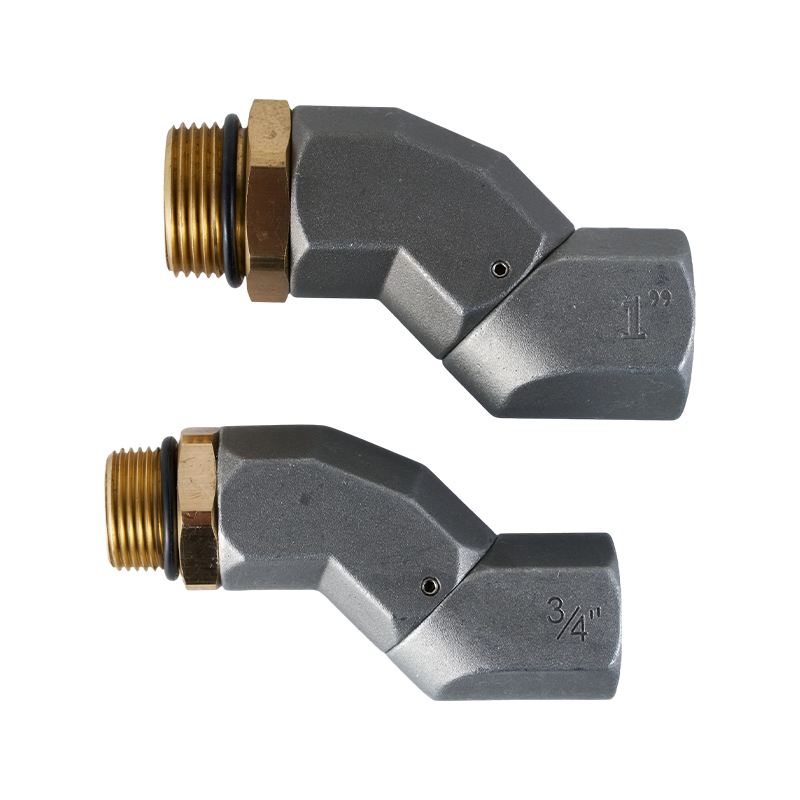
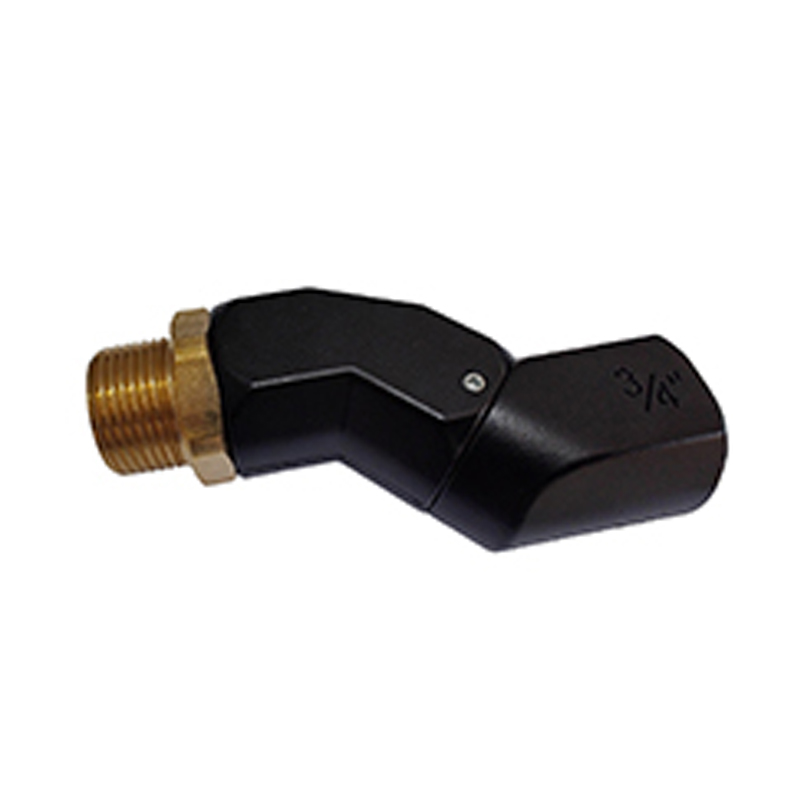
1. Swivel Joints
Swivel joints connect the fuel nozzle to hoses, pumps, or storage tanks, allowing the hose to rotate freely during fueling to prevent twisting, wear, and strain.
Types and Features:
Single-plane swivel: Allows rotation along one plane, suitable for standard dispenser hose connections, providing flexible operation.
Double-plane swivel: Allows rotation along two planes, ideal for confined spaces or frequently extended hoses, effectively reducing hose wear.
Key Advantages:
Supports high-pressure, high-flow fuel delivery
Flexible rotation reduces operational resistance
Constructed from aluminum alloy, stainless steel, or high-strength engineering plastics
Durable under continuous use and harsh environments
Typical Applications:
Dispenser hose connections
Tank truck fueling systems
Industrial or marine fuel transfer systems
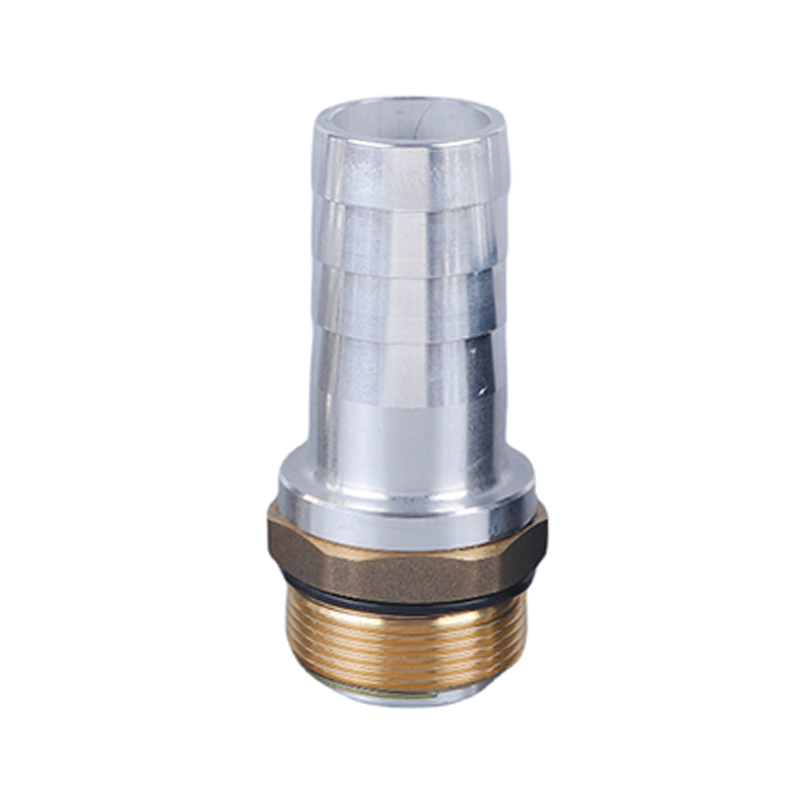
2. Hose Couplings
Hose couplings connect hoses to equipment piping or other accessories, ensuring reliable sealing and quick assembly/disassembly.
Types and Features:
Rotatable couplings: Suitable for hose ends requiring rotation, reducing operational resistance and wear.
Non-rotatable couplings: For fixed connection points or ends connected to breakaway couplers, ensuring safety and reliability.
Customization:
Can be tailored to hose inner and outer diameters for optimal sealing and installation compatibility.
Typical Applications:
Hose-to-nozzle connections
Pump outlet-to-hose connections
Mobile tank fueling systems
3. Pipe Fittings
Pipe fittings are essential for connecting hoses or pipelines, ensuring safe fuel flow between different equipment.
Key Features:
Includes elbows, tees, flanges, and other configurations
Made of high-strength metal, corrosion- and wear-resistant
Suitable for various pressure ratings and flow requirements
Compatible with standard hose interfaces
Typical Applications:
Connections between tanks, pumps, and hose systems
Pipeline modifications and extensions
High-pressure or high-flow fueling systems
4. Breakaway Couplers
Breakaway couplers prevent fuel spillage if a fuel hose is accidentally pulled away, ensuring operational safety.
Types and Features:
Single-use type: Cannot be reset after activation, suitable for public fueling stations or high-safety environments.
Reusable type: Can be reset by trained personnel after activation, until hardware failure occurs, ideal for long-term or maintainable fueling systems.
Key Advantages:
Quick separation, automatically shuts off fuel flow
Built-in spring and sealing structure prevent leaks
Designed for high-pressure and corrosion resistance
Typical Applications:
Safety protection for dispenser hoses
Tank truck fuel outlets
Temporary or mobile fueling systems
5. Flow Indicators
Flow indicators monitor fuel flow within the system, allowing operators to detect blockages, air bubbles, or abnormal flow in real time.
Types and Features:
Top-mounted flow indicator: Installed at the top outlet of the dispenser, suitable for top-hose layouts.
Mid-mounted flow indicator: Installed at mid-level outlets, suitable for mid-hose layouts or short hose setups.
Key Advantages:
Transparent viewing window or tube for easy observation
High-pressure, corrosion-resistant materials
Quick installation on hoses or pipelines
Enhances operational visibility and safety
Typical Applications:
Dispenser hoses or pump outlets
Industrial fuel transfer systems
Temporary or mobile fueling stations
6. Hose Assemblies
Hose assemblies include the hose body, couplings, swivel joints, and protective covers, forming a complete fuel transfer path.
Types and Features:
Short hose assemblies: Designed for top-mounted dispenser outlets, allowing easy hose retraction and compact top layout.
Function: Installed between the dispenser top fuel outlet connector and the breakaway coupler, providing flexible extension to reduce lateral torque and ensure the breakaway valve separates smoothly in a vertical direction. Optimized separation allows the valve disc to close properly, preventing fuel leakage from both ends in case of accidental pull.
Applications: Widely used in fueling stations, dispensers, and various fueling systems.
Long hose assemblies: Connected to the opposite side of the breakaway coupler, usually extended by operators for vehicle fueling. One end features a rotatable brass fitting for connection to the fuel nozzle, while the other end has a non-rotatable fitting connected to the breakaway coupler.
Key Advantages:
Customizable length, diameter, and pressure rating
Oil-resistant, corrosion-resistant, and high-pressure design
Ensures safe, reliable, and complete fuel transfer
Typical Applications:
Standard dispenser hoses
Mobile tank truck fueling hoses
Industrial or specialty fluid transfer systems
7. Selection Guidelines
When selecting components, consider the following factors:
Fuel type (gasoline, diesel, or specialty liquids)
Operating pressure and flow rate
Need for swivel, quick-connect, or breakaway features
Material corrosion resistance and environmental temperature
Hose layout requirements (top-mounted or mid-mounted)
Compliance with relevant standards and regulations
Proper selection ensures system safety, extends equipment lifespan, and reduces maintenance costs.
8. Conclusion
The reliable operation of a fuel dispenser system depends on the performance of each critical component. By understanding the functions, classifications, and differences of swivel joints, hose couplings, pipe fittings, breakaway couplers, flow indicators, and hose assemblies, users can select the most suitable combination of products to achieve efficient, safe, and environmentally responsible fuel transfer.
For detailed technical parameters, compatibility solutions, or custom services, please contact us for professional, reliable, one-stop solutions.