 English
 中文简体
中文简体
 Español
A fuel tank bottom valve does the unglamorous work — controlling discharge, draining, transfer. It sits at the bottom of the tank, which is about the worst seat in the house: sediment, water, corrosiv...
READ MORE
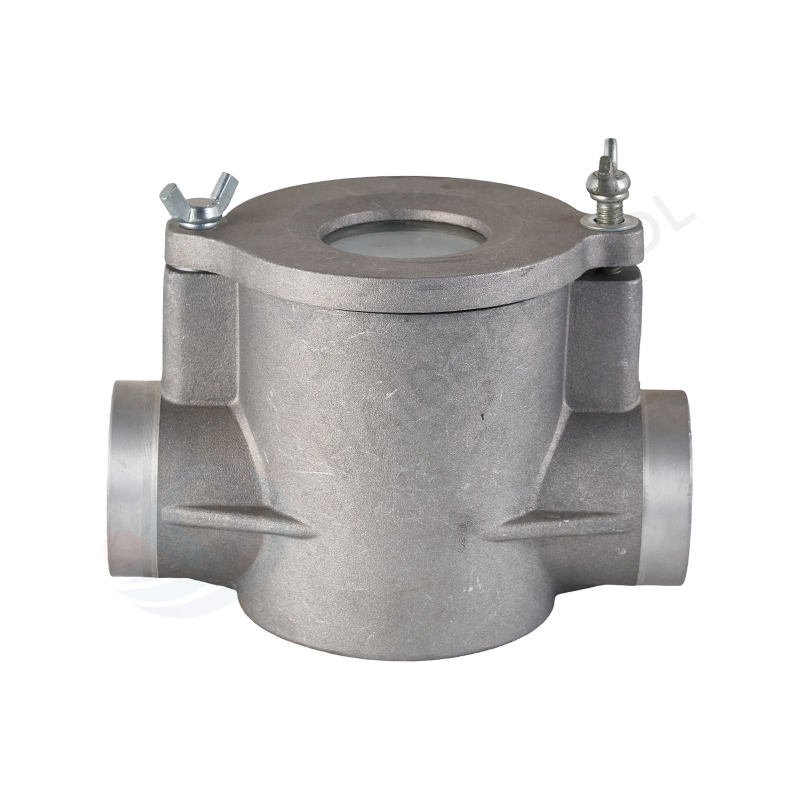


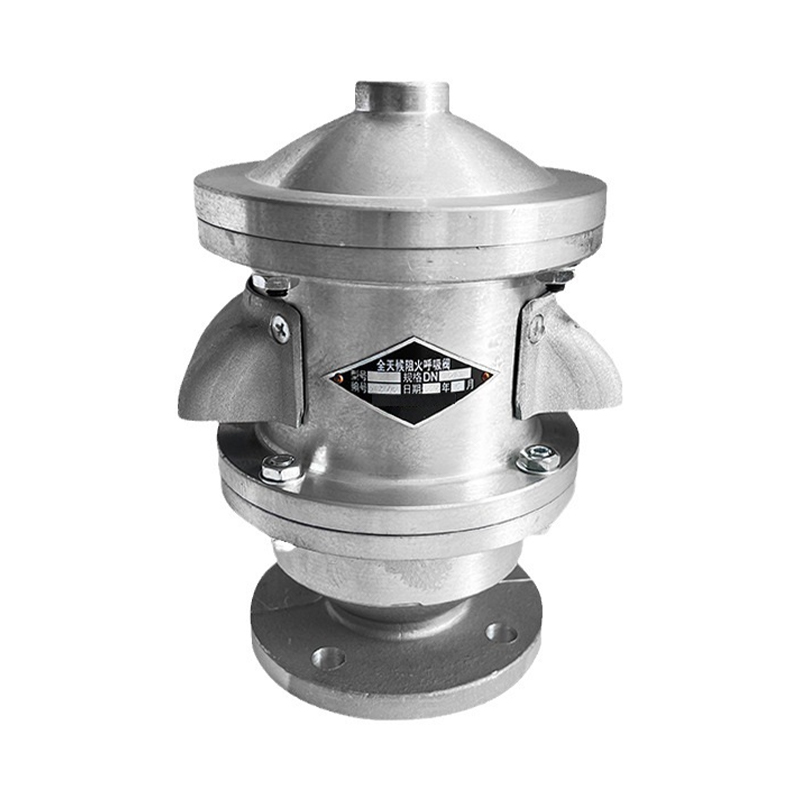
Underground storage tank (UST) equipment is a critical component for fuel retail facilities, ensuring the safe, efficient, and compliant storage and transfer of petroleum products. Modern systems often include an Underground Tank Monitoring System and advanced Submersible Fuel Pump solutions to improve fuel management, safety control, and operational efficiency. These systems are designed to protect tank integrity, prevent leaks, control vapor emissions, and facilitate reliable fuel dispensing. Leading manufacturers such as EMCO Wheaton, OPW, and Franklin Fueling provide a wide range of high-quality UST solutions widely used around the world.
Role of Underground Storage Tank Equipment
UST equipment serves as the backbone of fuel management at service stations. It handles storage, monitoring, and dispensing operations while minimizing environmental risks.
Key functions include:
Maintaining tank structural integrity and pressure safety
Controlling vapor and emissions to meet environmental regulations
Ensuring accurate fuel measurement and transfer through Submersible Fuel Pump systems
Providing leak detection, overfill prevention, and real-time monitoring through an Underground Tank Monitoring System
These systems typically work alongside piping, dispensers, and vapor recovery systems to ensure secure, efficient, and compliant fuel handling operations.
Core Components and Functions
1. Fill and Dispenser Piping Accessories
These components ensure controlled and safe fuel delivery between tanks and dispensers. Typical products include:
Flexible and rigid fill pipes
Overfill prevention devices
Submersible pump connections and adaptors
Leak detection sensors integrated into piping systems
These accessories minimize operational risks, simplify maintenance, and ensure consistent fuel flow.
2. Tank Monitoring and Safety Devices (Underground Tank Monitoring System)
Monitoring and safety devices, including an Underground Tank Monitoring System, protect tanks from overfilling, excessive pressure, or leaks while providing real-time data for fuel inventory management and operational control.
Common equipment includes:
Automatic tank gauges (ATG) for real-time fuel level monitoring
Overfill prevention sensors and alarms
Pressure and vacuum relief valves for safe tank breathing
Leak detection probes for early detection of potential issues
These systems are essential for operational safety and regulatory compliance.
3. Submersible Pumps and Accessories (Submersible Fuel Pump)
Submersible pumps, especially Submersible Fuel Pump systems designed for underground storage tanks, ensure reliable fuel delivery from underground tanks to dispensers with stable flow performance and improved fuel dispensing efficiency.
Key features include:
Corrosion-resistant construction for long service life
Flow control and filtration accessories to protect pumps and downstream equipment
Integration with monitoring and safety systems, including Underground Tank Monitoring System platforms, for automated operation and enhanced fuel management.
4. Vapor Recovery and Environmental Control
UST equipment often integrates with Stage I and Stage II vapor recovery systems to minimize hydrocarbon emissions. Components include:
Vapor recovery adaptors and couplers
Vent pipes and pressure control valves
Environmental monitoring sensors
These systems ensure fuel dispensing operations comply with environmental standards while maintaining safe operating conditions.
Applications
Underground storage tank equipment, including Underground Tank Monitoring System and Submersible Fuel Pump solutions, is widely used in:
Retail service stations and convenience stores
Commercial and industrial fueling sites
Fleet fueling terminals
Hazardous material storage and transfer facilities
Using comprehensive UST equipment allows operators to ensure safety, efficiency, and regulatory compliance across all fuel handling processes.
Key Advantages
Ensures safe and efficient fuel storage and transfer
Protects tanks and infrastructure from overpressure, vacuum, and leaks
Provides accurate fuel monitoring and inventory management through Underground Tank Monitoring System technology
Delivers reliable fuel transfer performance with high-efficiency Submersible Fuel Pump systems
Integrates with monitoring, overfill prevention, and vapor recovery systems
Durable, corrosion-resistant construction for long-term reliability
Supports regulatory compliance and environmental protection

A fuel tank bottom valve does the unglamorous work — controlling discharge, draining, transfer. It sits at the bottom of the tank, which is about the worst seat in the house: sediment, water, corrosiv...
READ MOREAuto Fuel Nozzle take a lot of abuse day to day: constant handling, fuel exposure, friction, temperature swings, and the occasional drop. For station operators, fleet managers, and manufacturers, mate...
READ MORETemperature is one of the operating conditions that can be easy to miss when choosing or using a flow meter for petroleum products. A meter may be installed correctly and calibrated properly, but the ...
READ MOREFueling nozzles are used every day at fuel stations, fleet depots, transport facilities, and other refueling sites. In busy locations, a nozzle may be handled hundreds of times in a single day. Over t...
READ MOREFuel distribution is often described as a simple movement from one place to another. Fuel leaves a storage area and eventually reaches the point where it is needed. Yet the actual process involves mu...
READ MOREA dispensing system may look simple from the outside. A container holds a material. A tube carries it forward. A valve controls the flow. A nozzle places the material where it needs to go. Inside tha...
READ MOREA tank truck is easy to recognize, but its construction is more involved than the large metal tank visible from the road. Beneath the outer shell is a coordinated system designed to contain cargo, sup...
READ MORE
Quick Links
Product Categories
Contact Us
+86-13989700818 (Whatsapp)
+86-13695828855
No. 3, Xinbin Road, Yangwan Industrial Zone, Qiaoxia Town, Yongjia County, Wenzhou City, Zhejiang Province
Get in Touch
 Tank Truck Equipment Manufacturer